Wildlife Matters at 50 – A Celebration Can you believe it? Reaching 50 episodes is a huge milestone! Welcome to our review of over 50 episodes of the Wildlife Matters podcast. This also answers most of the questions you sent me for the Q&A you asked for. I thought it would be good to combine them into our 50th celebrations.
But first, let me answer the most asked question: Why a podcast?
Let me start by sharing some general podcast stats for 2024.
General Podcast Stats
The podcasting landscape is booming, with millions tuning in for their fix of audio entertainment and education.
Here are a few of the top podcast stats that may surprise you:
- There are over 464 million podcast listeners worldwide, and this number is projected to reach over 500 million by the end of 2024.
- The average listener spends 7 hours weekly listening to their favourite podcasts.
- In the podcast world, Episodes between 20-40 minutes reign supreme, catering to busy schedules and attention spans.
- Podcast listenership transcends gender, with women slightly edging out men (48% vs. 43%).
- Podcasting isn’t an American phenomenon, although the US has the highest number of podcast listeners worldwide.
- Sweden and Norway have the highest number of monthly listeners by the percentage of internet users.
- YouTube Video podcasts are rising, offering a new dimension to audio storytelling.
- That’s why Wildlife Matters has launched a YouTube channel with video versions of the Podcast. As we develop our content and storytelling, we will bring you more wildlife videos in the future.
- Spotify and Apple Podcasts lead the pack, battling for global audio dominance.
- Peak listening time is in the morning, with most episodes enjoyed on mobile devices.
Podcast enthusiasts discover new content through various channels, but around 40% of listeners explore new podcasts using in-app search bars.
The go-to device for podcasts is the smartphone, with 73% of users choosing it, while laptop and desktop listening lag at only 13%.
Additional devices used to listen to podcasts include:
- Tablets
- Digital music players
- Voice-activated speakers
People mainly listen to podcasts through headphones (71%), while the rest (29%) listen through speakers.
When Do People Listen to Podcasts
To understand why podcasts have grown in popularity, let’s examine when people listen and what they’re doing while listening.
Interestingly, 59% of people listen to podcasts while doing something else. So, what are you doing right now? 32% tune in while driving or travelling, while 59% listen to podcasts at home.
One of my primary reasons for starting the podcast was that we could quickly reach people worldwide, specifically the younger generation, who need to be added to our wildlife NGO supporter networks. So, I was delighted to learn that.
- 66% of podcast listeners are aged 12-34, based on a 2023 study.
- In the same survey, 43% of podcast listeners aged 35-54 had listened to a podcast episode in the last 30 days, making them the fastest-growing listeners.
- Over 25% of podcast listeners aged over 55 listen to podcasts monthly.
- Meanwhile, 28% of those aged 65 and older listen to podcasts.
By Gender:
- In the UK, 53% of podcast listeners are male and 47% are female.
Podcast Listeners Per Country
Podcasts are popular worldwide, but some countries spend more time listening than others.
The following countries have the highest number of monthly listeners.
| Country | Monthly Podcast Listeners |
| United States | 40% |
| Sweden | 34.6% |
| Norway | 34.2% |
| Australia | 33.2% |
| Canada | 32.8% |
The UK are 9th with 27.8% monthly listeners.
Podcast Downloads
While Spotify is the go-to platform for streaming podcasts, the majority of podcast downloads, over 70%, occur through Apple Podcasts.
Spotify users download much less, with only 8.9% of download requests.
These are general podcast stats taken from a worldwide survey in 2023. Podcasts have a considerable impact; many enjoy listening to them for entertainment and education.
We would love to hear why you listen and share the other podcasts you enjoy regularly.
The reason was that a podcast allowed us to speak to many like-minded people working or volunteering to benefit nature and wildlife in diverse ways and many countries.
Our primary focus has always been on British wildlife. Still, we will always stand up to protect wildlife around the world that is persecuted or poached for its fur and body parts, kept in captivity, stolen from the wild, or victims of wildlife crime.
The destruction of habitats and biodiversity is at a critical point, and we are one planet, so we speak out about climate change, the biodiversity crisis, the acidification of the oceans in addition to the rise in sea temperatures and the microplastics that are clogging them, to the diminishing biodiversity of habitats.
It’s time to review our first four series and this 52nd episode of the Wildlife Matters podcast.
It feels strange reflecting on my work and passion in public, and perhaps that is one of the reasons I preferred to review our first fifty episodes rather than do a stand-alone Q&A that many of you asked for.
Wildlife Matters journey started with a lifelong love of wildlife and an appreciation of nature and the natural world we share with wild animals.
It also comes from the deeply held belief that we are all animals and a massive aversion to those who take pleasure in hunting or persecuting them for their fur and body parts, testing medications and inflicting diseases on them, or forcing them to perform for our entertainment.
REFLECTING ON THE JOURNEY
When I started this podcast, I had a vision. I dreamt of creating a community of wildlife and nature lovers where we could talk about
and celebrate Wildlife and the wonders of the natural world.
I wanted to share stories, inspire, and help each other grow.
I never imagined we’d reach this incredible milestone.
It is not only 52 episodes or four series, but, as you will find out as we go along, I am so proud to have created a passionate and engaged community that will take action and like to celebrate wildlife and the natural world.
We will use our collective voice now to benefit wildlife and the natural world, continue to share each other’s stories and grow into a genuine force for good.
It’s been a journey filled with ups and downs, moments of doubt, but most importantly, moments of pure joy.
We’ve had some incredible conversations with inspiring guests, and I’m so grateful to each of them for being such a vital part of our journey.
In Series Five, we will bring you more conversations with people working with or for wildlife and nature.
Why Wildlife Matters?
From the beginning, the goal was to build a community based on mutual love and appreciation of wildlife and nature, sharing stories and experiences to engage, motivate and inspire others to follow their passions and beliefs to help wildlife and nature in their unique way.
Wildlife Matters was born from a passion and a lifelong love for wildlife and the natural world.
With over 30 years of experience working for wildlife and conservation charities in the UK, Africa, and Asia, I have gained invaluable insights into species protection, conservation, and habitat management.
We have a profound love for plants and trees and all aspects of Nature, including habitats, Oceans and rivers, but our absolute passion is wildlife species.
In addition, our practical experience in Woodland Management and Horticulture has given us the tools to make a difference in the fight to protect our natural world.
We have hands-on experience working with sick and injured animals on the frontline in a busy wildlife rescue.
For over forty years, I have, along with many others, taken direct action against hunters and anyone who persecutes wildlife for so-called sport.
Our knowledge and experience are as diverse and varied as they are broad.
British wildlife is not only beautiful and unique but also fascinating and varied.
While our mammals may not be the largest, they possess unique qualities and live in many habitats, including the beautiful bat species – the UK’s only flying mammal.
Our birdlife is abundant, and many new species from Southern Europe have joined us in recent years.
Our bird passion lies in raptors, owls, and corvids. Still, we remember our reptiles, amphibians, and insects as the foundation of biodiverse habitats, leading fascinating lives in unique places.
Wildlife Matters Community
Wildlife Matters is dedicated to building a community of nature and wildlife enthusiasts. We believe that a podcast is the best way to achieve this.
Our podcast serves as the beating heart of our community.
It will explore the successes, problems, and challenges facing wildlife and the natural world every week.
It also provides an instant way to connect with our audience and respond to situations as they happen.
We use our platform to share stories, adventures and experiences in Nature, as well as to look at incredible wildlife and share some of its secrets.
We will also give as many wildlife groups a platform and a voice to inform others of their work or campaigns.
Of course, we will continue to advocate and urge the British government to fulfil its wildlife commitments.
Wildlife Matters in Action.
Our primary goals are to achieve a complete ban on blood hunting with packs of dogs, end the ineffective badger culls, and drive grouse shooting whilst we work to eliminate wildlife crime, which has become a significant problem in most parts of the UK in recent years.
We also aim to establish a space for grassroots organisations and individuals working on local wildlife or habitat projects to collaborate in campaigning for change.
We are passionate about being a platform for direct action groups that work tirelessly to prevent blood hunters and those who intentionally harm or destroy our wildlife and natural habitats.
Our community is always open to hearing about any wildlife issues you want us to cover.
Do you run a wildlife project or group and wish to raise awareness of your work in our community? Please get in touch. We will leave our contact details in the show notes.
We aim to share information with those discovering how fantastic wildlife and nature can be while entertaining those with more knowledge and experience.

BUILDING A COMMUNITY
We plan to launch a Facebook group to help us share and connect.
Right now, our community is mainly based in the UK, but we have regular listeners worldwide, so let’s have a shout-out and a round of applause for our community in the US.
Hi to those in Australia and New Zealand, India, and Hola to everyone in Brazil and Mexico. We are proud to have so many listeners in South America.
Closer to home in Europe, Let’s say hi to our friends in Germany, Sweden, Norway, Ireland, Greece—our top five European countries—and everyone else in Europe.
Community means everything to us. So, thanks go to you for listening to our humble little podcast wherever and however you listen. You are always welcome.
Your support, feedback, and enthusiasm do mean the world to me.
For those who’ve been with me since episode one, you all deserve a special mention.
You’ve stuck with me through episodes where the audio was just “shittastic,” and the production was non-existent, but you stayed with me.
Our first episode, An Introduction to Wildlife Matters, a ten-minute podcast outlining my dreams and hopes for the podcast, has been downloaded over 200,000 times—that is bloody incredible!
To everyone who listens – Thank you for being on this journey with me.
LESSONS LEARNED
Running a podcast is a lot of work. I research, write, record and produce the podcast myself. It takes around 16-20 hours per episode, not including the time I spend planning my stories and travelling around the UK to create the adventures to share with you.
I have always tried to keep things natural, transparent, and honest. That’s why we have never had paid sponsors or adverts on the podcast.
But It has been challenging at times.
When I started, I was nervous and unsure of the future, but I knew one thing: I wanted to create a space for people to celebrate and enjoy the beauty and endless fascination of wildlife and nature—and that’s precisely what we’ve done.
You wouldn’t believe the steep learning curve of technical challenges, from building and writing a website that could convert the podcast from an RSS feed to an audio editor to learning SEO and audio editing.
Recently, I’ve been working on I-movie as I learn to edit the videos I’ve been making -on my own for the last few months. The video production learning curve has been relentless, from setting up camera shots to getting a B roll and learning to fly a drone.
Add to that the setting up of donation platforms and shops that will hopefully one day fund the costs of making the podcast—which has been entirely self-financed—and learning Canva to make our social media even more appealing!
There have been moments of self-doubt, moments of questioning my sanity, whether my finances will hold out, and whether my freelancing will pay the bills next month—yes, I still work up to four days a week to pay the bills—but we’ve persevered.
Together, we have driven the Wildlife Matters podcast into the top 10 Nature podcasts.

EXPERT INSIGHTS AND REAL STORIES
Throughout this journey, I’ve had the pleasure of speaking to some amazing people, such as Lucy Steele from Wild Things Rescue, a general wildlife rescue based in Lincolnshire, Debra from Hedgepigs, a dedicated hedgehog rescue in Nottingham and Natalia from London-based Urban Squirrels – a dedicated grey squirrel rescue and the excellent Mya, currently studying wildlife at college who is dedicated to Amphibians and Reptiles and runs the toad patrols for the Notts A&R group.
Many of these chats were made possible by partnering with One for Voice Animals and their founder, Val Green, with whom we also chatted in series three.
These conversations have added a new dimension to the podcast, and I love connecting with people.
We will chat with many more fantastic folk who run their rescues and are part of the One Voice for Animals network that Val set up to support small, independent animal rescues in the UK. Please visit their website, www.helpanimals.co.uk
This podcast has allowed me to connect with others working to help wildlife and nature.
After nearly thirty years of working for wildlife, I look forward to speaking to many people with whom I have shared that incredible journey in future episodes. To all my wildlife friends, take note that I am coming to talk to you soon!
ENGAGING WITH OUR COMMUNITY
One of the most rewarding parts of the podcast has been the opportunity to highlight some of the many issues that are important to us all, such as ending hunting with packs of dogs and the cruel and ineffective badger culls.
We have produced several episodes on both subjects, with The Truth about Foxhunting and Why is the British Government Still Killing Badgers being the most listened-to.
Wildlife species have always been a passion of mine. We have looked at Badgers and Foxes through Spring and Winter and have upcoming summer and autumn episodes for both species.
Along with the beautiful badgers and fabulous foxes, our episodes on the humble hedgehog have proved popular. I was delighted when the episode An Introduction to British Bats, published in Jun this year, reached over 8,500 downloads.
One of our earliest episodes was In Defence of the Grey Squirrel – an in-depth look at how squirrels have been persecuted for decades and how some of our wildlife organisations are killing grey squirrels they claim to protect reds – which is complete rubbish.
That is our third most listened-to episode and one I am incredibly proud of—but not the early audio quality and production. I would very much like to revisit it with improved audio and output.
Of course, all species are equal, so we don’t only highlight mammals; we have also looked at Frogs, stag beetles, and wild honey bees, not to mention many wildflowers, fungi and trees.
I am pleased that our recent adventure to discover some of Britain’s rarest woodland wildflowers has made it to our most listened-to episode list today.
Another episode I am proud of from this year, Why Are Our Rivers Dying, examines river pollution from agricultural runoff to raw human sewage discharges. I was able to chat about how we are helping volunteers test water quality in rivers.
That work has moved on, and I am excited to bring you a new episode looking at the impact of pollution on Britain’s chalk streams, one of the rarest forms of river habitats, as most chalk streams in the world are here in the UK.
I have experimented with bringing you a range of content, from Wildlife Matters Investigates, where we work with direct action groups or go undercover to expose wildlife persecution or cruelty, to our more serene walk-and-talk days exploring some incredible wildlife habitats and places.
In the new year, we will bring you a new series called Britain’s Wildest Cities, which looks at urban wildlife. We have had some great adventures this summer and are excited to share them.
The most surprising but rewarding episode was when I tried storytelling in the traditional sense by telling folk stories.
The first one was last October when I shared the Story of Mabon – a traditional folk tale about King Arthur. To my amazement, it is our fourth most listened-to episode.
I was so motivated by your response that I decided to develop my storytelling, which I began online during the lockdowns. I have launched a separate podcast called the Nature StoryTeller, which is dedicated to sharing folklore stories from nature.
You will find it on all good podcast platforms, and it has its website, www.naturestoryteller.org
My storytelling has moved on rapidly in the last year. I was proud and surprised to win a Newcomer of the Year award -at my age! – and completed a five-night tour in the spring to launch myself into the world of storytelling.
I have written my own stories – such as A Pheasant Called Francis and the Puzzle Hall with its clear anti-fox hunting theme at six festivals this year and will be publishing my first folklore storybook in 2025. Exciting times, and sincere thanks for your early support, which led me to enjoy being creative and sharing stories.
JOIN THE CONVERSATION
I want Wildlife Matters to be more than just a podcast. I want it to feel like a family, a community.
So, let’s keep the conversation going. Please Share your wildlife and nature experiences with me, ask questions, and leave comments.
Together, we can make this journey even more informative and exciting.
LOOKING AHEAD
As we celebrate 50 episodes and the end of Series Four, I’m filled with gratitude.
We’ve covered many topics, learned much, and built an incredible community.
I’m excited about the future. Series Five begins in two weeks and will take us through the autumn and winter seasons with more exciting topics, new guests, and exciting stories to share.
I want to thank my family and friends for your unwavering support.
And a big Thank you to the amazing guests who have shared their knowledge and experiences with us so far.
But Most importantly, thank you, dear listeners. I couldn’t have done this without you.
So here’s to the journey we’ve been on, the lessons we’ve learned, and the community we’ve built. See you for Series Five very soon.
Thank you for being a part of this incredible journey.
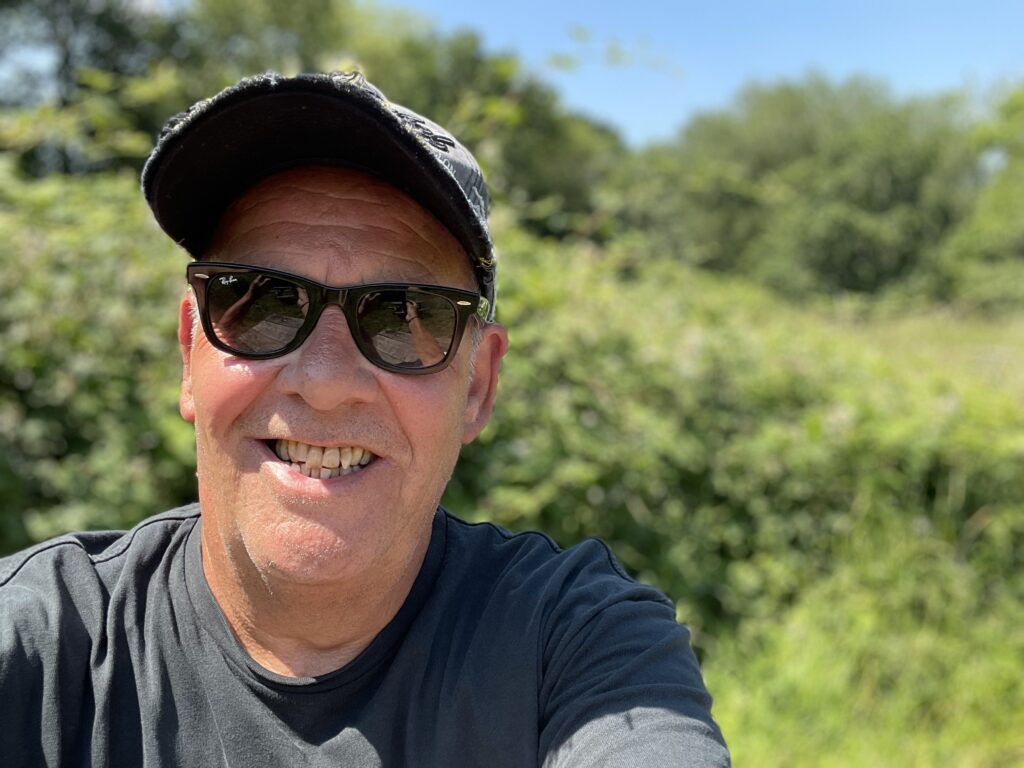
I’m your host, Nigel Palmer, and this is Wildlife Matters signing off.
If you enjoyed this blog, please check out more of our wildlife blogs here, or you may prefer to listen to the Wildlife Matters Podcast here.
If you want to support our work
Please click on the Wildlife Matters Patreon Community.
Please click to join the Wildlife Matters Substack Community.
You can donate here.
Further Listening – Our Favourite Wildlife and Nature Podcasts
Trees A Crowd Podcast with David Oakes
Chris Skinner’s Countryside Podcast
Woodland Walks Podcast Woodland Trust
and finally, please do take some time to listen to our podcast Link Below