Early Birds – Why are some birds nesting earlier in Britain?
Spring in the UK marks the start of the nesting season for wild birds, a vibrant chapter in the natural cycle of the seasons. Interestingly, many species embark on their nesting journeys even before Spring officially arrives, and some, like the wood pigeons, choose to nest throughout the entire year, adapting remarkably to their environment.
According to the guidelines, the bird nesting season lasts from February to August, with peak activity occurring between March and July. However, the narratives of these feathered inhabitants vary. While some birds enthusiastically start nesting in February, others forge their paths, nesting year-round regardless of the season.
Climate Change and Its Impact
The British Trust for Ornithology has noted a significant shift in the timing of the nesting season, attributing this change to climate change. What was once a relatively stable cycle is now occurring approximately 30 days earlier than it did in the 1960s. This early onset could lead to challenges, particularly if the rest of the natural world does not adjust accordingly. Many plants and insects, which form the essential diet for these birds, have not kept pace and often emerge later than the birds start nesting.
Fortunately, in a hopeful twist of fate, climatic conditions have prompted some plants and insects to surface a month earlier, alleviating some potential mismatches in timing. This delicate synchronisation will continue, ensuring a harmonious balance within the ecosystem.
Which Birds Start Nesting First in the UK
When it comes to early nesters, the crossbills are the leaders. Predominantly found in Scotland’s rugged landscapes, these resilient birds begin nesting as early as January.
Considering the chilly northern climate, this choice may seem unconventional, but it works to their advantage, as their food sources are also plentiful in Scotland during this time.
As February arrives, a variety of other birds join the nesting procession, including long-tailed tits, long-eared owls, herons, and ravens.
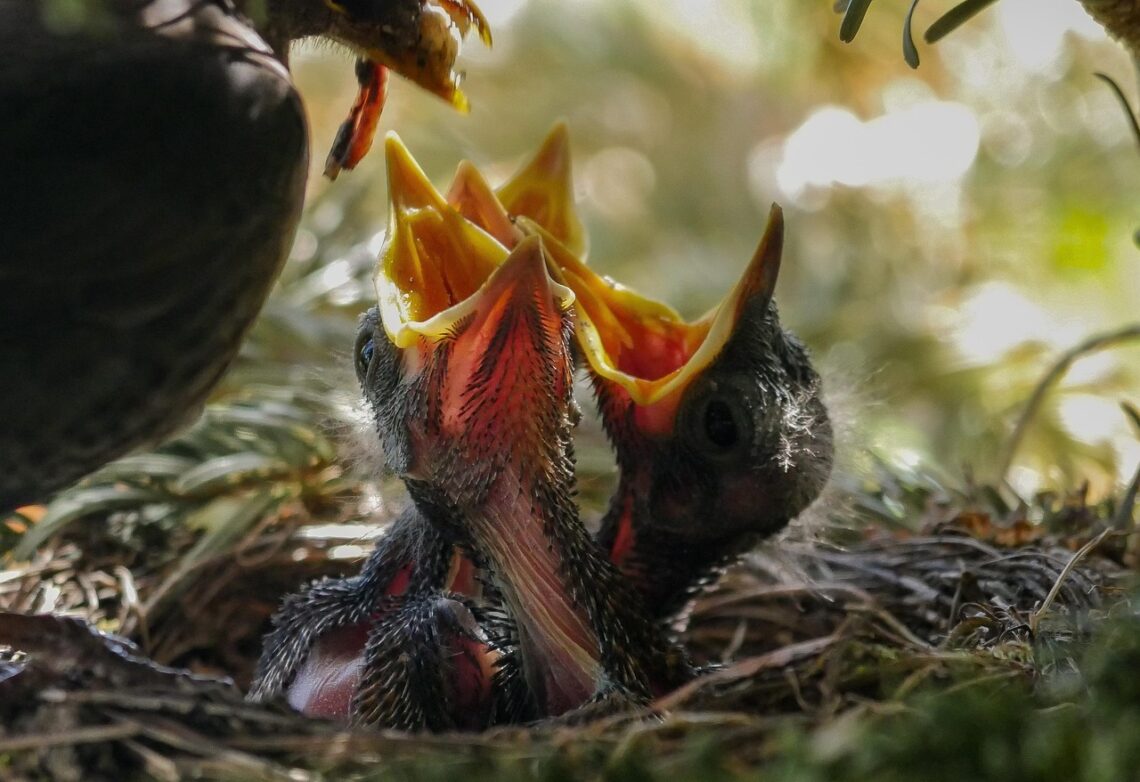
The surge of activity continues into March, when popular garden birds like robins and blackbirds debut in the nesting scene, marking the start of a season filled with the sounds of chirping and the sights of industrious feathered parents preparing for their young.
Why Do Birds Nest So Early
Many birds’ lives are dictated mainly by their food sources. For example, the crossbill primarily feeds on the seeds of conifer trees, using its specially adapted beak to extract them easily from pine cones. These seeds are plentiful in January, prompting the crossbill to begin nesting at that time.
Blackbirds mainly feed on worms, which are much easier to find in the softer, damp winter soil than the hard-baked ground of summer or spring.
Owls, on the other hand, feed their chicks small mammals. By nesting early in the season, they can benefit from shorter grass and fewer plants in the undergrowth, making it easier to hunt for prey. This allows them to adequately feed themselves and their young without expending too much energy.
Now, let’s look at some of the approaches early breeding birds take to ensure the success of their nesting season.
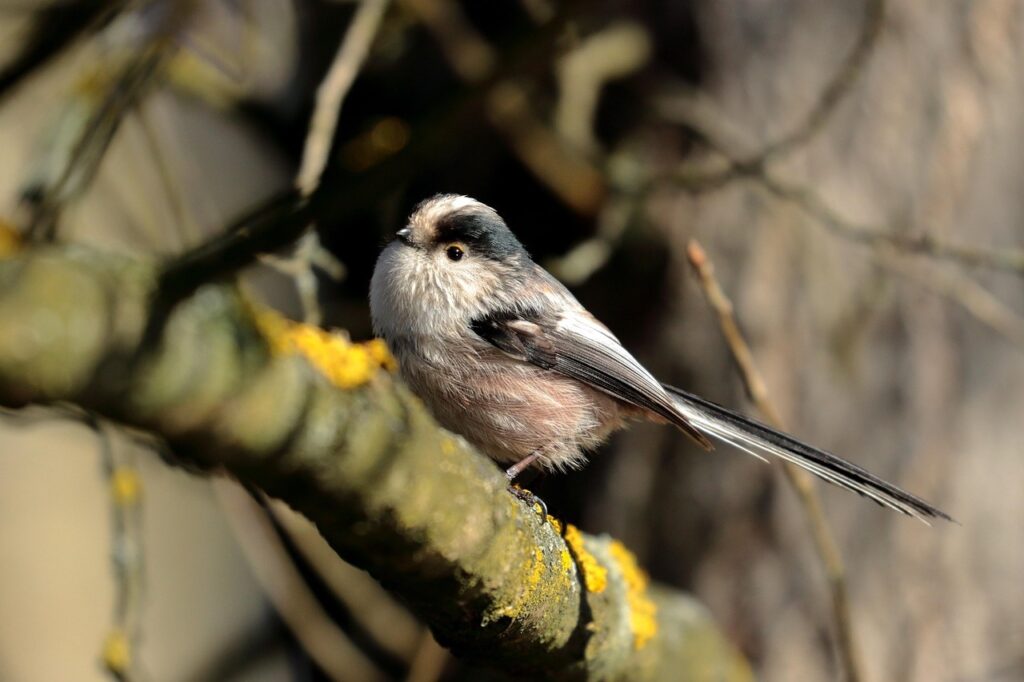
Long-Tailed Tits
We begin with the The long-tailed tit constructs an elaborate nest, which takes a significant amount of time to build. As a result, even though they start building in February, they usually don’t lay their first eggs until April. Long-tailed tits are known for creating intricate, domed nests. They usually begin construction in late February, particularly in southern England. These nests are skillfully crafted using moss, lichen, and cobwebs, expertly woven together and lined with feathers, sometimes as many as 1,500.
Both the male and female long-tailed tits play essential roles in nest building. The male gathers materials such as moss and lichen, while the female shapes and lines the nest with the collected feathers. The nest’s interwoven cobwebs allow it to expand slightly as the chicks grow.
Nests are typically constructed high in tree forks or lower in thorny shrubs, like hawthorn. The breeding season for long-tailed tits usually starts in late February or early March.
During this time, the female lays a clutch of 7 to 13 small, white eggs that are speckled. She incubates the eggs for about two weeks, while the male helps by providing food.
The chicks are altricial, meaning they are born blind, naked, and completely dependent on their parents for care. Both parents feed the chicks, and they fledge after about 20 days.
Long-tailed tits have a cooperative breeding strategy, with helpers from the previous breeding season, often relatives, assisting with feeding the chicks.
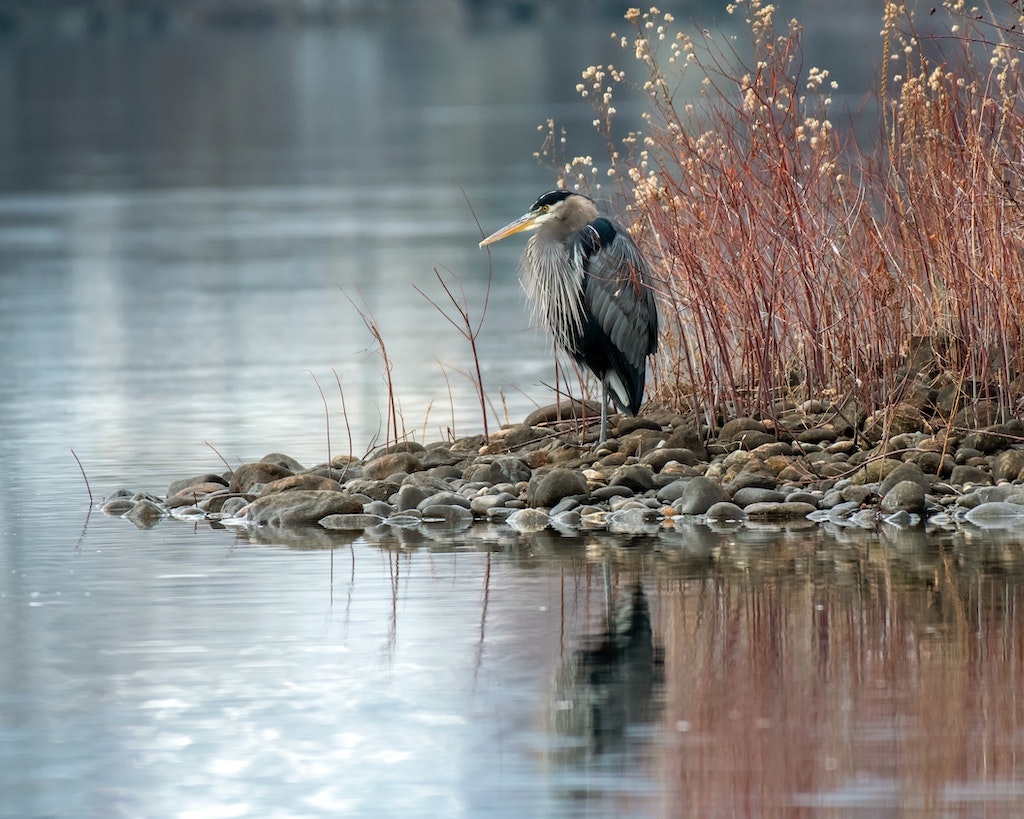
Grey Herons
Grey herons build large, bulky nests primarily using twigs and branches. These nests are typically constructed in trees located near water bodies. Herons tend to nest in groups called heronries, consisting of multiple nests in the same tree or among nearby trees. The nests are usually positioned high up, often in the tree canopy, and can be reused year after year.
To construct their nests, grey herons use twigs, branches, and sometimes weeds.
They prefer to nest in tall trees near water sources such as rivers, lakes, and canals. They may also choose cliffs, reed beds, or bushes as nesting sites.
As colonial nesters, grey herons build their nests in groups known as heronries. A heronry can contain many nests within the same tree or nearby trees.
The grey heron does not need to make a new nest each year; it repairs last year’s nest. Herons often reuse their old nests, adding new materials each year to strengthen and make them more comfortable.
Nests are generally constructed high in the tree canopy, typically at least 25 meters above the ground.
Grey herons usually begin nesting in early spring, with nesting activities peaking in late March.
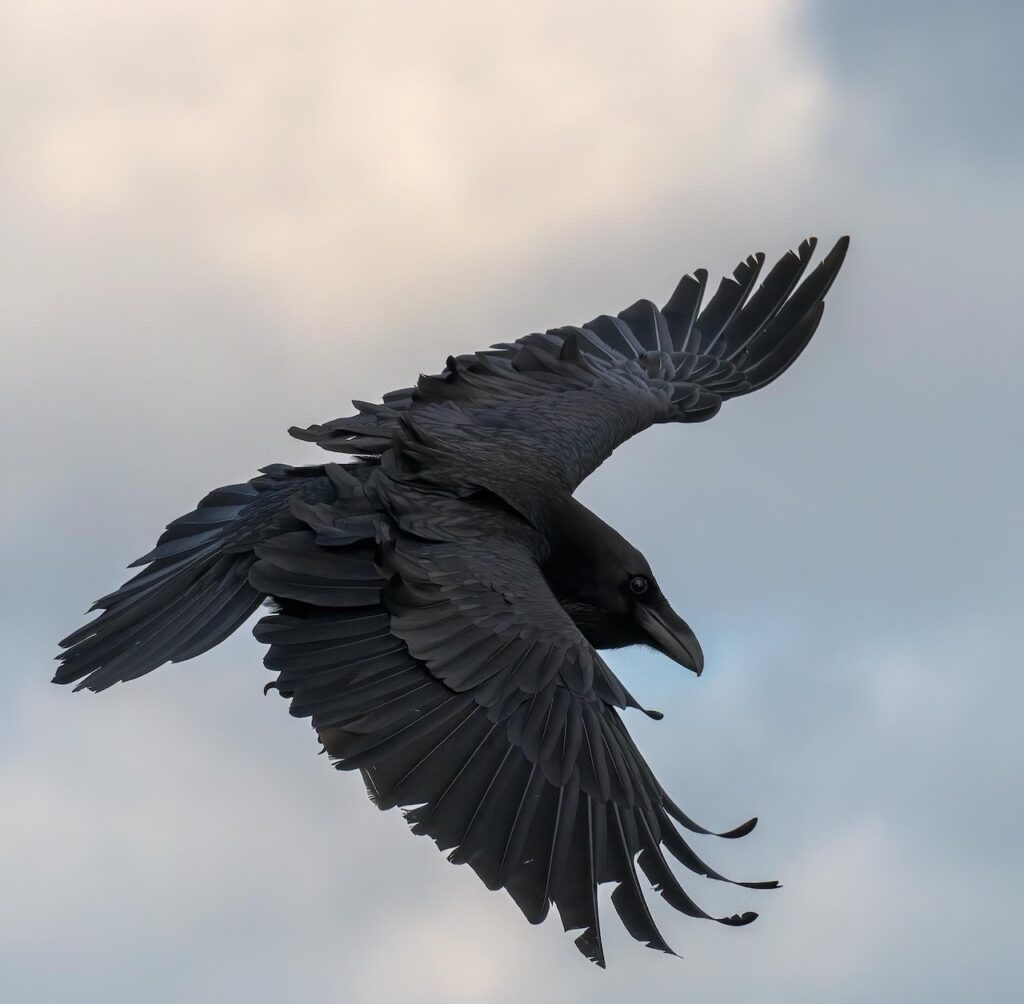
Ravens
Ravens are early breeders, typically beginning nest building and laying eggs as early as mid-February. They construct their nests in various locations, including cliff ledges, large trees, buildings or other structures. The nests are primarily made from sticks and twigs, sometimes reinforced with moss or other materials.
Ravens create large, bulky nests, often using a combination of sticks, twigs, and moss. They select locations that offer protection and provide a good view of their surroundings, such as cliff ledges, tall trees, buildings, and bridges.
The breeding season for ravens usually begins in mid-February and extends through April. Female ravens lay clutches of 4 to 6 blue-green eggs. The female incubates the eggs for approximately 21 days, while the male watches and may bring her food.
After hatching, the chicks grow rapidly and fledge, leaving the nest after about four weeks. Ravens often return to the same nesting site year after year, adding new materials to their nests. Both parents care for the young, providing them with food and protection.
Ravens are also territorial and will defend their nesting territory from intruders.
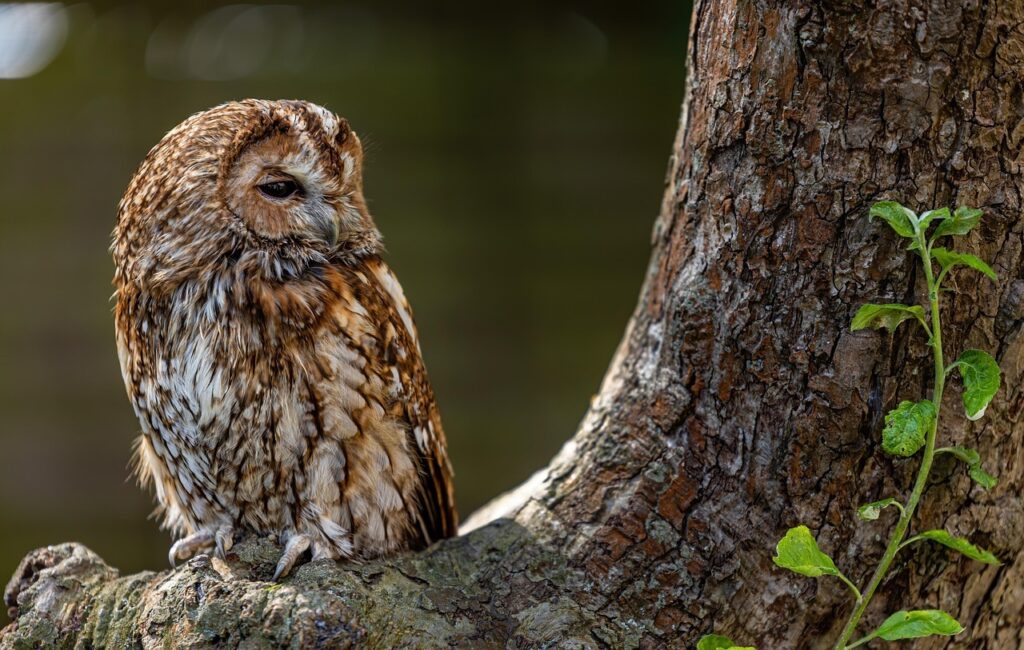
Tawny Owls
Tawny owls primarily nest in natural tree cavities or nest boxes. They may also use old nests of other birds, squirrel dreys, or holes in buildings. Nesting usually begins in late winter or early spring, with eggs typically laid in February or March.
As hole nesters, tawny owls prefer natural tree cavities but readily accept specially designed nest boxes. They are early breeders, with breeding activity starting as early as February, although most pairs begin laying their eggs in mid-March or later.
Tawny owls do not build their nests but take over existing cavities or nests. The female typically lays two to three eggs in spring, which hatch after about a month. During incubation, the female remains on the eggs while the male provides food. Both parents care for the young.
The young tawny owls, known as owlets, leave the nest and begin to “branch,” which means they move to surrounding branches before fully fledging. The parents continue to care for them for several weeks after they fledge, and the owlets usually become independent by the end of autumn.
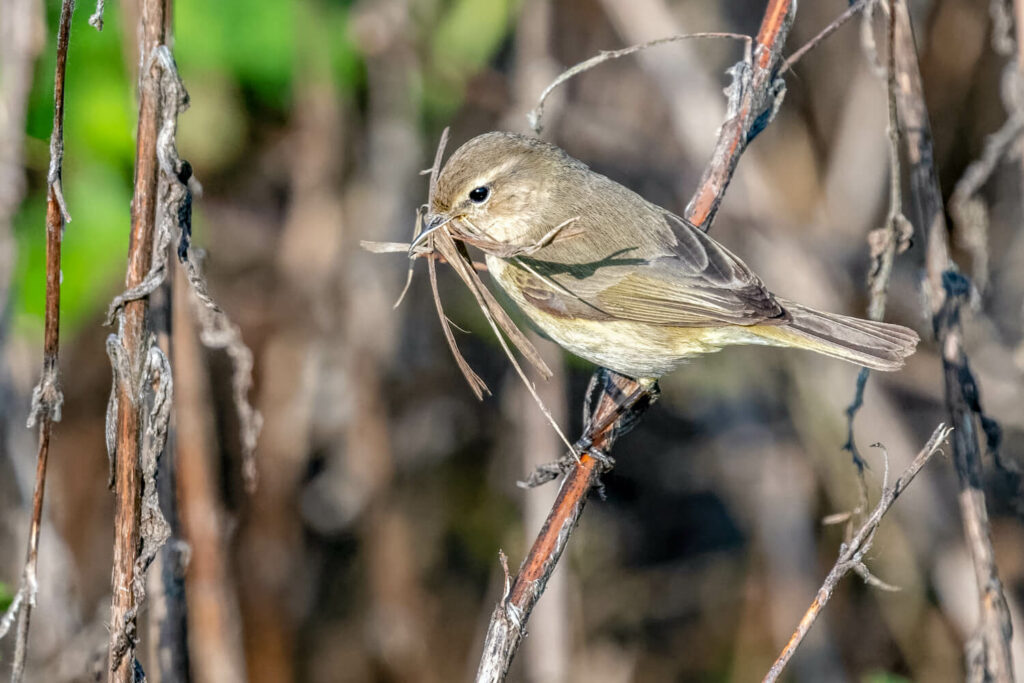
Chiffchaff
Chiffchaffs typically build their nests low to the ground, often hidden among dense vegetation such as brambles or nettles. The female constructs a domed nest using twigs and leaves and often lines it with feathers.
A female chiffchaff usually lays 5 to 6 eggs in each clutch, which she incubates for about 13 to 14 days. After the chicks hatch, both parents feed them, and the young birds fledge after 14 to 16 days.
Chiffchaffs may raise two broods in a single season. They generally do not use nest boxes, preferring to build their nests in natural habitats.
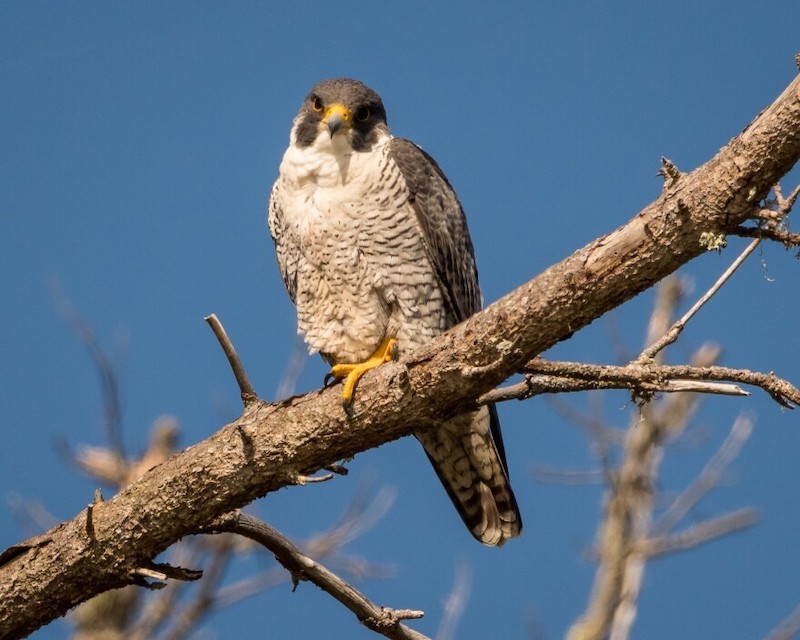
Peregrine Falcons
Peregrine falcons typically nest in late March and April, with incubation lasting about 32-35 days. Breeding season, which encompasses nesting and courtship, generally runs from March to September. Egg-laying usually begins in late March or early April, with the female laying 3-4 eggs over the following week.
Peregrines begin their courtship and territorial defence as early as January, with courtship intensifying in February and early March.
The female lays her first egg toward the end of March or early April, typically laying 3-4 eggs over the following week. Incubation begins once the penultimate egg is laid and lasts approximately 32-35 days.
The eggs hatch over two days, with the female handling most brooding and feeding responsibilities.
Water birds also have a fascinating range of nesting strategies.
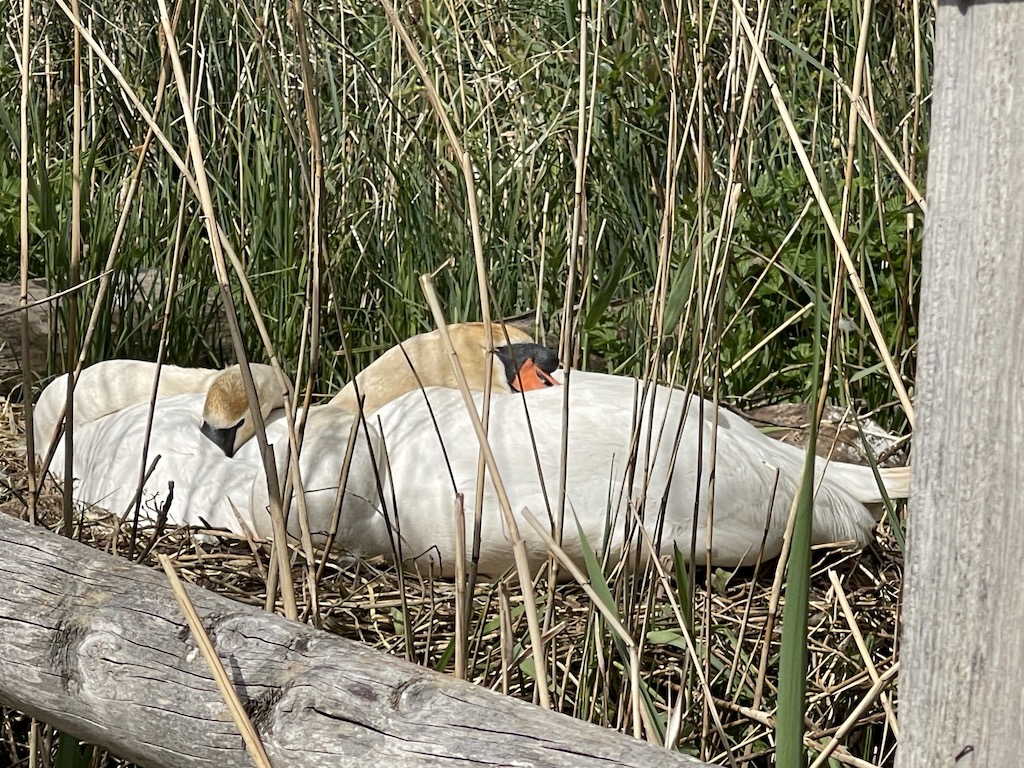
Swans
Swan nesting season typically occurs from spring to summer, with most breeding activities occurring between April and July. Swans form lifelong pair bonds and often return yearly to the same nesting site. They construct large nests near the water’s edge from reeds, twigs, and other vegetation.
The male and female swans work together to build their nests, creating large, platform-like structures that are sometimes rebuilt each year. Eggs are laid at two-day intervals, with a typical clutch consisting of 4 to 7 eggs. The incubation period lasts about 34 to 44 days.
After hatching, baby swans, known as cygnets, can walk and leave the nest shortly afterwards, though they stay with their parents for several months, often longer than 4 to 5 months. Swans can form pair bonds as early as two years old. Still, they usually reach breeding maturity around three years of age, or sometimes later if a suitable territory is available.
Swans prefer to nest in undisturbed areas near calm or still water. They may return to the same nesting site or nest each year. Spring weather conditions, food availability, and the presence of suitable territories can all influence the timing and success of swan nesting.
Coots
Coot nesting season generally lasts from March to July. Coots are monogamous and may attempt to nest multiple times, particularly if their initial attempts are unsuccessful.
As the breeding season approaches, usually in February or March, coots shift from flocking behaviour to establishing territories.
They construct their nests in shallow water, often on floating vegetation or tree stumps, using reeds, leaves, roots, and twigs. Coots typically lay between six and nine eggs. Both parents take turns incubating the eggs, starting after the second egg is laid. Coots can raise one to three broods in a single season.
Coot chicks are precocial and nidifugous, meaning they can walk and move shortly after hatching. However, they usually remain with their parents for some time before becoming fully independent.
Kingfishers
Kingfishers typically start their nesting season from late February to early March, with pairing and nest digging occurring during this time.
The first clutches of eggs are usually laid in April and May, and the chicks fledge in late May or early June. The breeding season can extend into July, with some pairs having multiple broods throughout the year.
Kingfishers begin pairing with mates around February, and they will start digging a tunnel in the riverbanks for their nest.
The first clutches of eggs are typically laid in late April and early May. Both parents incubate the eggs for around 3 weeks, and the chicks hatch in May or June. The chicks fledge (leave the nest) after about 3-4 weeks.
Kingfishers can have multiple broods throughout the breeding season, potentially up to three yearly.
Guillemots
Guillemots typically nest on steep, rocky cliffs and ledges along the coast, often in tightly packed colonies.
They prefer locations that protect them from predators, sometimes choosing isolated seastacks or island outcrops for their nests. Some colonies can host tens of thousands of birds, but each bird’s territory is relatively small, extending only a beak’s length around the nest.
As colonial breeders, guillemots nest in large groups, which can consist of thousands of individuals.
They do not construct elaborate nests; instead, they may lay their eggs directly on the ledge or create a simple nest using pebbles, seaweed, or other materials. The cliffs and narrow ledges offer protection from land-based predators.
The primary breeding season for guillemots typically runs from March to July, although it can extend into September. Once the chicks are about three weeks old, they may jump off the cliffs into the sea, where the parents will care for them until they can fend for themselves.
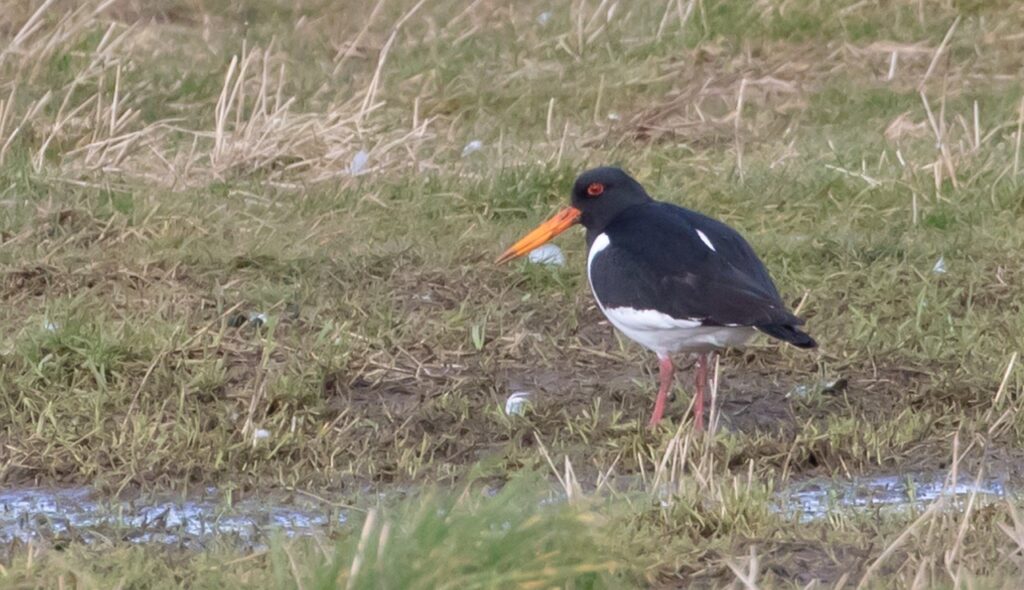
Oystercatchers.
Oystercatchers typically nest on the ground, often in short grassland or bare ground like shingle beaches. They often choose locations close to water where they can take their chicks. Nests are simple scrapes, sometimes lined, and may be located on roofs, flower beds, or fence posts.
Oystercatchers prefer locations with good visibility for predator detection and near water for chicks.
The nest is a shallow scrape, often lined with small amounts of local material. Oystercatchers are present in breeding areas from February to July, with nesting activity peaking in April and May.
They lay between 1 and 4 eggs, typically with glossy, dark specks or blotches. Incubation lasts around 24-27 days. Chicks are ground-nesting and can’t fly for the first 35 days.
Oystercatchers can live for up to 35 years.
Herring Gull
Herring gulls are commonly seen along coastlines and even in inland areas. They nest in colonies, often on cliffs, rooftops, or other elevated structures.
Nest building typically begins in early May, and the breeding season extends through summer. Herring gulls build their nests using straw, grass, twigs, and even paper or litter in urban areas.
These birds establish and defend their territories through threatening postures and attacks.
Eggs are usually laid from early May onward, with each clutch typically containing 2 to 4 eggs. Both parents incubate the eggs for approximately 25 to 30 days.
When the chicks hatch, they have open eyes and downy feathers and can walk within hours. Both parents feed the chicks by regurgitating food.
Young herring gulls usually fledge, or leave the nest, at around 5 to 6 weeks of age. After fledging, parents feed their young for several weeks, sometimes even months, especially if the young gulls beg for food.
Different types of birds begin nesting at various times throughout the year. Interestingly, even among the same species, older birds tend to start nesting earlier than younger ones. These more experienced birds spend less time searching for nesting sites, gathering materials, and finding mates. By starting their nesting activities earlier, older birds have enough time to raise two or three broods in a single season.
Which Birds Start Nesting The Latest?
In the UK, two groups of birds tend to nest later than others. The first group consists of seed-eating birds, such as finches, which delay their nesting until they can ensure a reliable food supply for their young.
The second group includes migratory birds that arrive in April or May and nest almost immediately upon arrival. These include swallows, swifts, and martins.
What’s The Best Way To Help Nesting Birds?
The best way to help nesting birds is to leave them undisturbed. In the UK, knowingly damaging or destroying an occupied bird’s nest is criminal. “Occupied” doesn’t just refer to nests with eggs or chicks; even disturbing a nest that’s being built counts as occupied.
During the nesting season, it’s essential to follow these guidelines:
Avoid Construction Work.
While it can be challenging, especially since the weather is usually best for building during the nesting season, it’s advisable to postpone construction activities until autumn. Birds often nest in artificial structures, so delaying work can be beneficial.
Avoid Cutting Back Trees and Hedges.
It’s best to wait until winter to trim trees and shrubs to prevent disease and plant harm. Cutting back too much foliage in the summer can also harm or kill the tree. Delaying pruning will also prevent disturbing nesting birds.
Keep Away from Suspected Nest Sites.
If you notice unusually high bird activity in a specific garden area, a potential nest site is likely. Avoid this area as much as possible to give the nesting birds the space they need to raise their young.
Be Cautious When Strimming
Many birds nest under bushes and in long grass, so exercise caution when using a strimmer.
Provide Food and Water.
Building nests, defending territory, and raising young can be energy-intensive for birds. You can help them conserve energy and support their nesting efforts by providing food and water sources.
By following these recommendations, you can contribute to the protection and well-being of nesting birds in your area.
When Do Birds Stop Nesting?
Most garden birds in the UK typically finish raising their last brood by the end of August. However, in mild autumns, some birds may go on to raise another brood, which can extend the nesting season until late October.
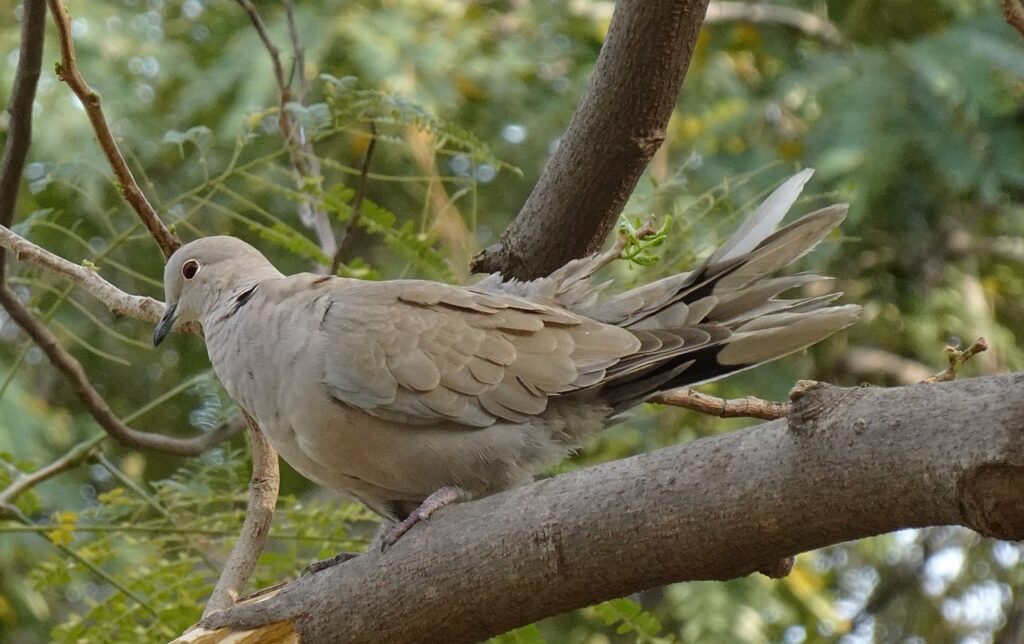
Wood Pigeons and Collared Doves
Collared doves, wood pigeons, and feral pigeons can nest anytime in favourable conditions.
This means enough food and a suitable, sheltered nesting site must be available. Unlike most garden birds, pigeons do not require this as they don’t depend on invertebrates to feed their young.
If you want to support our work
Please click on the Wildlife Matters Patreon Community.
Please click to join the Wildlife Matters Substack Community.
You can donate here.
Further Reading