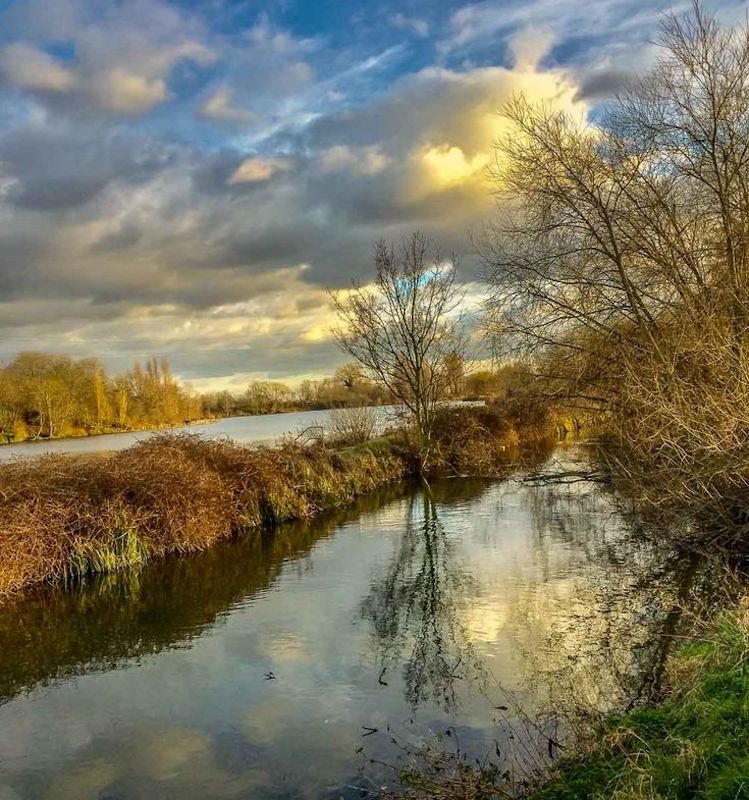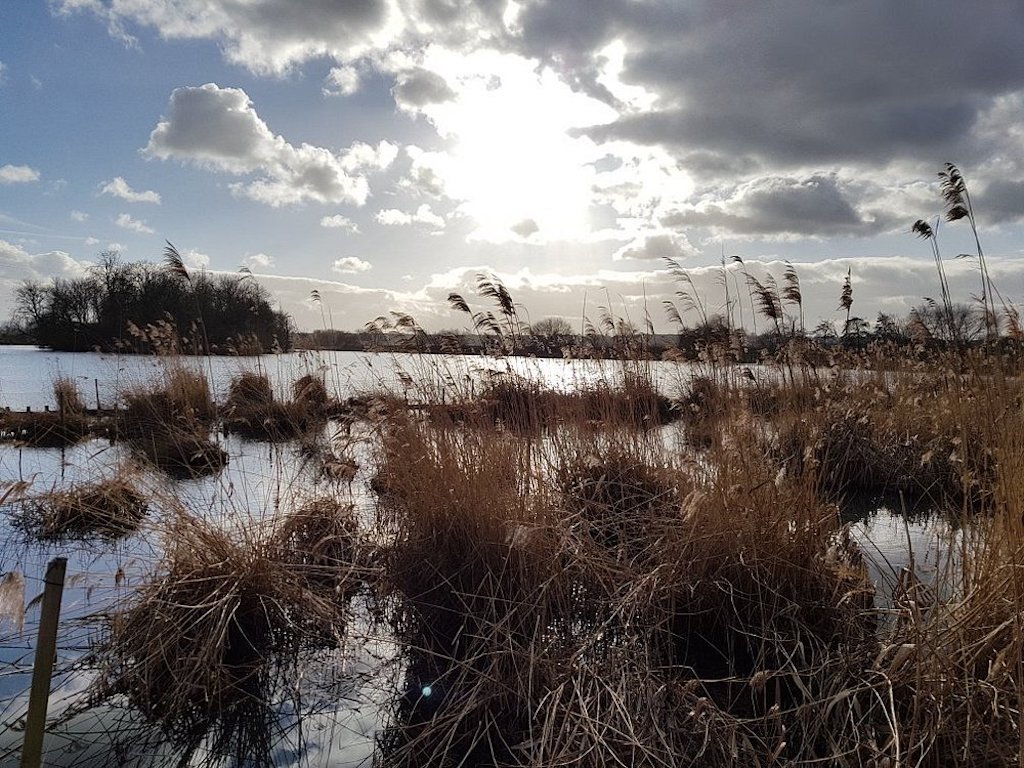
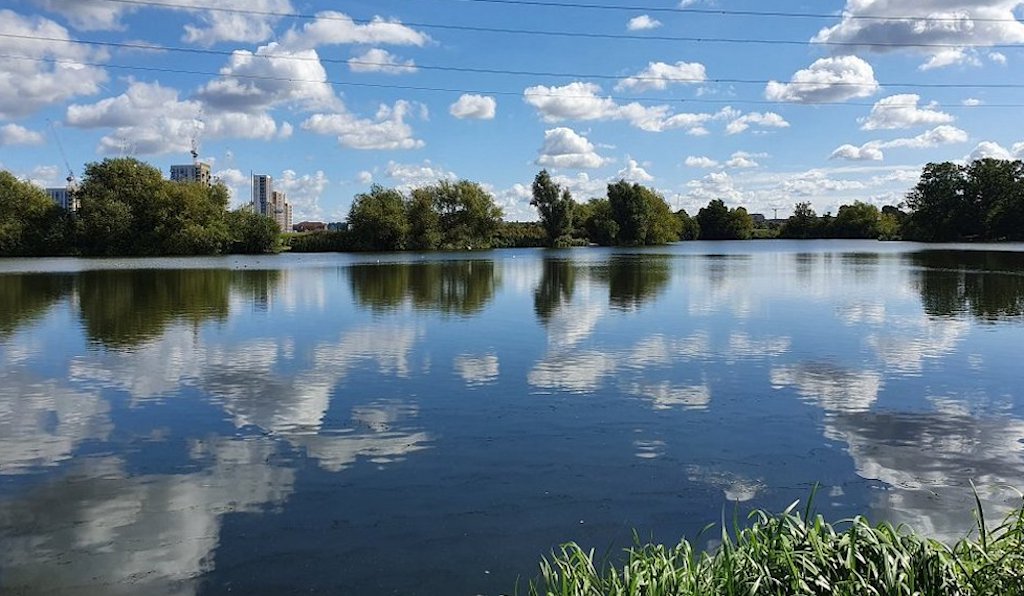
Wildlife Matters continues our quest to discover some of London’s wild places with a first visit to the wonderful Walthamstow Wetlands, a 211-hectare or 520-acre SSSI-protected nature space in East London.
The Walthamstow Wetlands Nature Reserve is adjacent to the River Lee and part of the Lee Valley SPA (Special Protection Area) in the London Borough of Waltham Forest.
It is focused on the Walthamstow Reservoirs, built by the East London Waterworks Company between 1853 and 1904 as part of the Lee Valley Reservoir Chain.
The site is one of Europe’s largest urban wetland nature reserves, protected under the Convention on Wetlands (Ramsar Convention). It is particularly important for wildlife due to its position within the Lee Valley.
Walthamstow Wetlands is not just a place; it’s a vibrant ecosystem. It’s a byway for migrating, wintering and breeding birds, a fantastic range of aquatic plants and creatures, and some of Britain’s most iconic mammals.
The site is owned by Thames Water and managed by the London Wildlife Trust. The ten reservoirs provide drinking water to around 3.5 million people in London.
The Walthamstow Wetlands are easily accessible by public transport with two London underground tube stations, Tottenham Hale and Blackhorse Road, within a 10-minute walk. It is also served by bus routes 123 and 230 on Forest Road, with bus stops located on either side of the road, just a five-minute walk away. There are numerous other bus routes from Tottenham Hale.
Paid parking is available at the reserve; see on-site signage for payment information. The site features a range of facilities, including a Visitor Centre, Toilets, Accessible Toilets, a Shop, a Cafe, Picnic Areas, Baby changing facilities, and Disabled parking.
The Walthamstow Wetlands are free to enter and are open daily, except on Christmas and Boxing Day. The opening times are as follows: October to March, 9:30 am – 4:00 pm, and April to September, 9:30 am – 5:00 pm.
I have always enjoyed visiting London, especially the East End, as my family’s origins are rooted in Greenwich.
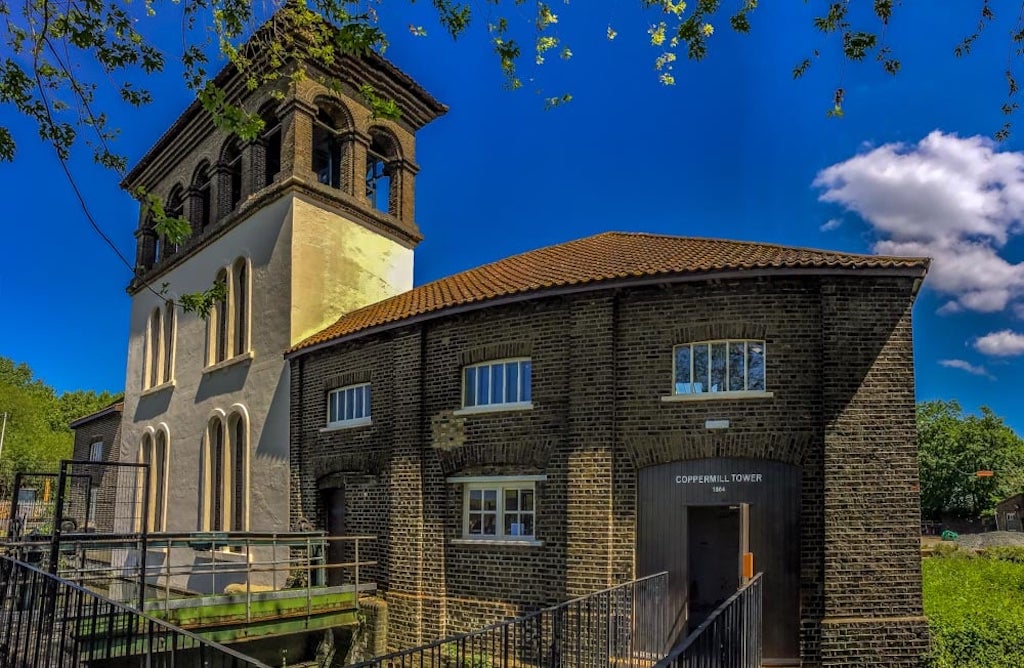
I arrived by train at St James Street station. I walked along Coppermill Lane, arriving at the Coppermill Lane Entrance a few minutes later.
With a Nature Reserve on this scale, with over thirteen miles of paths, I had already decided to make more than one visit and focus my first visit on exploring the first reservoirs developed on marshland that adjoined the River Lea between 1863 and 1904.
By 1863, the first stage of reservoir development was completed with the construction of Reservoirs Nos. 1, 2, and 3.
Collectively, they occupied just under 18 hectares of land and were all hand-dug by teams of ‘navvies’. In 1866, drought and severe water quality issues led to a cholera epidemic, which triggered the second phase of construction. Reservoirs Nos. 4 and 5 were added, and that is where we will begin our adventures today.
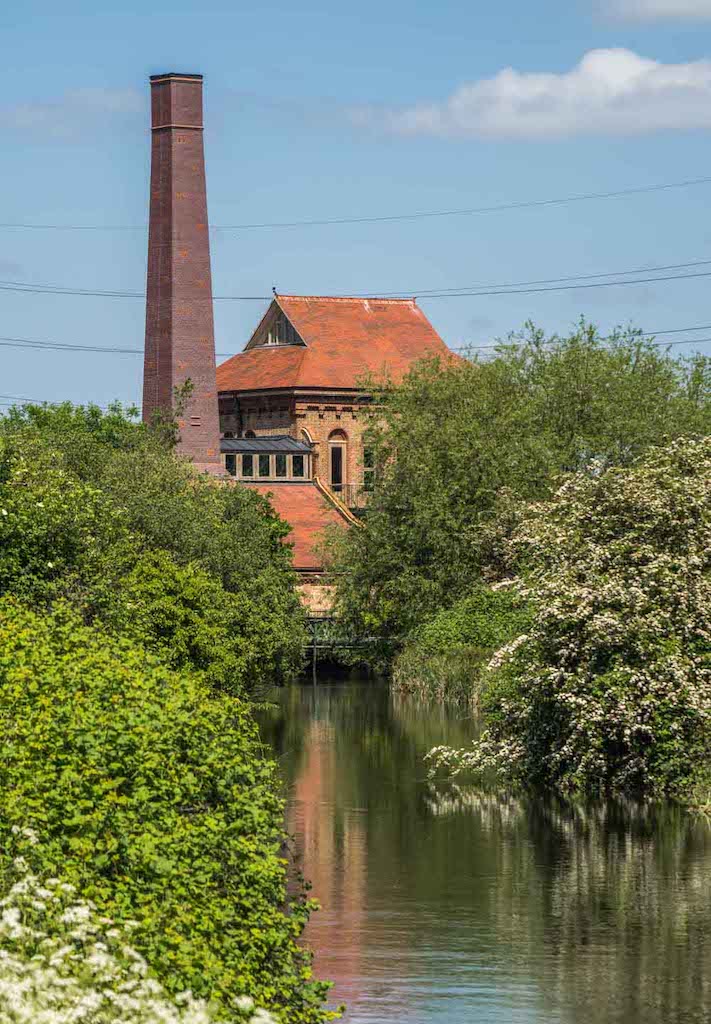
Of course, we are here to enjoy the wildlife and the natural surroundings. Still, before that, it’s time to take a look around the Coppermill Tower, which has been the site of a water mill since the Domesday Book (1086 C.E.), producing gunpowder, paper, leather, and, most recently, copper.
The Coppermill building is Grade II Listed and has undergone several alterations over the centuries, including the addition of an Italianate tower in 1864.
The mill at Walthamstow has been mentioned several times throughout historical records. In the 14th century, the mill was powered by the Coppermill Stream that diverted from the River Lea for use in grinding corn.
In 1611, four mills were mentioned in association with the Manor of Walthamstow.
Between 1659 and 1703, the mill was reportedly used as a paper mill, with the adjacent stream referred to as the Paper Mill River.
However, in 1699, the adjacent marshes were referred to as Powder Mill Marsh, which raises questions about the use of the mill and suggests that it may have been used in the production of gunpowder during the English Civil War, between 1642 and 1651.
Several gunpowder mills operated in the Lower Lee Valley, suggesting that the mill may have been used for gunpowder production during this time.
Accounts from 1703 to 1718 record the mill being used as a leather mill; the mill was described as an ‘oyl mill’ until 1806 when it was rebuilt and purchased by the British Copper Company in 1808.
The barge brought smelted copper to the mill by boat from Landore, near Swansea, via the River Thames.
The copper ingots were used to produce penny and halfpenny coins. Production of copper ceased in 1857, and in 1859, the mill was purchased by the East London Waterworks Company, which modified it to drive a water pump, thereby assisting in the construction of the reservoirs.
Today, the Coppermill serves as an operational hub for Thames Water, and it features a viewing tower that offers a panoramic view of the Walthamstow Wetlands.
The London Wildlife Trust carried out a £10.6m scheme to renovate the Walthamstow Wetlands in partnership with Thames Water and the Waltham Forest Council. In October 2017, the site was opened to the public for the first time in 150 years.
It helps to have an idea of what you want to explore, as the Walthamstow Reservoirs complex comprises a mix of raised and sunken reservoirs, owned and managed by Thames Water. Their primary purpose is to supply Londoners with drinking water.
You will find ten reservoirs on the site, with the first numbered between 1 and 5 and the others all being named reservoirs, which are Lockwood, High Maynard, Low Maynard, East Warwick and West Warwick, in addition to several islands and the largest Heronry in London.
It is challenging to describe the scale of this site, which features over 13 miles of paths to explore across its entire area. Due to its location within the Lee Valley, the site serves as a byway for migrating, wintering, and breeding birds.
From waders to warblers, with a low-cost pair of binoculars, you can see a wide range of species and witness the critical part Walthamstow Wetlands plays in the capital’s ecological diversity.
There are four entrances to the park, all of which are well-served by local tube stations. Tottenham Hale is a seven-minute walk away, while Blackhorse Road is just ten minutes away. Door-to-door, it’s under thirty minutes from Oxford Street.
There’s also a neat café and visitors’ centre located within the Engine House.
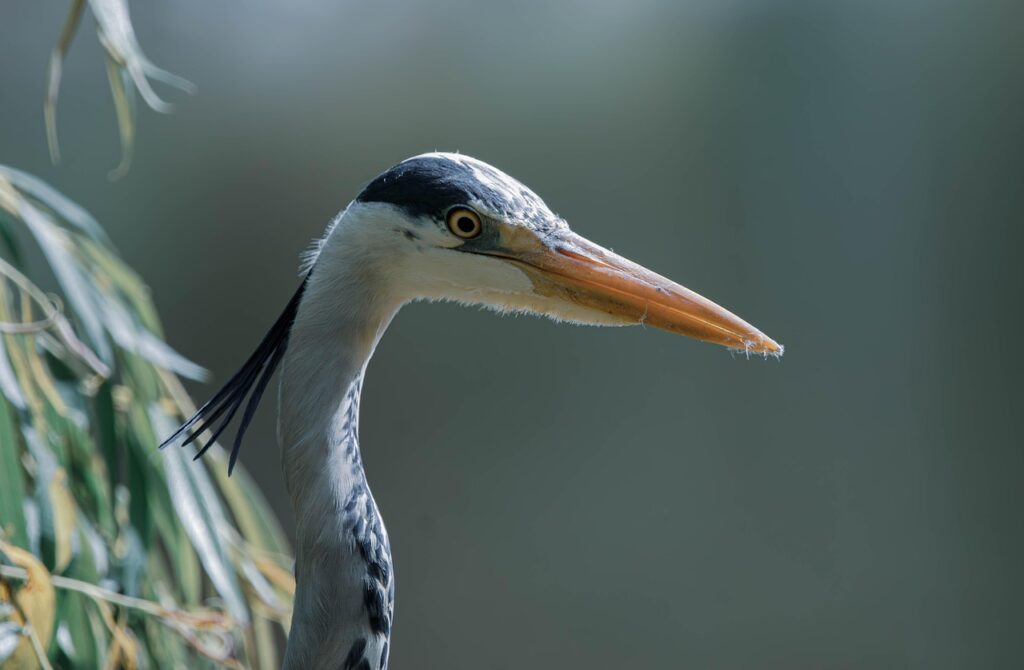
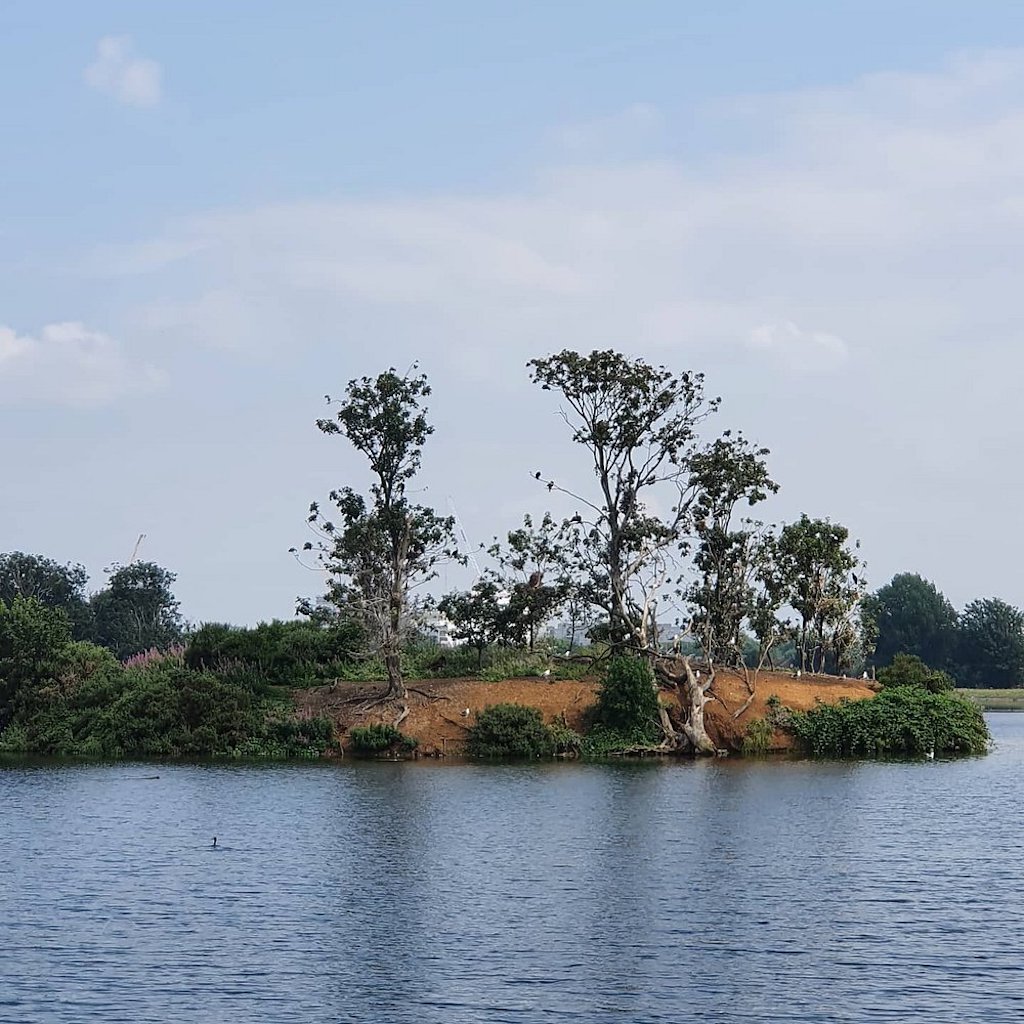
Walthamstow Wetlands is essential to the breeding population of grey herons, with the wooded islands on the No. 1 reservoir being the location of the famous Heronry, which is one of the largest heronries in the whole of the UK.
Watching the Grey Herons is captivating, as they are one of the largest birds you will see in the UK, with a wingspan of around 1.8 metres or six feet.
Herons are social birds during the nesting season, with most of them nesting in trees between 10 and 25 meters high. In Walthamstow, it’s common to find as many as ten nests in a single tree on the island.
The British Trust for Ornithology (BTO) has been conducting an annual count of heron nests in the UK for nearly 100 years, starting in 1928.
Currently, the largest heronry in Britain is located at the RSPB’s Northward Hill reserve in Kent. However, before the BTO survey, a heronry in Brede, Sussex, was reported to have over four hundred nests in 1866.
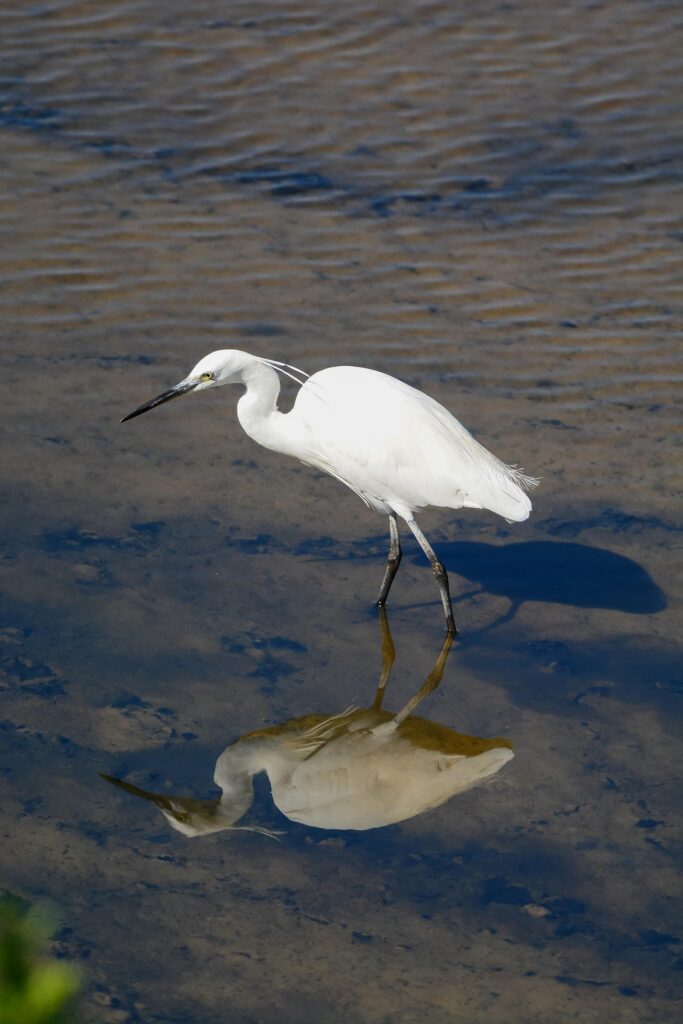
You can increasingly spot little egrets, a small white heron species, nesting in Walthamstow and many other heronries across Britain.
Once considered a rare or occasional visitor to the southern UK, little egrets have become a more common sight since 1996, particularly in the coastal regions, rivers, and lakes.
Another large bird species you’ll often encounter in Walthamstow is the cormorant. These diving birds are characterised by their dark feathers and long, thin, hooked bills.
Cormorants primarily feed on fish and are exceptional divers. They are fascinating to watch as they swim swiftly beneath the water’s surface in search of food, leaving a trail of small air bubbles— the only indication from above of where the cormorant is likely to resurface.
They are best known for perching on trees or rocks with their wings outstretched. Contrary to what many people say, cormorant feathers are not waterproof, but this statement is misleading.
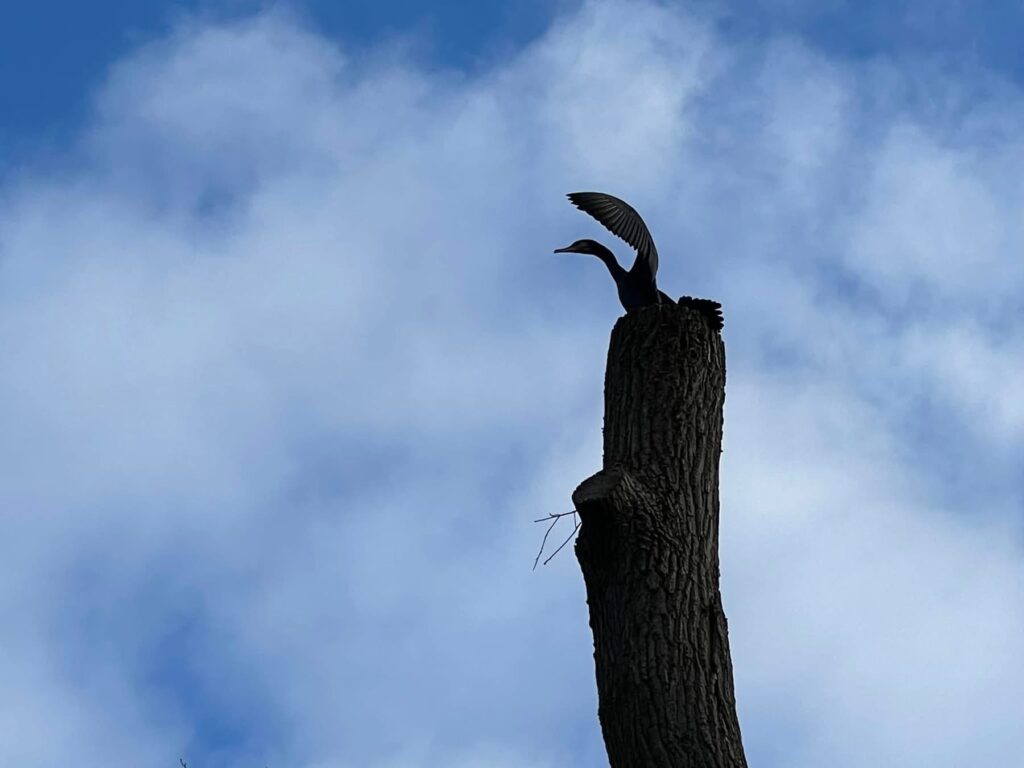
Cormorants possess an oil gland that helps waterproof their feathers, but it is not nearly as effective as that of most water birds. As a result, their feathers can become waterlogged, necessitating drying time between dives to protect them from the cold.
The former heronry on the island in Reservoir Five is now home to one of the largest cormorant populations in the United Kingdom.
We are here in late spring when nature is bursting with new life and vibrant colours, and I have seen both Sand Martin and Swift, which have returned to the UK to breed, while the Kingfisher busily darts from perch to water as it feeds its new family in a nearby bank.
The site is covered with Horsetail and Marsh Horsetail alongside patches of Cuckooflower, Garlic Mustard, Wild Garlic, and Comfrey. Orange-tip and Peacock Butterflies are on the wing, and if you’re lucky, you might hear the ‘plop’ of a Water Vole as it enters the water from the safety of the verdant reeds along the bank.
The signs of summer are emerging, with Creeping Marshwort already blooming in the scrape, and Meadowsweet is plentiful around the edges, while Yellow and Purple Loosestrife stand out in the links between the reservoirs.
There is a diverse array of marshland grasses, sedges, and herbs that I wish I could describe in more detail to you, but then I spot Kestrels who are busy mobbing a Red Kite that I think has gone too close to the Kestrel’ nest in one of the nearby trees.
This is unusual behaviour for a Kestrel, but all species will protect their young from predators, even when faced with them. This Kestrel pair is working hard together to drive the Red Kite away, and after several minutes of relentless attack, they succeed. The Red Kite moves away on the thermals above the reservoir to continue looking for shrews, mice, and voles.
Over on the electrical pylon sits a Peregrine Falcon. It is keeping a watchful eye for its supper, but right now it is happy to remain perched high above the lake. Here, on the wildflowers in the borders, I have seen Carder bees.
It is hard to believe you are in London as this is such a naturally abundant and beautiful place to be, and it retains an all-year-round interest for nature lovers.
I would like to return in late autumn and early winter to observe the site through the seasons, when I believe the Red Poll cattle visit to help control the vegetation, herbs, and wildflowers.
There are good populations of Marsh, Reed, and Sedge warblers, along with Long-tailed Tits, all feasting on the autumn harvests until the colour fades as we slip into the dormancy of winter, and the wild residents, such as invertebrates and bird species, seek refuge from the cold weather.
In winter, the water levels rise, filling the temporary drains and ephemeral ponds that traverse the marshes, creating a paradise for wading birds.
Now, in the early summer, what can be seen at Walthamstow Wetlands?
I’ve watched the Sand Martins today as they dance through the skies above the crystal-clear waters of the reservoirs, catching an array of invertebrates, most of which will have a water-based stage in their life processes.
I have said many times that I am not a birder. Still, Sand Martins have a distinctive dark brown upper body and wings, with a contrasting pale, almost cream underpart and a white patch on the throat area, accompanied by a distinct chest stripe, which I am told is more pronounced on male birds. Still, I’m not sure I could reliably identify the sexes on the wing.
Sand Martins are the smallest members of the European swallow family and travel an incredible 4,000 miles from their winter base in Africa to the UK for breeding.
As I sit and watch, around ten to fifteen Sand Martins are perched high above me on a cable from a pylon, but it is the noise that attracts me.
A series of loud and shrill alarm calls filled the air as the Sand Martins responded to a passing Carrion Crow, which continued on its course across the reservoir as it tried to ignore the cacophony from the gathered Sand Martins.
Once the Carrion Crow has passed, the Sand Martins assemble on the cables strung between the pylons and begin to chatter in an almost conversational twitter amongst themselves. The sound is so different from the alarm calls that had just moments ago.
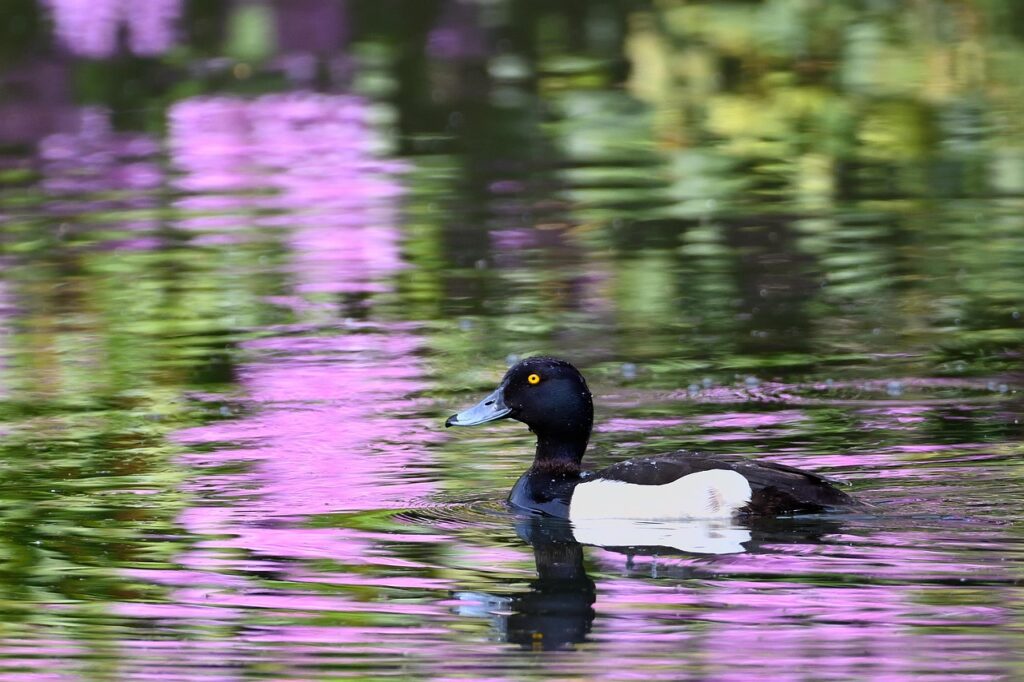
Turning my attention to the water, I can see that Tufted Ducks are medium-sized diving ducks commonly found throughout the UK and across northern Europe.
Males are characterised by a distinctive tuft of feathers on the back of their heads and their striking black and white plumage, while females are predominantly brown with paler flanks.
Tufted Ducks are diving specialists that can reach surprising depths as they search for molluscs, particularly mussels, and aquatic insects, which are their main diet. Tufted Ducks do not mate for life; instead, they form new pair bonds each breeding season. They usually pair up in winter or early spring before the breeding season starts.
Males perform courtship displays to attract females, although they are generally quieter than other duck species.
Once paired, the female assumes all incubation duties while the male remains nearby during the early stages to guard the territory. The nesting period typically occurs between April and June in the UK, during which females lay 8 to 11 eggs that hatch in approximately 25 to 32 days.
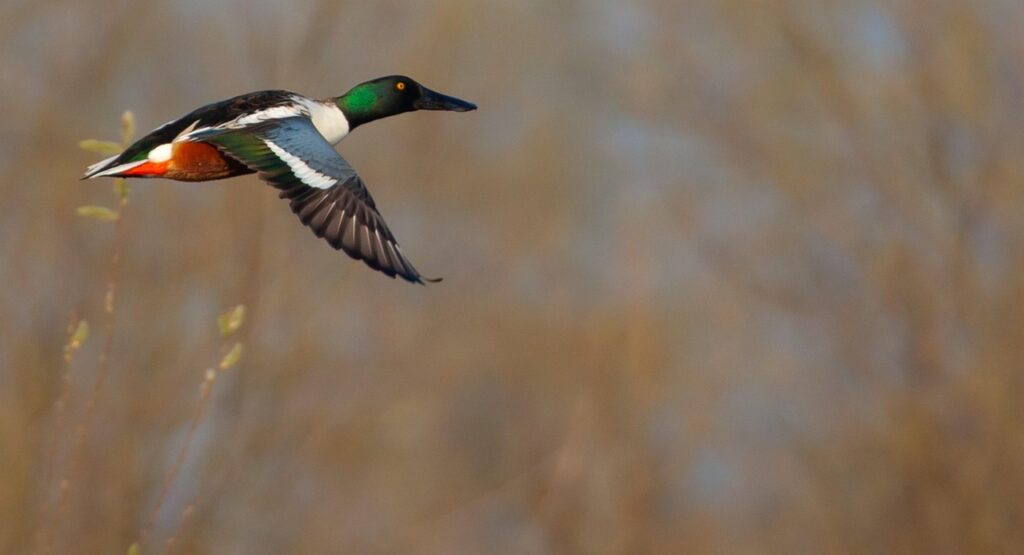
The next duck species I see on the water is the Shoveler, or more correctly, the Northern Shoveler duck, which is very different from the Tufted Duck in that it is a surface feeder.
Even for a non-birder, Shovelers are easily recognised by their large, spoon-shaped bills, which are perfect for surface feeding.
Like many duck species, it is the males that boast a striking appearance, characterised by dark green heads, contrasting white breasts, and chestnut sides.
Females, on the other hand, display mottled brown plumage, but both genders exhibit distinctive light blue and green patches on their wings when in flight.
Outside the breeding season, male Shovelers will transform their appearance to become more camouflaged, taking on mottled brown ‘eclipse’ plumage similar to the females.
Shovelers have a specialised diet, primarily feeding on small insects and plant matter, which they skillfully sift from the water’s surface using their large, spoon-shaped bills.
Shovelers are predominantly found in southern and eastern England, with smaller populations in Scotland and western England. They favour habitats such as marine and intertidal zones, wetlands, and grasslands.
During winter, UK breeding birds migrate south, and their numbers are bolstered by an influx of Shovelers from continental Europe. This migratory pattern ensures a constant presence of these birds in the UK throughout the year.
The Shoveler’s call is a unique aspect of their identity. Males produce a clucking sound, while females have a very loud quack that is quite distinct from other duck species. These calls play a crucial role in their social interactions, especially during the breeding season.
With my limited bird knowledge, I hope to find a variety of duck species that are all different, and the Gadwall meets this criterion.
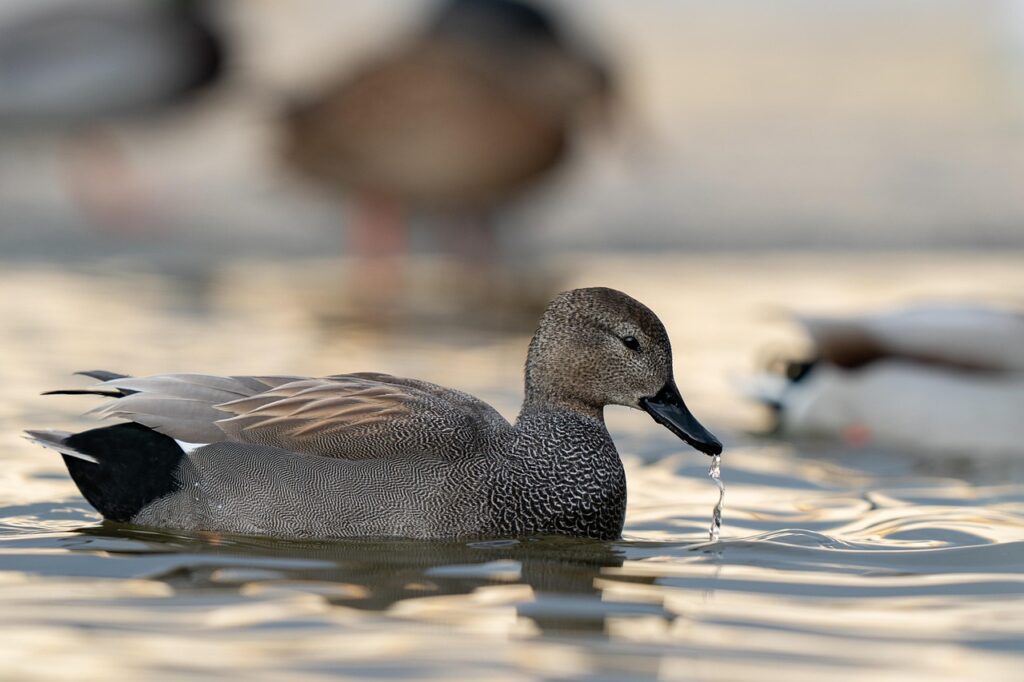
The Gadwall is a captivating dabbling duck known for its subtle yet graceful appearance. Unlike its more colourful waterfowl relatives, the Gadwall’s understated grey plumage often causes it to be overlooked.
However, this medium-sized duck has unique features, including its impressive ability to dive underwater more effectively than other dabbling ducks. Gadwalls have developed feeding strategies that set them apart from other waterfowl.
They are primarily herbivorous, feeding mainly on aquatic plants, including stems, leaves, and seeds. They show great adaptability in their feeding habits, sometimes even stealing food from diving birds—a behaviour called kleptoparasitism.
During the breeding season, they incorporate small molluscs and insects into their plant-based diet, providing extra protein for successful breeding. This dietary flexibility helps them flourish in various wetland habitats.
Their feeding method usually involves dabbling on the water’s surface or upending in shallow water to access submerged vegetation. Unlike most dabbling ducks, Gadwalls can also dive to find food in deeper waters when needed.
Gadwalls are among the few duck species known to be largely monogamous, often pairing with the same mate across multiple breeding seasons.
This behaviour boosts their breeding success and helps sustain stable populations. During courtship, males perform elaborate displays, including whistling calls and specific flight patterns.
The pair bond typically forms during winter, well before the breeding season begins, allowing pairs to coordinate their breeding efforts effectively.
As the afternoon sun begins to set, it’s a good moment to conclude the first part of our visit to the remarkable,
Walthamstow Wetlands in East London.
We will return to explore the named reservoirs in a future episode of the Wildlife Matters podcast.
If you enjoyed this blog, please check out more of our wildlife blogs here, or you may prefer to listen to the Wildlife Matters Podcast here.
If you want to support our work
Please click on the Wildlife Matters Patreon Community.
Please click to join the Wildlife Matters Substack Community.
You can donate here.
Further Reading
London Wildlife Trust Walthamstow Wetlands