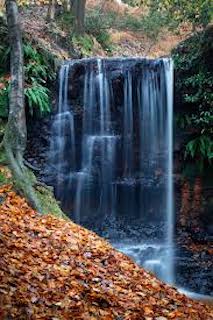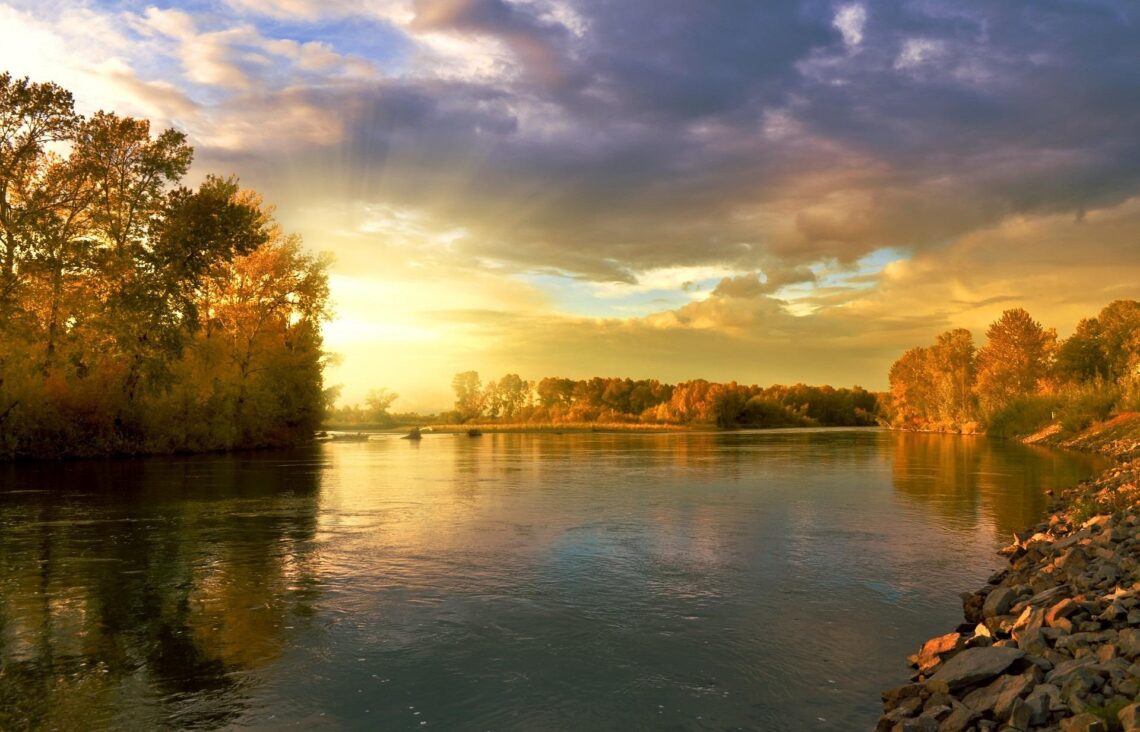
To celebrate the Autumn Equinox, we held a storytelling special deep in the heart of the dark wood, joined by a live audience who took their places around the bonfire as we shared nature-based tales from folklore, given a modern twist by the Storyteller.
Our first story of the evening was a classic English nature folk story called The King and Queen of Birds. So if you are ready, then let us begin, The King and Queen of Birds.
The King and Queen of Birds
As the sun rose, golden light filled the woodland, touching every leaf and mossy branch with the promise of spring.
Birds of all kinds moved through the trees. Robins sang their morning songs, blackbirds hopped from branch to branch, and woodpeckers tapped out rhythms that echoed above.
The air was full of chatter, laughter, and the lively arguments of neighbours competing for the best nesting spots.
But this morning was different.
Excitement filled the treetops, and everyone wondered the same thing: Who would become king and queen before the day ended?
It started the week before, after a loud and busy meeting of the bird council. There was a lot of noise and flapping, and from all the excitement came a bold idea: a contest to pick the next rulers of the woodland skies.
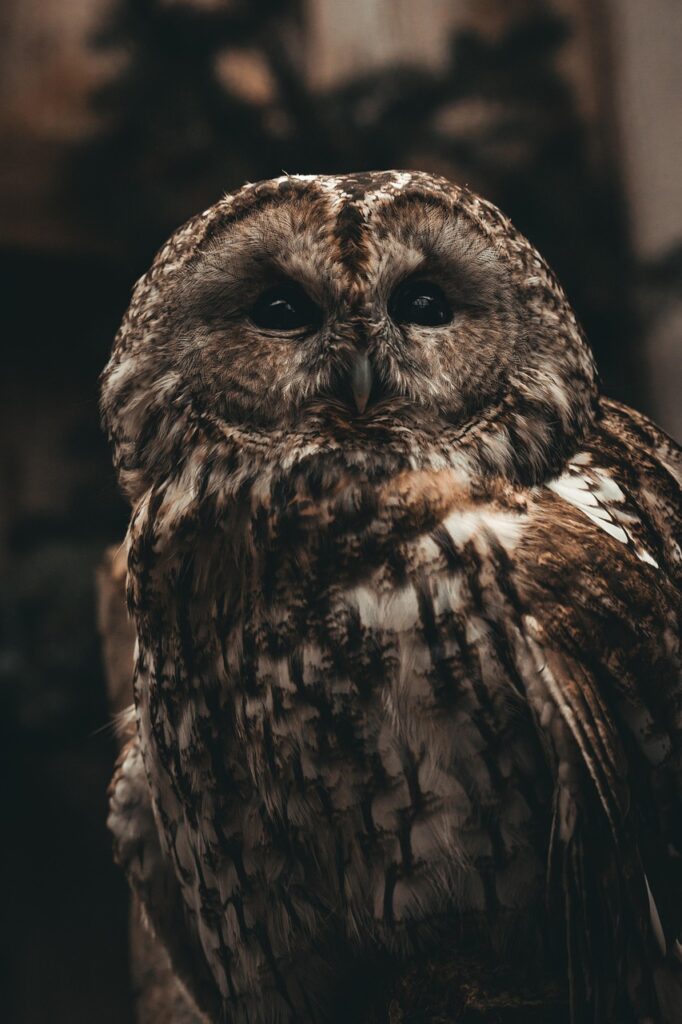
It was the wise old owl who finally spoke, his voice soft but commanding. “Let the birds who soar the highest be our king and queen,” he proclaimed, and all agreed this was a fair and noble challenge.
On the chosen morning, as sunlight shone through the trees, every bird gathered at the edge of the woodland.
Sparrows talked with full bellies, robins cleaned their beaks, and buzzards stretched their wings, ready for the contest. It was a colourful and lively scene, full of excitement and hope.
Soon, every kind of bird lined up at the starting line. The collared doves cooed proudly, ready to start the race, while the wood pigeons walked around making sure everyone was prepared.
Excitement filled the air as the crowd stretched their necks and the collared doves stood on the special branch.
With grand ceremony, they counted down from ten, their voices echoing through the leaves. At last, they called out three times, “Get set! Ready! Go!” just as doves and pigeons always do.
Everyone smiled, knowing doves and pigeons love to repeat themselves. Suddenly, the woodland burst into action.
Wings beat the air as birds took off, startling mice who ran from their hiding places to watch. Birds of all shapes and colours flew upward, their swirling flight blocking the morning light and casting moving shadows on the ground.
Sparrows flew up quickly, their wings moving so fast they were a blur as they passed the robins. The robins’ cheeks turned almost as red as their chests from the effort. All the birds soared higher, chasing the sunlight and hoping to win.
Soon, tired wings started to slow down. Above the sparrows and robins, starlings shone in the sunlight, their feathers a blue-green. Even higher, magpies flew, their black-and-white feathers shining with hidden colours.
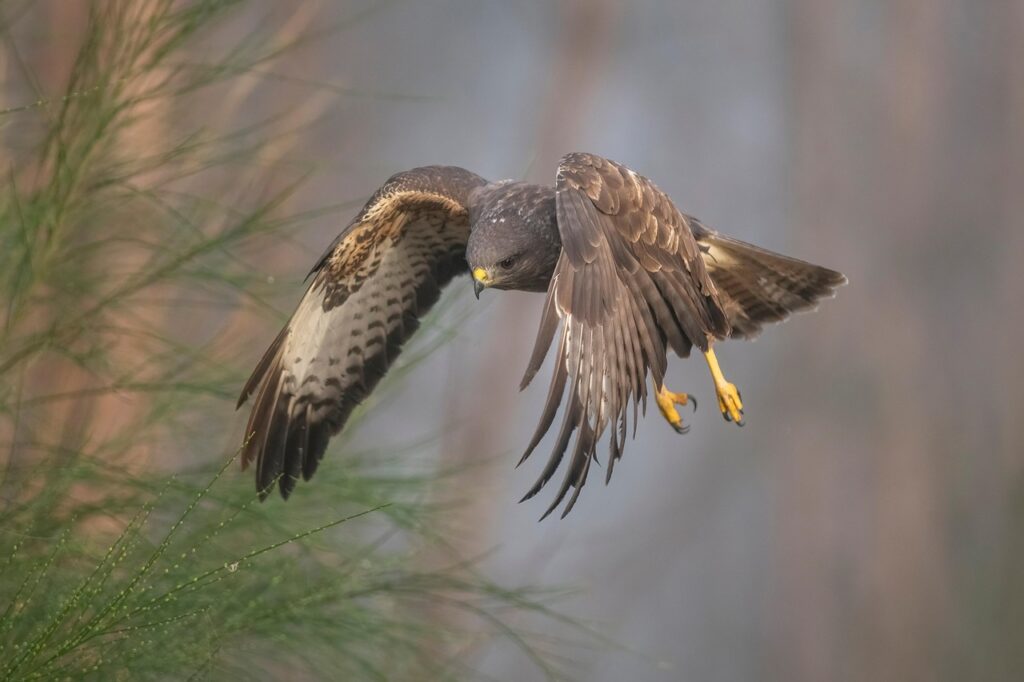
But it was the buzzards and red kites that flew the highest, gliding on warm air currents in slow, graceful circles.
They climbed higher and higher, as if they were going up a staircase made of wind and sunlight before falling earthward with tired gasps. The squawks of seagulls and caws of jackdaws rang out in defeat as they, too, had been bested by the dizzying ascent.
After almost an hour, only a few birds were left, flying so high they looked like tiny dots in the sky. The crowd below squinted and shared binoculars, eager to see everything.
As the birds climbed higher, the air became colder and thinner. One by one, even the strong buzzards and kites gave up and glided back down, while the crowd watched in amazement and noticed a few brave birds still flying above.
The wise owls gave their signal with a hoot.
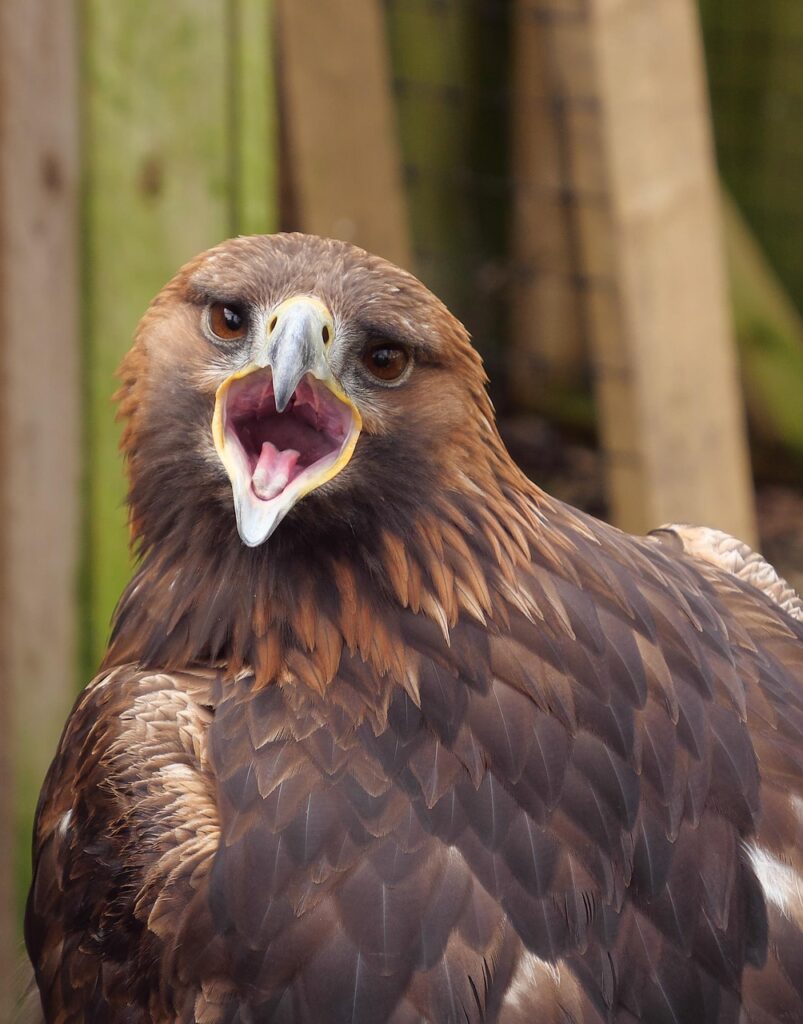
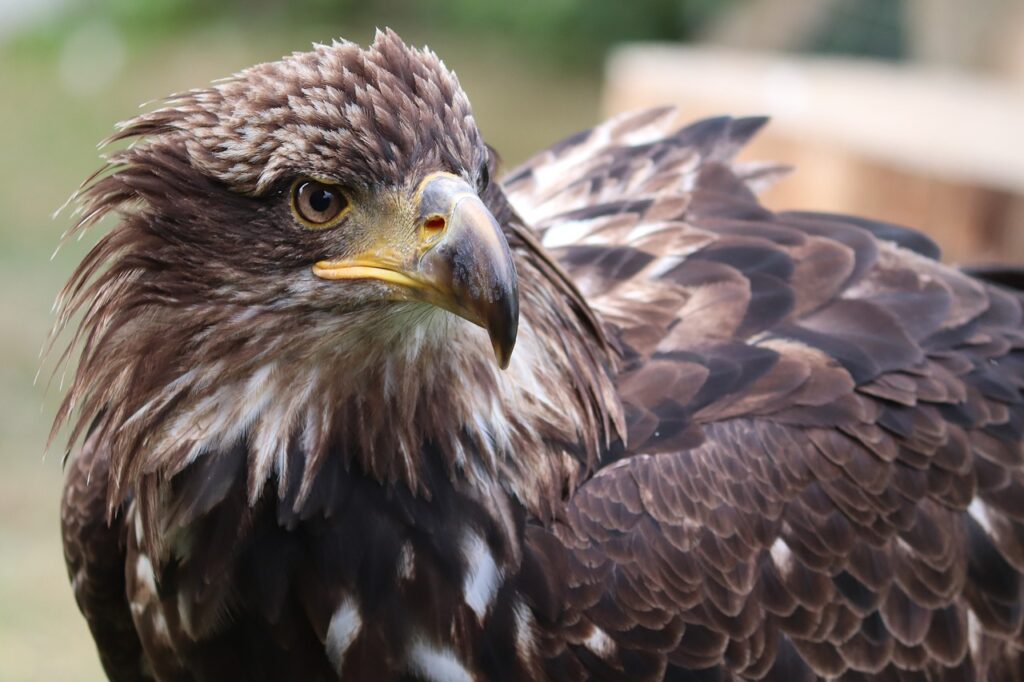
Everyone looked up, and with sharp eyes, they spotted the last birds flying: golden eagles, circling high and proud.
The eagles looked at each other with pride, already grooming themselves and celebrating. They believed the crown of king and queen would finally be theirs, a title they thought they deserved.
But before the eagles could finish celebrating, a loud, happy chirp was heard.
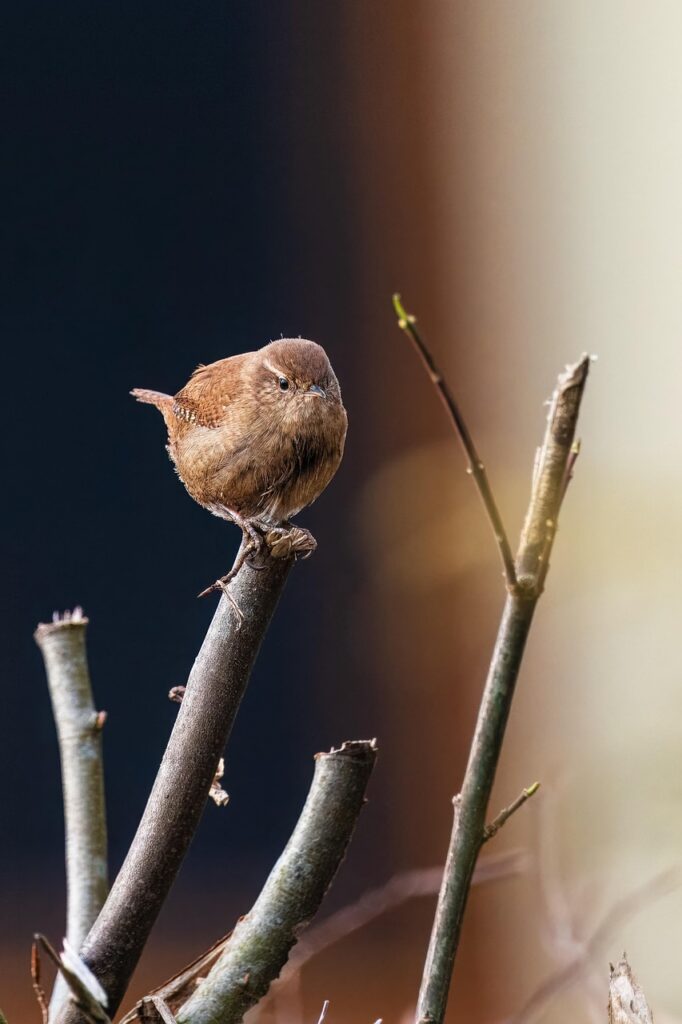
Two tiny wrens, hidden in the eagles’ golden feathers, suddenly flew out and soared even higher. With quick, clever wings, they flew above the surprised eagles and claimed the sky for themselves.
The wrens won, becoming King and Queen of the Woodland because of their cleverness and bravery.
The shocked eagles chased after them, making the wrens tumble through the air. Down they fell, spinning as they went.
The crowd held its breath as the wrens tumbled past the eagles and crashed onto the hill in the centre of the woodland. Dust rose in the air. For a moment, everything was quiet.
Then the birds cheered as the wrens stood up, a little dizzy but proud, their tiny tails pointing up to the sky. The Wren’s supporters burst into celebration; the clever wrens had become the woodland’s first true king and queen.
It was not size or strength, but cleverness and courage that helped the wrens win. By outsmarting birds much bigger than themselves, they showed everyone in the woodland that every creature can have a chance to shine.
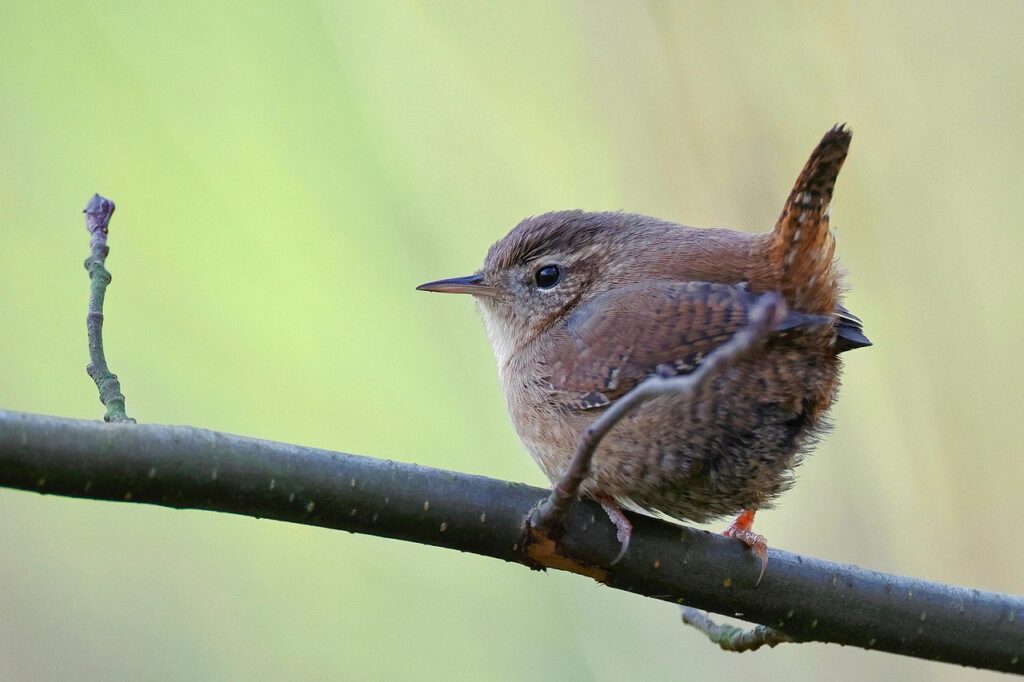
And that, my friends, is why the wren’s tail still points to the sky. It reminds us, hidden in every little bird’s feathers, that even the smallest can reach great heights.
Our Main story tonight is a classic folk tale of two brothers from the borderlands between England and Scotland who both sought a new future and fortune. Still, their different attitudes made a big difference to the outcomes, so if you are ready, please join us for our main story tonight, which is:
The Lad Who Herded Hares
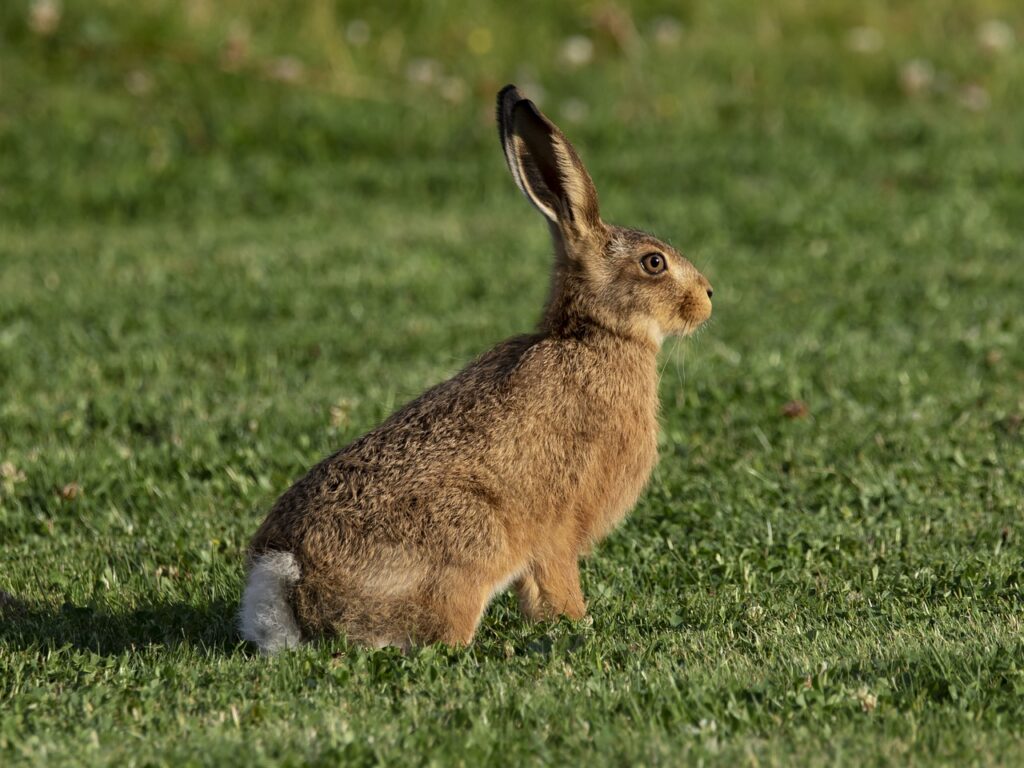
On a windswept hill where Scotland meets England, a small stone cottage stood, looking out over the wild borderlands.
Inside, a widowed woman and her two sons struggled through hard times. Work was scarce, and despite her efforts, there was often little food on the table.
Some nights, hunger kept her awake as she cried softly, her tears wetting the pillow until she finally fell asleep.
As her sons got older, they went into the woods to hunt for food, helping to lighten their mother’s load.
One son helped the farmer bring the cows back to the farm each evening, and the other helped take them out every morning.
The farmer understood the widow’s struggles and paid her sons well for their help. They often came home with fresh vegetables as a reward.
One day, the oldest son, John, told his mother he was ready to leave home and look for his fortune in the world.
His mother sighed, knowing that children grow up and leave home sooner or later.
With a heavy heart, she said, “Okay, John, but before you go, take this sieve and old cracked bowl to the stream. I’ll bake you a Bannock bread as big as the water you bring back.”
John grabbed the sieve and bowl, feeling frustrated. He wondered why he had to do chores when adventure was waiting beyond the hill.
At the stream, he dipped the sieve, but the water slipped right through and disappeared as fast as it came.
He tried the bowl next, filling it to the brim, but as he lifted it, water leaked out through the cracks, leaving him with nothing.
Frustrated, John stomped the ground. “How can I fetch water with these? Useless! This is all my mother’s fault!”
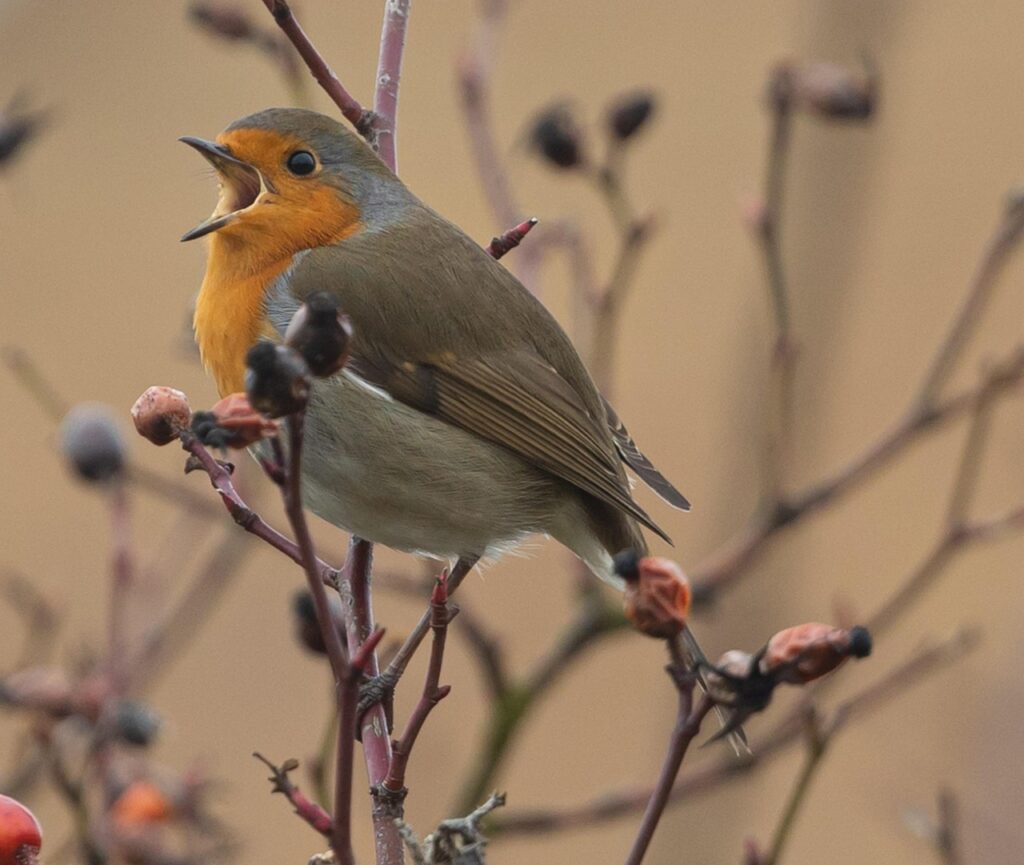
Meanwhile, a bird sang from a nearby branch. John usually ignored it, but this time, its song caught his attention for a moment:
Plug it with moss and clog it with clay.
And then you will carry the water away.
Plug it with moss and clog it with clay.
And then you will carry the water away.
Plug it with moss and clog it with clay.
And then you will carry the water away.
The bird kept singing, but John lost his patience. “Go away, silly bird! I won’t listen to you. What could you possibly know?” The bird flew away.
All morning, John struggled with the impossible task, growing more annoyed with each failure. By midday, he had refilled the bowl and run home, eager to finish.
John was quick, faster than most kids at school. Holding the bowl tightly in both hands, he ran up the hill to the cottage.
When he got home, he burst through the door and handed the bowl to his mother. “Here’s your water. It was a waste of time! Bake my Bannock so I can leave.” She looked at the bowl. Only a few drops were left at the bottom, and the sieve was inside.
She kept her word to John and baked him a bannock, just like she promised.
With barely a splash of water to spare, the Bannock turned out no bigger than a peanut. She tucked in a spoonful of jam, wrapped it up, and called, “John, your Bannock is ready!”
John grabbed the wrapped bannock, put it in his sack, and rushed off to seek his fortune, forgetting to kiss his mother goodbye.
Later, when William came back from the farm, his mother told him that John had left without saying goodbye to either of them.
William hugged his mother and kissed her cheek. “Please don’t worry, Mother, I’m here to look after you,” he said.
John headed east, looking for towns or big houses, but found only empty fields. He tried the north, but it was just as lonely. Then he went west, climbing hills and hoping to see a castle or grand home, but the horizon stayed empty.
Tired and hungry, John sat down under a tree. He reached for the tiny bannock his mother had made and started to unwrap it when a bird’s voice came from the branches above:
Will you share some of your bannock with me? If you do, you can take one of my wing feathers to make a pair of pipes.
“Go away!” John said. “I won’t share my bannock with you. You’re just a bird, and I don’t need your feathers or pipes. I’m on an adventure to find my fortune, so leave me alone!” The bird flew away.
John ate the little bannock and jam in one bite, hardly tasting it. “I’m still hungry! Oh, Mother, why did you make it so small? This is all your fault,” he grumbled.
Not ready to give up, he turned south and walked for hours. As the sun set, he finally saw something far away—a grand castle shining on the horizon.
“Ah, that’s it!” he said. “That’s where I’ll find my fortune.”
As night fell, John reached the castle and spoke to the guards. “I am John, here to find my fortune. Do you have work for a strong young man of good character?” The guards, having seen many hopefuls before him, told him to wait at the gate while they consulted the King. After what felt like an eternity, they escorted him to the royal presence.
The King looked at him and asked, “What do you want, lad?”
“I’m looking for work. I’m strong and have good character. I can herd cows, fix walls, clean stables, and I’m a fast runner,” John replied.
The King said, “I already have people who can do all those things. You are of no use to me…”
He paused and thought for a moment.
“Unless you can herd my hares for me. Have you ever herded hares?”
John hadn’t, but he didn’t want to admit it.
How hard could it be? He was a fast runner and had herded cows before, so he said, “Yes, Your Majesty, I can herd hares.”
“Good,” the King said. “I have twenty-four hares in the meadows south of the castle. Tomorrow, you must keep them safe and bring them back here at night. Can you do that?”
“Yes,” said John, feeling hopeful. The King added that if John succeeded, he could marry the King’s daughter.
John’s heart soared with delight as he imagined fortune within his grasp and a princess by his side.
He fancied himself already the King’s friend, nearly family, picturing laughter echoing through castle halls.
“That’s settled then,” the King concluded. “But if you don’t return with the hares, I will see that you are hanged.”
Lost in his daydreams, John missed the King’s farewell and found himself alone, the guards his only silent companions.
“What? Wait!” he exclaimed, unnerved by the King’s threat, but the King had already departed.
The guards marched him to a cramped chamber, leaving only a lonely jug of water before the heavy door thudded shut.
John tossed and turned, his empty stomach grumbling for more than the meagre bannock he’d eaten. At last, exhaustion pulled him into uneasy sleep.
By the time John awoke, sunlight streamed through the window. Panicked, he yanked on his boots and dashed out, nearly toppling into the two waiting guards.
“You’ve missed breakfast,” said one of the guards while the other one just sniggered.
They escorted him to the castle gates and provided directions to the meadow.
John wandered into a meadow bursting with wildflowers, every hue shimmering beneath the sun, while a symphony of insects filled the air.
Settling onto a soft bank, John scanned the field until he spied hares nibbling at tender shoots. He counted carefully—twenty-three in all.
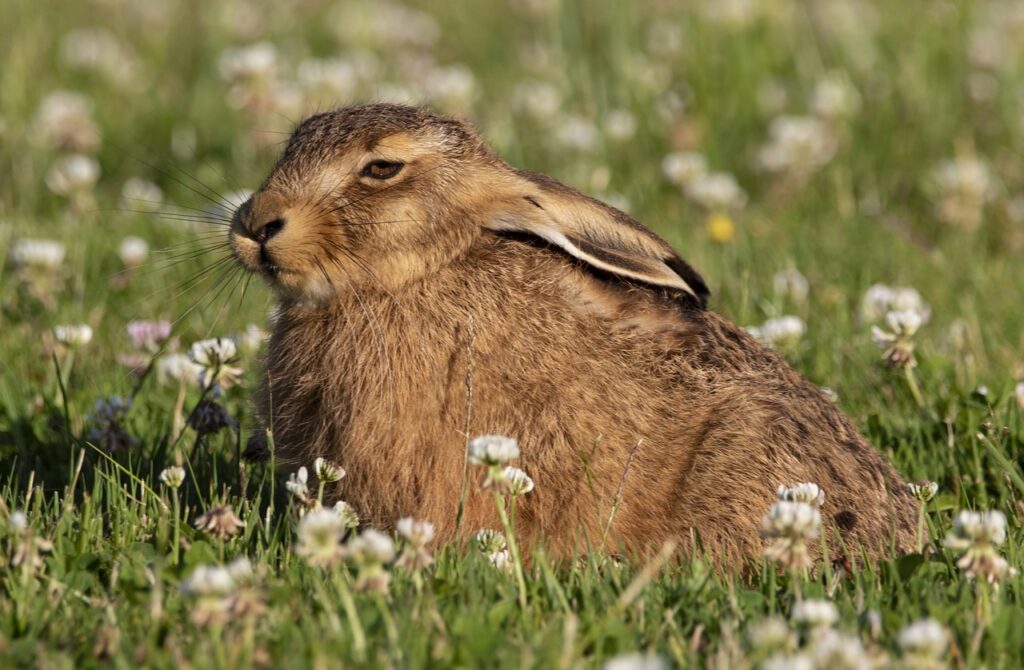
But then he noticed a small, limping hare with tangled fur, grazing alone at the meadow’s edge.
At that moment, John’s stomach growled, and a sly idea flickered to life.
In a swift motion, he snatched the lame hare, prepared it, and soon the scent of roasting meat curled into the air.
After feasting on the roasted hare, John’s eyelids grew heavy. He stretched out on the sun-warmed grass beneath a spreading oak, lulled into a dream by the soft hush of the meadow. By the time he awoke, the sky was blushing with sunset, and a crisp breeze nipped at his skin. Alarm jolted him upright—he still had to catch the hares!
Panic and doubt tangled inside him. How could he possibly wrangle so many quick-footed creatures alone? He tried coaxing them closer with fresh dandelion leaves, but the hares kept their distance, eyes wide and wary, no doubt remembering their lost companion.
When he lunged, they scattered in a flurry, vanishing into the tall grass like shadows at dusk. Determined, John crept after them, but the hares slipped through his fingers every time, melting away as if the meadow itself was hiding them. The chase became a dizzying dance, dragging on until the meadow was cloaked in darkness and only the moon watched his efforts.
Breathless, sore, and empty-handed, John finally gave up. Maybe, he reasoned, the King—almost like family now—would understand if he explained what happened.
John slipped past the silent guards and entered the dining hall just as the last plates were being whisked away.
His stomach grumbled anew as he eyed the remains of dinner, but before he could sneak a bite, the King strode in with his guards. “Ah, John, it’s you. Have you got my hares?”
John met the King’s gaze and replied, “No, they were too fast for me today, but I’m certain I will catch them all tomorrow.”
The King raised an eyebrow, asking, “Even the lame one?” John hesitated before admitting, “The lame one is dead.”
The King’s face flushed with rage. “Dead? What do you mean, dead?!”
John’s thoughts raced. He knew that if he admitted to killing and eating the small hare, he would be sent to the gallows.
So he quickly lied, saying the hare was already dead when he found it.
The King’s expression softened for a moment, but then he told the guards, “Have him hanged at first light.”
At dawn, John faced his fate.
Two years later, William sat in the small stone cottage on the hill, having breakfast with his mother.
“Mother, I think it is time for me to seek my future. I know this will leave you alone, but I promise to return with food and leave Rairi the collie to keep you company.”
His mother sighed, feeling sad. She had not heard from John since that day, and the thought of William leaving made her even more sorrowful.
Still, she knew that children must eventually find their own way and, in time, return home.
“Very well, William,” she said. “But before you go, please fetch me some water from the stream, and I’ll bake you a bannock.
Take this sieve and an old bowl for the water.”
William thanked her for the gifts she had given him and headed to the stream.
After packing his sack with his belongings, he kissed his mother on the cheek. “I’m heading to the stream now. Should I bring Rairi along? He would enjoy the walk.”
“Yes,” she replied, and together, William and Rairi set off.
When they reached the stream, William stopped to look at the wide hills and the tall, rustling grasses.
He watched a mallard and her ducklings move along the far bank, then slip into the water and float downstream.
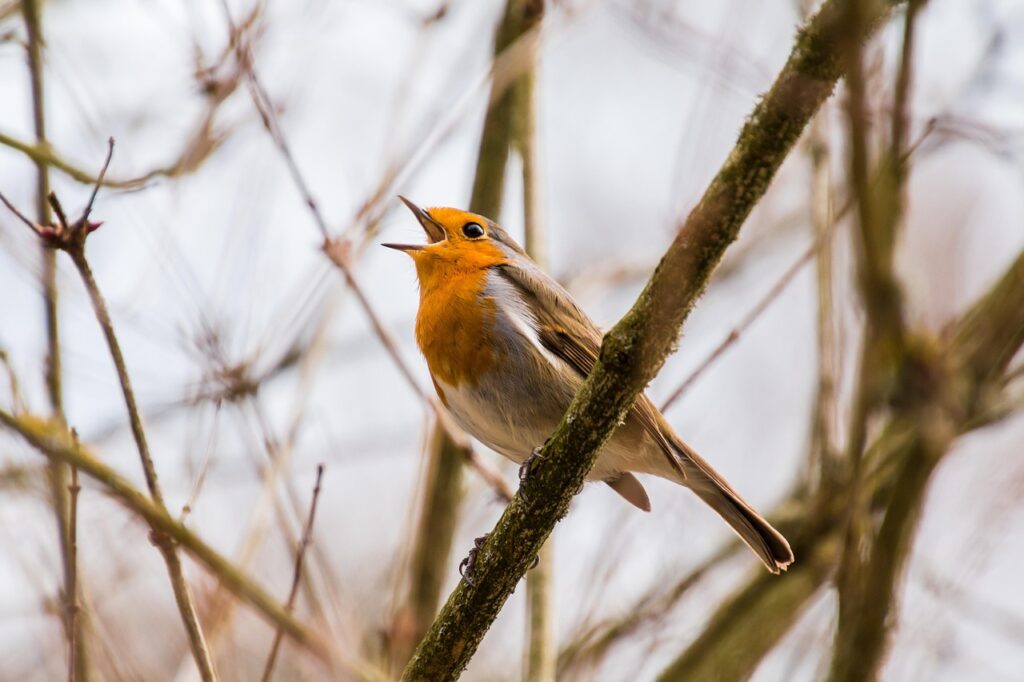
Suddenly, a sweet song came from a nearby tree.
A bird sitting high in the branches sang a lovely song. As William listened, the words echoed in his mind:
“Plug it with moss and clog it with clay,
And then you will carry the water away.
Plug it with moss and clog it with clay,
And then you will carry the water away.
Plug it with moss and clog it with clay,
And then you will carry the water away.”
“You are a wise bird indeed,” William said. “That is just what I shall do.”
He knelt by the stream, filled the sieve’s holes with moss, then took clay from the edge and pressed it onto the moss, smoothing it with his fingers.
William filled the cracks in the old bowl the same way, then filled both the bowl and sieve with fresh stream water.
Before leaving, William looked up at the tree and thanked the bird for its help and kindness.
He returned to the small cottage with the bowl of water and the sieve filled to the brim.
His mother smiled and said, “I will bake you a bannock with this water.” And that is precisely what she did.
When the bannock was ready, she cut it into three slices, spread jam on each, and wrapped them. She called out, “William, your bannock is baked!”
After finishing his chores, William packed his things and spent a quiet moment in the garden with Rairi.
He walked into the kitchen and said, “Ooh, Mother, that bannock smells so good! It would be lovely to have a freshly baked one whenever I return to the cottage. Thank you for baking it for me!”
He gave his mother a warm hug, kissed her cheek, and promised to return soon.
He ruffled Rairi’s fur and said, “Goodbye, boy. Keep Mother company for me.” After giving Rairi a last pat, William put the bannock in his sack and started his journey.
William knew there were no towns to the north or east, and only the sea to the west. So when he reached the road, he headed south.
After walking all afternoon, William found a large tree by the road. Its thick green leaves gave him cool, welcoming shade.
He sat down against the sturdy trunk, unwrapped the bannock, and broke off a big piece of the soft bread.
When he took a bite, the jam squeezed out the sides. “Oh, that’s delicious!” he said. “Thank you, Mother.”
As he walked on, a sudden burst of birdsong came from the branches above.
A bright-feathered bird flew down from the tree and politely asked for a taste of his bannock.
“Of course, you can,” William said. He tore off a piece, crumbled it, and the bird quickly ate the crumbs.
“You must be hungry,” William said. He tore off a bigger piece of bannock and scattered it gently on the ground.
The bird thanked William and said, “Please, take one of my wing feathers and make yourself a pair of pipes.”
“No, you are welcome to share my bannock. I do not want anything in return,” William said.
But the bird hopped onto William’s hand and held out its wing. “Please, take one of my feathers. It will serve you well.”
William hesitated, but agreed and gently plucked a feather. The bird looked at him, then flew away, its song fading behind.
William drew his knife and made the feather into a pair of pipes. When he played them, the music was as sweet as the bird’s song. To himself, he tucked the pipes beside the rest of his bannock and set off once more, heading south.
At last, he finally reached the Castle. William approached the guards and asked if they could help him find honest work inside. The guards led him to the King, who looked at William and asked, “Well, lad, what brings you here?”
William explained that he was looking for work and wanted to help however he could.
The King nodded, noticing that William seemed different from others who had come before. “I already have good people doing all my jobs, but I might have one that would suit you.
Then the King asked, “Have you herded Hares before?” William answered, “No, your majesty, but I would be pleased to learn.
The King nodded. “I have 24 hares in a meadow south of here. I want you to watch over them during the day and bring them back to the castle each night. Can you do that?”
William answered, “I’m not sure, Your Majesty, but I’m willing to try.”
The King said, “If you succeed, you may marry my daughter.” William paused and said, “Thank you, but only if she wants that too.”
The King told the guards to take William to his room and turned to go. As he left, he added, “Of course, if you can’t do that, I will have you hanged.” William was shocked and bowed his head. That was not what he had hoped to hear.
The guards brought William to his room and left him with a jug of water. Alone, he sat on the narrow bed, ate a bit of bannock, and thought of his mother, hoping she wouldn’t worry about him.
William slept and woke up early the next morning. After he left his room, the guards brought him to the breakfast hall, but the King was still asleep, and breakfast wasn’t ready. So, they sent him to the meadow.
As William walked in the soft light of dawn, he watched the sun rise, promising a new day. Birds sang above, and crickets filled the grass with their morning sounds.
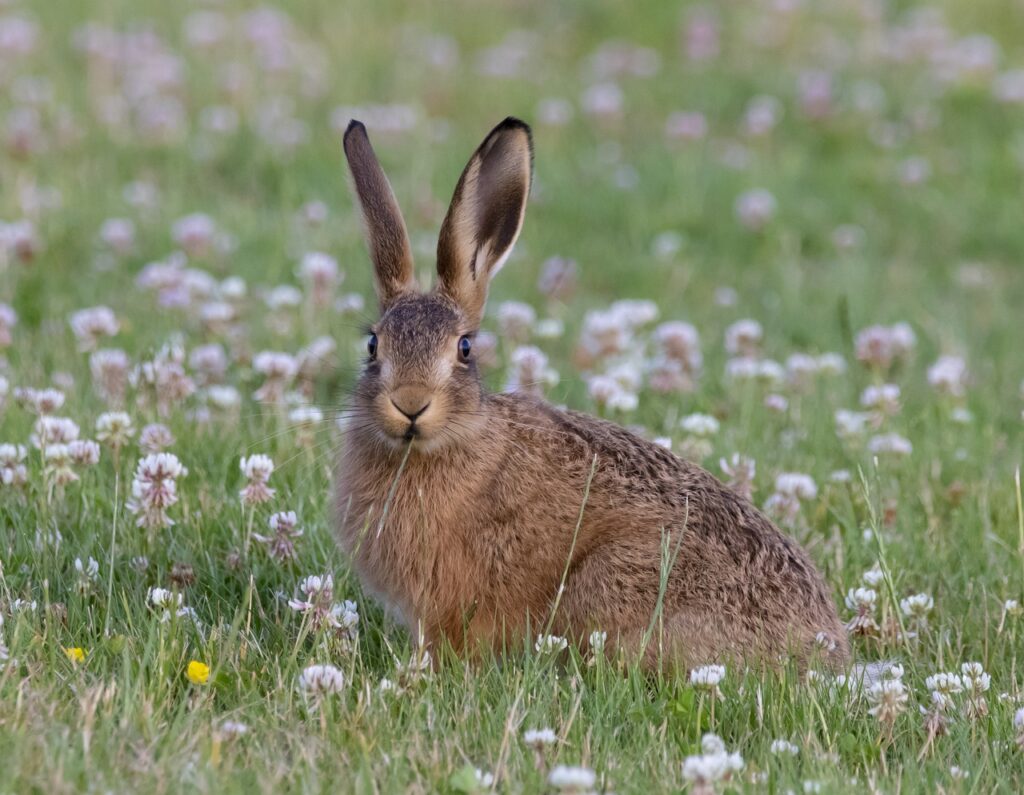
Soon, William arrived at the meadow. Wildflowers grew in bright patches, and insects moved and buzzed, each busy with its own task.
He walked into the meadow and sat on a grassy hill, staying very still as he watched the animals around him.
He looked from the hawks flying high above to the ants marching in a line across a twig near his feet, taking in the peaceful beauty of the meadow.
William thought to himself, What a wonderful place it was as he looked around. In a sunny clearing, he saw the hares gathered together, eating fresh herbs and grass.
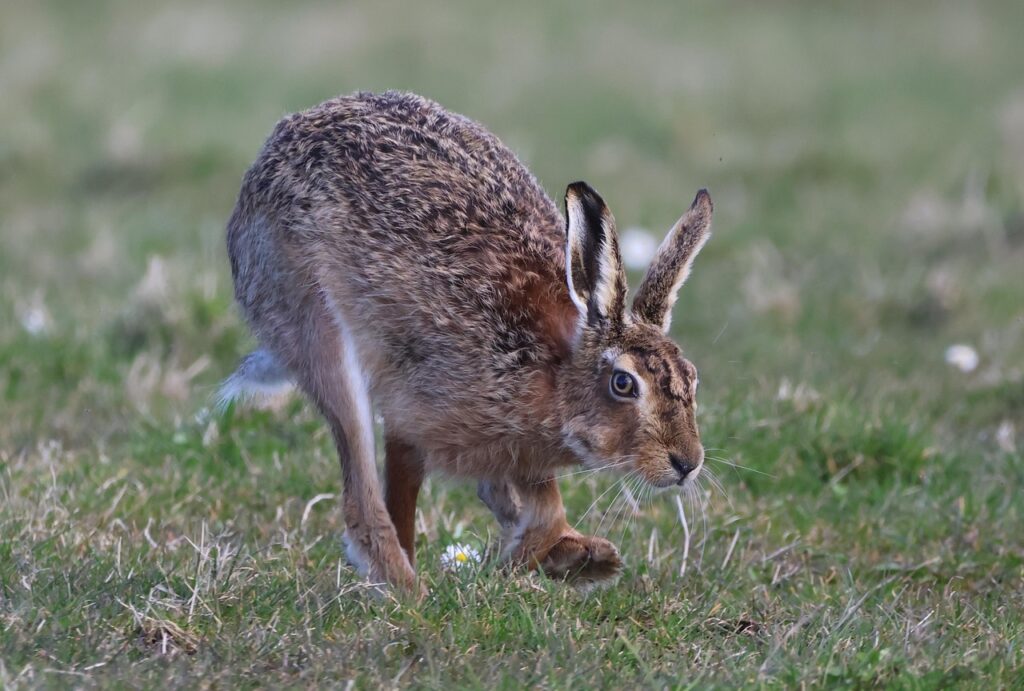
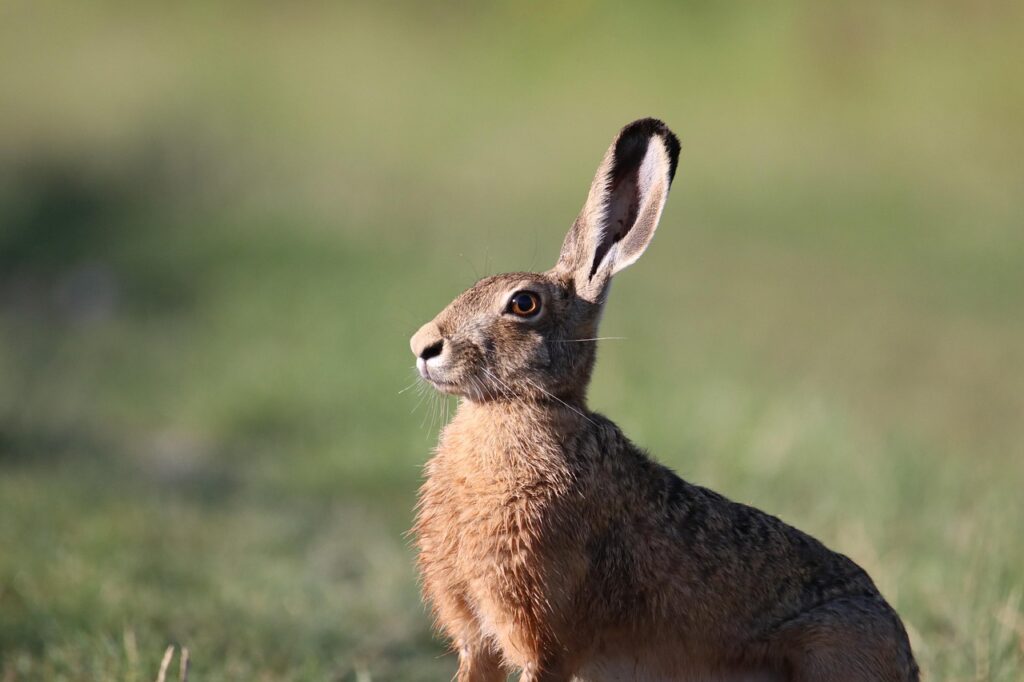
William sat quietly, amazed by the hares’ black-tipped ears, bright eyes, and strong legs. Their noses twitched as they ate, and their whiskers moved together. The hares seemed calm and didn’t mind him watching.
A small hare came close to the bottom of the hill, so near that William could have reached out to her. He just watched as she carefully ate the fresh, wet herbs.
He saw that she limped, her weak back leg showing she had been in pain for a long time.
Her fur, once white, was now dirty and brown, standing out against the deep brown of her body.
Unlike the other hares, her black spots had faded, her eyes looked dull, and her ears hung down and were wrinkled, showing she had been through hard times.
William grew worried as he considered how he could help the little hare feel better.
After a while, she started looking for fresh herbs again. Seeing her strength, William took out the last piece of bannock from his pack.
It tasted very good.
After he finished eating, William picked up his pipes and played a soft tune. The notes sounded like birdsong and made the air feel calm.
William was so caught up in his music that he didn’t see the swans and their young swimming from the riverbank. The little ones rode on their parents’ backs as they settled nearby.
The ducks swayed to the music, as if they were dancing together. They rocked from foot to foot, then spun in circles, chasing their own tail feathers with joy.
Up above, hawks glided in wide circles that seemed to follow the music. Crickets and insects added a soft chorus below. William soon saw the hares gathered nearby, their eyes wide and fixed on his music.
The day passed with William and the meadow animals enjoying each other’s company. As the sun set in the west, he knew it was time to return to the Castle.
He picked up his pack, put it on his back, and began to play his pipes as he started walking. The hares followed him.
As they walked toward the castle, William noticed the small, lame hare was missing.
He stopped, and the twenty-three hares waited on the path while he walked back toward the meadow.
Not far down the path, he found the little hare lying on the ground. He rushed to her and saw she was breathing, but she was weak from exhaustion and thirst.
He moistened his fingers with water and gently touched them to her mouth. Then he picked her up, wrapped her in his jacket, and carefully carried her back to the other hares. They began playing again and set off towards the castle.
The castle guards heard the music from far away and watched with curiosity. They were surprised to see William leading a line of hares, each one walking neatly behind him. William and the hares passed the guards and made their way to the King’s barn. He ushered them inside and softly closed the doors, ensuring they would be safe and warm through the night.
He carried the ailing hare to his room, tucked her into his bed, and covered her with blankets. Then he went to the dining hall, hoping for a good meal. The large tables were set when the King entered, accompanied by his guards. “Ah, William, it’s you,” he said. “Have you brought my hares back safely?”
“They are in “They are in your barn,” William replied. “Well, show me,” said the King. He and the guards walked to the barn, and William followed. They got to the barn, the King opened the door, and inside the dark barn were twenty-three pairs of amber eyes looking back at him.
The King was surprised and said, “But I only see twenty-three hares. One is missing,” said William, “the small hare is lame, and she collapsed from exhaustion as we returned to the castle.
I couldn’t leave her in the barn overnight, so I brought her to my room and covered her with blankets on my bed.
Show me,” said the King, walking off quickly. The guards almost had to jog to keep up with him. In the castle, to William’s room,
A beautiful young woman lay in William’s bed. William was worried about what the King might say, but the King was swept up in emotion. He hurried to the bed and gathered his daughter into his arms. “It is you, my daughter,” he cried, holding her close.
He quickly called for the doctor, then turned to William and said, “Thank you for returning my daughter to me,” as he hugged him.
When the doctor arrived, the princess was already on her feet, her eyes shining as she asked William to play the pipes. As he played, she spun and danced around the room, her steps light and free, with no sign of her old limp for the first time in years.
Since the doctor was no longer needed, he left, and the King took William and the princess to the grand dining hall. They laughed, ate, and danced together late into the night.
The next day, the King said that William and his daughter would be married. William asked if he could bring Princess Arabella to visit his mother’s cottage.
During their journey, William stopped the royal carriage and took an old sieve and a cracked bowl from the trunk. Both looked worn and full of memories.
William walked to the stream with the cracked bowl and sieve. He covered them with moss and clay, then filled them with fresh water while the princess and coachman watched in surprise.
His mother’s eyes grew wide with surprise when she saw the royal carriage arrive at her small cottage. She quickly wiped her hands on her apron and bowed deeply.
Imagine her surprise when William said, “Mother, please get up. I want you to meet my bride, Princess Arabella.” Tears filled her eyes as she stood and hugged both her new daughter-in-law and William.
Once they went inside the cosy cottage, William said he had something important to do. He hurried back to the carriage and brought in the sieve and bowl, both filled with fresh stream water. And he gave them to his mother, saying, “Mother, I promised I would ask you to bake a bannock whenever I returned home and here is the water.”
As the smell of baking bannocks came from the kitchen, William and Arabella laughed and played ball with Rairi under the sunny garden sky.
And so, with happy hearts and laughter still in the air, that is the perfect place for us to end our story
If you enjoyed this blog, please check out more of our wildlife blogs here, or you may prefer to listen to the Wildlife Matters Podcast here.
If you want to support our work
Please click on the Wildlife Matters Patreon Community.
Please click to join the Wildlife Matters Substack Community.
You can donate here.
If you enjoy traditional storytelling with a modern twist and a focus on nature and wildlife, please visit our sister site.
Don’t forget the Nature StoryTeller releases a new episode of the Nature StoryTeller podcast on the third Sunday of each month. Just like and subscribe, and it will drop into your podcast feed whenever we release the new episode. Find us on Apple, Spotify, Amazon, YouTube and all good podcast providers