Welcome to the Wildlife Matters guide to hibernation. As winter’s chill deepens and daylight fades, we bundle up in cosy layers. Meanwhile, animals must transform their routines to outwit the cold.
Beneath the surface, animals have crafted astonishing strategies to weather winter’s grip.
Some slip into profound hibernation, while others doze more lightly. Hibernation is no simple slumber; it’s a daring gamble for survival. In this article, we’ll uncover how creatures rest through winter and unravel the true meaning of hibernation.
A lot of people picture hibernating animals simply curling up in autumn, snoozing away, and then stretching awake, bright-eyed, when spring returns.
But hibernation is far more fascinating. Whether in icy forests or sun-baked deserts, animals have developed survival strategies tailored to their own reasons, timelines, and dangers.
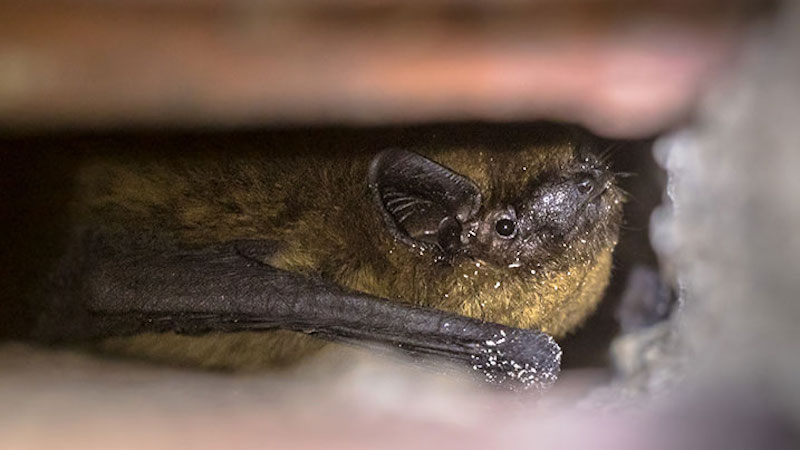
Butterflies and bats rely on hibernation to weather the cold, shadowy months, and by pausing their bodies, they conserve energy and skip the endless search for food or shelter.
Hibernation isn’t just a long sleep. For some creatures, hibernation is like vanishing into a deep, dreamless state for weeks. For others, it is more like taking a series of quick naps. But hibernation comes with its own perils. While lying low, animals become easy targets for hungry predators or unexpected storms.
So, which animals really hibernate?
Small mammals such as dormice, hedgehogs, and bats hibernate. Many insects, amphibians, and reptiles hibernate too.
Do all mammals in Britain hibernate?
No. In fact, just three British animals are true hibernators: dormice, hedgehogs, and bats.
Surprised? Well, here are some wild animals you may have thought hibernate, but they don’t
Mice and voles scurry through the winter months, never slowing down, while squirrels brim with such energy that they start raising families as early as January.
Shrews are a prime example. Tiny and lightning-fast, they burn through energy, lose heat in a flash, and dart about in constant pursuit of insects. As winter settles in, shrews stretch out their sleep and tunnel beneath the earth.
Most never truly hibernate, and only a handful slow their frantic pace. By autumn’s end, the old make way for the young, as a new generation steps in to face the cold months ahead.
Badgers, on the other hand, slow down as winter arrives. Between November and February, they burrow deep, fatten up, and let their bodies cool, though they never fully surrender to hibernation.
Do butterflies and other insects hibernate?
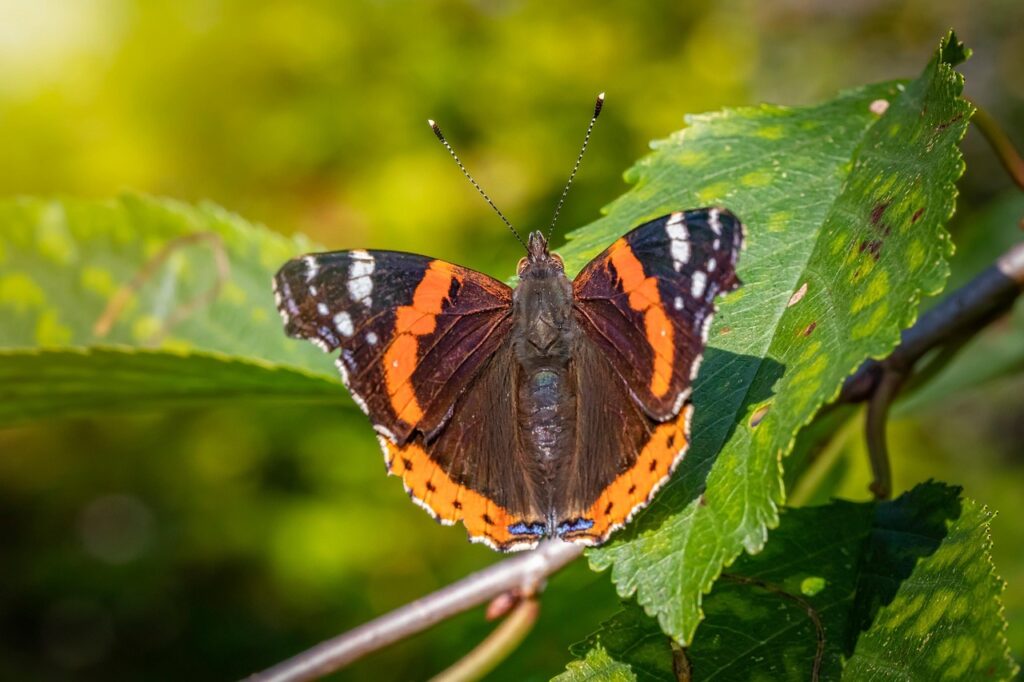
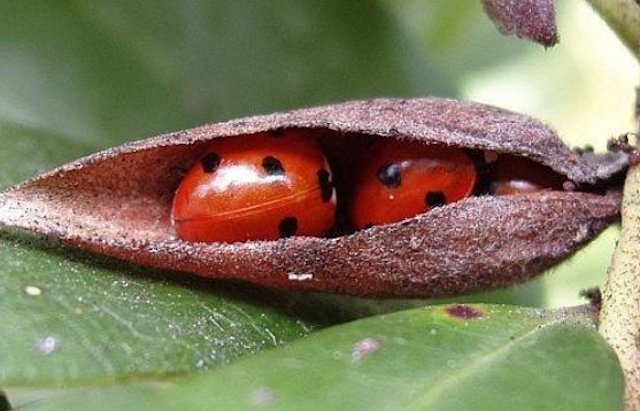
Some insects, like butterflies, ladybirds, and some bees, spend the winter as adults. In Britain, nine butterfly species survive winter as eggs, 32 as caterpillars, 11 as pupae, and only six as adults.
These winter survivors include the brimstone, red admiral, small tortoiseshell, comma, peacock, and the rare Camberwell beauty.
For butterflies, winter survival is a delicate dance between gentle sleep and a deeper pause called diapause. Though they appear fully grown, many are not yet ready to begin the next generation.
A sudden shaft of winter sunlight can rouse these butterflies from their slumber. Spotting a peacock butterfly fluttering through a frosty garden at Christmas or New Year is not uncommon, and such moments sometimes capture headlines.
Sometimes, butterflies drift indoors, lured from their hiding spots by the cosy warmth of central heating.
There is no need for concern; as the temperature drops, they slip back into their secret shelters and resume their winter rest.
Yet these unexpected winter awakenings come at a cost. A brief flutter into the cold may not harm a butterfly immediately, but searching for a new hiding place drains precious energy. If a butterfly burns through too much of its stored fat, it may never see the return of spring.
Do reptiles and amphibians hibernate?
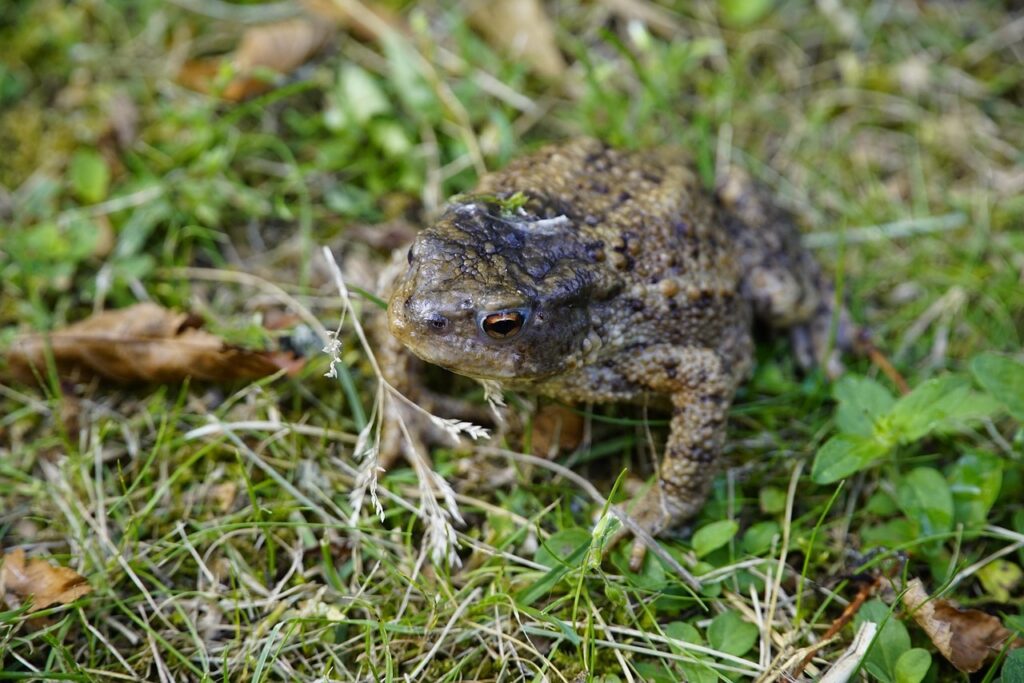
In the UK, as soon as the first frost bites, frogs, toads, and newts shift their routines. They slip into secret shelters on land to escape the chill. Some tuck themselves beneath logs or stones, others burrow into the earth or nestle deep in compost heaps.
Slow-worms favour the warmth of compost and often huddle together, while most lizards prefer solitude, curling up alone in tiny hollows.
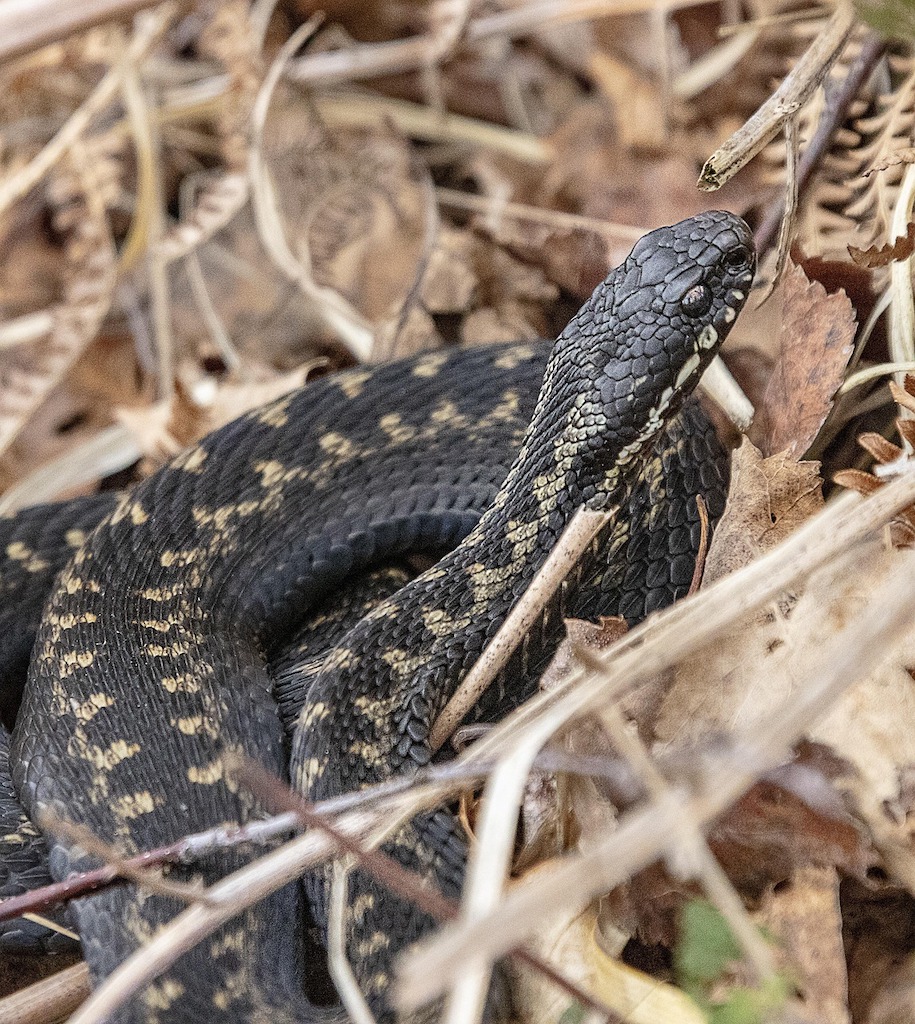
Natterjack toads tunnel far beneath the sand, while British snakes seek out abandoned rabbit burrows, gathering with others for warmth. These communal winter hideaways are known as hibernacula.
At times, toads, newts, lizards, and snakes all share the same snug hollow. When winter offers a rare warm day, these cold-blooded creatures stir, and frogs venture out in search of food, while snakes bask in the pale sunlight.
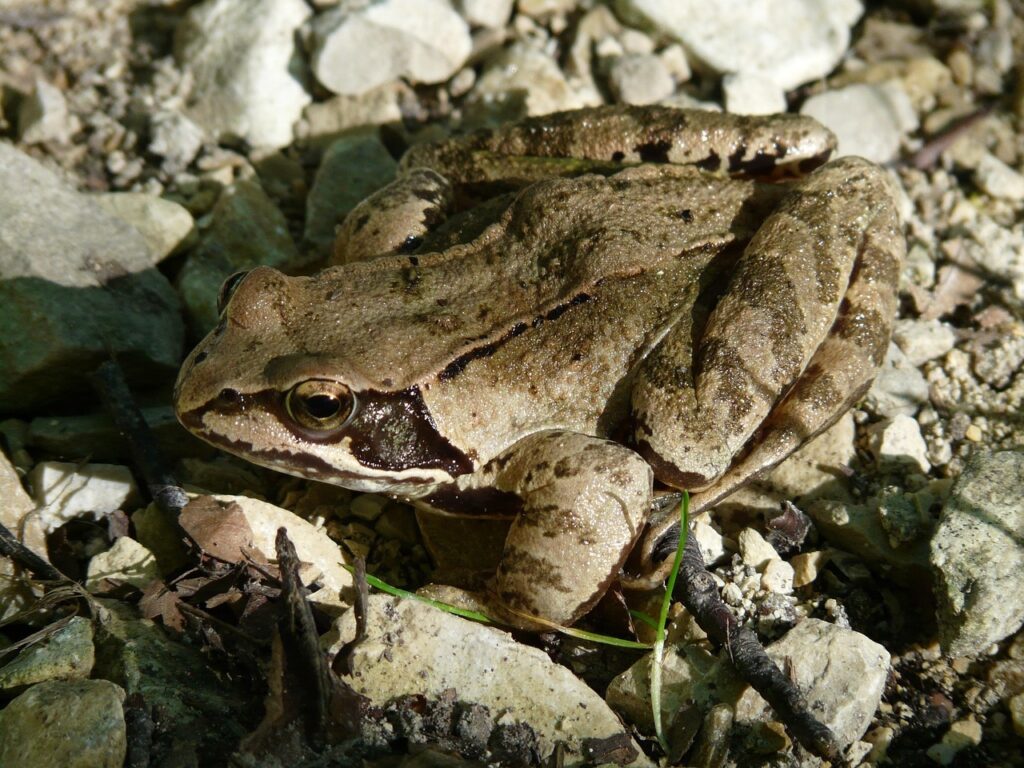
The common frog is a remarkable survivor. Adult males spend the winter hidden beneath pond mud, drawing breath softly through their skin rather than their lungs. Motionless and conserving every bit of energy, they endure the long cold. But if the pond freezes solid, their silent vigil can turn fatal.
Mammals prepare for hibernation with a feast, gorging themselves in late summer and autumn to build up fat reserves for the long winter ahead.
Yet, despite all this careful planning, hibernation remains a gamble. Hibernation is a dangerous bet. Animals may not survive if their fat runs out, if the cold grows too fierce, or if they awaken before spring’s return.
Even when they are in a deep sleep, predators can still find them.
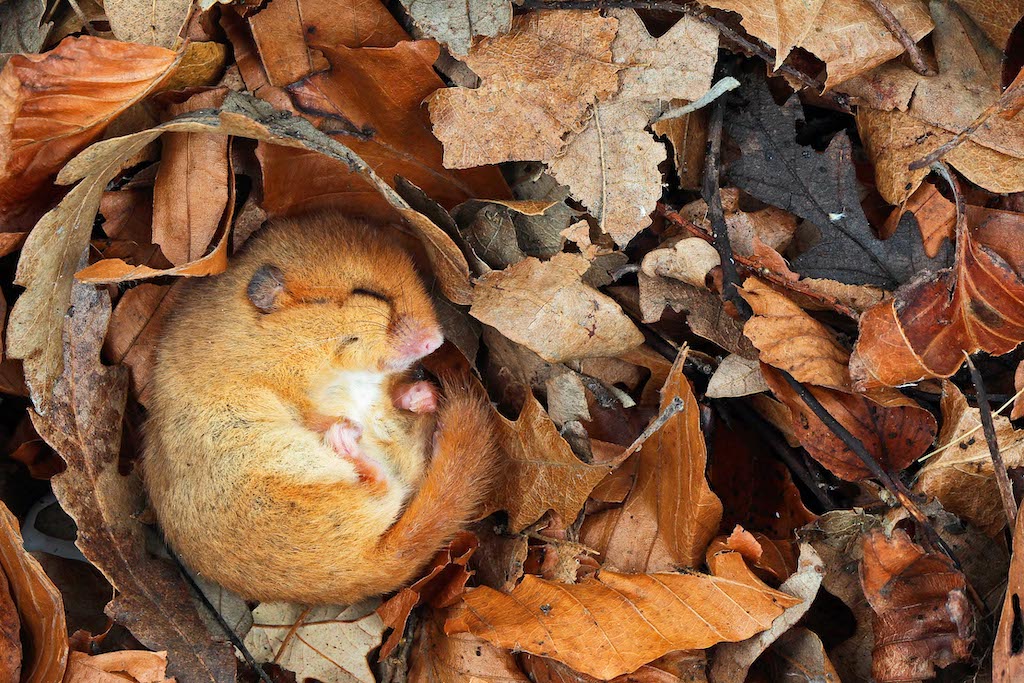
In the winter of 2012through to 2013, after a poor beech mast harvest, dormice set a record for the longest hibernation. One adult female remained inactive for 346 days, nearly a whole year, in a state akin to suspended animation. Hibernation transforms animals from the inside out, shifting their metabolism and body functions in extraordinary ways.
For example, squirrels can have body temperatures as low as -2°C. Their breathing slows, and their heart rate drops from 400 beats per minute to just 11. While it may seem like they sleep through autumn and wake up in spring, hibernation is much more complex and mysterious.
It is not a typical kind of sleep.
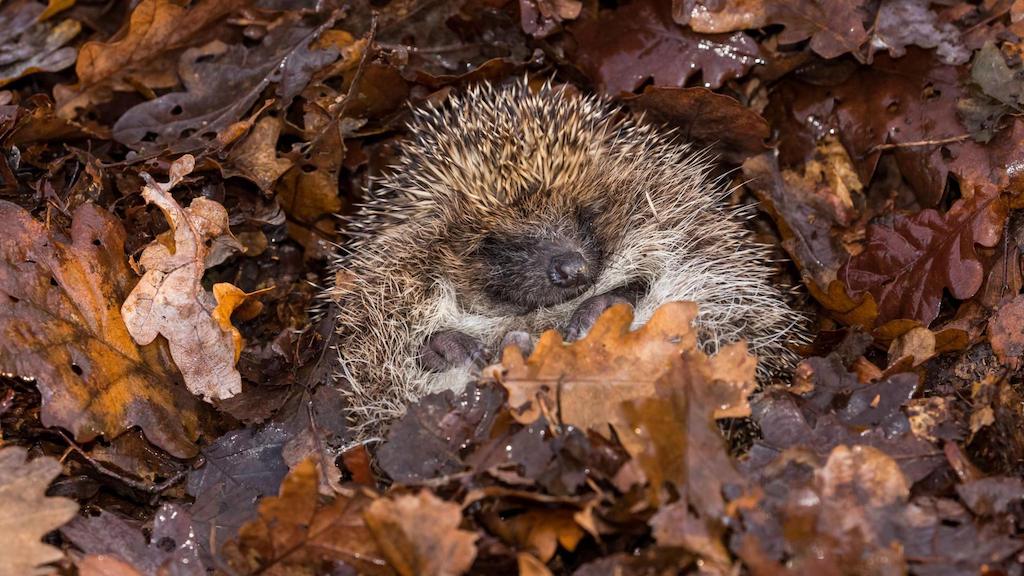
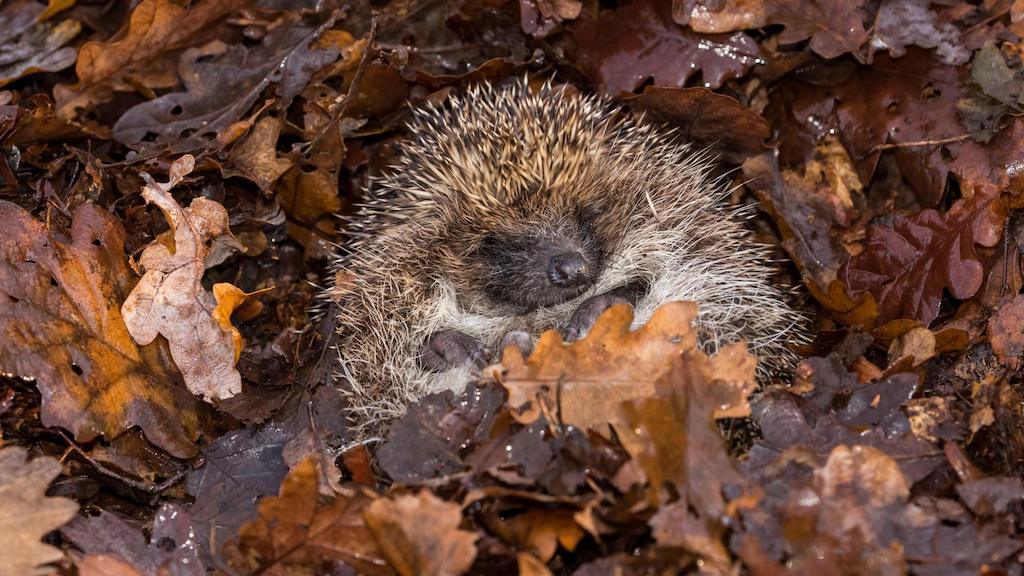
Consider the hedgehog: in a summer nap, its body stays warm at 35°C, and its breath only softens. But in hibernation, its temperature sinks to match the chill around it, its metabolism dwindles to just 2 per cent of its summer pace, and its heart thumps only five times a minute.
Breathing changes a lot, too. When a hedgehog is awake, it takes about 25 calm, steady breaths each minute.
Yet in the depths of hibernation, a hedgehog can remain perfectly still for two hours without a single breath. Then, in a sudden rush, it gulps 40 to 50 rapid breaths before falling silent once more.
Before winter’s long sleep, hedgehogs feast and fatten up, building reserves to survive the cold months ahead. These remarkable changes are woven into their very nature.
So, whatever hibernation truly is, it remains far more mysterious and complex than ordinary sleep.
Even with all these changes, most animals do not stay completely still for more than about 30 days. Hazel dormice and fat dormice are among the few exceptions.
Bursts of euthermia interrupt the animal’s deep torpor, bringing warmth and wakefulness. For a few lively hours, it stretches, explores, relieves itself, and sometimes enjoys a quick snack before returning to its slumber.
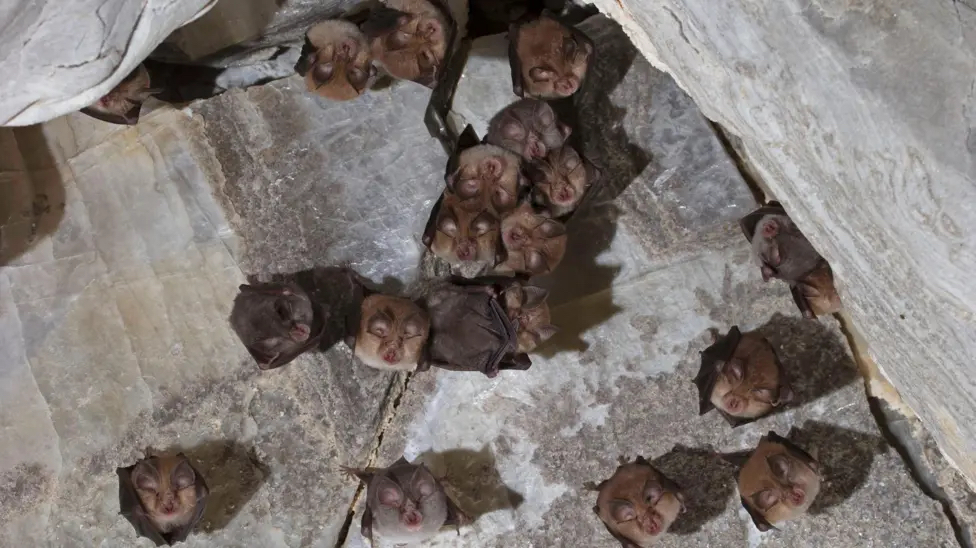
On gentle winter nights, pipistrelle bats slip from their roosts to chase insects under the moonlight, then return to hibernation with bellies full. If their shelter grows uncomfortable, they seek a new hideaway. It surprises many to discover that these secretive awakenings and midnight adventures punctuate hibernation.
Every few weeks, hedgehogs rouse from their winter sleep, sometimes embarking on a quest for a cosier nest. These brief journeys happen two or three times each season.
Three primary triggers of hibernation are shorter days, colder temperatures, and less food.
Gender and age also matter. Usually, changes in daylight act as nature’s signal, starting the countdown to hibernation.
If only the length of the day mattered, warmer temperatures would hardly affect hibernation.
Temperature truly calls the shots. As springs grow warmer, hibernators stir too early, burning through precious fat reserves before nature’s pantry is restocked.
A study of 14 hibernating species found that for every 1°C rise in average yearly temperature, hibernation got about 8.6 days shorter.
Survival rates also fell by 5.1% for each degree of warming. Non-hibernating rodents were not affected during this period.
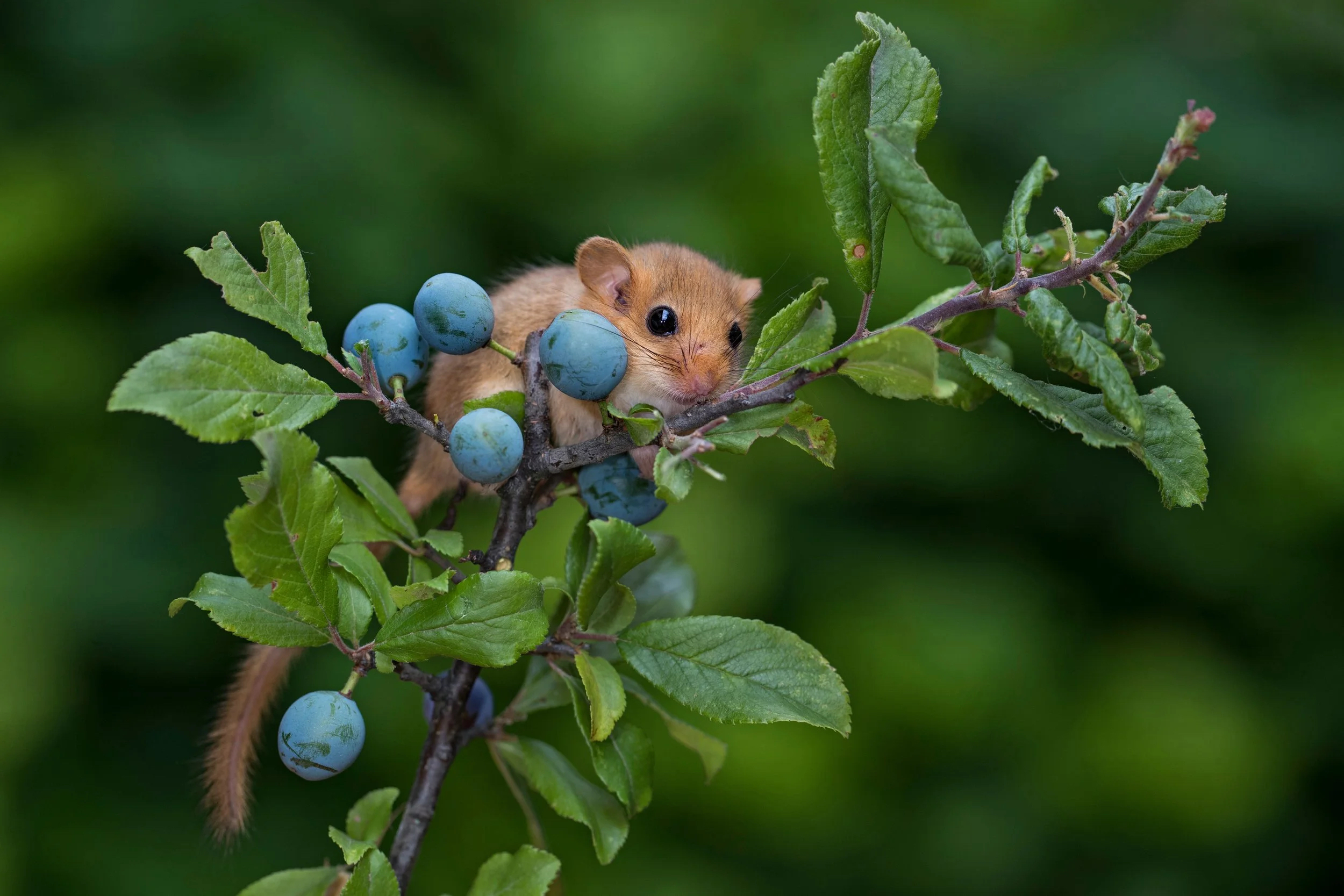
In Britain, hazel dormice now hibernate for five weeks less than they did twenty years ago.
Rising temperatures are affecting hedgehogs in the same way. Experts warn that mild winters can wake them up before spring really starts.
When autumn lingers with warmth, females
may delay hibernation and breeding, leaving them with slimmer fat stores to weather the cold months ahead.
Newts, once patient for spring, now journey to ponds in the heart of winter. Frogs sing their songs in January’s chill.
The long-term meaning of these changes remains a mystery.
For insects, gentle winters may allow diseases to spread. Some flowers risk blooming too soon, only to find the bees still sleeping.
As with much of climate science, it’s hard to measure and prove what causes what.
What is aestivation?
Aestivation is similar to hibernation. Aestivation mirrors hibernation, but unfolds in the world’s hottest corners. To escape searing heat or drought, creatures such as earthworms, snails, and amphibians burrow deep into the ground to seek cool refuge.
During this time, they wait for rain or cooler weather to return. Some land snails even climb trees to escape the hot ground, sealing themselves in their shells with a layer of dried mucus for protection. Animals that rely on aestivation may not survive.
What is torpor?
Torpor is a short-term state in which an animal’s body slows down, usually for less than a day. As an animal slips into torpor, its breath softens, its heart slows, and its body cools, drifting into a gentle, energy-saving sleep.
This pause is its secret to surviving harsh nights.
The world of animal hibernation is full of wonders, and there is always more to discover.
If you’re curious about how our wildlife copes with the changing seasons or want to help protect these remarkable creatures, why not explore further by joining a local wildlife group?
Local wildlife groups are full of people who hold a wealth of information and want to help those who want to learn more about wildlife and nature.
Here at Willdife Matters, we want to share our knowledge and experience through engaging storytelling.
If you enjoyed this blog, please check out more of our wildlife blogs here, or you may prefer to listen to the Wildlife Matters Podcast here.
If you want to support our work
Please click on the Wildlife Matters Patreon Community.
Please click to join the Wildlife Matters Substack Community.
You can donate here.
Further Reading
BBC Wildlife: What is Hibernation?
Better Planet Education: What is Hibernation?
British Hedgehog Preservation Society Hedgehog Hibernation