Join Wildlife Matters as we explore the native Broadleaved woodland of the UK in this week’s adventure.
Based on over twenty years of woodland management for wildlife and habitat conservation, we consider woodland our favourite habitat.
Broadleaved woodlands burst with life, shifting their character with every season and sheltering a cornucopia of wild creatures. These broadleaved woodlands are among the most exciting habitats for wildlife lovers.
Broadleaved woodland is made up of trees without needles. More correctly, coniferous trees
Their leaves are broad, come in many shapes, and most fall off in autumn. These trees suit most parts of the UK, and their changing leaves help make the woodland floor and undergrowth as diverse as the treetops.
No two broadleaved woods are the same. Soil, altitude, and the presence of water shape which trees flourish, with oak and birch proving resilient in both uplands and lowlands.
Wildlife thrives in these woods. A single oak can be a bustling world, teeming with invertebrates and the birds and mammals that depend on them.
Oak and birch woodlands often take root in acidic, nutrient-poor soils, mingling with heather, bilberry, and bracken. Along the western coast, the UK’s rare oceanic oak woods are treasures recognised worldwide.
These unique forests are known as temperate rainforests. Hidden within them are pockets of oceanic ash woodland and the elusive Atlantic hazelwoods.
These woods grow well in chalky soils in southern England and Wales, such as in the Chilterns and the Cotswolds.
Because they provide plenty of good timber, these woods were often linked to industries such as furniture-making.
Within these woods, rare and specialised plants, fungi, and invertebrates find sanctuary.
Ash woodlands grow in places with limestone and other mineral-rich soils. In these woods, a dense tangle of spindle and dogwood shrubs flourishes beneath the gentle shade of ash trees.
The earth teems with a tapestry of plant life. Despite their name, many ‘ashwoods’ are a lively blend of lime, elm, and hornbeam. Yet now, the silent advance of ash dieback casts a shadow over these vibrant woodlands.
Broadleaf woodlands reveal themselves in many guises. Some stretch out as wood pasture, others shimmer as wet woodland, or cling to hillsides as montane scrub dotted with willows and dwarf birch.
Elsewhere, semi-natural scrub habitats flourish, from windswept coastal blackthorn to limestone pavements scattered with trees.
No two broadleaf woodlands are exactly alike. The types of plants and animals found there depend on the geology and soil, and the age of the woodland shapes its character.
Broadleaved woods are havens for the creatures and plants we most associate with wild places. Here, familiar mammals roam, secretive beetles scuttle, beloved trees tower, and rare fungi emerge. Each type of woodland shelters its own unique specialists.
In the moist oak woodlands of the west, lichens and mosses flourish, while native beechwoods shelter rare orchids, curious fungi, and elusive money spiders among their deep, shadowy leaf litter.
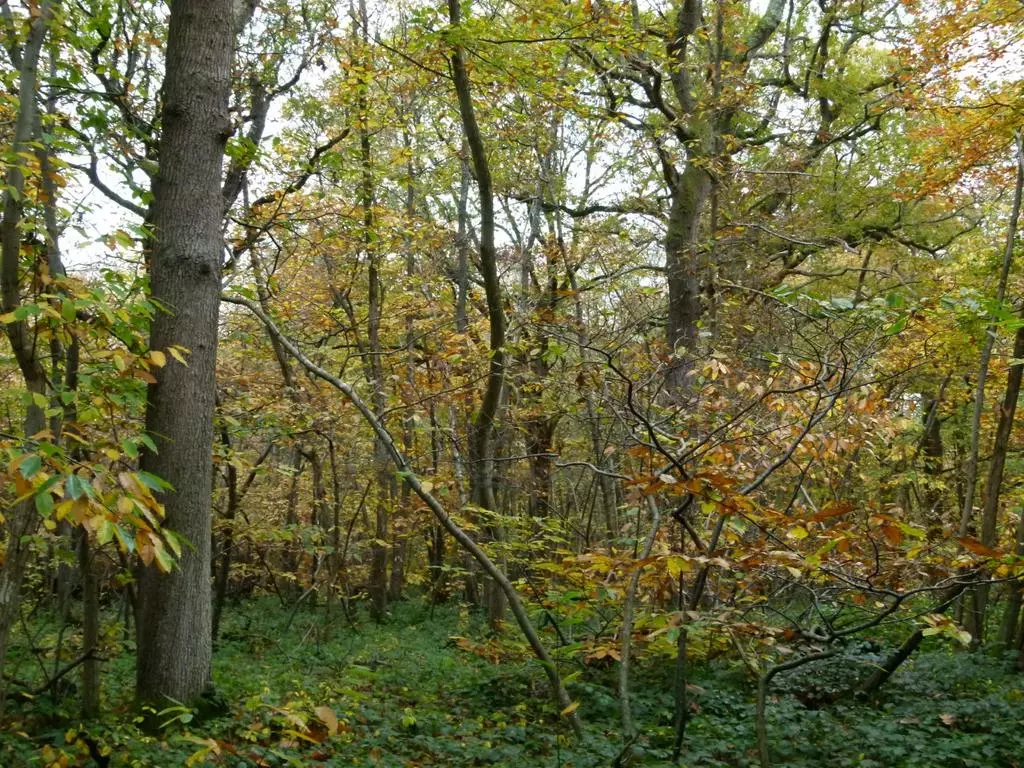
Broadleaved woodlands are under siege from many threats.
Even their most iconic trees now battle pests and diseases that are already leaving their mark on our landscape.
Development, urban sprawl, air pollution, and climate change all threaten these woodlands.
As conditions shift, trees wrestle with drought and fierce storms. Herds of deer, when unchecked, can strip the woods bare and halt their renewal and regeneration.
Restoring ancient broadleaved woodland is urgent. Without proper management, these woodlands will continue to decline.
British broadleaved woodlands are vibrant, living mosaics of oak, beech, ash, and birch.
Their layered canopies and forest floors teem with life, from the flutter of birds above to the scurry of mammals below.
Each spring, carpets of bluebells transform the ground into a sea of colour. Though much of the original woodland has vanished or fragmented, these pockets remain vital refuges for wildlife.
The character of each woodland shifts with the soil, ranging from ancient, species-rich groves to younger plantations. Tangled undergrowth and deep leaf litter create havens for countless insects, birds, and mammals.
Key Characteristics
- Tree Types: These woodlands are mainly made up of oak, beech, ash, birch, lime, sycamore, maple, willow, hazel, and yew. Yew is technically a conifer, but it is included here.
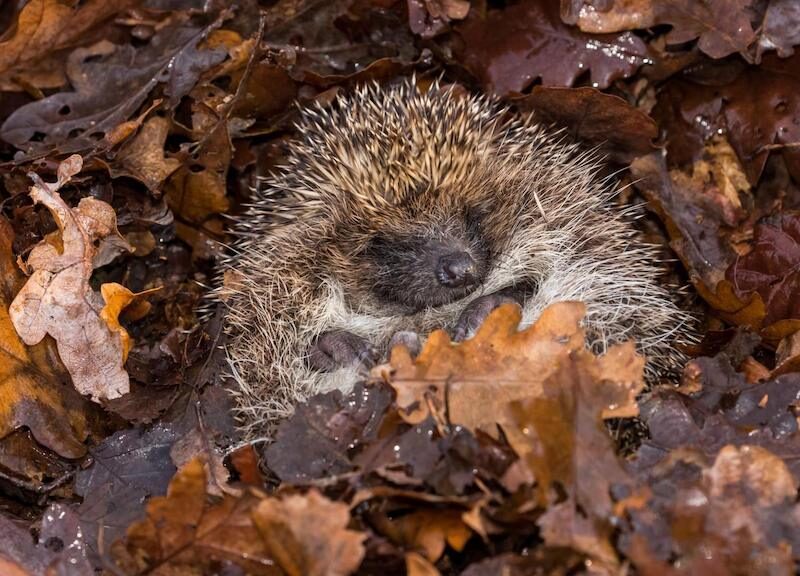
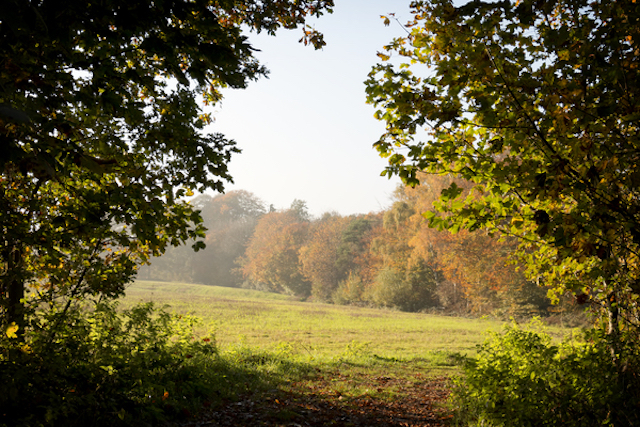
- Seasonal Change: Leaves blaze with colour before drifting to the ground, forming patchwork layers. Spring brings a burst of bluebells and primroses, while autumn cloaks the forest floor in a thick, rustling blanket.
- Ancient woods teem with life. In their dappled shade, woodpeckers drum, deer slip between trees, and bats flit at dusk, while mosses, lichens, and fungi quietly thrive.
- Layer upon layer, these woodlands unfold: a leafy canopy overhead, hazel and hawthorn weaving a tangled understorey, and a lush field layer below, each sheltering its own wild community.
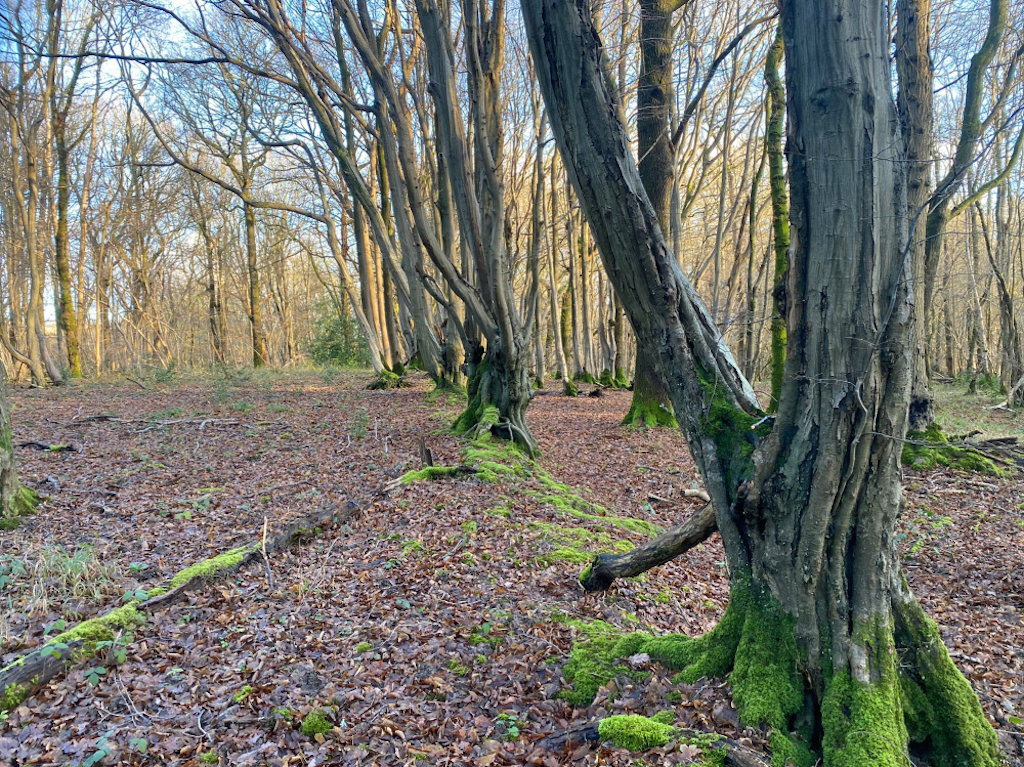
I love to lose myself in the woods. Just steps from the road, the hum of the outside world fades, replaced by birdsong and rustling leaves, especially in summer.
What keeps these woodlands so vibrant? Every element, from the tallest tree to the tiniest fungus, weaves together an extraordinary ecosystem. This ancient collaboration has been unfolding for nearly 117,000 years, ever since trees and plants reclaimed the land after the last ice age.
Broadleaf woodlands are alive with intricate ecosystems.
Animals, plants, trees, fungi, and insects all connect in a delicate web of life.
Each habitat plays its part, working together to keep the woodland in harmony. I want to explore how these ecosystems function in broadleaf woods and how every habitat helps maintain this natural balance.
During winter, trees and shrubs quietly tuck away nutrients as glucose in their roots, patiently awaiting spring’s arrival.
By early March, these reserves surge upward through the bark, with birch trees leading the way. This hidden energy sparks the first buds and leaves, awakening the forest from its long winter sleep.
Though the forest appears silent, it hums with unseen activity as it recycles the remnants of autumn.
The mycelium network weaves beneath the leaf litter, transforming dead wood, fallen creatures, and scattered debris into rich nutrients that feed the soil.
Meanwhile, mycelium produces mushrooms that become a feast for foraging animals.
As these creatures dine, they help scatter spores, ensuring new generations of mycelium thrive.
Mycelium is a remarkable organism, more kin to animals than plants, and it can stretch across vast landscapes.
In Oregon, USA, the largest known mycelial network spans 2,200 acres, weighs around 35,000 tons, and has been growing for 8,000 years. This ancient network is believed to be the largest living thing on the planet.
Deadwood plays a vital role by providing shelter for saproxylic insects, the forest’s decomposers. In the UK, over 2,000 species rely on this hidden world for survival.
These insects depend on mycelium and other microorganisms to transform decaying matter into edible forms. Endangered stag beetles, woodlice, and hoverflies are just a few examples. In turn, toads, spiders, and many others rely on these insects as a crucial food source.
With the arrival of spring, the woodland bursts into life. Insects emerge from their winter hideaways, drawn out by the abundance of food and the renewal of their habitats.
Woodland flowers such as snowdrops, bluebells, wood anemones, and wild garlic burst into bloom, offering a banquet for wildlife. By April, caterpillars feast on tender new leaves before transforming into butterflies that sip nectar from foxgloves and other blossoms.
These caterpillars and butterflies then become food for birds that return to the area during migration.
Dog mercury carpets the forest floor, shaping a haven for ground-nesting birds like woodcocks and offering both shelter and nourishment to countless insects.
As ants awaken from hibernation, they stash food beneath the earth, ensuring their survival while enriching the soil with organic matter.
Scurrying across the forest floor and scaling trees, they gather dead insects, fallen leaves, and plant debris, fueling the endless cycle of nutrients.
Trees capture sunlight, weaving it into oxygen and nutrients through photosynthesis. Flowering shrubs and small trees such as dog rose, hawthorn, and elderflower fill the woods with sweet fragrance, attracting bees, hoverflies, and moths.
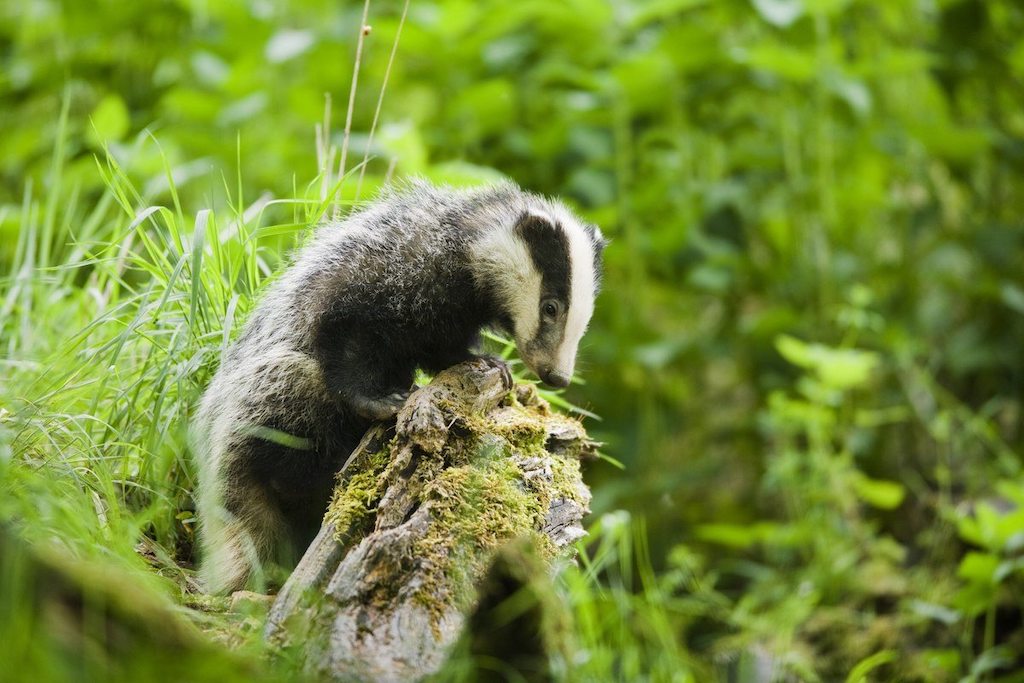
Badgers, rabbits, and squirrels are joined by other species that hibernate to now emerge in search of food, often burying their leftovers. Over time, these hidden stores decompose, releasing nutrients back into the soil and nurturing next year’s growth.
With the arrival of summer, the tree canopy thickens, casting deep shade on the forest floor.
Woodland flowers scatter their seeds, while bracken and bramble unfurl, sheltering the tender seedlings beneath.
Ferns and bracken, armed with natural toxins, deter most mammals and guard these secretive corners of the woods.
Bramble bushes tempt with their berries, expanding the woodland menu. Wood mice and squirrels, tucked away in the undergrowth, quietly scatter seeds and shape the future forest.
As early autumn arrives, rosehips, sloes, damsons, elderberries, and Mirabelles burst onto the scene, turning hedges and woodland edges into a feast of colour and nourishment.
Oak, beech, and hazel trees join in, scattering nuts and mast for hungry foragers.
Seeds that fail to sprout become food for wildlife or are decomposed, feeding the woodland floor.
As autumn deepens, the hidden mycelium network awakens, tirelessly recycling fallen matter into new life.
As days get shorter, broadleaf trees lose some of their ability to make food from sunlight and start to shed their leaves.
These fallen leaves become homes for insects such as springtails and small gnats. The trees store nutrients, such as sugars, in their roots and share them with the mycelium in exchange for other nutrients.
We recognise two types of broadleaved woodland in Britain
Upland broadleaved woodlands stretch across the north and west of the UK, where oak and birch trees thrive in sheltered valleys and along gentle slopes.
These vibrant habitats brim with life, from lush mosses and delicate ferns to elusive, rare insects. Acting as green bridges between open moorlands and lower ground, these woodlands purify water, anchor the soil, sequester carbon, and provide a haven for wildlife and grazing animals alike.
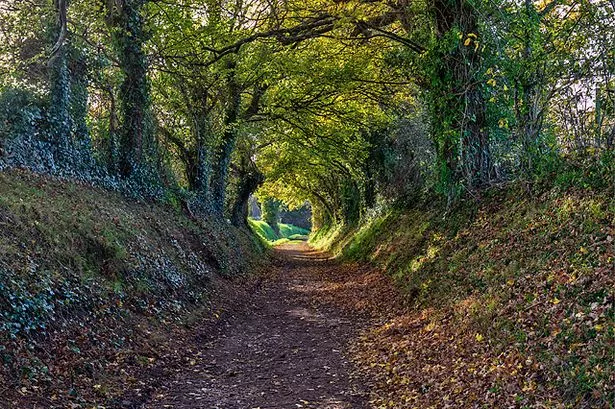
You will find these woodlands scattered across Scotland, Northern England, Wales, and the southwest, where they cling to high ground, nestle in valleys, and trace the winding paths of streams.
The leafy canopy overhead is usually woven from Sessile oak, sometimes Pedunculate, and graceful birch, all of which flourish in the acidic soils of these upland woods.
Where the soil is rich in minerals such as limestone, upland mixed ash woodlands take root, often within base-rich pockets within oak woods.
These vibrant patches burst with a greater variety of plant life than their surroundings.
Upland woodlands on acidic soils often have little ground cover, but mixed ash woodlands are much more diverse.
In Scotland, birch woods composed of downy or silver birch, and sometimes rowan, willow, juniper, or aspen, change at the edges due to grazing, fire, and the natural cycle of birch growth.
The woodlands often extend into open glades, where livestock and deer quietly graze among the trees.
Lowland broadleaved woodland in the UK is the quintessential, vibrant deciduous forest that flourishes across England’s lush lowlands.
These enchanting woods are home to majestic oaks, graceful ashes, maples, and limes, with a colourful carpet of bluebells and primroses beneath.
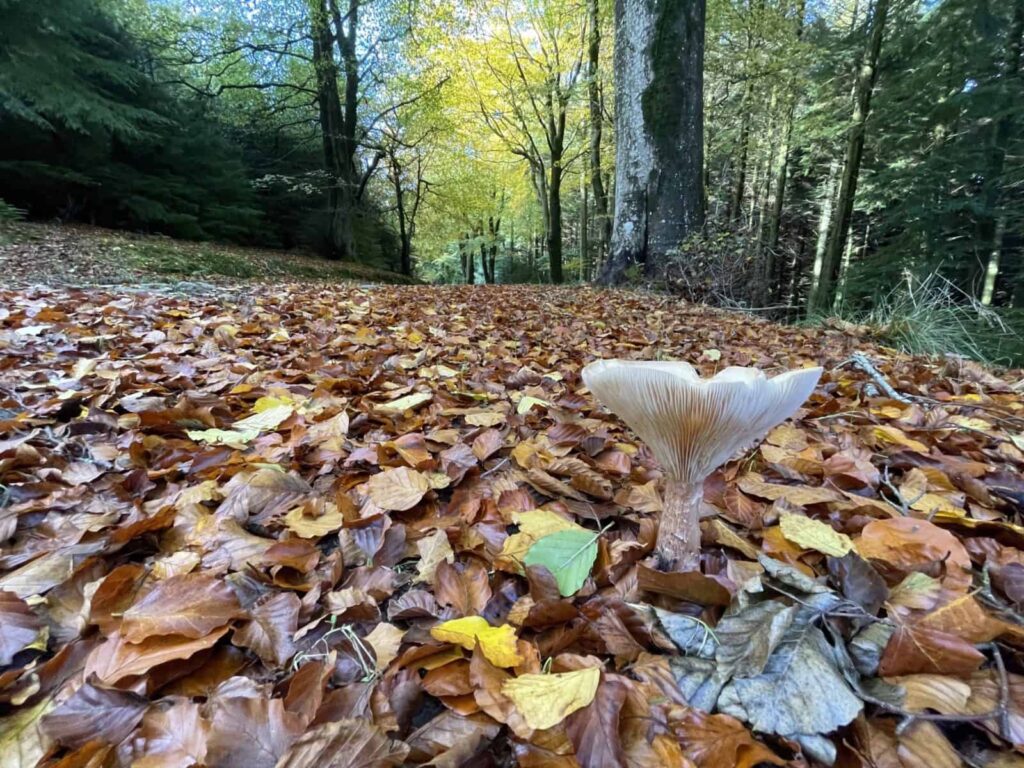
Their layered structure, shaped by centuries-old practices such as coppicing, provides habitat for wildlife. A patchwork of tree species provides shelter for a dazzling variety of insects and birds.
These woodlands are vital sanctuaries, thriving at lower elevations where deep, fertile soils nurture their roots. Unlike their upland counterparts, they are biodiversity hotspots, teeming with life.
Thoughtful stewardship is essential to preserve their intricate, layered beauty.
Lowland woodlands grow well at lower elevations and sometimes blend into upland woods where their borders meet. They can thrive in a variety of soils.
Often nestled within defined boundaries, these ancient woodlands whisper stories of the past. Evidence of old coppicing and former wood pastures, now grazed by animals, reveals their long and layered history.
In areas where oaks are the dominant canopy species, Pedunculate oak is the most common. Sessile oak and its hybrids can also be found in some areas.
In the south and east of Britain, beech trees often soar to form the main canopy. In other places, ash or lime may dominate, or a vibrant mix of species may share the upper reaches, creating a tapestry of green.
The tapestry of plants in the ground, shrub, and understorey layers shifts dramatically, shaped by the soil beneath and the woodland’s unique story of care and use through the years.
And that concludes our look at Broadleaved woodland, both in their upland and downland, as found around the UK.
We have much more to share with you so that we can return to the broadleaved woodland habitat in a future Wildlife Matters episode.
If you enjoyed this blog, please check out more of our wildlife blogs here, or you may prefer to listen to the Wildlife Matters Podcast here.
If you want to support our work
Please click the Wildlife Matters Patreon Community link.
Please click to join the Wildlife Matters Substack Community.
You can donate here.
Further Reading
Woodland Trust Broadleaved Woodland