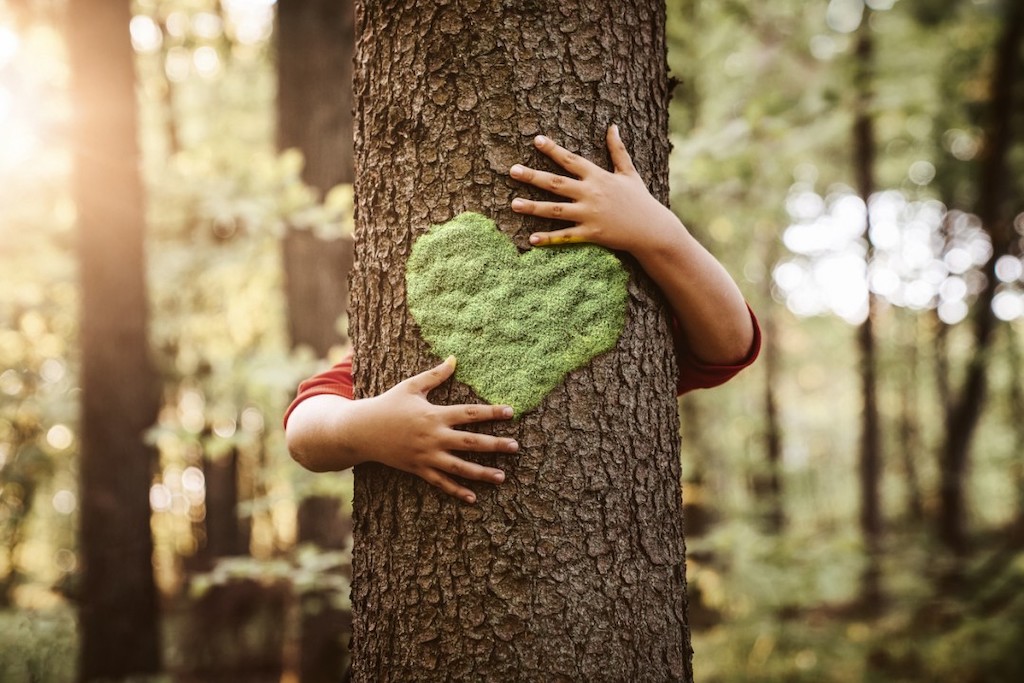
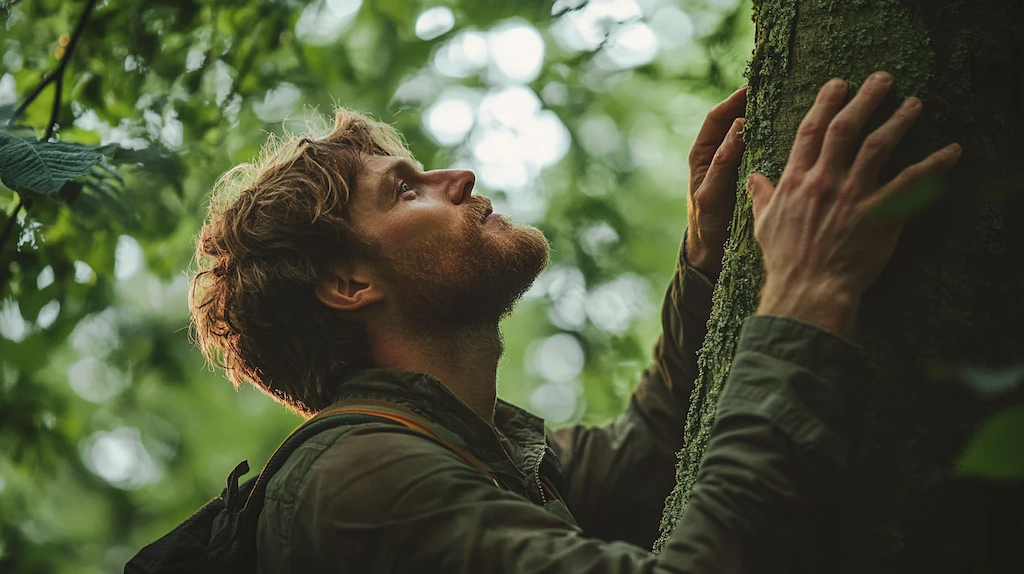
Wildlife Matters Investigates looks at how nature connections can help with your mental health and wellbeing.
In today’s chaotic world, many of us are increasingly aware of our health and well-being. A key aspect of this awareness is the importance of spending more time in nature.
Last year, we started an occasional series exploring the well-being benefits of nature, including the physical advantages of dedicating just thirty minutes a day to walking outdoors.
Wildlife Matters Investigates delves into how time spent in nature can connect, soothe, heal, and restore us. We provide science-backed research and data to help you reconnect with the natural world, whether you aim to maintain good mental health or seek ways to cope with the challenges of modern life.
Nature connects
Connecting with nature is a profoundly personal experience for each of us; often, it’s a unique and meaningful connection that occurs.
Wildlife Matters believes that we are inherently part of nature and that our disconnection results from the events and distractions that dominate our fast-paced world.
Many people struggle to accept that nature is inherently within them and often find it hard to believe that it can help. For those with doubts, let’s look at what the science says:
Field studies conducted by Kuo and Coley at the Human-Environment Research Lab demonstrate that time spent in nature fosters a connection to the larger world.
Similarly, research from the University of Illinois indicates that residents in Chicago public housing with access to trees and green spaces report stronger community ties, increased feelings of unity with neighbours, and a greater sense of belonging compared to those living in buildings without greenery.
These benefits extend beyond their social connections; residents with green surroundings experience a reduced risk of street crime, lower levels of violence and aggression among domestic partners, and improved coping mechanisms for life’s challenges, particularly the stresses associated with poverty.
Neuroscientific studies using fMRI have shown that even just looking at nature scenes activates areas of the brain linked to empathy and love. In contrast, urban scenes can trigger regions of the brain associated with fear and anxiety.
This suggests that nature not only enhances our sense of community but also inspires feelings that help us connect more deeply with our environment.
So when we say Nature Connects, we mean that it helps us to live together better and for the benefit of people, wildlife and nature. That’s got to be worth working for.
Our second claim is that Nature soothes.
Instinctively, some people know that they can find within nature everything they need to soothe themselves. Indeed, natural remedies from herbalists and other trained nature practitioners can help relieve symptoms and help us to live an active and satisfying life. Much of modern medicine is based on nature, although heavily modified and adapted into modern-day pharmaceuticals.
We are not trained to give medical advice, and we advise you to speak to your Doctor or Medical Professional before deciding to try natural solutions to any illnesses or discomfort you may have.
What we know to be true for us is that Nature plays a significant role in helping us cope with pain.
Our genetic programming leads us to find trees, plants, water, and other natural elements, allowing us to become absorbed in natural scenes and distract ourselves from discomfort.
This concept is well illustrated by a classic study involving patients who underwent gallbladder surgery.
In this study, half of the patients had a view of trees. In contrast, the other half faced a wall, and according to the physician Robert Ulrich, who conducted the study, those with the tree view tolerated pain better, appeared to have fewer adverse effects in the eyes of nurses, and spent less time in the hospital.
More recent studies have corroborated these findings, showing that exposure to natural environments in hospital rooms also contributes to improved patient outcomes.
Recent studies have confirmed that exposure to natural environments in hospital rooms significantly improves patient outcomes.
The concept of ‘Nature Heals’ is well-supported by research, which shows that being in nature or even viewing natural scenes can reduce feelings of anger, fear, and stress, while increasing pleasant emotions.
Being in nature not only enhances emotional well-being but also benefits physical health by lowering blood pressure, heart rate, muscle tension, and the production of stress hormones.
Some scientists, including public health researchers Stamatakis and Mitchell, suggest that it may even reduce mortality rates.
Research conducted in hospitals, offices, and schools indicates that even the presence of a simple plant in a room can have a notable impact on reducing stress and anxiety.
Our final claim is that nature restores well-being. One of the most intriguing areas of current research is the impact of nature on our general well-being.
In a study published in Mind, 95% of participants reported an improvement in their mood after spending time outdoors, transitioning from feelings of depression, stress, and anxiety to a more balanced state.
Further research by Ulrich, Kim, and Cervinka supports this, showing that time spent in nature or even viewing scenes of nature is linked to a positive mood, psychological well-being, a sense of meaningfulness, and increased vitality.
Additionally, time in nature enhances our attention span.
Most of us find nature inherently interesting, which allows us to focus more effectively on our experiences in these settings.
This connection provides a much-needed respite for our overactive minds, refreshing us for new tasks. Notably, Andrea Taylor’s research highlights that children with ADHD show increased attention spans after spending time in nature.
Having backed up our claim that Nature connects, soothes, heals, and restores us, let’s now examine the problems that arise from living with nature deprivation.
Nature deprivation is a term used by researchers to define a lack of time spent in the natural world due to excessive hours in front of TV or computer screens, and has been linked to depression.
Other research studies, including those by Weinstein, shockingly reveal that screen time can also lead to a loss of empathy and a decline in altruism.
The risks extend beyond mental health; a study published in the Journal of the American College of Cardiology found that excessive screen time is associated with a higher risk of death, independent of physical activity.
So, screentime and the associated sedentary lifestyle, often fuelled by takeaway and convenience foods that are highly processed, can increase the risk of disease and even a premature death.
For someone who has spent a lifetime enjoying the great outdoors and finds endless fascination in the natural world—its flora and fauna—it can be not easy to understand why some people prefer to stay indoors.
While I respect everyone’s choices, the joy of reconnecting with nature is strong enough to shift perspectives in a short amount of time.
If individuals continue to engage with the outdoors, they will begin to experience the benefits we will discuss shortly, which can significantly enhance their daily lives.
So, I encourage you to take a walk in the countryside, visit a nature reserve, explore an urban greenspace, or stroll through your local park. Commit to an hour a day for a week and observe how you feel one week from today.
Here are some of the benefits that you may find by reconnecting with nature.
In today’s world, where we often find ourselves glued to computer screens, it’s easy to overlook the profound impact nature can have on our mental well-being.
Engaging with the natural environment offers significant benefits for our mental health. Here are several ways in which spending time outdoors can enhance your overall well-being and bring you the Benefits of being in Nature.
1. Reduces Stress and Anxiety
Spending time in natural settings has been shown to lower cortisol levels, a hormone associated with stress. The tranquillity found in green spaces, flowing water, or expansive landscapes helps shift our focus away from stressors, calming our minds.
2. Improves Mood
Exposure to natural light, particularly sunlight, can significantly alleviate feelings of depression and enhance overall emotional well-being.
3. Enhances Cognitive Function
Activities in natural settings, such as walking in a park, are associated with improved concentration and cognitive function.
4. Increases Creativity and Inspiration
The beauty and diversity of natural landscapes inspire new ideas and stimulate our imagination.
5. Cultivates Environmental Appreciation
Regular exposure to nature fosters a greater appreciation and respect for the environment, often motivating individuals to adopt a more sustainable lifestyle and commit to preserving natural spaces.
6. Improves Social Connections
Engaging in activities like walking with a friend, joining a hiking group, or participating in community gardening can significantly enhance mental health and well-being.
7. Fosters a Sense of Belonging and Peace
In nature, we often experience a profound sense of belonging to something greater than ourselves, providing perspective in our lives.
There were some excellent ideas to try next time you are out in nature.
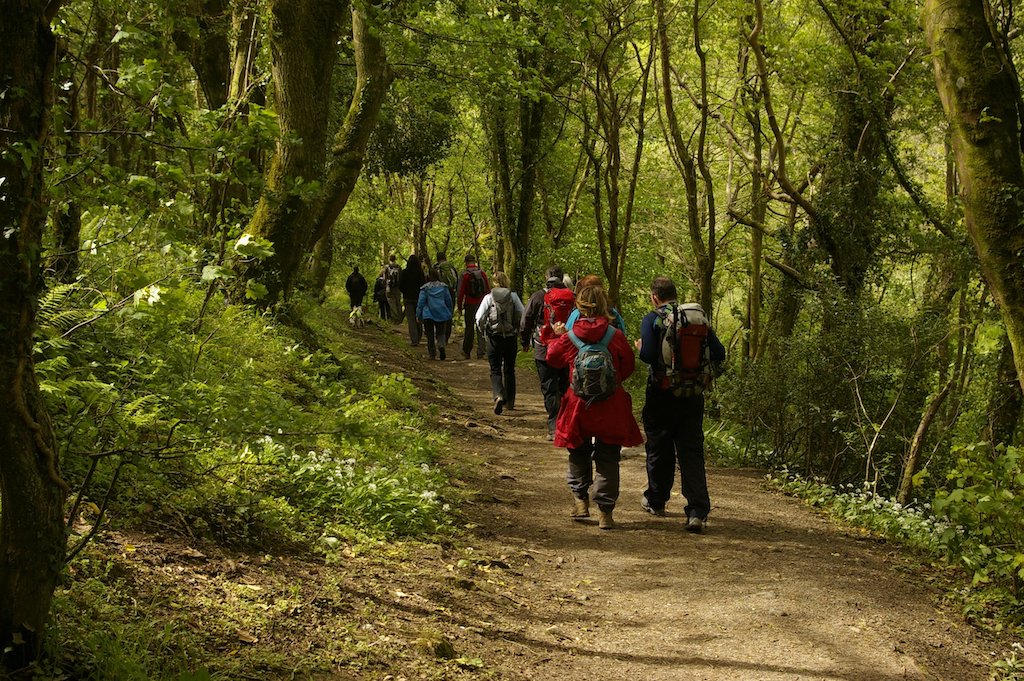
At Wildlife Matters, we have delivered programmes that encourage individuals to reconnect with nature through their senses.
We have taken diverse groups, including young people from inner cities, prison inmates, and survivors of serious illnesses or disabilities, on walks in natural settings. Engaging with these environments can deepen our connection to the world and significantly enhance our mental well-being.
By incorporating these experiences into our daily lives, we can enjoy greater mental health benefits and enhance our positive impact on overall well-being. Engaging your senses in nature is essential; I often encourage participants to start with their sense of smell.
Many people have a good sense of smell but don’t use it enough.
Natural scents can be soothing and grounding, and our sense of smell is closely linked to our emotions and memories.
I ask participants to share their favourite smells, often tied to childhood memories with family—like Gran’s apple crumble, Grandad’s pipe smoke, or the scent of pine, all of which can reduce stress and promote relaxation.
Another underutilised sense is touch. Physical contact with nature can be therapeutic.
On walks, I encourage people to feel the textures of different leaves, the smoothness of stones, or the roughness of tree bark.
Depending on the weather, I ask them how the sun feels on their skin or, quite often, how the rain feels.
One of my little pleasures is walking barefoot, and I encourage everyone to remove their boots and socks and walk on the grass or woodland floor, a practice known as “earthing,” which may help reduce stress and improve sleep.
Next, I will ask the group to be quiet and still, a practice that is always beneficial for observing wildlife in nature.
As we listen, I will identify the sounds of birds, frogs, or occasionally mammals, asking the group to focus on these natural noises.

Often, we’ll hear pigeons or corvids, but one memorable experience involved a group of teenagers from an inner-city programme as we listened to the distinctive sound of a greater spotted woodpecker, its rhythmic knocking against a dead tree as it crafted a nesting hole.
The group was genuinely captivated by the woodpecker’s steady rhythm, and we were fortunate enough to spot it, allowing them to appreciate the beauty of our native woodpeckers.
Natural sounds have been linked to lower stress levels and improved mood. Even in urban areas, the rustling of leaves, the chirping of birds, or the gentle flow of a stream can foster a sense of tranquillity.
The final two senses are more challenging to engage. As an experienced forager, I would never eat anything I couldn’t positively identify, but the stakes are higher when others are involved.
Inviting them to taste wild foods elicits a variety of reactions; while many are open to trying something new, some flatly refuse to eat anything that isn’t packaged.
Regular attractions include berries such as wild strawberries, blackberries, and elderberries, while at different times of the year, we might come across wild garlic, damsons, or bullaces.
I want them to savour the flavours of fresh fruits, berries, and herbs, and I encourage them to explore different vegetables, perhaps from a local farmer’s market, or even try growing some if they have a garden or access to a community garden.
Herbal teas made from natural ingredients provide a delightful way to savour the essence of nature. I often prepare nettle, meadowsweet, or cleavers tea from leaves and flowers gathered during our walks for everyone to enjoy.
In a world where vision often overshadows other senses, our language reflects this bias.
Phrases like “see you later” or “oh, I see” illustrate our reliance on sight, and we tend to judge food by its appearance, often bypassing perfectly good options simply because they look unusual.
However, after engaging their senses, participants usually have something to share from each one, especially taste, as many describe the flavours and aromas of the woodland or meadow where we walk.
This is why I prioritise other senses before vision. I encourage everyone to stand or sit still, close their eyes, and share what they can hear, smell, touch, and taste.
I also promote a practice called nature gazing, which involves quietly observing natural scenes and mentally noting details. Often, the longer you look, the more you discover.
This simple exercise can alleviate anxiety and enhance focus, highlighting how taking time to appreciate the colours of a garden, the movement of wildlife, or the patterns of clouds in the sky can be profoundly enriching.
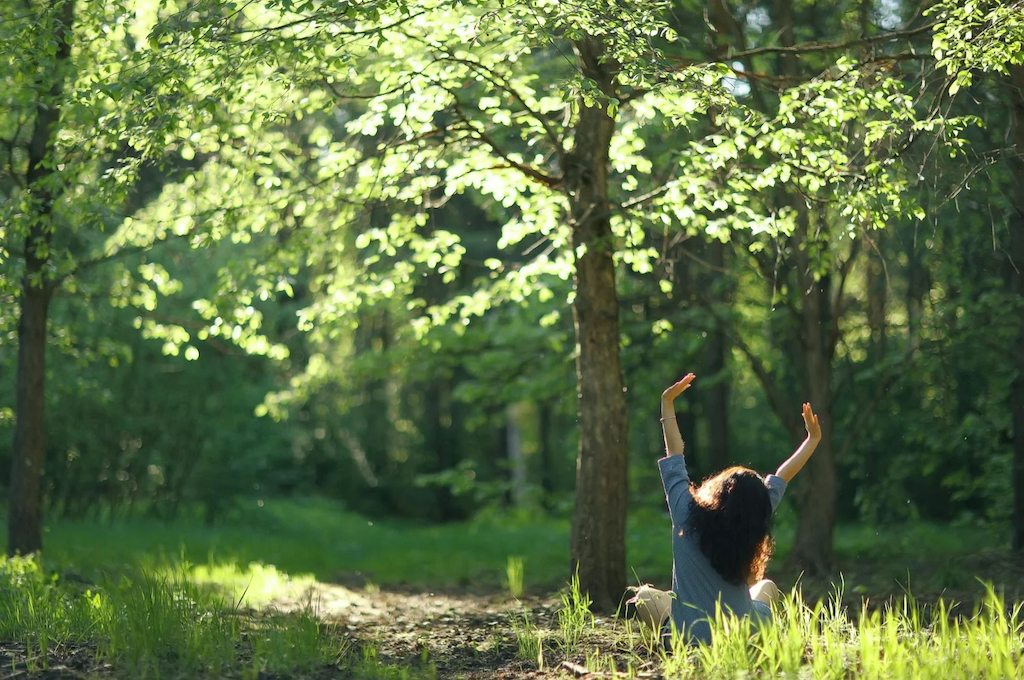
With many of the people on our walks coming from inner city urban environments, we will often spend time at the end of the walk to give them some ideas of how they can connect with nature in the city.
Explore Urban Green Spaces
Visit your local park, community gardens, tree-lined avenues, and riverside walks in your city to unwind in nature. Even in bustling areas, elements of nature are often within reach if you take the time to look.
Start a Window or Balcony Garden
If you have a sunny window or a balcony, consider growing plants and herbs. Caring for living things can bring nature into your home, brightening your living space with house plants and flowers.
Visit Local Farmers’ Markets
Farmers’ markets offer a chance to experience nature’s bounty while supporting local agriculture. Here, you can connect with fresh produce grown by community members, thereby supporting local businesses as well.
Practice Nature Mindfulness
Engage in mindfulness exercises that focus on the natural elements around you, even in an urban setting. Pay attention to the warmth of the sun on your skin, the feel of the breeze, or the sounds of birds to enhance your connection with nature.
Listening to Nature Soundscapes
If access to natural spaces is limited, listening to recordings of natural sounds can transport you to tranquil forests, serene beaches, or majestic mountains. This practice can significantly enhance mental relaxation and alleviate stress.
Outdoor Exercise Routines
Engaging in outdoor exercise routines such as yoga, tai chi, or jogging can uplift your mood and improve your overall health.
Simply walking in a green space allows you to enjoy the benefits of fresh air and nature as you move.
We aim to encourage people to spend time in nature, even in the heart of the city or around an industrial estate during their lunch break. In that case, it’s important to help them practice mindfulness as often as possible.
You may not be able to do these mindful activities every day, but you should aim to try them as often as possible.
Bringing mindfulness into our daily interactions with the natural world can significantly enhance mental health benefits.

Here are some ideas for you to consider:
Nature Meditation
Find a quiet spot in a natural setting—perhaps under a tree or by a body of water—and meditate. Focus on the natural sounds around you, the sensation of the air on your skin, and the scents of the environment to help quiet your mind.
Outdoor Mindfulness Practices
Engage in activities such as walking slowly and deliberately in a natural setting, paying close attention to each step and the sensations of your surroundings.
Another option is to sit quietly and observe your surroundings, such as the movement of leaves in the wind, the buzzing of bees, which plants they are visiting, and the birds you can see or hear.
Disconnecting from Technology
Take a break from your electronic devices, which will help you be present in the moment and reduce distractions.
Silent Walks
Go for a walk in nature without speaking. This silence allows you to listen more closely to the natural world and your inner thoughts, providing a powerful way to connect deeply with both.
This may be more challenging during a lunch break. Still, it’s worth considering as an option when you have more time: Forest Bathing or Shinrin-Yoku. Originating from Japan, forest bathing involves immersing yourself in the forest atmosphere.
This practice is associated with lowered heart rate and blood pressure, reduced production of stress hormones, and improved overall feelings of well-being.
When time allows, you may also want to try.
Mindful Photography
Take your camera on nature walks and focus on capturing the details often overlooked. This practice combines creativity with mindfulness, offering a fresh perspective on the natural world.
Gardening Mindfully
Engage in gardening as a soothing and grounding mindfulness exercise. Pay attention to the feel of the soil, the growth process of the plants, and the vibrant colours and textures around you.
Mindful Eating Outdoors
Enjoy a meal outside, focusing on the flavours of your food and the surrounding environment. This merges the benefits of mindful eating with the refreshing experience of being in nature.
Connecting with Nature Improves Mental Health
Connecting with nature offers a much-needed respite from daily stresses, stimulating the senses to calm and rejuvenate.
Exposure to natural environments can provide physiological benefits, such as lowering blood pressure and cortisol levels, which help in managing stress and anxiety. Additionally, natural settings can improve mood, foster a sense of belonging and well-being, and enhance focus and creativity.
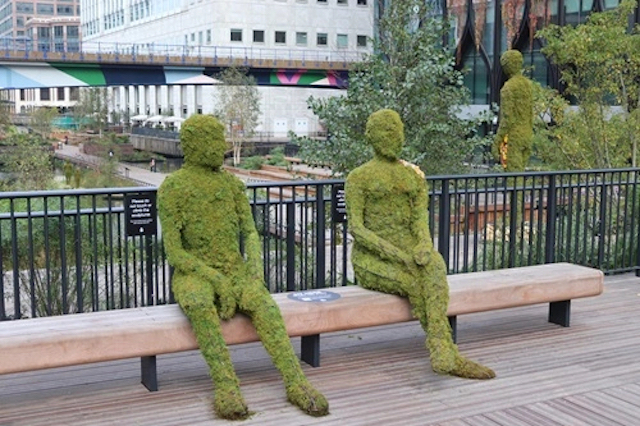
Nature Activities in Urban Environments
Even in urban settings, nature can be found in parks, community gardens, and riverside paths. Small green spaces provide opportunities to connect with nature, whether through gardening, outdoor exercise, or participating in community environmental initiatives.
Additionally, city dwellers can incorporate nature into their lives by practising mindfulness and meditation that focuses on available natural elements, such as sunlight, breezes, or potted plants.
Benefits of Nature Sounds in Meditation
Incorporating nature sounds into meditation can significantly enhance the experience.
Sounds like rustling leaves, flowing water, or bird calls are linked to relaxation and stress reduction.
These sounds create a peaceful ambience, making it easier to focus during meditation and reach a deeper state of relaxation.
Listening to nature sounds can evoke positive emotional responses, ground you in the present moment, and strengthen your connection to the world around you.
Mindfulness practices can vary significantly based on different natural settings, each offering unique opportunities for engagement.
On beaches or waterfronts, mindfulness can involve listening to the gentle lapping of water, feeling the sand beneath your feet, or gazing at the vastness of the ocean.
Gardens, whether personal or community-based, provide an ideal environment for mindful gardening, where attention is directed towards the sensations of soil, the textures of plants, and the nurturing aspects of gardening.

In urban parks, mindfulness practices can concentrate on the feel of grass underfoot and the sounds of birds amidst city life.
Each of these settings enhances the mindfulness experience, contributing positively to mental health through exposure to nature.
And that has been this week’s Wildlife Matters Investigates, looking at how connecting with nature can soothe, heal and restore our mental health.
If you have wildlife-related issues that matter to you and would like us to investigate them on a future Wildlife Matters Investigates, please leave a comment on YouTube, Apple or Spotify podcast platforms, or our social media channels, or drop us an email. The address is in the show notes.
If you enjoyed this blog, please check out more of our wildlife blogs here, or you may prefer to listen to the Wildlife Matters Podcast here.
If you want to support our work
Please click on the Wildlife Matters Patreon Community.
Please click to join the Wildlife Matters Substack Community.
You can donate here.
Further Reading
Mental Health Foundation – Connecting with Nature