
Today, Wildlife Matters is exploring something a bit different: an autumn walk at Winkworth Arboretum, a managed wild space. An arboretum is a type of botanical garden where many kinds… Continue Reading... "131 Autumn Walk at Winkworth Arboretum"
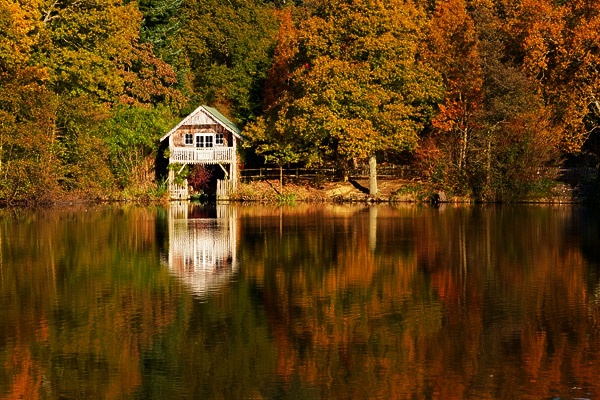
Today, Wildlife Matters is exploring something a bit different: an autumn walk at Winkworth Arboretum, a managed wild space. An arboretum is a type of botanical garden where many kinds… Continue Reading... "131 Autumn Walk at Winkworth Arboretum"
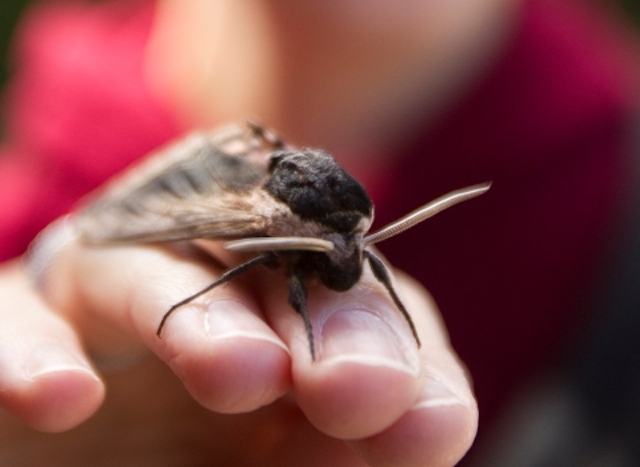
This week, join Wildlife Matters for a Midsummer Moth Walk. June is heading towards the peak of moth activity and a great month to find some fabulous moths. June’s specialities include the Hawkmoths, which are colourful, big, impressive creatures. Continue Reading... "119 Midsummer Moth Walk "

The Common Hazel tree is a remarkable and essential part of British wildlife. Not only does it provide food and shelter for wildlife, but it also has significant medicinal and historical value. From being used in herbal medicine to serving as a source of protein-packed food, hazel trees play a vital role. Additionally, its folklore and cultural significance make it a truly magical and underrated tree in today’s world. Continue Reading... "084 Britain’s Trees – The Hazel tree"

The world of foxes is captivating, and witnessing a fox family grow and thrive is truly remarkable. As the season changes from winter to spring, we follow the Vixen and the Dog Fox as they welcome and nurture their cubs. From the early days in the den to the cubs’ playful antics and development, the bond within the fox family is heartwarming. Continue Reading... "076 – Foxy Facts – Foxes in Springtime"

Badgers are fastidious creatures and constantly change their bedding. Already this year, one of my trail cameras filmed a sow badger bundling grass and other vegetation under her chest, which was held in place with her forepaws before she jerkily moved backwards to carry the material underground into her sett. Continue Reading... "073- Badgers in Springtime"
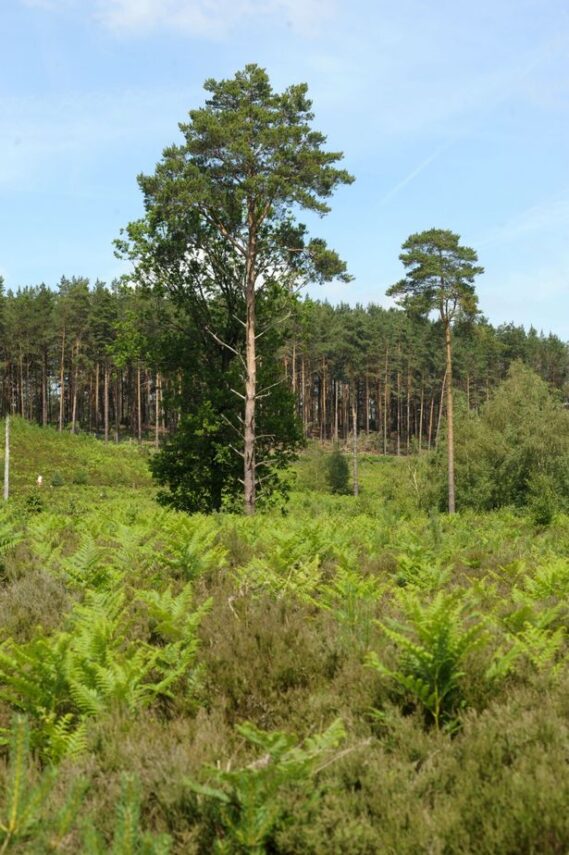
Clearly, by its very nature, finding Britain’s Rarest Woodland plants is a challenge – so settle down with a drink and some biscuits and get ready for Part two. Continue Reading... "068 Britains Rarest Woodland Wildflowers Part Two"
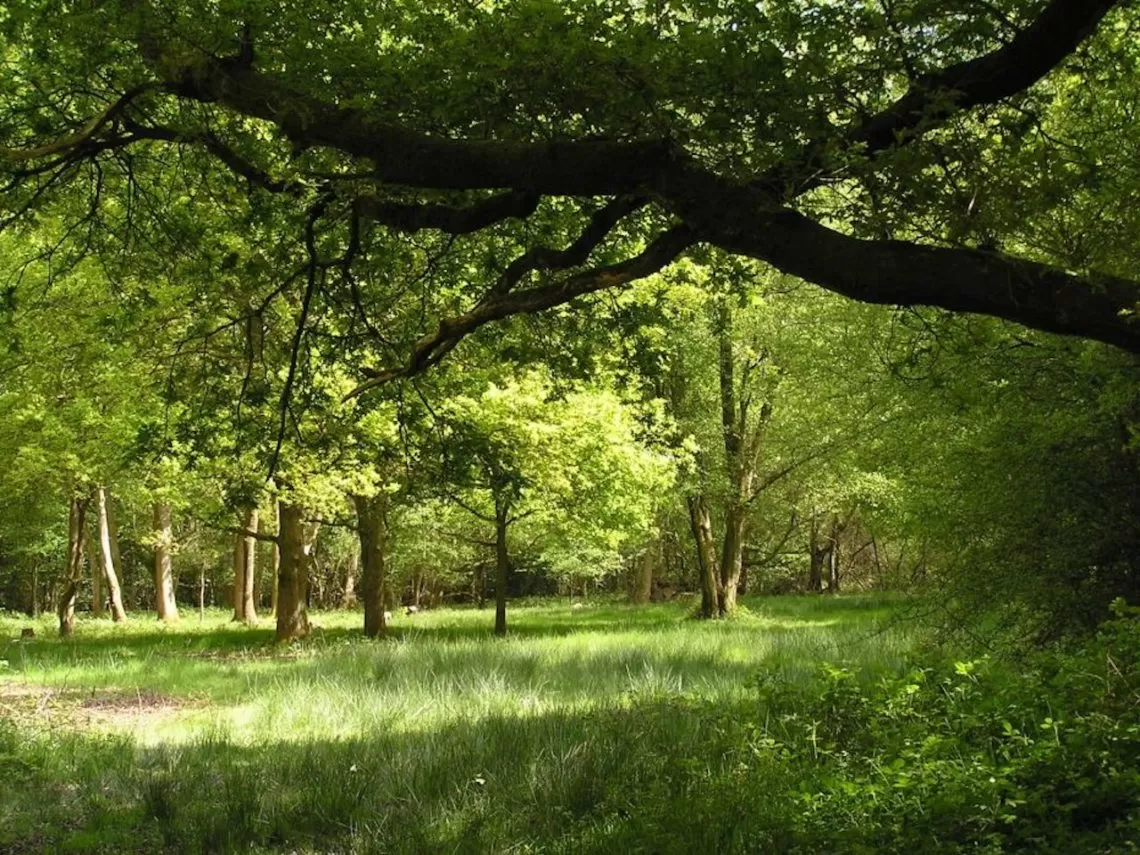
Ancient woodlands are identified by the abundance of plants that spread slowly over the ground and whose seeds fall close to the parent. Wild anemone, wood sorrel, wild garlic, guelder rose, wood spurge, and small-leaved lime are some of the most likely indicators of ancient woodland. These woodlands have existed for centuries and have developed unique communities of plants and animals that aren’t found in any other habitat. Continue Reading... "020 Wildlife Habitats – Ancient Woodlands"

Woodlands are not static – they are dynamic living entities that grow and develop with their unique mix of habitats, plants, and wildlife species. Woodlands, whatever their size, have a direct impact on the environment, climate, and local ecosystem. Continue Reading... "011 Woodlands – Happy healthy spaces for wildlife and People"

Fungi play a vital role in our ecosystems. This is because of their ability to recycle nutrients through decomposition and make them available to other plants. Continue Reading... "006 Mycelium – The Magic of Mushrooms"