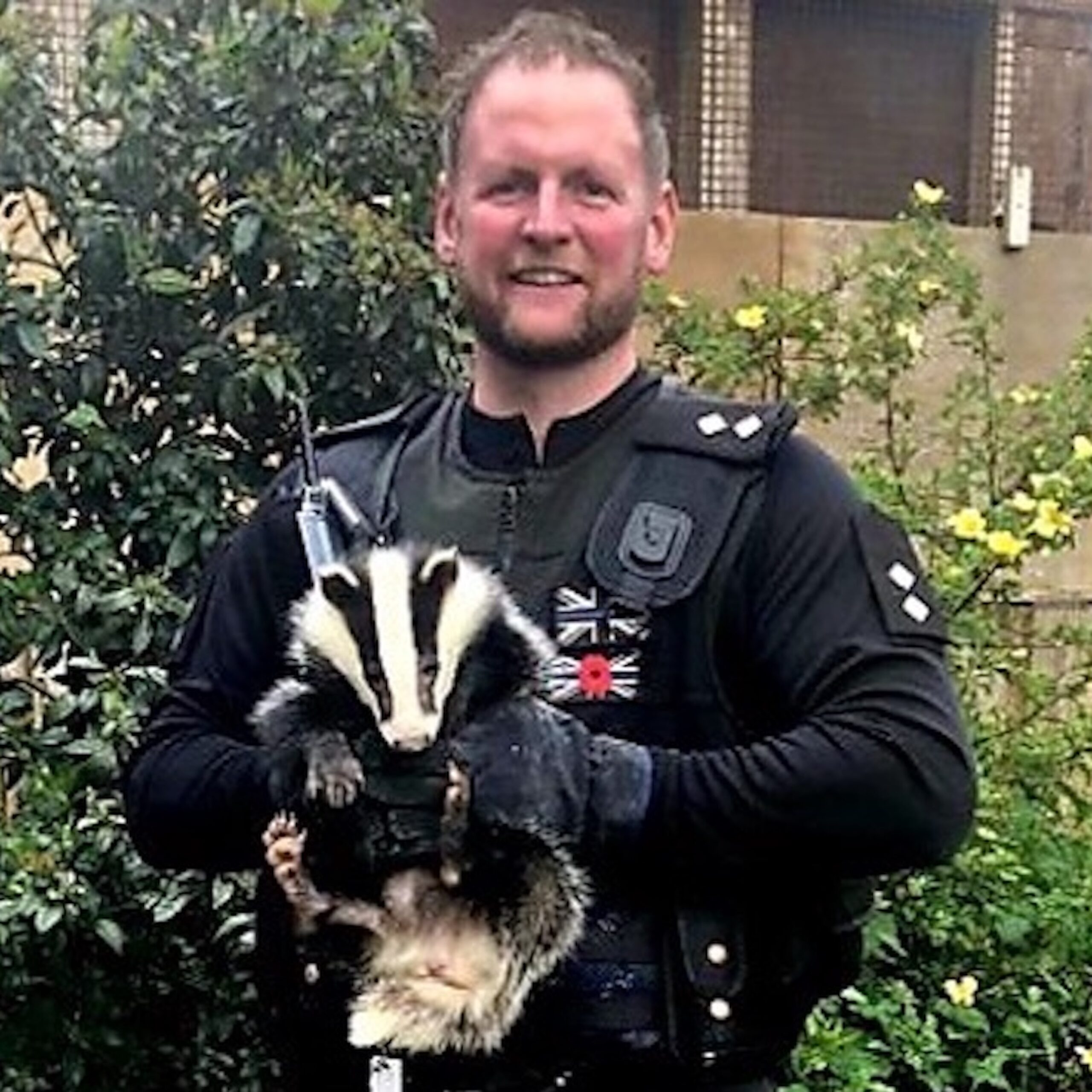
Wildlife Matters campaigns for better protection for our native wildlife. Still, Wildlife protection can be a contentious issue, which is why we want to explain what wildlife protection is and why it matters.
In the first of two Wildlife Matters Investigates, we look at wildlife protection for mammals in the UK.
Wildlife in the UK is protected for many reasons, including preserving biodiversity, ensuring sustainable development, and maintaining a healthy environment for future generations. This protection is achieved through legislation known as Acts.
These laws provide legal safeguards for endangered species and their habitats, requiring that the potential impacts of projects on them be considered.
The key acts that protect wildlife species and habitats include the Wildlife and Countryside Act 1981, which is the primary mechanism for wildlife protection in Britain.
The legislation under this Act covers four main areas:
Part One: Wildlife Protection
This includes protecting wild birds, their eggs and nests, as well as certain mammals, wild plants, and endangered species.
Part Two: Nature Conservation, Countryside, and National Parks includes protection of SSSI (Sites of Special Scientific Interest) and Ramsar sites, and the management of the countryside and protection of National Parks.
Part Three Public Rights of Way
Provides a duty to maintain updated maps of public rights of way, with the maps under continuous review, and to define permissions, appoint land wardens, or plough public rights of way, as examples.
Part four, titled Miscellaneous and General, is a catch-all to the Act, defining Crown Land, Land in Scotland, and the Isles of Scilly, amongst other minor amendments and the serving of failure notices.
Another critical piece of legislation is the Protection of Badgers Act 1992.
The Protection of Badgers Act 1992 makes it illegal to intentionally kill, injure, or take a badger, as well as to damage, destroy, or obstruct a badger sett. It also prohibits cruelty, digging for badgers, or using badger tongs. While there are exceptions and a licensing system, for example, to prevent the spread of disease, it is generally an offence to harm badgers in any way.
Wild Mammals Protection Act 1996
The Wild Mammals Protection Act 1996 makes it illegal to intentionally cause unnecessary suffering to any wild mammal in England, Wales, and Scotland through acts such as beating, mutilating, or crushing them.
The Act prohibits specific cruel acts like stabbing, burning, and drowning, but includes exemptions for mercy killings and lawful euthanasia. It also gives constables the power to stop and search individuals or vehicles if they suspect an offence has been committed.
The Hunting Act bans hunting wild mammals with dogs in England and Wales, including fox hunting and deer hunting, with few exceptions. The ban came into effect in 2005 and prohibits chasing wild mammals with dogs unless it’s done under specific legal exemptions, such as “flushing out” an animal, or following an artificial scent trail in a process called trail hunting. The Act is controversial, with opponents claiming it has loopholes that allow traditional hunting methods to continue illegally.
The Conservation of Habitats and Species Regulations 2010consolidated various amendments to the Conservation of Habitats and Species Regulations 1994, particularly those affecting England and Wales.
These regulations address the designation and protection of European sites, as well as the security of European protected species.
The Conservation of Habitats and Species Regulations 2010 is a UK law that implements EU directives to protect habitats and species of European importance.
They establish protection for “European sites” such as Special Areas of Conservation, often known as SACs, and Special Protected Areas, known as SPAs, in addition to “European protected species,” and require public authorities to consider the effects of plans or projects on these sites before granting consent, such as planning permission. Activities like deliberately disturbing or killing protected species, or destroying their breeding sites, are made illegal unless authorised by a license.
The Natural Environment and Rural Communities Act 2006
led to the merger of English Nature with the Countryside Agency and the Department for Environment, Food and Rural Affairs’ Rural Development Service, forming a new agency called ‘Natural England,’ which began operations in October 2006.
The Natural Environment and Rural Communities Act 2006 (NERC Act) created two public bodies: Natural England to conserve and enhance the natural environment, and the Commission for Rural Communities to promote the interests of rural areas. It also addressed other issues, such as a biodiversity duty for public bodies, wildlife protection, and changes to rights of way and inland waterways.
The acts we will focus on in this article are those that cover terrestrial mammals, in some cases, other acts, and are known as Protected species.
A broad summary of these acts means that wild mammals have some legal protection in the following areas.
Sustainable Development: Laws require developers to avoid or mitigate impacts on protected species and their habitats, promoting responsible land use.
Habitat Protection: Protected species often rely on specific habitats. Hence, conservation efforts also focus on safeguarding these habitats to ensure the long-term survival of wildlife.
Legislation: The Wildlife and Countryside Act 1981, for example, protects all mammals from deliberate cruelty and requires consideration for biodiversity in government actions.
Planning Considerations: Developers must assess the potential presence of protected species on their sites and take necessary measures to avoid or mitigate any negative impacts.
Cultural and Traditional Significance: Some endangered species are essential for culture and tradition, and their loss would have ecological and cultural consequences.
At Wildlife Matters, we do not have formal training in law or law enforcement. Instead, our expertise comes from our commitment to protecting wildlife in various ways. We address the persecution of wild animals in Britain, which includes practices such as hunting with packs of dogs, baiting and fighting, blocking setts or underground burrows for sport or development, as well as deliberate poisoning, illegal snaring, and shooting, to name just a few.
We have been involved in successful prosecutions of wildlife offenders who persecute wildlife for sport or perverse pleasure.
Based on over three decades of experience, here is our guide to some of the mammals that suffer from persecution and how the acts help protect them, and how the police investigate them.
Protected species: Badgers
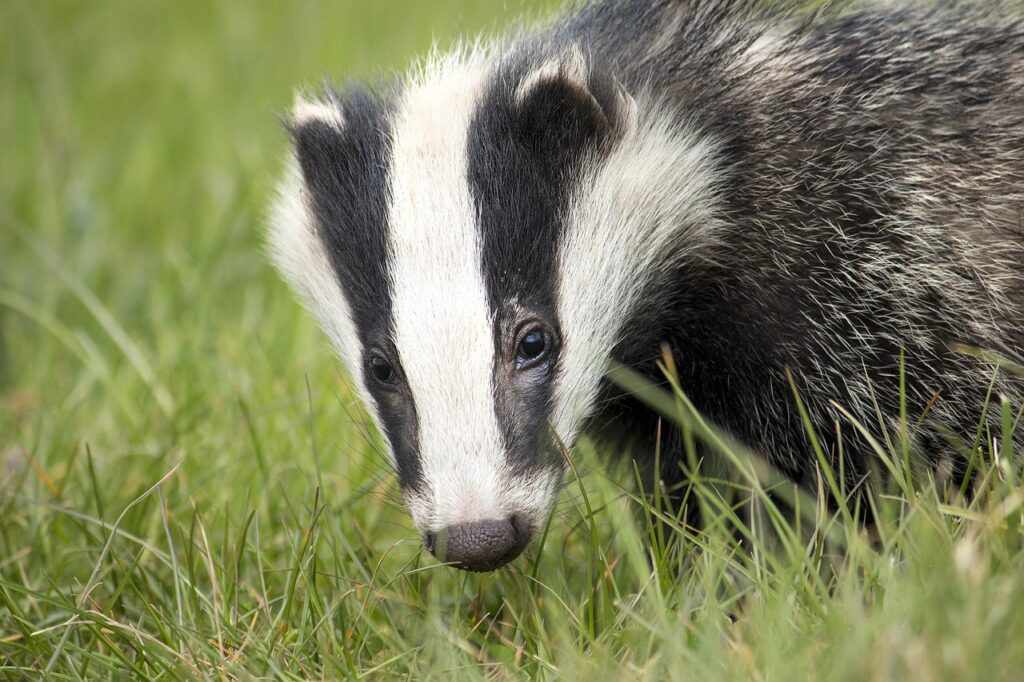
Badgers are robust, short-legged omnivores easily recognised by their striking black-and-white striped faces and fluffy tails, complemented by their distinctive black bellies and paws. As exceptional diggers, they possess strong claws and are primarily nocturnal.
These fascinating animals create intricate homes known as setts, which are tunnels they dig underground. Badgers can be found across much of North America and Europe.
While they typically inhabit the edges of woodlands and rural areas, badgers are adapting to urban environments due to habitat development and culling. They often venture into town gardens in search of food, sometimes damaging lawns and flower beds. However, their presence is generally harmless to humans.
Understanding that badgers are a protected species in the United Kingdom is crucial for coexistence. Legally, harming, disturbing, or removing them is prohibited, including digging up their setts or allowing dogs into these areas, which helps promote respectful interactions.
Instead of confronting them directly, focus on deterring badgers from your garden by eliminating the things that attract them, such as food sources or shelter.
Badger Trust, the leading organisation advocating for badgers in England and Wales, highlights their ecological importance. Badgers disperse seeds through their dung and create habitats for amphibians, plants, and small mammals, making space for them, benefiting biodiversity, and encouraging coexistence.
Badgers and their setts are protected by the Protection of Badgers Act 1992, which makes it illegal to intentionally kill, injure, or take a badger. It is also an offence to cause cruelty to badgers or to interfere with a badger sett, which includes damaging it, obstructing access, or disturbing badgers within it. Penalties for these offences can consist of up to six months’ imprisonment and/or an unlimited fine.
What the law protects against:
Killing or harming badgers: It is illegal to intentionally kill, injure, or take a badger.
Cruelty: Cruelly mistreating a badger is also an offence.
Interfering with setts: This includes damaging, destroying, or obstructing access to any part of a badger sett, such as tunnels or chambers where they live.
Disturbing badgers: It is prohibited to disturb a badger while it is occupying a sett.
Using dogs: Intentionally allowing a dog into a sett is an offence.
Digging for badgers: This is illegal.
Possession or trade: It is illegal to sell or possess a live badger or its parts.
Penalties:
Conviction for these offences can result in a prison sentence of up to six months and an unlimited fine.
Protected Species – Fox
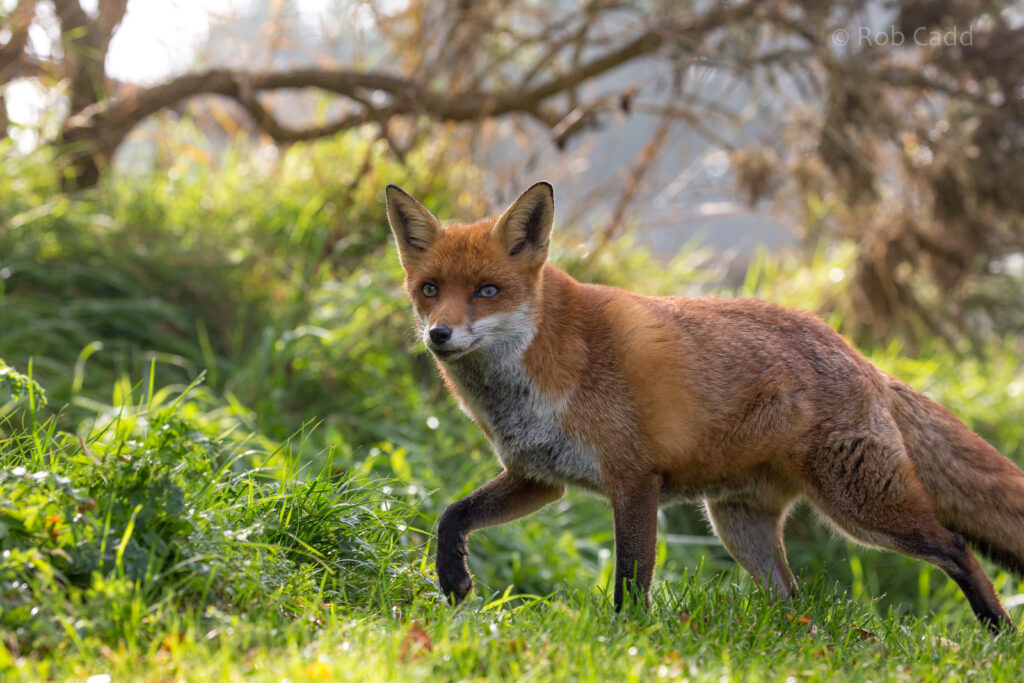
Picture Credit Rob Cadd
The Red Fox stands as one of nature’s most adaptable land mammals, boasting the most extensive natural distribution of any terrestrial species aside from humans.
The UK population is around 375,000, with approximately a third living in our towns and cities. That said, life is fraught with challenges for these clever canids.
Research data indicates that up to 50% of the UK’s fox population falls victim to road accidents, and a staggering 80% of fox cubs don’t survive to reach breeding age.
For centuries, foxes have faced significant persecution.
Foxes are protected by the Animal Welfare Act of 2006, which prohibits causing “unnecessary suffering,” including the poisoning of these animals. Hunting with dogs is a cruel and anarchic practice banned in England, Scotland, and Wales, and further seeks to protect them, although the laws vary.
Foxes play a unique role in biodiversity and habitats within habitats. They have never been classified as either pests or vermin. The term “vermin” is often used by agricultural and hunting advocates to justify control measures against foxes. Still, it is a myth based on misinformation.
The Hunting Act of 2004 bans hunting foxes with packs of dogs in England and Wales. Trail hunting, where a scent is laid for hounds to follow, is legally permissible but has drawn criticism for providing a loophole for illegal activities.
The current Labour government has pledged to ban Trail Hunting and to enhance the Hunting Act, aiming to further protect foxes and other native wild animals from hunting with dogs.
Engaging in illegal hunting can lead to serious legal consequences, including fines of up to £50,000 or imprisonment, underscoring the importance of respecting wildlife.
The Red Fox, with its cleverness and adaptability, remains a symbol of resilience in the UK’s natural landscape.
Respecting their rights and understanding their role in our ecosystems is crucial for their survival and coexistence with humans.
It remains illegal to kill foxes using harmful methods like kicking, beating, stabbing, or poisoning, which helps clarify acceptable practices and promotes humane treatment.
Protected Species: Pine Martens
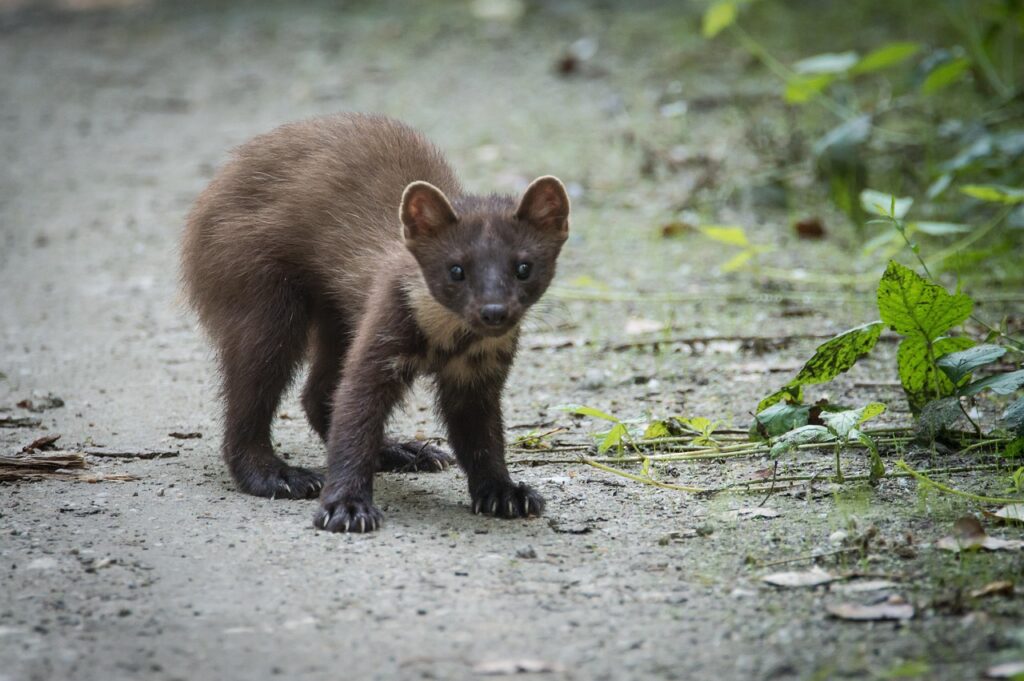
The pine marten is a captivating and agile creature that belongs to the Mustelidae family, which includes weasels, badgers, and otters.
With their charming demeanour and playful antics, these carnivorous mammals inhabit a variety of habitats across much of Europe and parts of the Middle East, underscoring their ecological significance and widespread distribution.
In the UK, pine martens are most prominently found in Scotland and Wales, whilst efforts to reintroduce them in England are gradually taking shape.
Sadly, these remarkable animals have been driven to a critically endangered status due to extensive hunting and habitat loss. This makes ongoing conservation efforts crucial to ensure their survival and uphold ecological balance in their native environments.
One of the most striking features of the pine marten is its keen sense of sight, smell, and hearing. These attributes are essential for their survival, allowing them to be exceptional hunters, and they certainly capture the imagination of those who encounter them.
Easily identifiable by their luxurious coats that range from light to dark brown, along with a distinct cream or yellow bib adorning their throats, pine martens are a delight to observe.
While they prefer woodland habitats, their remarkable adaptability allows them to thrive in more open spaces as long as there’s adequate tree cover, showcasing their ecological significance.
In the UK, Pine Martens are protected under the Wildlife and Countryside Act 1981. This legislation makes it illegal to intentionally harm, capture, or disturb them in their dens, emphasising the urgent need for their protection.
Protected species: Bats
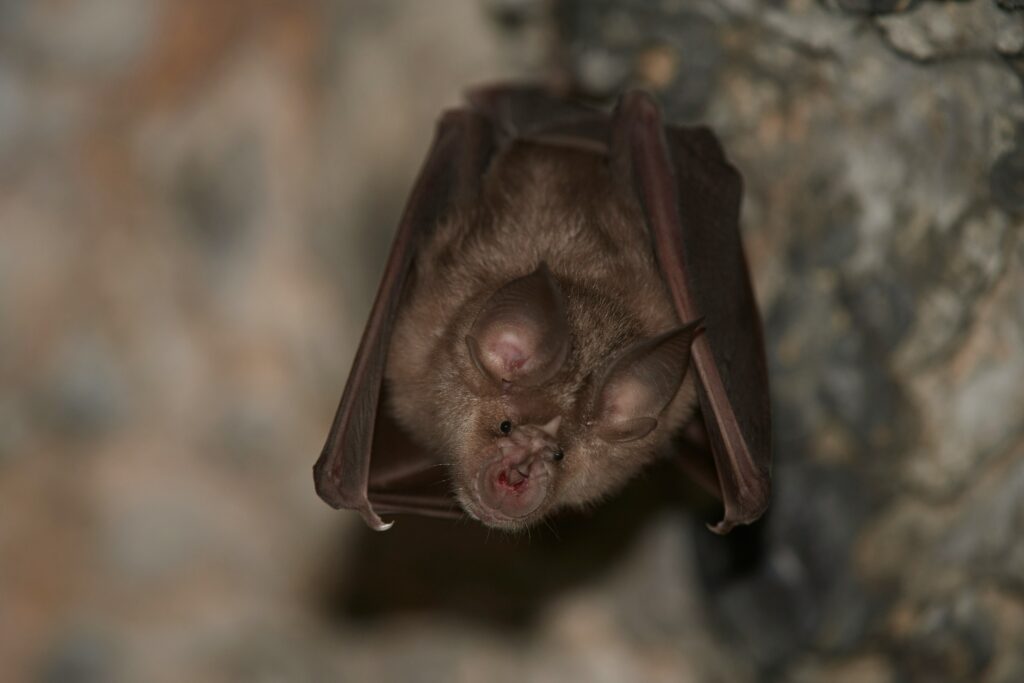
Bats have long suffered from a reputation that’s more fiction than fact, shaped mainly by folklore and fantasy tales. In reality, these incredible nocturnal flying mammals are truly captivating creatures!
First off, let’s debunk one of the most common myths: bats are not blind. Equipped with small but well-adapted eyes, they can see exceptionally well in complete darkness, making them adept navigators of the nighttime sky.
Speaking of navigation, bats utilise a remarkable technique known as echolocation, or biosonar. This extraordinary ability allows them to map their surroundings and hunt for food with astonishing precision, emitting high-frequency sounds that bounce back to them, revealing a detailed picture of their environment.
Around the world, you’ll find more than 1,400 species of bats, each thriving in diverse habitats. These fascinating creatures seek out quiet, dark spaces for sleeping and breeding, which often leads them to roost in attics and outbuildings.
Importantly, bats are not just intriguing; they play critical roles in our ecosystems, and many plants depend on bats for pollination, and these mammals are natural pest controllers, helping to keep insect populations in check.
In the UK, all bat species are legally protected, making it illegal to harm or disturb them.
This includes taking, damaging, or killing bats, as well as disturbing their roosts. If you find bats living in your attic or garden, remember that their home is protected by law.
The best course of action is to keep their exit points clear and reach out to your local Bat Conservation Group for guidance on how to handle the situation responsibly. You can find local groups on the Bat Conservation website, or you can call the Bat Conservation Trust National Bat Helpline at 0345 1300 228 for expert advice and assistance.
Here’s a quick rundown of your responsibilities regarding bat protection:
Legal Protection: It’s illegal to harm bats. Capturing, injuring, or killing a bat is a serious offence.
Roost Protection: Bat roosts are protected even when bats aren’t present. You can’t damage or destroy them without a special license.
Disturbance: Intentionally or recklessly disturbing bats in their roosts, or blocking their access, is also against the law.
So next time you see a bat flitting across the night sky, remember: they’re not just creatures of the dark; they’re vital members of our ecosystem, deserving of our respect and protection.
Protected species: Dormice
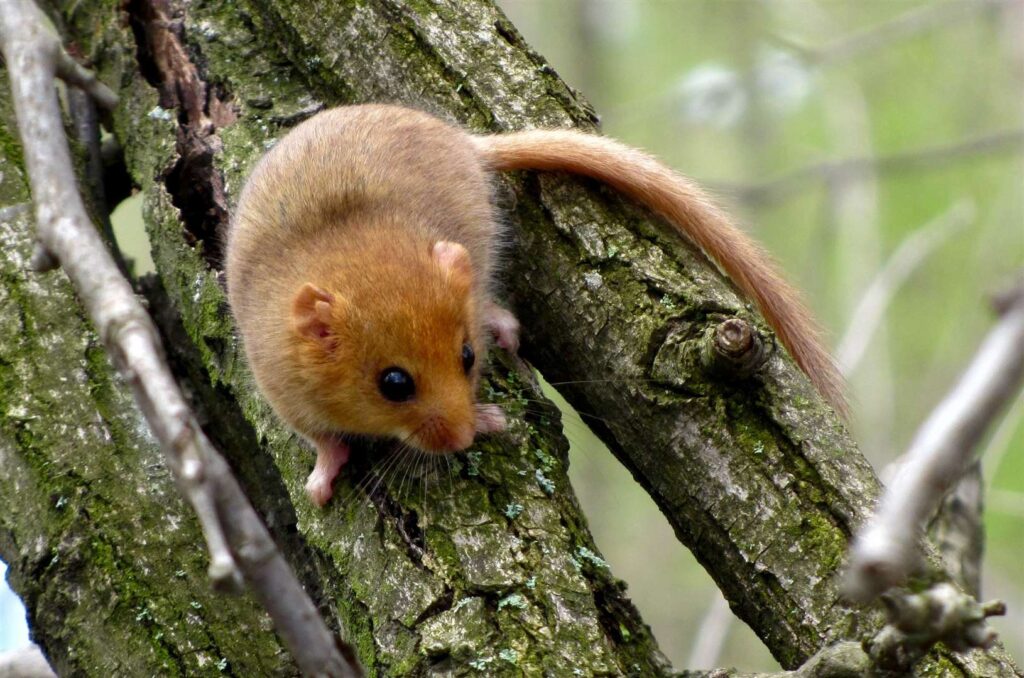
The dormouse, a nocturnal rodent with its remarkable ability to hibernate for up to six months, has earned a name that reflects its slumbering prowess. Measuring between 2.4 inches (6 cm) and 3.5 inches (9 cm) in length, these little furry wonders are genuinely fascinating.
With their golden-brown fur, large, twinkling black eyes, and long, fluffy tails, dormice boast a distinctive and endearing appearance.
They thrive in woodlands with hedgerows, indulging in a varied diet of insects, flowers, seeds, and berries.
Sadly, the hazel dormouse is among Britain’s rarest mammals, with its population plummeting by approximately 52% since 1995.
This decline is primarily attributed to the destruction of ancient woodlands and hedgerows. Consequently, dormice are now protected under strict UK and European law, making it vital for homeowners to play an active role in their conservation.
If your property has trees or is bordered by hedgerows, it’s essential to avoid excessive cutting. Should a curious dormouse find its way into your barn, garage, or home, resist the urge to handle it yourself; a special license is required. Instead, allow the dormouse to exit peacefully on its own, or reach out to a licensed professional for help. You can find local, certified experts through the PTES (People’s Trust for Endangered Species).
Hazel dormice enjoy legal protection under the Wildlife and Countryside Act 1981 and European legislation, making it illegal to harm them or disrupt their habitats. This includes any action that might capture, injure, or kill these lovely rodents, as well as damaging or obstructing their breeding and resting sites.
If you plan to undertake activities that may disturb them, you’ll need a special mitigation license from Natural England.
Legal Protections
Protected by Law: Hazel dormice are safeguarded under both UK and European legislation, making it a criminal offence to harm or disturb them or their homes without a license.
Conservation Duty: Developers must consider hazel dormice conservation when carrying out any projects, as they are legally responsible for adhering to these protective measures.
Licensing: A mitigation license from Natural England is required for activities that could disturb dormice or their habitats.
Harming Dormice: It’s illegal to capture, injure, or kill dormice deliberately.
Disrupting Dormouse Shelters or Boxes: Damaging, destroying, or obstructing any shelter or protection used by dormice is unlawful.
Possession and Trade: It is prohibited to possess, transport, or sell these beautiful creatures.
Protected Species Otters
Otters are mustelids that thrive in rivers, ponds, and wetlands, and you might even catch a glimpse of them gracefully swimming and feeding in the sea.
These remarkable animals are expert underwater swimmers and primarily feed on fish, shellfish, and crustaceans. Still, they also eat small mammals, amphibians, and birds. In fact, otters can consume up to a kilogram of food each day.
While otters are typically crepuscular, it’s increasingly common to spot them during daylight hours.
Otters are protected under the Wildlife and Countryside Act 1981 and the Conservation of Habitats and Species Regulations 2017.
This means that harming, capturing, or disturbing Otters is illegal unless you have a special license. It is prohibited to damage or obstruct their breeding sites and shelters, even when they are not in use.
Protecting these habitats ensures that future generations can continue to enjoy the charm of otters in the wild.
Protected Species Water Voles
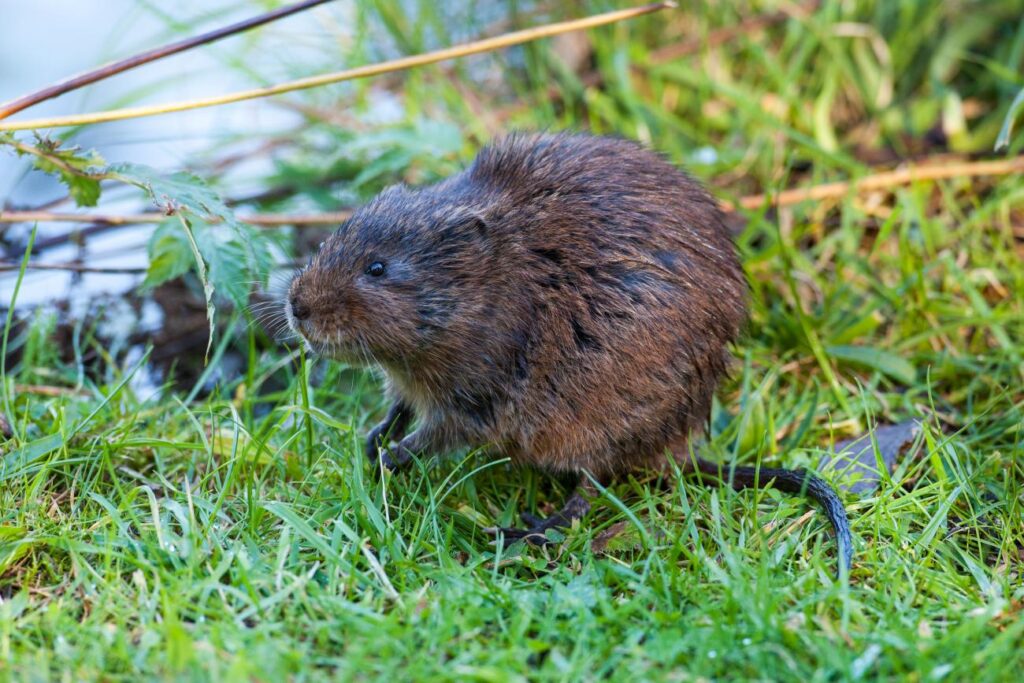
Water voles are Britain’s largest vole species, easily recognised by their charming blunt nose, fuzzy tail, and warm chestnut-brown fur.
They are herbivores, carving out cosy homes in grassy burrows along the banks of slow-moving freshwater. As vital players in our ecosystem, water voles help maintain the balance of the food chain. Sadly, their populations have shrunk considerably, which is why they are now protected throughout the UK.
Water voles are protected under the Wildlife and Countryside Act 1981. They are designated as a Priority Species in the UK’s Post-2010 Biodiversity Framework. They are classified as endangered on both the Great Britain and England Red Lists for mammals, highlighting the urgent need for their conservation.
You can find water voles thriving in their natural habitats, such as rivers, streams, ponds, lakes, marshes, and wet moorlands. As you venture out, keep an eye out for signs of their presence.
Look for their distinctive burrows, often nestled along riverbanks and surrounded by neatly trimmed patches of grass that resemble a well-manicured lawn.
While exploring, watch for a few key indicators that a water vole may be nearby. First, check for their characteristic burrows, which are small holes in the bank, usually accompanied by a neatly nibbled area of grass at the entrance.
You may also notice piles of grass with unique 45-degree angled cuts, indicating that water voles like to dine in the same spot repeatedly. Keep an eye out for rounded, cigar-shaped droppings, which are another obvious sign of their presence. These are often in one area, called a latrine.
These charming little creatures breed in spring and can have up to three to four litters a year, each consisting of as many as five offspring.
Water voles are easily distinguished from Brown rats by their chestnut-brown fur, rounded features, and a notably furry tail, making them significantly larger than other voles. In Scotland, you might see darker varieties that showcase a stunning black coat!
Water vole holds a special place in literature, famously known as ‘Ratty’ in Kenneth Grahame’s beloved children’s classic, *The Wind in the Willows*. Despite its nickname, the water vole is distinctly different from rats; in fact, there’s no such species as a “water rat”!
Protected Species: Red Squirrels
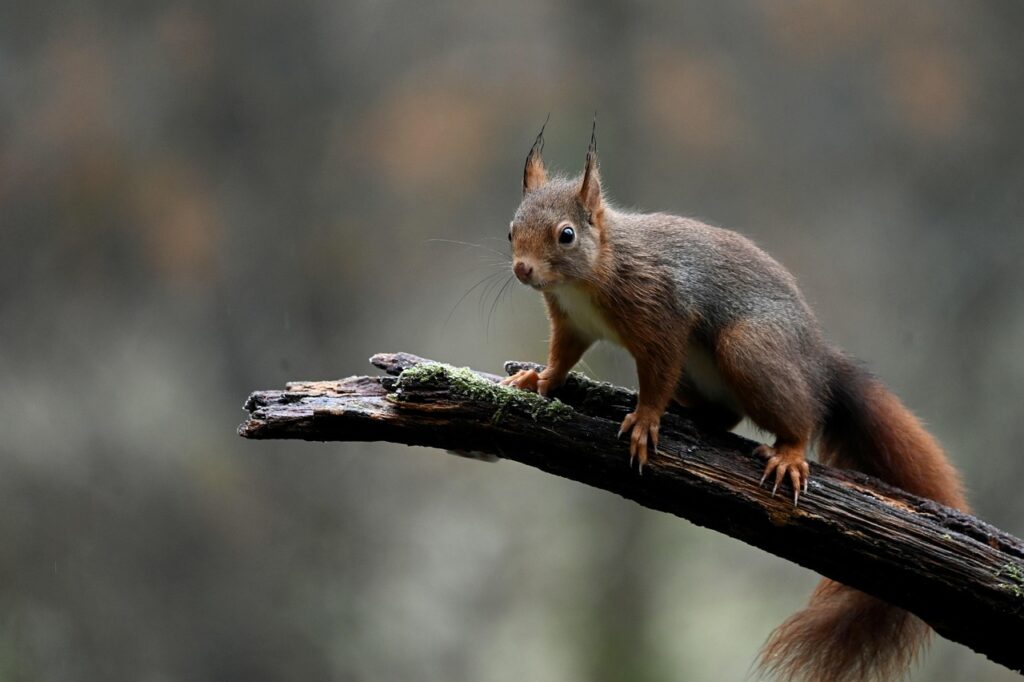
Red squirrels are arboreal species, usually found in coniferous woodland, where they like to feast on hazelnuts by cracking the shells in half. If you’re lucky, you may also find pine cones that have been nibbled, leaving what looks like an apple core behind!
Red squirrels make a rough nest called a ‘drey’ out of twigs, leaves and strips of bark high up in the tree canopy. Males can be seen chasing females through the trees, leaping across branches and spiralling up tree trunks.
The red squirrel has a reddish-brown coat and a pale underside. It has a characteristically bushy tail. It is distinguished from the grey squirrel by its smaller size, red fur and distinctive, large ear tufts.
Found in Scotland, the Lake District and Northumberland; isolated, remnant populations further south in England and Wales, including Formby, Anglesey, Brownsea Island in Dorset, and the Isle of Wight.
Red squirrels do not hibernate, but they do store food to see them through difficult times when fresh food is not available.
In their favoured habitats of mixed broadleaf and coniferous woodland, they have a year-round food source, as pine seeds are available over the winter months.
Red squirrels are legally protected in the UK under the Wildlife and Countryside Act 1981, which makes it an offence to intentionally kill, injure, or disturb them or their dreys or nests. They also have a high conservation status, listed as a principal importance species under the NERC Act 2006 in England.
The law is designed to safeguard red squirrels, ensuring their safety and presence in our environment. Here’s what you need to know to help these charming creatures thrive.
First and foremost, it is illegal to intentionally or recklessly kill, injure, or capture a red squirrel. The responsibility of keeping these animals safe rests with all of us. We must remember that disturbing a red squirrel in its drey or other shelter is not only harmful but also an offence. These cosy homes are vital for their survival, and respecting squirrels’ space is crucial.
If someone intentionally or recklessly damages, destroys, or obstructs access to a red squirrel’s drey, it is against the law. Protecting their habitats is essential to ensuring they can flourish in our environment.
Suppose you are involved in development or forestry. In that case, it’s important to take reasonable precautions to avoid disturbing red squirrels and their dreys during activities such as construction or logging. This means conducting pre-work surveys and implementing effective mitigation measures to safeguard these animals.
Protected Species: Beavers
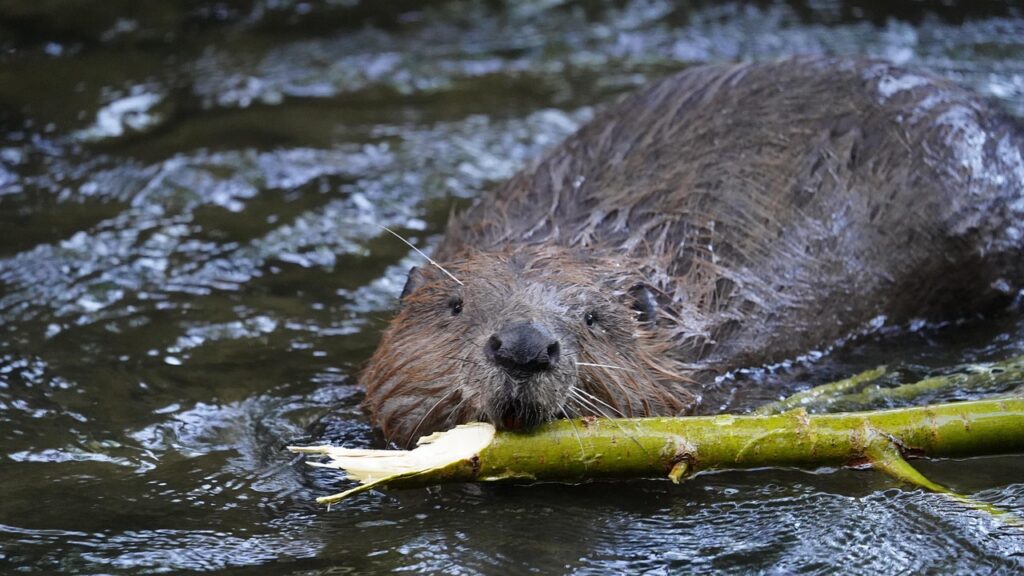
Beavers, the builders of the animal kingdom, are making a grand comeback in various regions of Great Britain after being absent for nearly 400 years.
As the largest rodents native to Britain, beavers belong to a fascinating family of mammals that includes rats, mice, and voles. These industrious creatures thrive in freshwater habitats such as rivers and streams, often choosing lush areas surrounded by vibrant wetland plants, trees, and woodlands.
While they may seem slow on land, beavers are extraordinary swimmers, often feeling safest in deep waters.
Suppose the natural landscape doesn’t provide sufficient water depth. In that case, Beavers take matters into their own paws, constructing dams using mud, wood, and stones. Though their dams may be leaky, they cleverly slow the water flow enough to create tranquil ponds, where beavers find security and a thriving environment.
Beavers often take refuge in burrows they dig into riverbanks, featuring an underwater entrance that keeps them safe from predators.
When the banks aren’t suitable, they build lodges from woody debris, twigs, and soil. These cosy homes can be found either nestled on a riverbank or floating in the middle of a beaver-created pond, which creates a safe sanctuary for eating, sleeping, and raising their young.
Living in tight-knit family units, beavers generally consist of a devoted adult pair and their young from the current year, along with any older offspring. These pairs form lasting bonds, often staying together for life, showcasing a beautiful example of affection in the animal world.
As herbivores, beavers dine exclusively on plants. In the lush summer months, they enjoy a feast of pond weeds, grasses, and tender leaves.
When winter descends, they turn their attention to tree bark—particularly favouring willow, poplar, and alder. Their unique iron-enriched enamel not only gives them the strength to gnaw through wood but also a striking orange hue!
Beavers are considered keystone species, playing a vital role in creating flourishing ecosystems. Their dams, ponds, and intricate canals provide habitats for a variety of wildlife, including water beetles, birds, bats, frogs, and fish.
They also serve crucial ecological functions by preventing flooding, maintaining water flow during droughts, and filtering water as it passes through their unique constructions.
With legal protections enacted in England and Scotland as of October 2022, beavers are now safeguarded as they continue their journey to recovery.
It is now illegal to intentionally harm, disturb, or capture them or to damage their breeding sites or resting areas without a specific license. This new legislation is designed to nurture healthy beaver populations and offers a solid framework for managing interactions.
If you see a beaver or find evidence of their work, please report it to Natural England.
If you’re managing land where beavers are active, such as adjusting a dam, make sure to get the proper license to ensure safety for both you and the beavers.
Beavers are not only fascinating animals; they play a vital role in our ecosystems. With a bit of help, they can thrive in their natural homes again.
Protected Species – Hare
The UK has two hare species: the native Mountain Hare and the now-naturalised Brown Hare. Each adds its unique charm and richness to the wildlife tapestry.
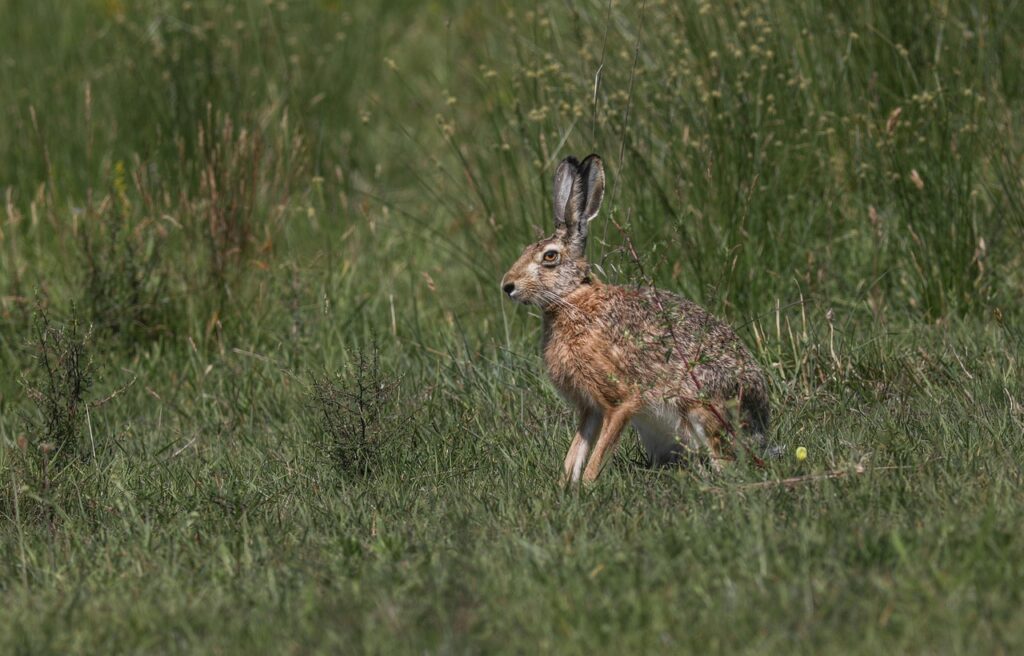
The Brown Hare
Legend has it that the Brown Hare first set foot in the UK during Roman times, if not earlier. Today, these remarkable creatures thrive in open farmland, sprawling grasslands, and the comforting fringe of woodlands.
They prefer a mix of arable fields, vibrant grasses, and hedgerows, making their homes amidst the rural beauty of the countryside.
Unlike Rabbits, hares make their homes in shallow depressions known as “forms”, which are often nestled in tall tufts of grass. When frightened, they run in a distinctive zigzag style at high speed.
Brown Hare often catches our attention in spring, especially during the breeding season. Males engage in exhilarating “boxing” duels, a display of strength and vitality that’s a sight to behold. A single female can welcome three to four litters each year, with each litter comprising two to four adorable young, fondly called leverets.
Physically, Brown Hares are striking, with a golden-brown coat that glimmers with life, a soft, pale belly, and a fluffy white tail. They stand out from rabbits, boasting longer legs and ears featuring delightful black tips that add to their charm.
In Scotland, a protective close season for hunting Brown Hares runs from February 1 to the end of September.
While the legal protections for hares across the UK are somewhat limited, the Brown Hare is safeguarded by the Hares Preservation Act of 1892, which prohibits the sale of adult hares or leverets between March 1 and July 31. In England and Wales, there’s no close season, allowing for year-round management. However, a voluntary code encourages restraint during their breeding season from March to July, especially when they aren’t causing significant crop damage.
The Mountain Hare
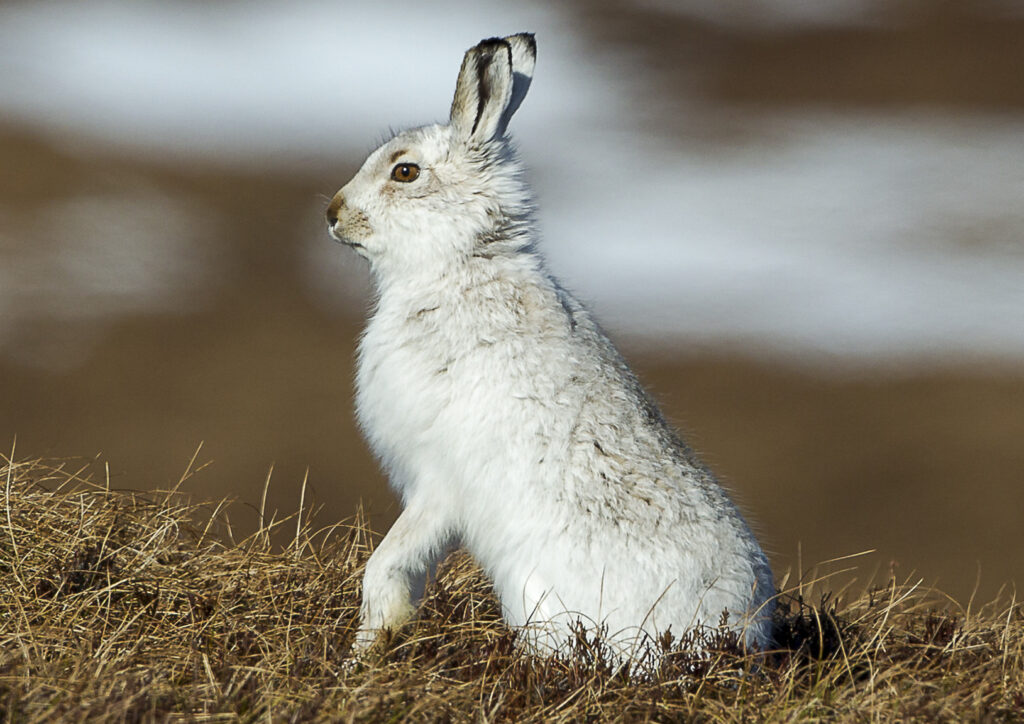
Found primarily in the rugged uplands of Scotland and the northern reaches of England, the Mountain Hare is a true marvel of the wild, thriving in heathland where it grazes on hearty vegetation and the tender bark of young trees.
Just like their Brown counterparts, Mountain Hares seek shelter in “forms” and exhibit incredible agility when sensing a threat, bounding gracefully across moors in that distinctive zigzag style.
As spring unfolds, these hares take on a breathtaking transformation, shedding their stunning white winter coats against the backdrop of melting snow. Females typically give birth to one to four litters each year, with each litter containing one to three adorable leverets.
In Scotland, Mountain Hares benefit from robust protections. Since March 1, 2021, they have enjoyed full legal safeguards under Schedule 5 of the Wildlife and Countryside Act 1981.
It is now illegal to intentionally or recklessly kill, injure, or capture a Mountain Hare without a permit throughout the year. In specific scenarios aimed at preventing extensive forest damage or conserving natural habitats, a licensing scheme strictly regulates the use of control methods. It prohibits the use of snares, explosives, bows, and live decoys.
Protected Species – Deer
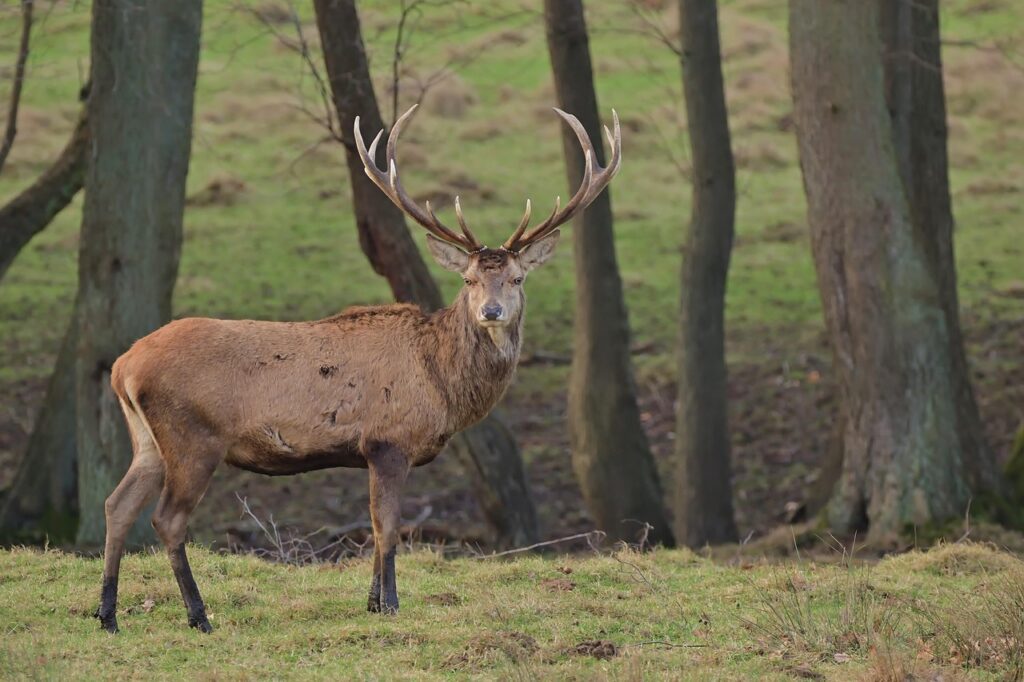
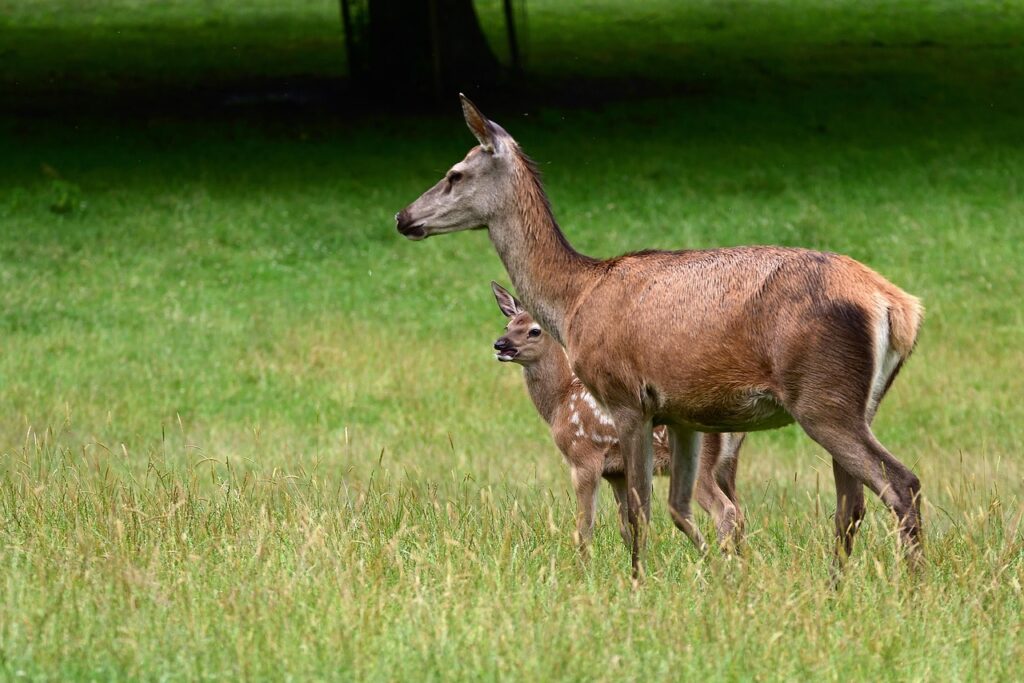
There are six species of deer in the UK. The native species are the Red and Roe Deer. Fallow Deer were first introduced to Britain during the Roman period, but are now considered naturalised and invasive, as are non-native Sika, Reeves’ Muntjac, and Chinese Water Deer.
They are an essential part of the UK’s countryside and play a vital role in creating balanced ecosystems.
Deer are protected by the Deer Act 1991, which criminalises activities like poaching and using certain ammunition, and the Hunting Act 2004, which bans hunting mammals with dogs. Still, legal hunting is permitted under specific conditions and at certain times of year.
It is illegal to kill deer using anything other than licensed firearms. Crossbows and snares are unlawful. You cannot shoot deer out of season or shoot deer at night – the definition is an hour after sunrise unless you have a license to do so.
It is always illegal to shoot deer from a moving vehicle or to use a car to drive deer. The exception to this is when there is no intention to take or kill them; deer can be moved by a car to count them, clear them from an area where they are causing damage or posing a threat to safety, for example.
Why Wildlife Matters and Needs Legal Protection
Protecting wildlife is essential for maintaining the balance of nature and for preserving our environment for future generations.
Every species on the planet plays a vital role in the natural cycle of life, so we must take action to conserve our wildlife.
The Impact of Human Activity
As human populations continue to grow, our impact on the environment and wildlife has become increasingly significant.
The development of land for housing and industry, pollution from air and water, and overharvesting of natural resources have been devastating to many species of wildlife.
The destruction or modification of habitats such as woodlands, wetlands, and grasslands is among the most damaging effects of human activity.
This has caused widespread displacement, with species unable to survive in their new environment or losing access to essential resources.
In addition, human activities like hunting, poaching, and illegal development can cause immense suffering and endangerment to many species.
This is especially true for animals that are highly sought after by hunters or poachers or that are harmed in other ways by humans, such as through chemicals or habitat changes. All of these activities have contributed substantially to declines in the populations of many species worldwide.
The Role of Governments
Governments play an essential role in conserving wildlife.
Governments must work with people to create laws that protect wild animals from exploitation. These laws can include restrictions on hunting, protection of habitat from development, additional funding for conservation programs, the establishment of conservation areas, and the introduction of stricter penalties for wildlife killing through illegal sport, development, or for personal gain or trade.
Wildlife Matters continues to advocate for better protection of species and natural habitats and will always hold the government to account for its actions if it depletes nature or harms wild species through its policies or legislation.
If you want to support our work
Please click on the Wildlife Matters Patreon Community.
Please click to join the Wildlife Matters Substack Community.
You can donate here.
Further Reading