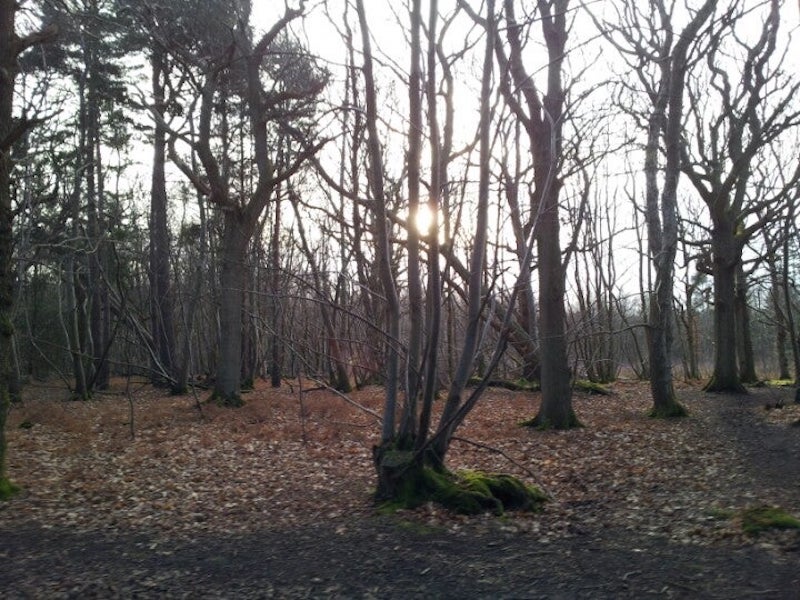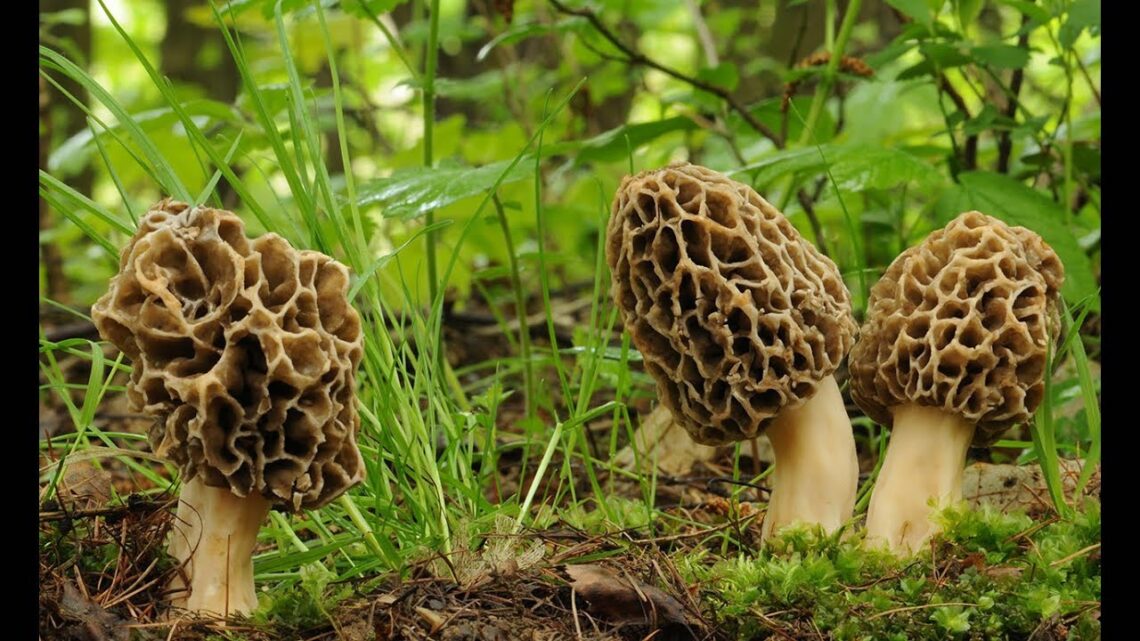
Common Morels in Ebernoe Wood NP2023
Foraging for mushrooms is a popular topic, and I’m often asked about it. While it’s an exciting activity, I’ve always been cautious. With a good understanding of wild mushrooms, I only consume those I can confidently identify. Accurate identification is crucial given the vast variety of over 15,000 fungi species in Britain.
So, what exactly are fungi? They are eukaryotes that digest food externally and absorb nutrients directly through their cell walls, making them unique in the biological world.
Most fungi reproduce by spores and have a body—called a thallus—composed of microscopic tubular cells called hyphae.
Fungi, like animals, are heterotrophs, obtaining their carbon and energy from other organisms. Some fungi, known as biotrophs, feed on living hosts, while others, called saprotrophs, feed on dead plants or animals. There are also fungi that infect a host and kill host cells to obtain their nutrients, known as necrotrophs.
Fungi were once considered primitive members of the plant kingdom, only slightly more advanced than bacteria.
We now know that fungi are not primitive at all.
Recent taxonomic treatments show that fungi and animals belong to Opisthokonta. While Fungi may not be our next of kin, they are more closely related to animals than plants.
Scientists now recognise that organisms traditionally studied as “fungi” belong to three unrelated groups: the true fungi in Kingdom Fungi (Eumycota), the Oomycetes, and the slime moulds.
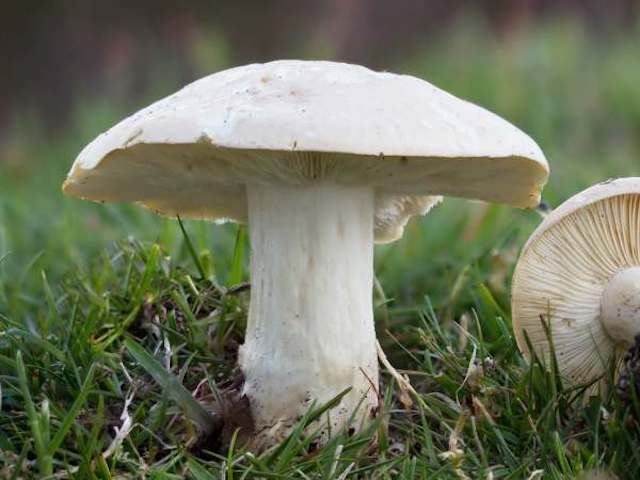
St Georges Mushroom – Calocybe Gamboa NP2023
Spring is an excellent time to find fabulous fungi when walking in nature or, if lucky, in your garden.
So today, we are at a favourite spot where I will find some fabulous spring Funghi.
Some are edible, and some are not, but all are worth looking out for from late April through early June.
As we enter the site along the track, with beautiful old hedgerows on either side of me, I spot the first mushroom of the day.
As it is late April, we recently had St George’s Day in England, which is the mushroom we found.
Its Latin name is Calocybe Gamboa, and I can confidently identify it. It is a relatively sizeable all-white mushroom with a distinctive smell that some say is like cucumber. There are very few large all-white mushrooms around in springtime, and this, along with its habit of growing in rings and the distinctive smell, makes them relatively easy to identify.
They are edible and can be used wherever a store-bought white mushroom is used. They do not have a strong flavour, so use them in a bolognese or lasagne-type meal with a tasty sauce. I will be putting some of these in my foraging sack today.
Common Morel – Morchella esculenta NP2023
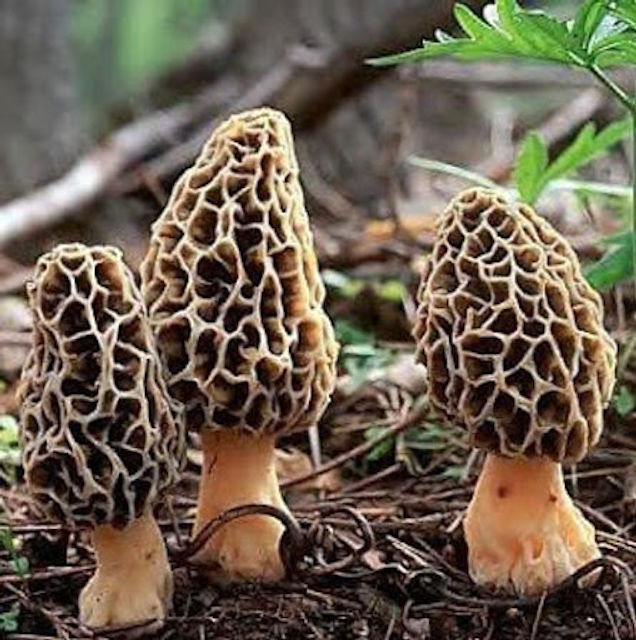
The next mushroom is one of the top three finds for wild foodies – the not-so-common morel mushroom.
The Morel mushroom season is March to May, with the most being found in late spring. The morel mushrooms can often be found after rain as they must have moisture to start fruiting.
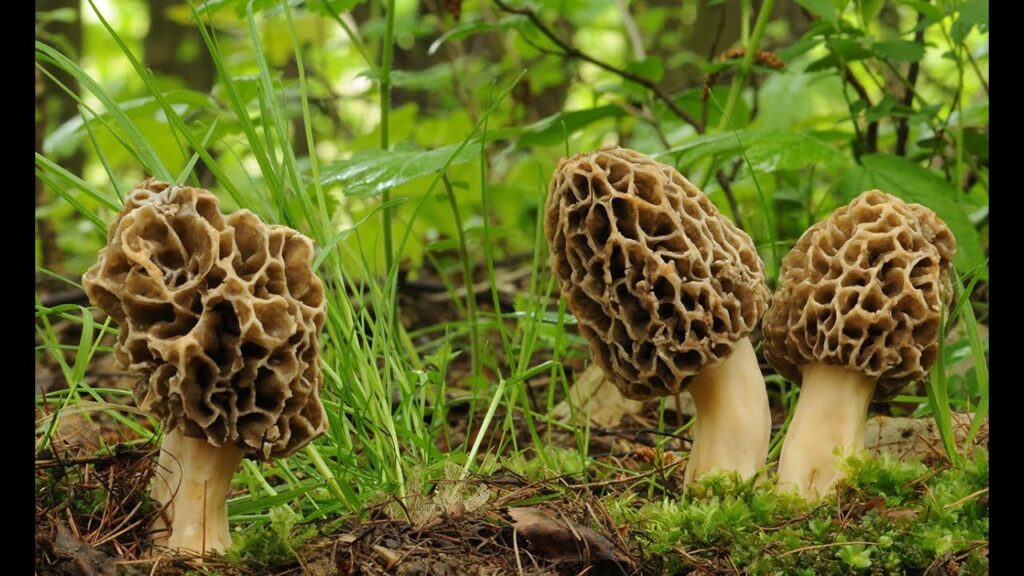
The Morel doesn’t look like a typical mushroom; its cap looks like a pitted sponge or honeycomb that is not separable from the stalk at the base. The cap is most commonly yellowish-brown to grey-brown; however, the colour can vary from black to yellow.
The cap is rounded and oval to conical in shape. It sits on a whitish, stout, creamy white stem that quickly becomes hollow.
The common Morel mushroom can range from 3cm to 20cm in height, although a typical mushroom is around 10cm tall.
Morels can be found in woodland or under copses of broad-leaved trees in their natural habitat. They have favourite trees and are often seen around decaying elms, ash, poplar, and apple trees.
Other areas where morels are more likely to be found are south-facing slopes, burnt ground, and woodland areas disturbed by felling or clearing.
I always check the woodland edges and hedgerows for the best chance of finding them.
These mushrooms are a highly desired ingredient among chefs and foodies. Still, we aren’t the only creatures considering this mushroom gourmet—many insects also do.
So, if you are lucky enough to find some, make sure that you gently shake out anything that might be living in there and dust off any dust or soil that may be clinging to the base—please try to avoid washing them.
Morels have an earthy, nutty flavour and a meaty texture. They are high in antioxidants, low in calories, and high in fibre and protein.
You must always cook Morels, which contain small amounts of hydrazine, a poisonous inorganic compound, as you could damage your liver or worse.
Cooking removes the toxin, and most people will cook at high heat for a short period—simply with herbs and good olive oil.
Black Morel – Morchella elata Pic Credit UK WildCrafts
Many morels can be found in the UK, and most are found in woods, particularly beside woodland tracks during the spring.
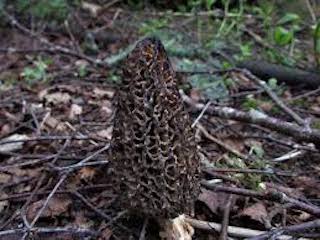
The Black Morel, Morchella elata, is another delicious morel found throughout South England for many years.
But here is one of my best foraging tips—especially if you live in urban areas. Keep your eyes open when in gardens, parks, or anywhere bark mulch has been laid to reduce the need for weeding.
Black Morels sometimes appear in large numbers on bark, but sadly, their appearance in one year does not guarantee a crop of morels in future years.
This ascomycetous mushroom is also fairly common in South Wales. They are uncommon in the north of England and Scotland. However, a pale violet variety, Morchella elata var. purpurescens, has been found in Scotland.
Swedish mycologist Elias Magnus Fries scientifically described the Black Morel in Europe in 1822, calling it Morchella elata. The generic name Morchella is said to come from morchel, an old German word meaning ‘mushroom’.
At the same time, the specific epithet elata is Latin and means tall elongated, or perhaps that should be elated.
Like the Common Morels, Black Morels must always be cooked thoroughly; otherwise, they can cause severe stomach pains and sickness. The cooking process destroys the hydrazine toxins that cause these reactions.
Understanding the significance of accurate identification in foraging is crucial. Before picking or consuming any mushroom, you must be confident of what you’ve found. This caution is the key to a safe and enjoyable foraging experience.
False Morel – Gyromitra esculenta Pic Credit UK Wildcrafts
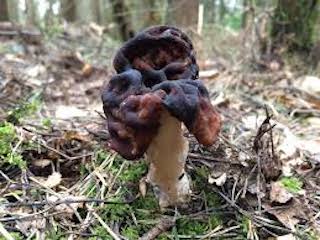
The False Morel looks similar to the edible but has a jelly-like cap without the honeycomb-like structure and is usually more reddish-brown all over.
The False Morel, scientifically known as Gyromitra esculenta, is a mushroom species that resembles the edible Morel but is toxic and potentially lethal if consumed.
False Morels are a group of fungi related to true morels, which are fruits in the same places at about the same time. In false morels, the fruit bodies are wrinkled rather than honeycombed.
False morels differ from true morels in three very distinct ways:
The cap of False Morels has lobes, folds, flaps, or wrinkles—not pits and ridges like those of True Morels. Their caps bulge outward instead of being pitted inward.
The bottom edge of the cap hangs away wholly free from the stem. On True morels, the bottom edge of the cap is attached to the stem.
The easiest way to be sure is to cut them in half lengthwise. False Morels exhibit a solid mass, while true morels are entirely hollow.
Although the false Morel is quite rare, you have to be aware of it, as the seasons of the false and true Morel are the same. The False Morel is highly toxic, sometimes deadly—so if in any doubt – do not attempt to eat it.
Vinegar Cup – Helvella acetabulum NP2023
Bleach Cup – Disciotis venosa Pic Credit NP2023
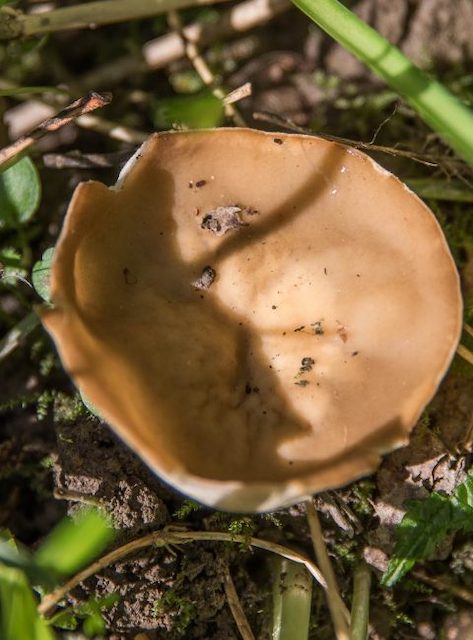
One of the best ways to find some species of fungi is to know which types grow together and the season they fruit.
One example is Ceps (Boletus edulis), associated with the Miller mushroom (Clitopilus prune). Knowing this is always good while you’re out and about, as it will help you find more of what you want.
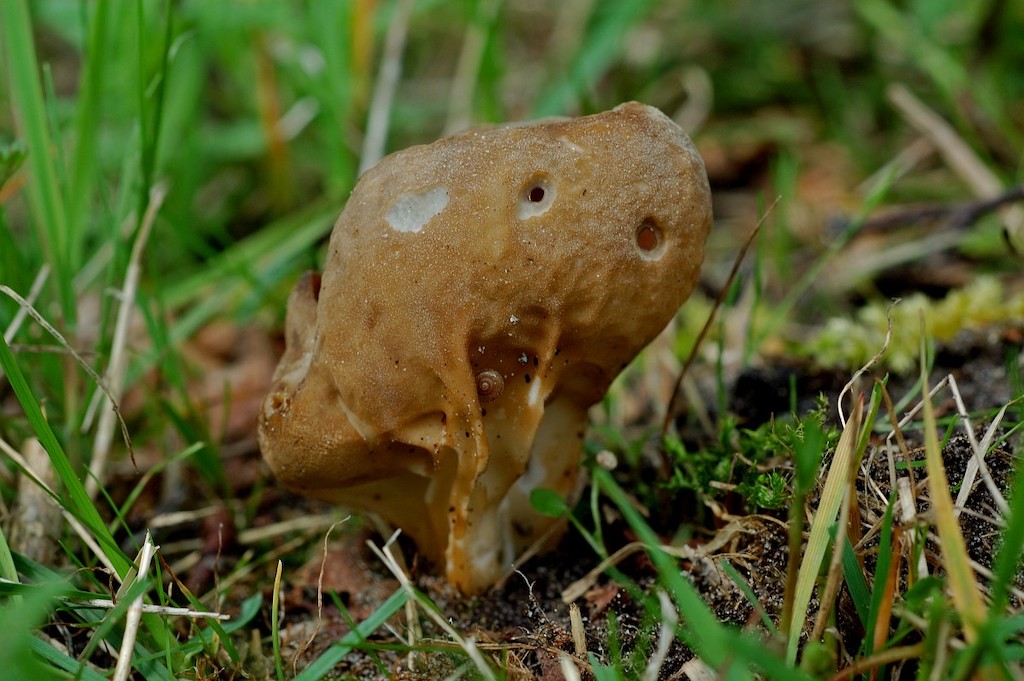
Two fascinating cup-type mushrooms often grow in the same habitat or sites as morels. I’m talking about the Bleach Cup (Disciotis venosa) and the Vinegar Cup (Helvella acetabulum)
Both can be seen on soil in sheltered woodland areas, such as beech woodland during springtime.
I would avoid these cup fungi for my pot, as there are mixed reports from several sources. Some claim they are edible, others call them inedible, and some say they are mildly toxic.
As you will hear me say continually when foraging for funghi, always leave some mushrooms on the ground and NEVER eat anything you cannot be sure you know what it is. So we will be giving both these cup funghi a miss then!
I wanted to look for these cup fungi because they look so different and are enjoyable.
The Bleach Cup’s common name comes from the smell of a fresh specimen.
You won’t get the smell on the breeze, but if you open the mushroom with your knife and take a good sniff, you’ll instantly recognise the chemical-like odour of bleach.
If Domestos made mushrooms, this is what they would smell like – they smell so clean!
The Vinegar Cup is very ‘goblet-like’ in shape, with distinctive veiny ribs around the tan-coloured cup.
This is best described as cabbage-like, hence its other common name, ‘Cabbage Leaf Helvella’.
It isn’t unusual for the same mushroom or plant to have several common or regional names, often in different areas of Britain.
The Vinegar Cup is also known as the ‘Brown Ribbed Elfin Cup’ in the southwest.
Depending on the season or time of year and the habitat, you can find a variety of mushrooms, plants, trees, and, of course, birds, mammals, and insects. It’s all about what comes together to create biodiversity within your specific habitat.
Knowing these cup mushrooms would be in the same habitat, finding and picturing them was fun and exciting.
The main reason for being on the edge of the woodland in May was to find one of my favourite and tastiest treats of a wild mushroom, the wonderful Morel.
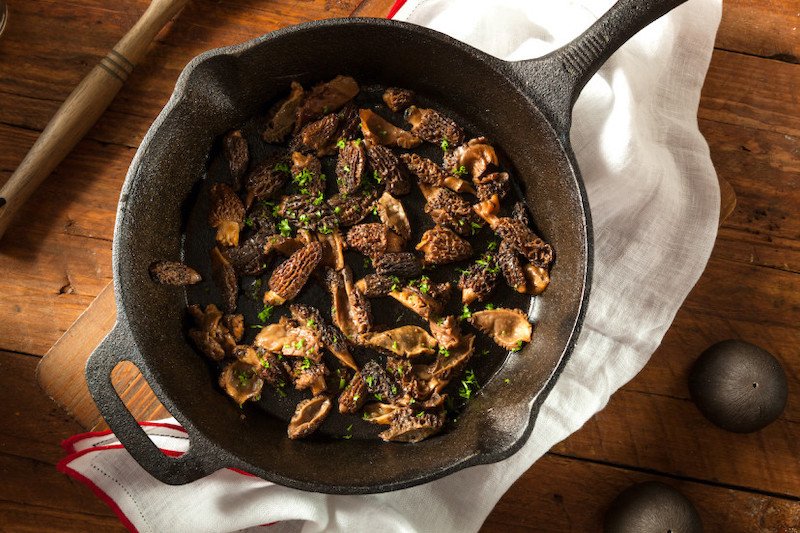
And there is no better way to end this forage than by setting myself a small fire, putting my iron grid over it, and filling a kettle for a brew.
Although the insects have had time to escape, I still give them an extra shake to be sure and then slice them into halves or quarters.
The pan has a little good olive oil. Once almost smoking, I add the morels and cook on high heat for four or five minutes before adding freshly foraged wild garlic and some home grown spring or green onions, although other herbs, such as sage or thyme are delicious, could be used, and season with salt and black pepper.
A rich dark coffee with oat milk follows a brunch treat that would satisfy the most ardent of foodies before wiping the pan, clearing away the remnants of the fire, and covering it with the dark forest soil, never forgetting to leave no trace.
If you enjoyed this blog, please check out more of our wildlife blogs here, or you may prefer to listen to the Wildlife Matters Podcast here.
If you want to support our work
Please click on the Wildlife Matters Patreon Community.
Please click to join the Wildlife Matters Substack Community.
You can donate here.
Further Reading
Wild Mushroom Guide – WildFood UK