
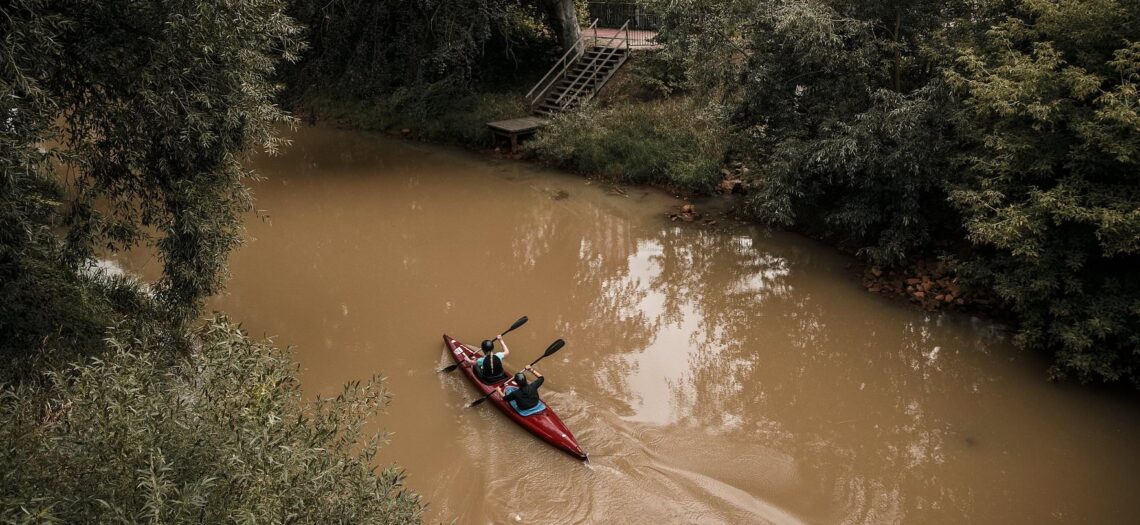

Wildlife Matters investigates UK river pollution in this article and asks why our rivers are dying. The UK has the unenviable distinction of being Europe’s most polluted river nation. Eighty per cent of our rivers pose a serious risk to human health, whereas two-thirds of all European countries are 70-100% clean.
I grew up in the 1970s when the UK rivers were a disgrace, but I don’t feel alone in thinking that we have been improving our rivers since then – clearly, we have been misled.
As someone who might be considered a river user, I like to swim, paddleboard, and go kayaking. I also enjoy walking by the water and watching out for wildlife.
However, it was clear that I would have a sore throat when I swam in my local river. My eyes were weeping and would be itchy for days. My skin would have red blemishes and blotches that weren’t there before and haven’t returned since I stopped swimming in the river.
The UK has an incredible natural river heritage. Our country is home to 85% of the world’s chalk streams, some of the most ecologically rare habitats on the planet.
Rivers provide two-thirds of our water supplies, give us sanctuary and adventure, and support various wildlife.
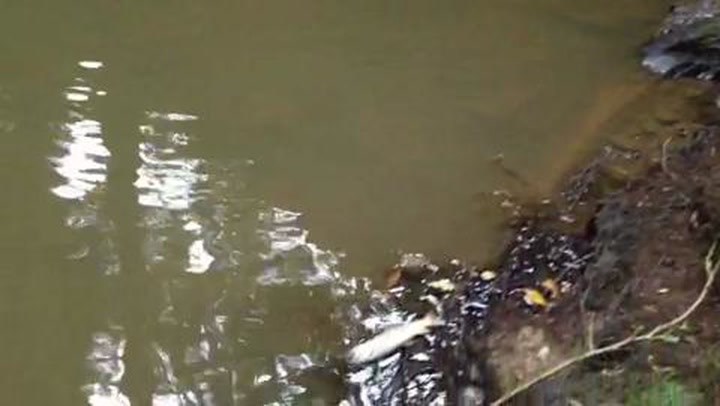
One day, while on a kayaking trip, I noticed what looked like mist rising from the river. Looking around, I found nothing unusual. No motorboats were nearby, nor did I spot Cormorants diving into the water. There was no apparent reason for the mist, and then I saw it. It was a large diameter pipe, just under the water. Whatever it was discharging, the force of its discharge was pushing me downstream.
Something was going wrong in the river, so I decided to investigate and find out where that awful, putrid smell was coming from.
The smell revolted, and the water quickly became a viscous brown soup. I tied my kayak to a tree by the bank to investigate the situation further. The pipe was huge, maybe a metre in diameter, and yet made of corrugated steel, which blended in with the waters, making it hard to see if you didn’t know where it was.
I could see the pipe was discharging raw sewage into the river. It took me a little while to get to grips with this fact. I really couldn’t believe how we could be so reckless as to pollute our water source and was numb to the devastating impact this would have on the local wildlife.
From that day in 2020, it became clear that our rivers were in grave danger, so I set out to discover what’s causing the UK water crisis and why.
What I found out was shocking. Even worse, it was clear that the Environment Agency, politicians, and water companies responsible for the health of Britain’s rivers were clearly turning a blind eye and a deaf ear to the problem. The environmental performance of the UK’s water and sewage companies fell to its lowest level on record in 2021.
In 2021, sewage was discharged into our waterways 370,000 times—that’s over 1000 times a day. Worse, it went up to 389,000 times in 2022, the equivalent of 2.7 million hours of pumping untreated sewage into our rivers and oceans. That is not only negligent but shocking, disturbing, and, to be frank, bloody disgusting!

From raw human sewage and agricultural runoff, which is full of antibiotics and pesticides, as well as nitrates from animal poo, the pollution plagues our rivers, seas and coasts, making us sick, spoiling our favourite swim spots, destroying delicate ecosystems, killing our wildlife and threatening ocean recovery.
Raw sewage is everything we flush down the loo or wash down the sink. Typically, this is run through treatment plants, but the system gets overloaded with more people and houses. It cannot cope, so the raw and untreated sewage is discharged into the environment through a network of over 18,000 sewer overflows.
Farms discharge agricultural runoff. On arable farms, the runoff will include pesticides and fertilisers that are now systemically used on our food crops, but from animal farms, particularly intensive farms, the discharge of the animal poo will be full of anti-biotics routinely administered to the animals that are also, particularly on the vast chicken farms, full of nitrates and that explains why we see such an increase in algae blooms and why some rivers, such as the River Wye, the water is turning green!
Poor waste management is also to blame. You will see earbuds, wet wipes, and sanitary products floating in our rivers; these items have been flushed down the toilet. You can also see fat floating on the surface. Presumably, this is animal fat from cooking oils illegally tipped down drains, and, of course, you can find raw sewage floating on your favourite river.
While you won’t see it with your eyes, put a clear bottle in the river, and you will see the cloudy cocktail, full of specs and bits. Most of this is plastic pollution, some from industry, some from our roads and town or village street drains. Whatever the source, one thing is clear: Our rivers are contaminated with our waste products, killing the river and everything that lives in it.
The sheer volume of pollution entering our water means the UK consistently ranks as one of the worst European countries for coastal water quality.
The water companies reported 62 serious pollution incidents water in 2021, which was the highest level ever recorded. Source: Environment Agency, 2021.

Only 14% of the UK’s rivers are considered to be in good ecological health, and tragically, every single one fails to meet the required chemical standards (source: The Rivers Trust, 2021). A recent Guardian article stated that no rivers in the UK are in good ecological health.
A damning report by a parliamentary committee labelled England’s rivers as a dangerous ‘chemical cocktail’ of sewage, agricultural waste, and plastic.
Poor water quality damages natural ecosystems and habitats, reducing biodiversity and nature’s ability to restore biodiversity. Sewage slicks can cause huge algae blooms, starving water of oxygen and killing river and ocean species, including humans!
Sewage was dumped into designated bathing water over 5,000 times during the 2022 bathing season, from 15 May to 30 September—source: Surfers Against Sewage Water Quality Report.
This pollution level increases the risks of water users contracting many illnesses, including viruses and antimicrobial-resistant bacteria.
A European Centre for Environment and Human Health report highlighted that sea bathers in the UK are just as likely to become ill from seawater as in the 1990s. Britain, hang your head in shame!
Poor water quality also prevents individuals from enjoying the mental and physical well-being benefits of engagement with the ocean environment.
The UK’s Victorian-built sewage system can no longer deal with the massive increases in population and housing, particularly in our cities.
What have the water companies been doing? Well, there is a need to invest in improving the infrastructure of the water and sewage systems. But they haven’t, and as a consequence, coastal and river pollution is rampant.
Drinking water quality remains a massive issue. There has always been concern about adding extra fluoride to water, but lead (from the Victorian pipes) is now more prevalent as the pipes continue to degrade, particularly in soft water areas, where the water companies are adding phosphoric acid to your water, rather than replacing the old pipes!

Plastic microfibres have been found to contaminate 72% of tap water samples in European nations, including the UK. These microfibres are believed to come from various sources, including clothes made of synthetic fabrics, car tyres, paint and microbeads from cosmetics.
Then, there are the recorded outbreaks of dangerous bacteria and parasites. Cryptosporidium, in particular, has entered public awareness after outbreaks in Lancashire and Bristol, forcing residents in the affected areas to boil their tap water to avoid the diarrhoea and stomach cramps the bug can cause.
Scientists believe that synthetic hormones, such as ethinyl estradiol (EE2), a chemical found in the contraceptive pill, a potent form of the female sex hormone oestrogen, are getting into drinking water supplies. However, links to reduced male fertility rates have yet to be proven.
Water filtration using activated carbon would cut EE2 levels. Still, nothing is happening because neither the water nor the pharmaceutical industry wants to pay for the work.
Pharmaceutical compounds, including anti-depressants and cocaine by-products, have been found in UK tap water but only at tiny concentrations.
A risk assessment by Public Health England found caffeine, carbamazepine (an ingredient in epilepsy medication), and the painkillers ibuprofen and naproxen in treated drinking water. Still, these were at levels hundreds of thousands of times below therapeutic doses and thus were “unlikely to present a health risk”. And it was allowed to be kicked into the long grass!
Since the Deregulation of the water network began under Margaret Thatcher’s government in 1986, it has allowed a culture of profit before safety to develop.
The government will only publicly discuss the £2 billion it plans to spend on improving water infrastructure over the next five years. And while this is a lot of money, it is a drop in the ocean—no pun intended!
At the same time, and with very little publicity, the government has agreed to let the water companies manage themselves without government regulation, effectively tying the Environment Agency (EA) hands firmly behind their backs.
It’s feared that self-monitoring programs implemented by water companies are far more likely to boost their profits than protect the environment.
Southern Water was fined 90 million pounds for repeatedly misreporting data and has been named as a contributor to increasing chlorine levels in river water upstream from bathing areas. That is just one company that has been called out. Check your local water company, and you will find a host of similar, potentially health-damaging issues in your local rivers that the water companies either deny or say they have no choice and are within the permitted discharge rates they have in their (self-created) plans.
The current situation is challenging for campaigners who face a government that is not listening and is focused on making it easier for the water companies to get away with potentially making people sick.
It’s clear (unlike the water) that the government wants to dump the responsibility and costs of rebuilding the antiquated Victorian water and sewage systems by making the water companies responsible and independent of the Government.
To make it even worse, water companies are focused on ensuring shareholders receive ever-increasing dividends rather than delivering reliable and high-quality service because you, just like me, cannot choose your water provider; you have to accept the company that covers the area where you live. And if that company is Thames Water, like me, I feel your pain!
The counterargument is that the investors are our pension providers, and we will all get less money in our pensions if the water companies don’t make these profits.
However, what use is a pension if you don’t have clean drinking water?

We can no longer “endure” the destruction of our rivers. We need action now!
Let’s start with stronger regulation to ensure higher levels of compliance, strategic impact assessments and the widespread adoption of nature-based solutions to restore our rivers’ health.
Cleaning up rivers will take a lot of work – but it must be done.
Their current state results from decades of mismanagement and neglect of our river’s water and sewage infrastructure.
The Victorian system has lasted remarkably well, a testament to our ancestors. However, it was never designed or capable of handling the modern demands of so many more people. Every house has washing machines, multiple showers, and some with home hot tubs or swimming pools—none of this existed back then.
We must act now to save the UK’s rivers for future generations by cleaning up inherited problems, tackling nutrients from multiple sources, and taking decisive preemptive action to stop emerging pollutants like pharmaceutical waste and microplastics.
As I see it, we, the generations since the Victorians, have created this problem, and it is our responsibility to clean things up.
Clean, fresh water is necessary for ALL LIFE on our planet, and every living being should have access to it.
We can’t leave it to our children to clean up our shit!
If you enjoyed this blog, please check out more of our wildlife blogs here, or you may prefer to listen to the Wildlife Matters Podcast here.
If you want to support our work
Please click on the Wildlife Matters Patreon Community.
Please click to join the Wildlife Matters Substack Community.
You can donate here.
Further Reading
Greenpeace UK: How Sewage got into our Rivers