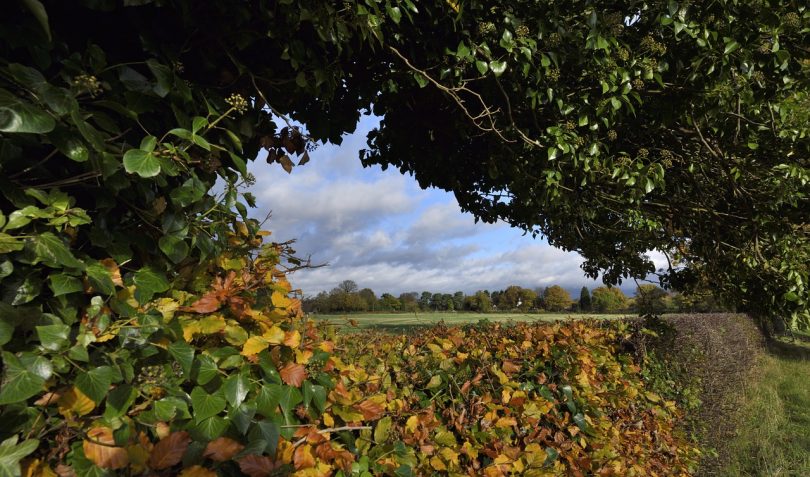
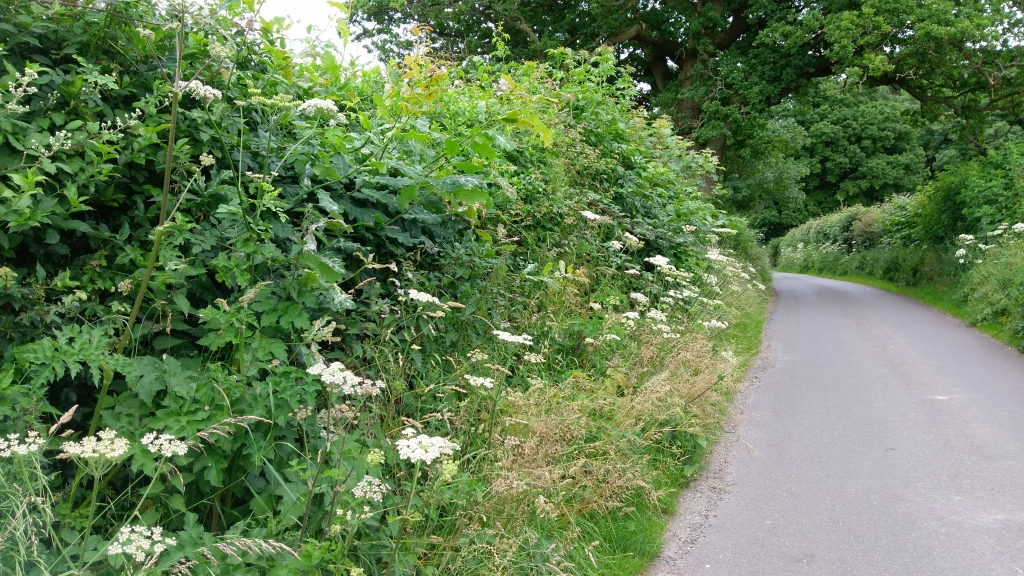
The Rise and Fall of Hedgerows. Hedgerows have been an essential part of the British countryside since Roman times. In fact, Britain’s Hedgerows can be traced back to the Bronze Age and possibly even the Neolithic period.
The first farmers in Britain cleared small areas of woodland for cultivation, leaving strips of trees as boundaries. These are considered the earliest forms of hedgerows in Britain.
Planting new hedgerows started around Roman times and continued on and off until the mid-18th century, when the Enclosures Act prompted a tremendous surge in hedge planting, mainly around the Midlands.
Hedge removal is not a new phenomenon. Many were lost during the Napoleonic Wars when a besieged Britain was threatened with starvation.
After the Second World War, government policy encouraged the removal of hedgerows to ensure Britain’s food self-sufficiency. Financial incentives were available to remove hedgerows, and machinery got so big it could no longer operate in the smaller fields. Since the Second World War, hedgerows have been removed much faster than planted.
In some parts of Britain, more than half of hedgerows have been removed, while others are so poorly managed that their wildlife value has massively declined. Loss of hedgerows has been identified as a factor in the decline of many plant and animal species traditionally associated with farmland.
Reasons for hedge loss include changes in farming practices, development, damage caused by straw and stubble burning, a practice banned in 1992, spray drift, neglect, mechanical management and indiscriminate trimming.
Since the early 1990s, it has been generally understood that hedgerows play an essential role in the ecosystems of the British countryside. As a result of hedgerow incentive schemes, many farms have begun work to restore and manage hedgerows and other boundary features.
Farmers value hedgerows for crop protection and pollination and as a stock barrier, a livestock shelter, a wildlife haven, a source of income, or a landscape feature.
The primary purpose of this article is to explore the benefits of hedgerows to wildlife and the diverse ecosystems that hedgerows can support.
That said, the majority of British hedgerows are on farmland; both arable and livestock farming benefit from hedgerow Here is a summary of how:
Hedgerows provide a windbreak and increase crop yields by reducing the damage caused by cold, strong winds. This includes preventing crop lodging, which makes harvesting more difficult, reduces yield, and minimises premature flower and fruit shedding, shoot damage, and chilling injuries.
Hedgerows provide homes and shelter for Farmland birds and predatory invertebrates such as spiders, beetles, and wasps, which all feed on and help prevent crop pests.
Hedgerows help support diverse pollinators, which is essential for crop pollination and crop yields. They provide food for pollinators throughout the year when crops aren’t in flower and places to nest.
Hedgerows reduce soil erosion by acting as a barrier to water runoff and reducing surface wind speeds. Tree and shrub roots grow deeper than crops’ roots, accessing nutrients more profound in the soil profile and cycling them into the topsoil. Additionally, the shelter provided by hedgerows creates warmer soils, extending the growing season.
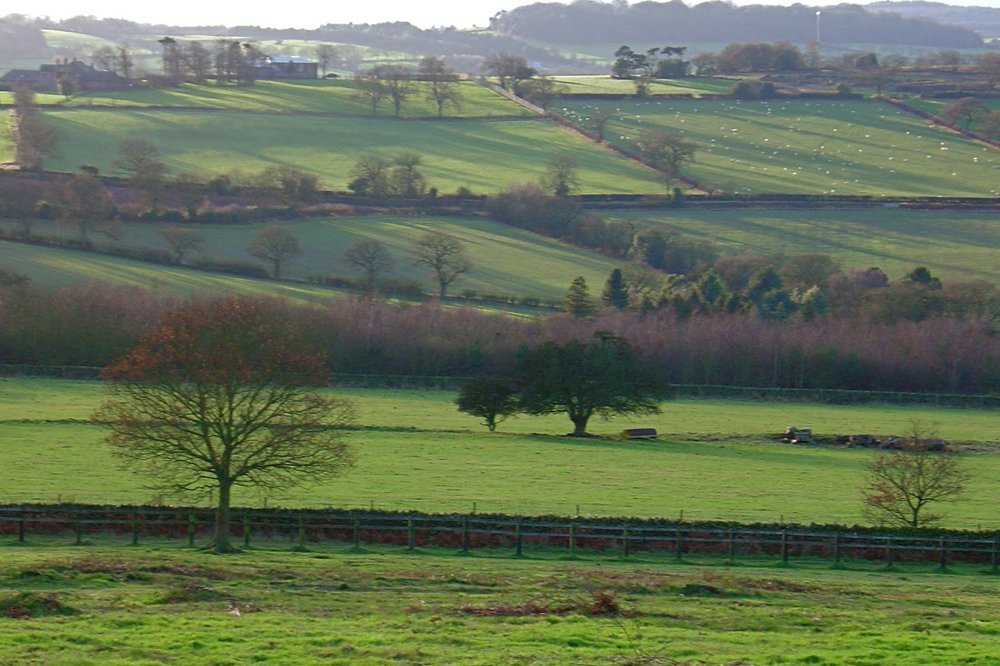
Hedgerows provide many benefits to farmers, including providing shelter for livestock.
Livestock lacking shelter is likelier to suffer from higher mortality rates and increased food requirements. Shelter helps improve survival rates for young animals, such as lambs, by reducing the impact of wind chill and hypothermia. Additionally, in the summer, shelter can alleviate heat stress in dairy herds, improving milk yield, fertility, growth rates, and disease resistance.
Feeding livestock with native hedgerow plants can enhance gut microbial diversity, support immune function, and improve feed conversion efficiency. Moreover, dense and sturdy hedges can act as barriers to preventing disease spread by reducing direct animal-to-animal contact between farms.
Livestock may also naturally consume certain hedgerow plant species to self-medicate. Some of these plants have leaves with anti-parasitic properties and rough surfaces that act as a rasping plug or can induce a purging response.
Flood Management and Water Quality
Hedgerows can play a crucial role in preventing floods. Plant roots help the soil absorb water more quickly, enabling it to act like a sponge and soak up flood water instead of letting it run off the surface. The deep roots of trees and hedgerows create a larger, deeper area of soil that absorbs more water.
The soil under a hedge can store water more effectively and rapidly, preventing and delaying its movement downslope. Trees and shrubs also help remove water from the soil by absorbing and transpiring it.
Hedges and hedgerow trees prevent soil erosion and intercept sediment from reaching our streams and rivers. By slowing down water flows, trees reduce the impact of flooding, providing more time for soil infiltration and response to flood warnings.
Hedgerows are crucial in fighting climate change by storing carbon above and below ground. They also help reduce the amount of fertilisers, pesticides, and sediment that reach watercourses.
Acting as a physical barrier, hedgerows increase soil infiltration and recycle nutrients through trees, shrubs, and other plants. Hedgerows improve air quality by capturing pollution particles.
Hedges and hedgerow trees can provide sustainable wood fuel without reducing land for production. This wood fuel can be used or sold as fuel or timber. Pollarding, a traditional tree management technique, can provide wood fuel and animal fodder.
Hedgerows can act as screens and protect privacy, shielding farm assets and buildings from public view. They are a defining feature of our countryside, with deep and significant cultural and historical importance.
So these are the many benefits of hedgerows to farmers. They tell the story of farming traditions over centuries and add regional distinctiveness.
As explained at the start, our primary purpose is to examine hedgerows’ benefits for wildlife and biodiversity.

Hedgerow Plants
Hedgerows have been based on mixed native plant and tree species for centuries.
This will include Plants such as the Guelder-rose, Dog-rose, Hawthorn, Blackthorn, Holly Prunus spinosa, Bird cherry, Dogwood, Green Beech hedge, Hazel, Hornbeam, Field maple and Spindle.
The more plant species found in a hedge, the greater the number of other species the hedge can support. Many plant-eating insects, for example, depend on a particular plant species, so the more different plants there are, the more potential for insect diversity.
Since different shrub species flower and fruit at other times, this diversity and a good spread of plant species extend the flowering and fruiting period, which is beneficial to nectar and pollen-feeding invertebrates and their predators.
Some species require the presence of just one shrub species to survive in a hedge, but others need several for different roles throughout their lives.
A good example is the thrush, which nests in the shrubby structure of the hedge, sings from hedgerow trees, hunts snails in the base of the hedge, and swaps to berries later in the season.
While all plants are part of a food chain and valuable for some form of wildlife, the plants on the list stand out as providing abundant food for a wide range of other species.
How a hedge is managed affects its ability to supply food, regardless of the species within. Most hedge species flower and fruit on second-year wood, so any hedge that is trimmed to the same point each year will not be able to produce anywhere near as many flowers or fruits.
Over half of the priority species associated with hedgerows are dependent, or partially dependent, on hedgerow trees.
Hedgerow trees, ancient trees, offer nesting sites for birds, bats, and bees.
They contain the rare deadwood habitat that supports thousands of our invertebrate species, many of which are rare or threatened.
They also provide leaf, flower, and fruit forage for many species.
Oak and willow trees can support over 400 plant-eating insect species each, which in turn support a large part of the local food chain.
Whilst mature and ancient hedgerow trees undoubtedly offer more for wildlife than young trees, we must encourage a new generation of trees. It is all too easy for a mechanical flail to strim the top of a potential new sapling tree, so these need protection and care if they are to become the mature hedgerow trees of the future.
Some wildflowers cannot tolerate higher nutrient levels, some will lose their fungal root associations, and others may just be shaded out by plants that thrive in high-nutrient soil, such as nettles, cleavers, and docks.
Whilst there is nothing wrong with nettles, docks or cleavers, their abundance at the base of our hedgerows can be a warning to us. We use them as a proxy measurement for nutrient enrichment, which we know can harm our wildflowers.
Wildflowers also need space to thrive, and a margin of unploughed and unsprayed land at the base of the hedge will not only provide this space for nature but also act as a buffer which can protect the hedge from damage.
It is almost impossible to create a list of hedgerow wildflowers as they vary in regional, soil, and management characteristics.
As a general guide, these are some of the wildflower species you may be able to find in local hedgerows: Common Agrimony, Garlic mustard, Common Knapweed, Wild Foxglove, Meadowsweet, Hedge Bedstraw, Wood Avens, Common st. John’s wort, Field Scabious, Autumn hawkbit, Self-Heal, White campion, Hedge Woundwort, Upright hedge parsley, and Dark mullein.
It should go without saying that Herbicides, insecticides, and fertilisers used on farm fields or in your garden or allotment will often drift into hedgerows and damage or kill the roots of hedge shrubs and trees.
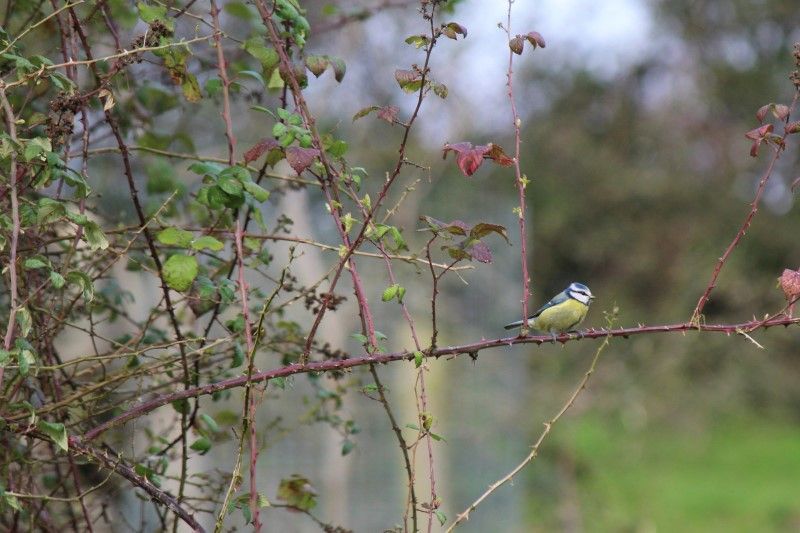
Hedgerow Wildlife
A native mixed hedgerow can support an incredible range of wildlife species, and one which includes hedgerow trees will add hundreds more species to the list.
If we start with invertebrates, a native mixed hedgerow will provide food, shelter, and breeding sites for pollinators such as bees and beneficial predators such as scorpion flies (Panorpa communis).
Bumble bees Bombus spp. Use hedgerows to guide their foraging activity. Stag beetles Lucanus cervus can sometimes be found among decaying stumps at the base of a hedge.
Maintaining a diversity of perennial plants in the hedge bottom for host and nectar plants benefits invertebrate diversity.
More than 20 butterfly species breed in hedgerows, including the brown hairstreak butterfly (Thecla betulae), which lays its eggs on blackthorn.
The Holly blue butterfly (Celastrina argiolus) caterpillars can only be found in hedges containing holly or ivy, while the brimstone butterfly (Gonepteryx rhamni) prefers buckthorn (Rhamnus cathartica) or alder buckthorn (Frangula alnus).
The Purple Emperor (Apatura iris) and Pearl-bordered fritillary (Boloria euprhrosyne) are among the species that use hedgerows for nectar, basking, or as transport corridors from other core habitats.
Some butterflies, such as the Peacock, use hedges as territorial sites; males establish perching sites on hedges and rise to inspect other butterflies as they fly past.
The Barberry carpet moth (Pareulype berberata) lives in hedgerows.
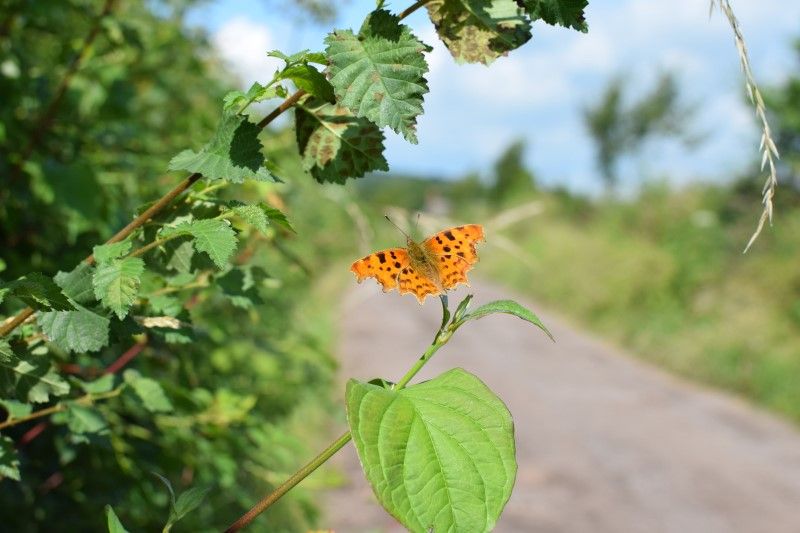
Factors that affect the butterfly density of hedgerows include shelter from wind, insolation, nectar plant diversity, plant species richness, margin area, and uncropped land.
For optimal butterfly activity, hedges should create a network where shade and shelter are available even when weather conditions change.
You don’t always expect to fund amphibians in hedgerows, but newts, the palmate, smooth and rare and protected great crested newt, can all be found.
Newts feed on the invertebrates and other insects in the foliage at the base of the hedge. Common Toads also use hedgerows for shelter and food, where they eat molluscs such as slugs and snails.
It’s similar to reptiles. Grass snakes will use the base of hedgerows as corridors to find food, shelter, and potential mates.
Another reptile I’ve seen often in hedgerows is the slow worm. Like other cold-blooded species, they need shelter and a safe place to bask in the morning sunshine, and a hedgerow can provide excellent safe shelter and a safe space to bask on the sunny side in the morning.
Hedgerows provide nesting habitats for over thirty bird species.
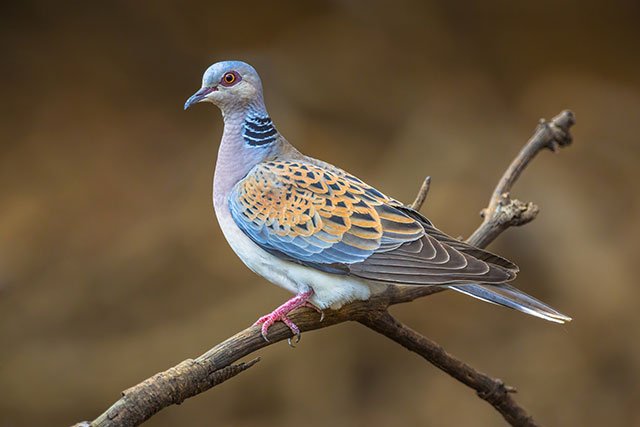
In taller hedgerows, you can find bullfinches and the increasingly rare and endangered turtle dove. Due to habitat loss, including ancient and tall established hedgerows with trees, the turtle dove has declined by a devastating 97% in the last thirty years.
Lower hedgerows may host whitethroats, linnets, and yellowhammers, but dense hedgerows without trees are preferred.
Hedgerows with hedgerow trees are likelier to be home to Dunnocks, lesser whitethroats, and willow warblers.
Birds such as wrens, robins, dunnocks, and whitethroats nest closer to the ground and can be found in hedgerows of all heights and depths.
Further up the hedge, you may find nesting song thrushes, blackbirds, chaffinches, and greenfinches.
Grassy hedge bottoms and field margins provide nesting material and insect larvae for chicks to feed on.
Wildflowers and grasses growing up into a hedge also help conceal nests from predators. The grey partridge uses grass cover at the hedge bottom to nest.
In winter, hedgerows, such as fieldfares and redwings, can serve as feeding and roosting sites for seasonal visitors.
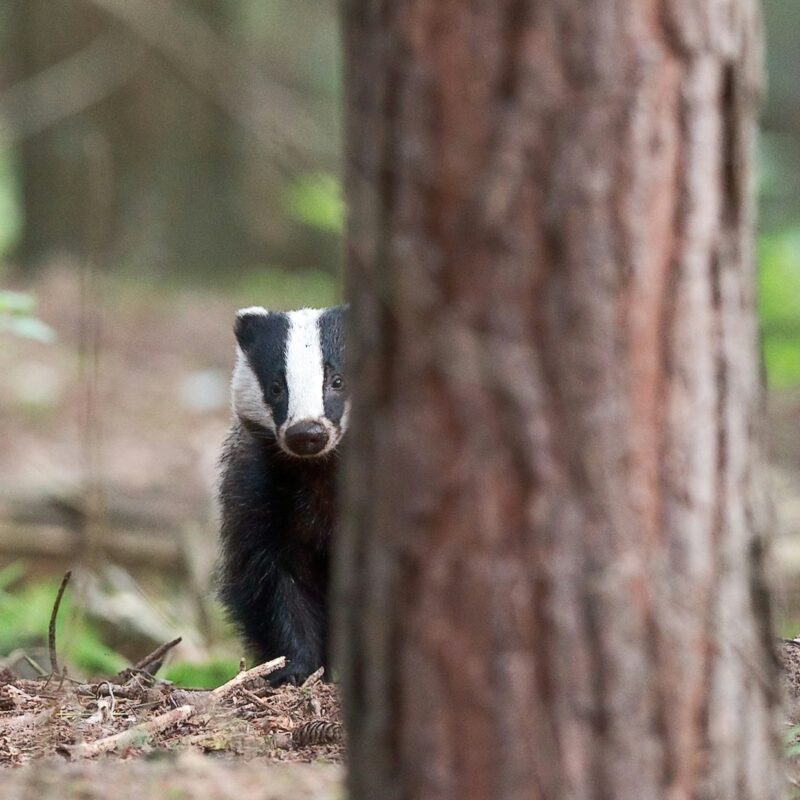
A variety of mammals rely on hedgerows for shelter and food. Animals like badgers and foxes feed on hedgerow berries and fruits, while roe deer graze on hedgerow plants.
One notable resident of hedgerows is the Hazel Dormouse.
These small mammals spend most of their time in hedgerow branches, venturing to the ground only to build nests and hibernate during winter.
In autumn, they feast on nuts, seeds, and berries to store enough fat to survive the winter. When they emerge from hibernation, they feed on the blossoms of trees such as hawthorn and oak and insects like caterpillars in the summer.
Hedgerows are crucial for dormice as they serve as both a home and a source of diverse food, as well as dispersal corridors that connect small copses to larger woodland areas. The decline of hedgerows has led to isolated dormouse populations and local extinctions.
Wood Mice are another common resident of hedgerows. They are adaptable creatures that can thrive in gardens and hedgerows, building nests in various places. Wood Mice are about the same size as house mice, with chestnut-brown colouring, large eyes, and prominent ears.
They are the most likely species to be found by cats, and in the wild, foxes and tawny owls are the main predators. Tawny Owls have been known to only breed if the Wood mouse population is high in an area.
Although not native to hedgerows, harvest mice are often found there, particularly around woodland edges. They eat seeds, fruits, and invertebrates and have pale, ginger-to-yellow fur, a white belly, and a nearly hairless, long tail.
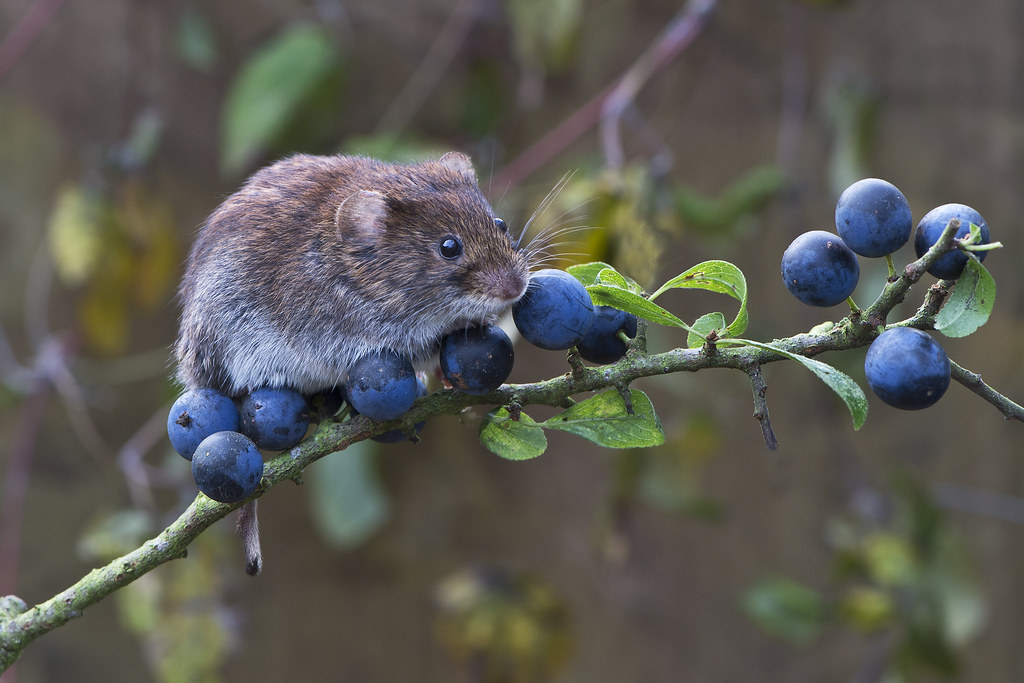
Bank Voles live in woodland and hedgerows and can also be found in parks and gardens. They have a distinct appearance, with blunter, rounder faces, smaller ears and eyes, and shorter tails than mice.
Bank voles are active and agile and are known for their climbing abilities. They have rich chestnut brown fur with white bellies and do not hibernate, producing three to four litters yearly. Each littler will have five or six babies. Bank Voles do not hibernate. I don’t think they would have the time!
Hedgehog
Perhaps the most iconic hedgerow species is the Hedgehog.
In Britain, we have lost around 70% of hedgehogs since 2000. That is shocking and upsetting, but it is true: Hedgehogs are in big trouble and face extinction from our countryside.
It is important to say that Hedgehogs in urban areas are showing signs of stemming that shocking decline, and many local communities are working together to help save their hedgehogs.
We have covered urban hedgehogs and will feature them again soon in Britain’s Wildest Cities series.
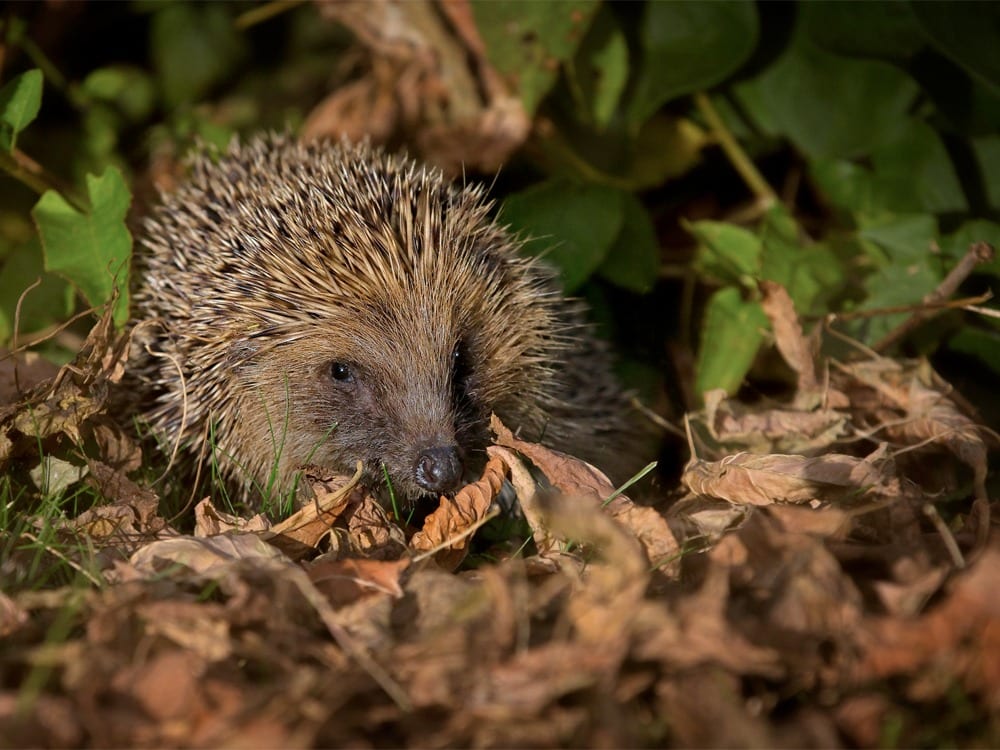
This article focuses on country hedgehogs. Tragically, in Britain’s countryside, we are in the midst of a vanishing hedgehog crisis.
Where have all the hedgehogs gone? It won’t surprise you to learn that there isn’t a simple answer – the situation is, as ever, complex.
One thing for certain, though, is that in four decades, Britain destroyed enough hedgerows to wrap around the circumference of the Earth fifteen times. Yes, you heard me correctly fifteen times around the world!
This, coupled with catastrophic declines in the diversity and abundance of invertebrates, has made the British countryside a hard place to be a hedge-dwelling invertebrate eater.
We humans are the problem, then. We consider the hedgehog to be our favourite wild animal and are even thinking about making them a national animal for the UK. We say we love our spiky friends, but we have subsidised our farmers to remove the hedgehogs’ homes and the corridors through which they travel to forage and find new mates.
We have also killed their natural food source by constantly spraying crops with insecticides, fungicides, and fertilisers.
So the choice is clear. We want a return to smaller fields with larger margins for wildlife and hedgerows that provide biodiverse habitats for hundreds of native wildlife species and massive benefits to farmers of both arable crops and livestock.
However, that may increase the cost of food, and with the UK in the midst of an austerity-driven financial crisis, it will take a brave government to implement the change we need in Britain’s Countryside.
But one we must make as we are already one of the most nature-depleted countries in Europe.
We won’t leave things on such a depressing note. Instead, we will look at our final mammal, which has a unique way of using hedgerows. Bats are the only flying mammals in Britain.
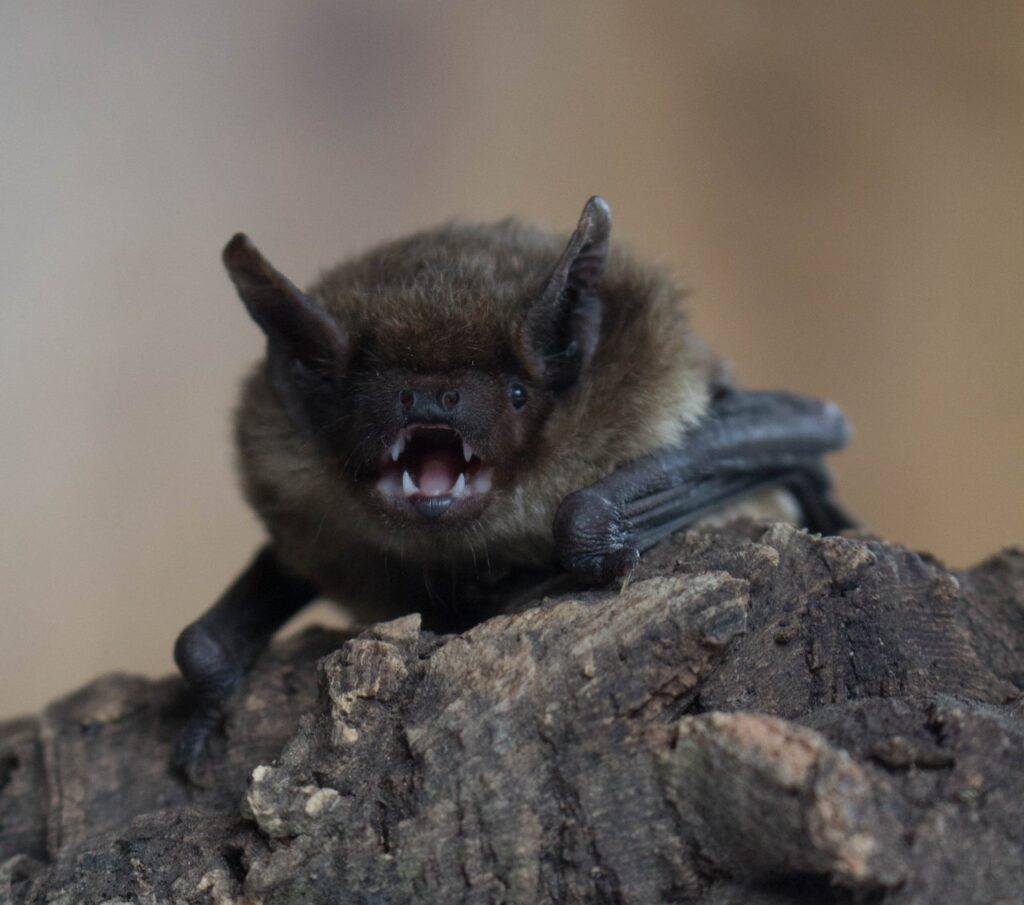
Some bat species, like the Serotine, use hedgerows to navigate during their nightly hunts for food. The Serotine is one of Britain’s largest bat species and is often among the first to appear in the evening, taking advantage of good light. Its broad wings and leisurely, highly manoeuvrable flapping flight with occasional short glides or steep descents are distinctive.
Serotines mainly hunt within 2 km of their roost, but they may forage up to six kilometres. After catching a large beetle, a serotine will fly around slowly, chewing its prey and dropping the wing cases and legs; sometimes, it will take the prey to a feeding perch.
It flies at about tree-top height (up to about 10 m), often close to vegetation, and will sometimes flop, wings outstretched, onto the foliage to catch large insects. The serotine will feed around street lamps and even catch prey from the ground.
All UK bats are nocturnal, feeding on midges, moths, and other flying insects that they find in the dark using echolocation.
Two species are known to use hedgerows for feeding:

Greater Horseshoe Bat
The Greater Horseshoe Bat was once a cave dweller, but today, it tends to roost in old houses, churches, and barns.
More significant horseshoe bats hibernate in caves, disused mines, tunnels, and cellars over the winter. In early summer, greater horseshoe bats will emerge at dusk and dawn, preferring to roost through the middle of the night.
Greater Horseshoe is one of Britain’s larger bat species and can be the size of a small pear. It has a typically characteristic horseshoe-shaped fleshy nose. Its fur is reddish-brown on its back and cream underneath.
Greater horseshoe bats often choose a regular perch in a tree, often in or adjacent to a hedgerow, from which they can watch for passing insects; when they spot their prey, they fly out to catch it in the air.
Natterer’s Bat
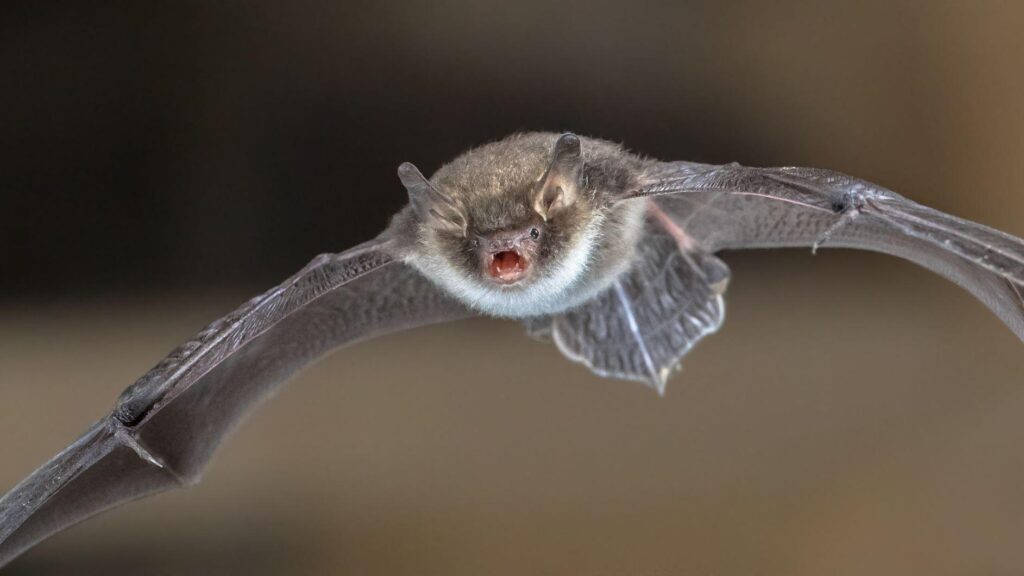
The Natterer’s bat has broad wings, enabling it to fly slowly and catch various insects, including snatching spiders from their webs.
Natterer’s bats have a slow to medium flight, sometimes over water but more often amongst trees. Their broad wings and tail membrane give them excellent manoeuvrability at a slow speed.
They usually fly at heights of less than 5m but occasionally may reach 15m in the tree canopy. Much of the prey is from foliage, including many flightless or day-flying insects. Sometimes, larger prey is taken to a feeding perch.
The Rise and fall of Hedgerows is an original article by Nigel Palmer Wildlife Matters
Further Reading
Hedgelink – Importance of Hedgerows
If you enjoyed this blog, please check out more of our wildlife blogs here, or you may prefer to listen to the Wildlife Matters Podcast here.
If you want to support our work
Please click on the Wildlife Matters Patreon Community.
Please click to join the Wildlife Matters Substack Community.
You can donate here.