As winter blankets our gardens, outdoor spaces, and countryside in glistening frost and snow, the survival of our feathered friends becomes a crucial consideration. Wildlife Matters Guide: How to Care for Your Garden Birds this Winter.
The cold of winter presents unique challenges for wild birds, making it essential to provide them with nourishment during the chilly months.
This article aims to guide you in creating a bird-friendly haven during winter, offering insights into the best nutritional choices to support many birds in their quest for warmth and sustenance.
Written by Wildlife Matters, this blog post will help you master the art of winter bird feeding. It will bring joy and vitality to your local avian community while attracting birds to your garden during harsh weather conditions.
During winter, providing the right seeds and nuts in your bird feeder or on your bird table is vital for the survival and well-being of wild birds.
Feeding birds should be an enjoyable and enriching experience; however, it is crucial to understand which natural and fresh foods they can safely consume.
Keep in mind that some foods that are suitable for human consumption can be harmful to birds. Improper food sources and poor feeder hygiene can lead to serious health issues for our avian friends.
Sunflower seeds, whether in the shell or hull, are a nutritional powerhouse and a favourite among many bird species. They are packed with essential fats and proteins, providing a high-energy food source crucial for maintaining body temperature in cold weather.
Niger seeds, also known as thistle seeds, are particularly favoured by finches, robins, bluetits, and other small birds. These seeds supply birds with the necessary oils, energy, and calories to survive winter’s harsh conditions.
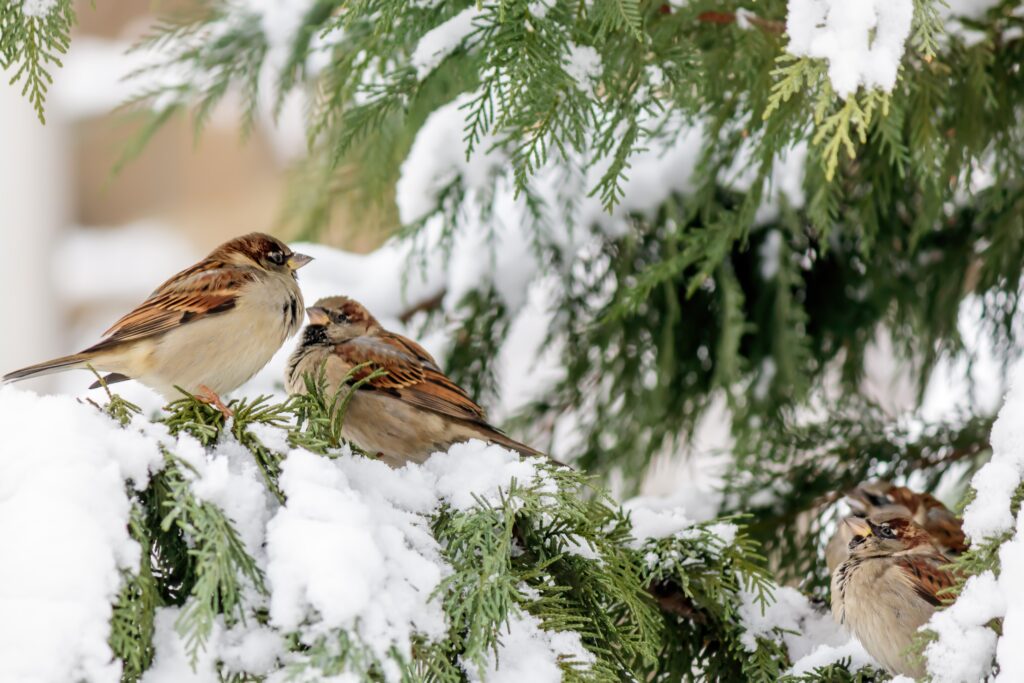
For ground-feeding birds like sparrows, millet is a budget-friendly option that offers energy and sustenance.
Feeding peanuts to birds in winter can also be a nutritious and energy-rich choice. Many birds enjoy peanuts, high in fats and proteins, providing essential calories that help them maintain their energy levels during the colder months. Be sure to use unsalted peanuts free from any additives to ensure the health and well-being of our feathered friends.
Consider mixing these seeds in various feeders to accommodate different bird species and their feeding habits. By offering a diverse selection of bird seeds in your garden, you enhance the health of your feathered visitors and improve your winter birdwatching experience.
This creates a haven of sustenance that brightens chilly days for birds and bird enthusiasts alike.
Providing nuts and seeds in suitable feeders or scattering them on bird tables gives the birds something to eat while supporting the vitality of your local bird population during the challenging winter season when food is often scarce. When you feed birds the right foods in winter, you can encourage them to visit your garden year-round.
What shouldn’t I feed garden birds?
Feeding birds can be a rewarding experience, but it’s important to be mindful of foods that may harm their health.
Avoid giving dried fruit, as it often contains high levels of added sugars and preservatives that can negatively affect birds’ well-being.
Cooked rice can also pose risks; if not eaten right away, it can develop harmful bacteria that may harm birds when ingested. Additionally, processed and salty foods, such as chips or crackers, should be avoided, as excessive salt intake can harm avian kidneys.
Be cautious with mouldy or spoiled seeds, as they can carry aflatoxins, which can be lethal for garden birds. Finally, steer clear of dairy products, such as cheese, as birds are lactose intolerant, and consuming dairy will lead to digestive issues.
To ensure your feathered friends’ safety and overall health, prioritise a balanced and bird-friendly diet by avoiding these potentially harmful food items.
What containers should I leave bird feed in?
Selecting the proper containers for bird seed is essential for maintaining its freshness and accommodating the diverse feeding habits of our avian friends.
Bird feeders are among the most popular options and come in various styles, such as tube and platform feeders, each catering to different bird species. Tube feeders are ideal for tiny seeds, like sunflower or nyjer seeds, while platform feeders can accommodate larger birds and various seed types.
Hanging fat balls, a winter favourite, can be placed in specialised containers or suspended from trees and hooks. These high-energy treats attract various birds, particularly those seeking supplemental fats during the colder months.
Bird tables provide a spacious, open feeding area, allowing ground-feeding birds, like sparrows, to enjoy seeds comfortably.
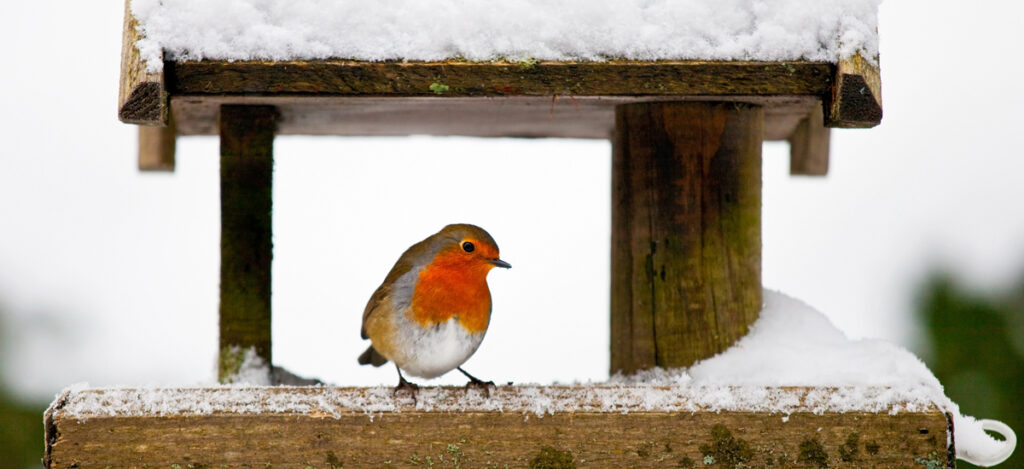
Choosing tables with roofs or overhangs is advisable to protect the seeds from rain and snow and preserve their quality.
Moreover, containers should be durable, easy to clean, and strategically positioned to deter squirrels and other potential seed thieves.
Additionally, leaving fresh water out in a dish or on a bird table is beneficial. This is especially helpful for sick birds needing easy drinking water access.
Consider purchasing bird baths, which allow smaller birds to bathe and clean themselves, regardless of the weather. Just be sure to check that the water hasn’t frozen over on extremely cold days!
Why is it important to clean bird feeders thoroughly?
Cleaning bird feeders thoroughly is essential for the health and well-being of our garden birds. During the summer, seed hulls, droppings, leftover bird food, and moisture can accumulate in feeders, creating an environment where harmful bacteria, mould, and parasites can thrive.
Regular cleaning helps prevent the spread of avian diseases, protecting the delicate immune systems of the birds that visit the feeders. Moisture can lead to the formation of aflatoxins on damp or spoiled seeds, which pose a significant health risk to birds. Keeping your feeders clean is a critical task that should not be underestimated.
Additionally, clean feeders attract a wider variety of birds and ensure a positive feeding experience.
Birds are more likely to return to feeders that offer fresh, uncontaminated seeds, enhancing the diversity and enjoyment of birdwatching.
Routine cleaning also helps maintain feeders’ structural integrity, extending their lifespan and preventing potential hazards such as mouldy or spoiled seeds that could harm the birds.
Maintaining clean feeders becomes even more critical when resources are scarce in winter.
Bird lovers should establish a regular cleaning schedule, using a mild bleach solution or specialised bird feeder cleaning products, to promote the health, safety, and diversity of their avian visitors.
We hope you found this article interesting. If you feed your garden birds and do follow some of our tips and suggestions, please do let us know about your experiences. You can email us hello@wildlife-matters.org