

Wildlife Matters guide to helping Hedgehogs this winter. Hedgehogs are delightful creatures that can bring joy to our gardens and benefit from our care and attention. We can encourage these charming animals to visit us by taking simple steps.
Typically, hedgehogs hibernate from October to March or April. Research indicates that each hedgehog changes nesting sites at least once during hibernation, so they can occasionally be seen outside.
Due to the potential effects of climate change, which could lead to milder winters, hedgehogs may remain active throughout the winter months.
Hibernation is vital to their natural cycle, allowing them to conserve energy and endure harsh conditions. As responsible gardeners and animal lovers, we can help ensure hedgehogs hibernate safely and comfortably.
In this article, Wildlife Matters shares our top tips for providing a secure environment for hedgehogs during their hibernation period.

Create Hedgehog-Friendly Habitats
One of the best ways to support hedgehogs during hibernation is to provide suitable habitats. Ensure that your garden includes a variety of hiding spots, such as leaf piles, log piles, or specially designed hedgehog houses. These houses can help protect hedgehogs from the cold and predators.

Provide Food and Water
Hedgehogs must stock up on food before hibernating to access a reliable food source in your garden. Leave out dishes of hedgehog food, cat or dog food (preferably dry food) and fresh water. Avoid giving them milk, as hedgehogs are lactose intolerant.

Garden Hazards
Remove potential hazards to make your garden hedgehog-friendly.
Check for open drains or holes that hedgehogs might fall into and cover them. Keep your garden litter-free and secure netting to prevent hedgehogs from getting tangled.
Creating Hedgehog Access
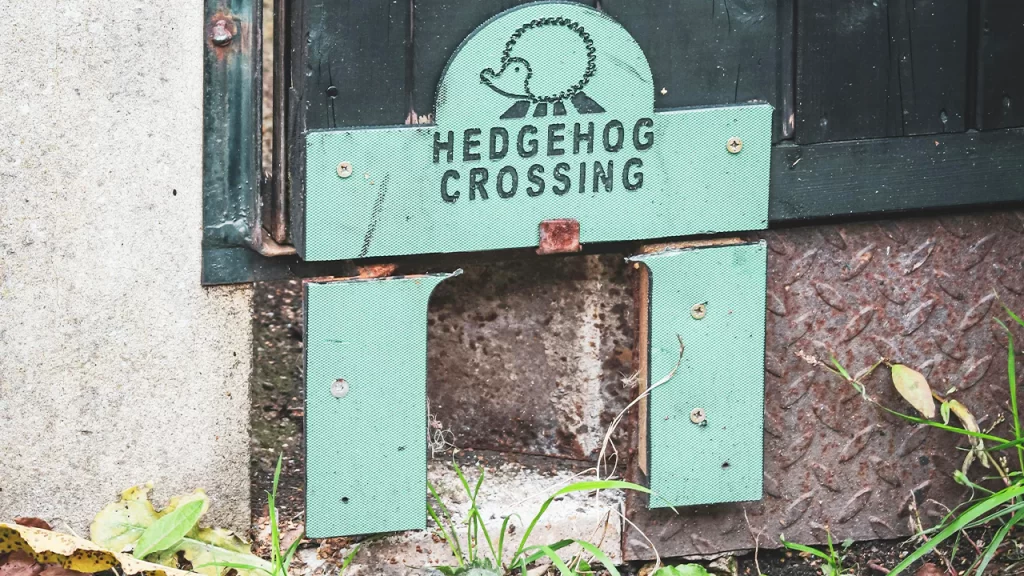
Hedgehogs need to roam and find food before and after hibernation. To ensure this, connect your garden to neighbouring green spaces by creating small holes in fences or installing hedgehog tunnels. This will allow hedgehogs to move freely, increasing their chances of survival.
Check for Hedgehog
Before you start any garden work in the late autumn, especially bonfires, check carefully for hedgehogs. They may have already made a nest for hibernation in your garden. Gently inspect areas like compost heaps and under sheds or hedges. If you find a hedgehog, leave it undisturbed and adjust your plans accordingly.
Hedgehogs out During the Day
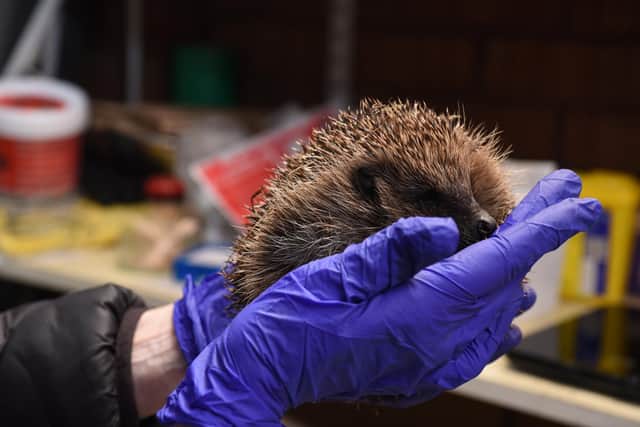
Hedgehogs can be sensitive to temperature changes. During mild winters, they might wake up from hibernation, using up valuable energy reserves.
If you see a hedgehog active during the day and are concerned, we suggest taking a short video or picture on your phone and contacting your local wildlife rescue for further advice.
Hedgehogs make lovely garden visitors, and by following these simple tips, you can help ensure their safe and successful hibernation period.
With just these simple steps, we can provide help for hedgehogs.