
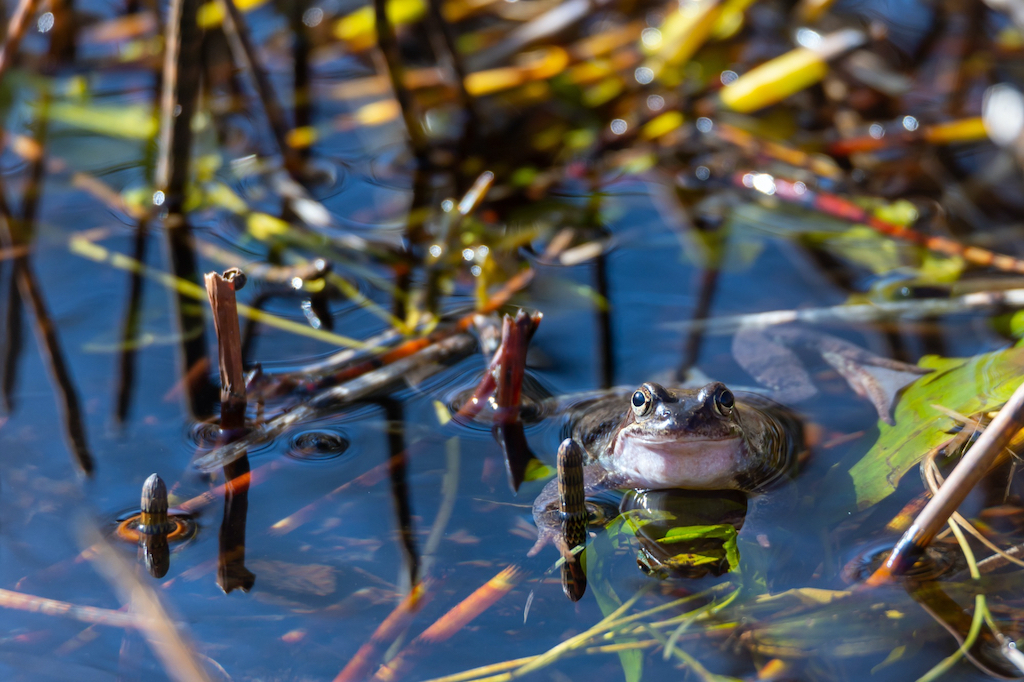
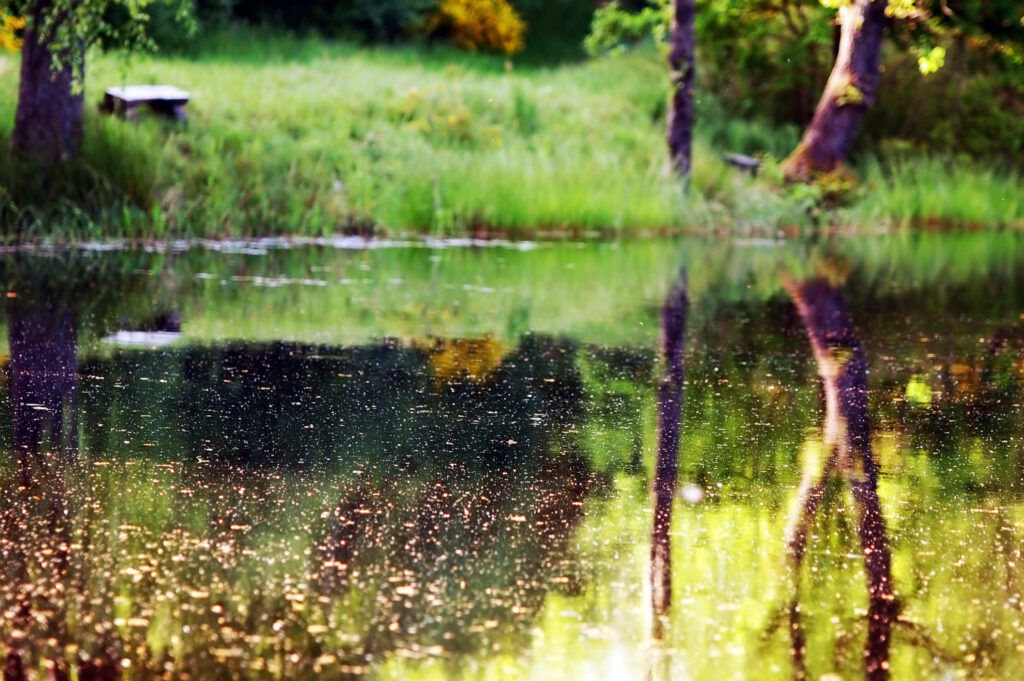
Even in winter, when the water appears calm and your pond may seem lifeless, supporting garden wildlife is crucial. The Wildlife Matters Guide to Looking After a Wildlife Pond in Winter shares our top tips for keeping your wildlife pond clean and safe during winter.
Have you ever wondered what happens to the vibrant wildlife that thrives around your garden pond in the winter?
While discussions about winter wildlife often focus on hibernating mammals or regular bird feeding, we sometimes overlook the life within our ponds. It’s easy to forget that these ecosystems are still teeming with life, even when they seem quiet and still.
Taking steps to care for our ponds during winter can significantly benefit the creatures that inhabit them.
Here are Wildlife Matter’s top tips for maintaining a healthy nature pond throughout the winter:
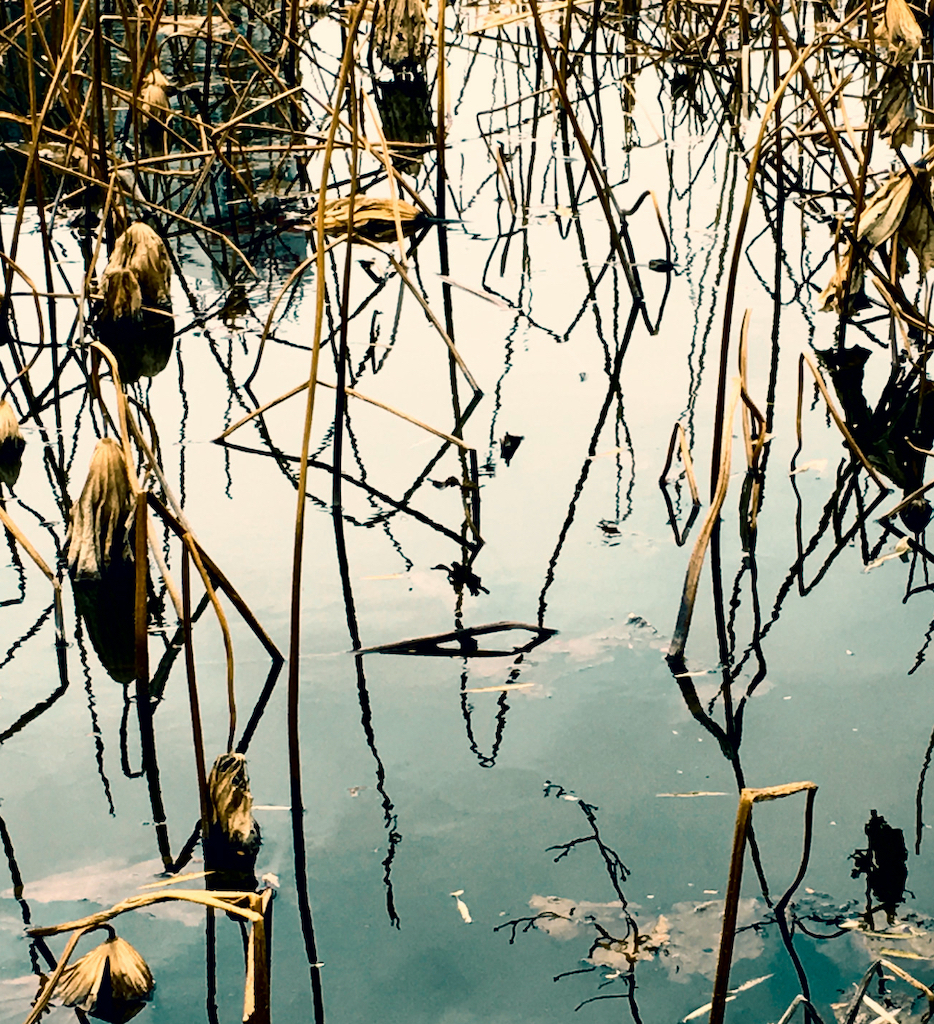
**Remove Fallen Leaves**: Adult male frogs hibernate in the silt at the bottom of ponds during winter, relying on their skin to breathe underwater. It’s essential to clear fallen leaves from your pond before they freeze, as decomposing leaves can release harmful gases.
Even a thin layer of ice can trap these gases, potentially suffocating the hibernating frogs.
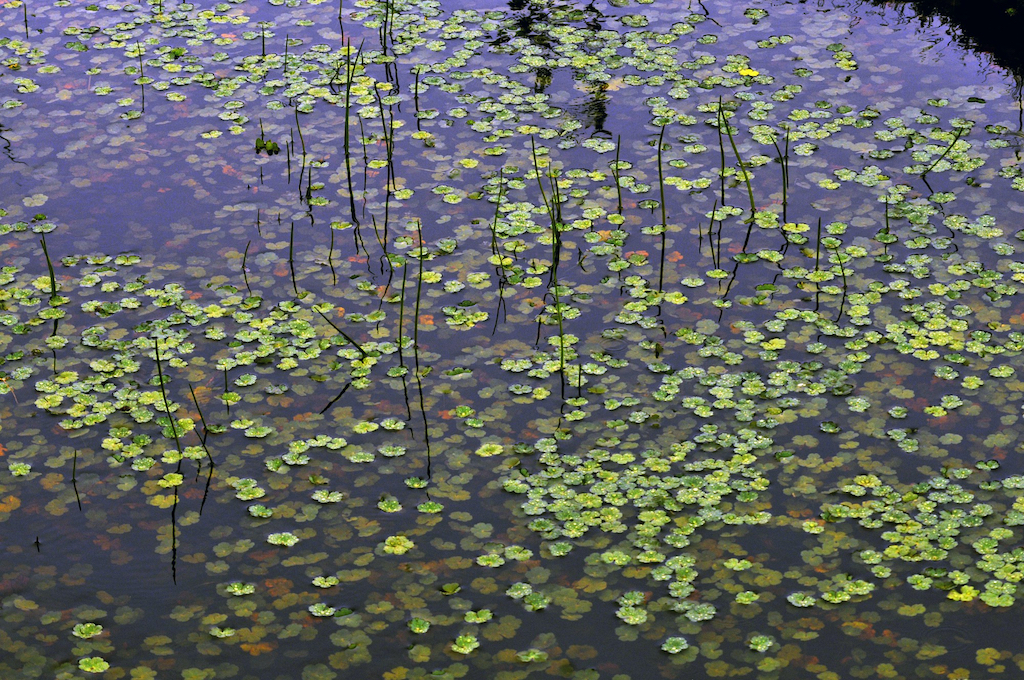
Incorporate Oxygenating Plants: Ensure your pond features a diverse selection of native aquatic plants that can oxygenate the water, such as spiked water milfoil and water starwort.
These plants help mitigate the effects of decaying organic matter. Additionally, it’s beneficial to remove any snow covering your frozen pond to allow sunlight to reach the submerged plants. This sunlight enables them to photosynthesise and release oxygen.
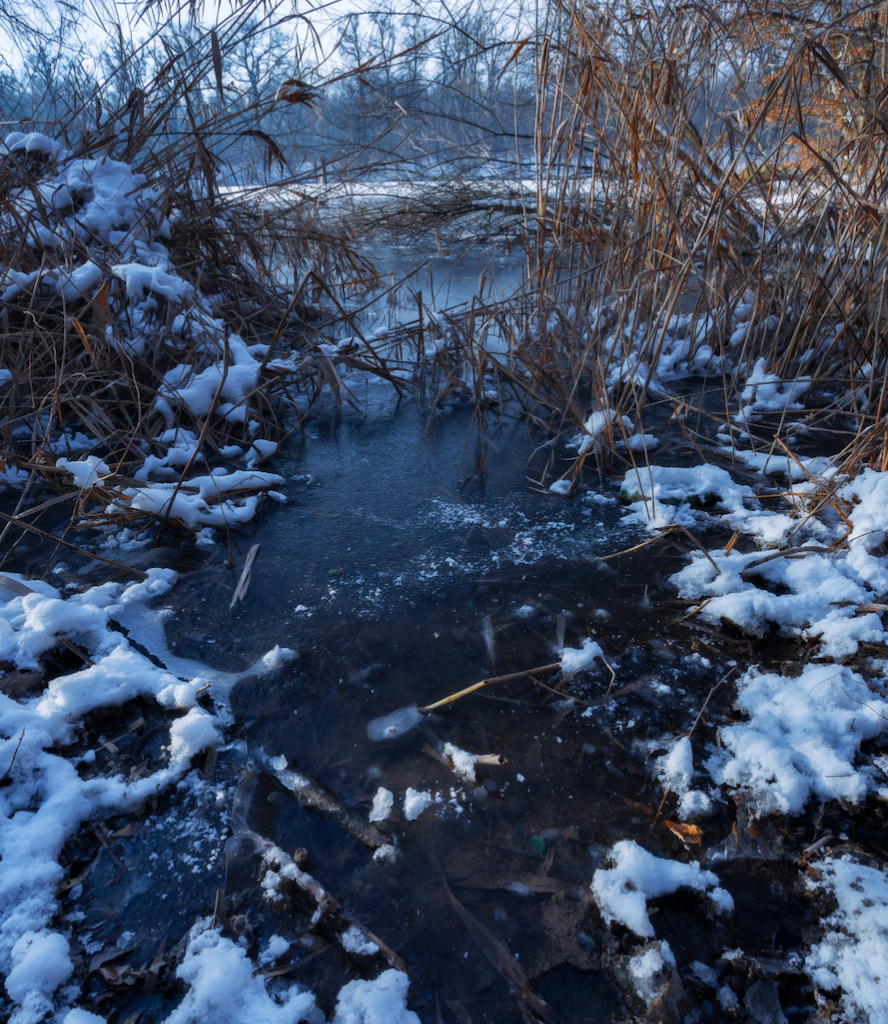
Break the Ice – Gently! Keeping the edges of your pond clear of ice provides garden birds with a place to bathe and drink fresh water.
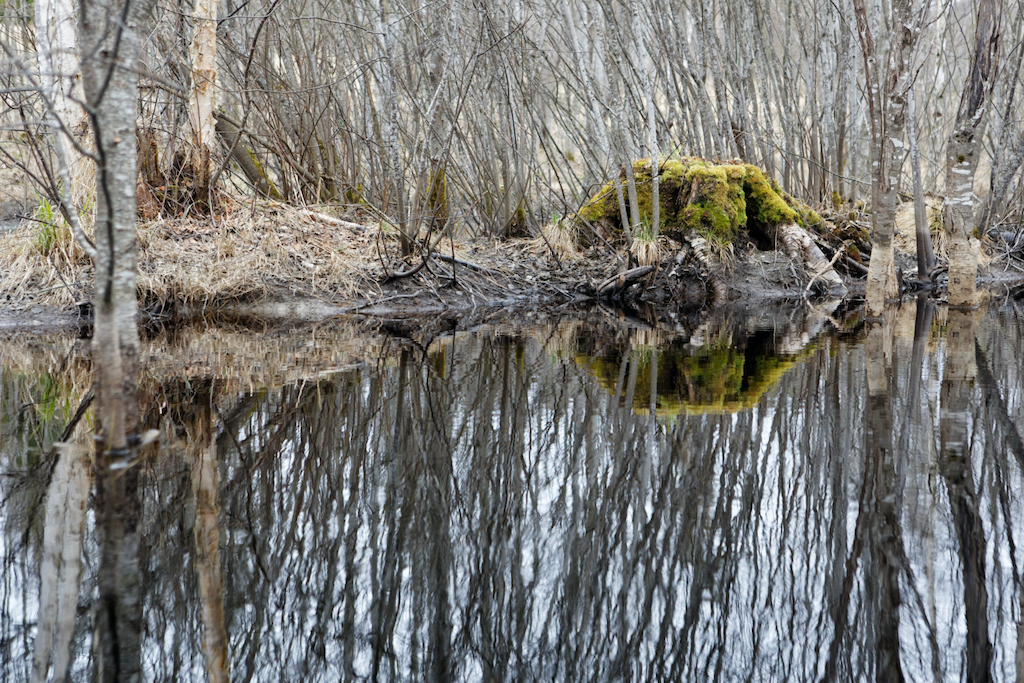
4. Leave It Messy: Leaf piles, compost bins, log piles, and long grass are essential for mammals and amphibians.
Frogs and smooth newts often hibernate in these microhabitats, where the temperature remains stable, thereby protecting them from predators and harsh weather conditions.
Consider building a hibernaculum to offer refuge for insects and frogs during winter.
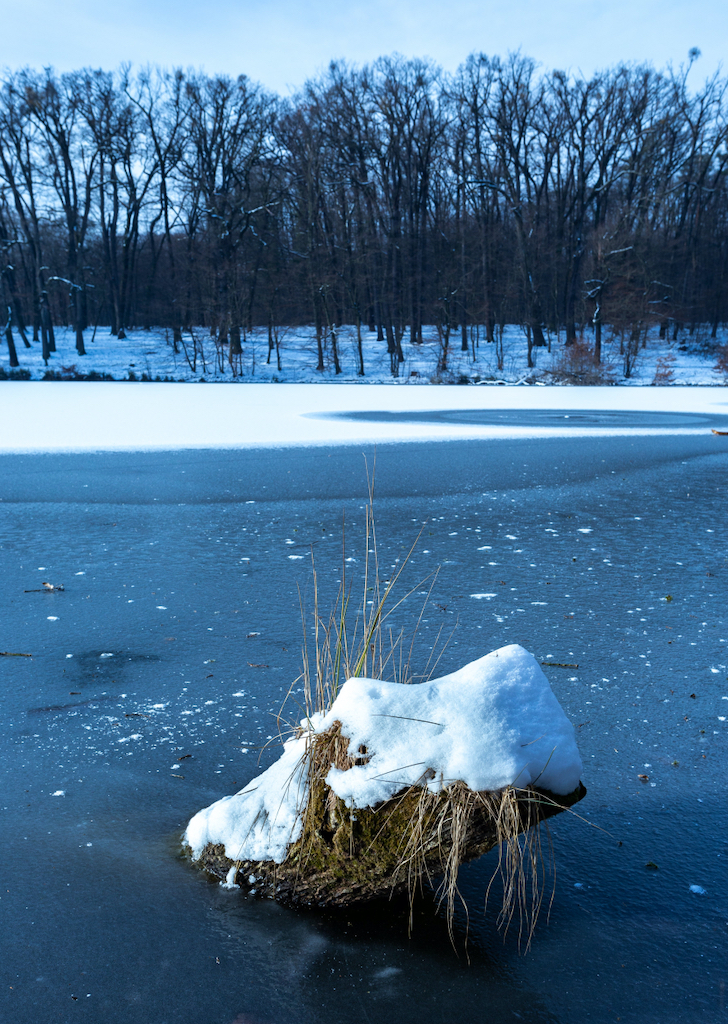
5. Create a Breathing Hole. Place a small ball or pond ornament on the water’s surface to prevent the pond from freezing completely.
This will allow frogs to exit for hunting and facilitate the diffusion of gases in and out of the water.
By following these tips, you can support the wildlife in your pond and ensure it remains a vibrant ecosystem, even in the cold winter months.