Winter can be harsh for wildlife, with plummeting temperatures and limited food supplies. Here are Wildlife Matters’ Top Tips for Caring for Wildlife in Your Garden During Winter, offering practical ways to help your local wildlife survive this challenging season.
Let Your Garden Go Wild
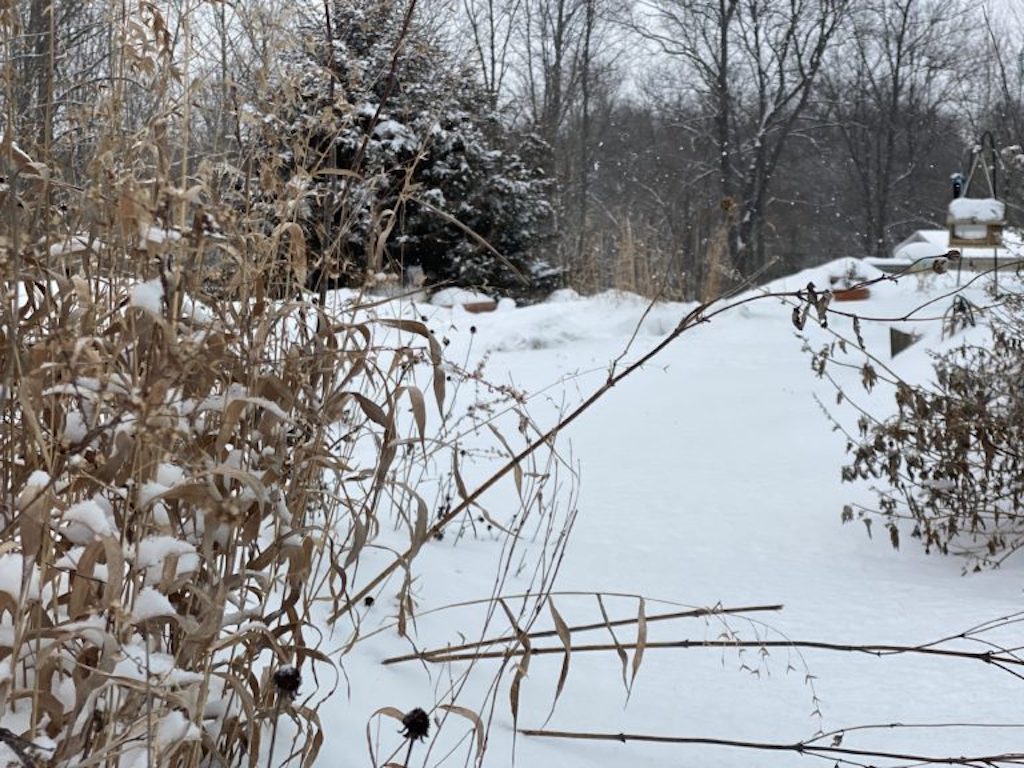
Leave some areas of your garden undisturbed. Leaves and log piles provide perfect nesting spots for animals to hide, rest, and hibernate. By postponing garden tidying tasks until early spring, you can create shelter for insects throughout winter.
If you have a compost heap, it can become a welcome habitat for toads, grass snakes, and slow worms.
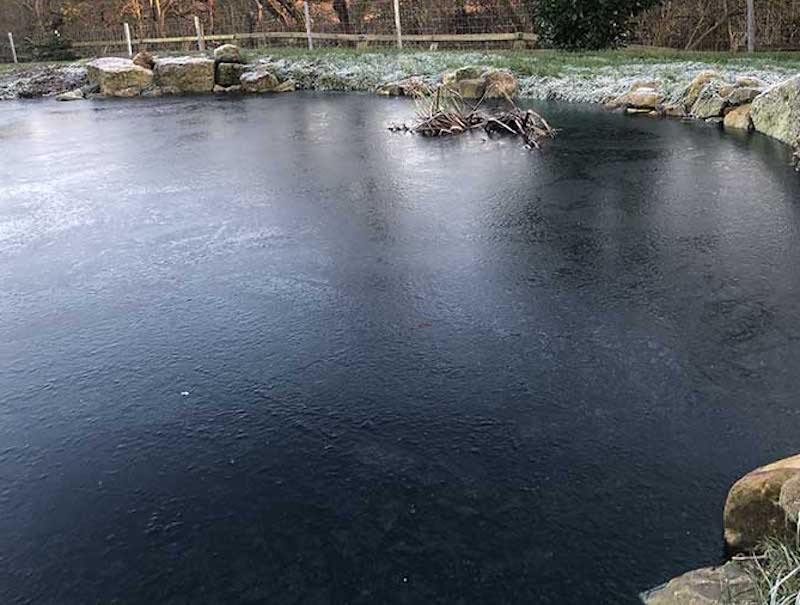
Break the Ice
If your garden pond freezes over, it is essential to create a hole in the ice. Otherwise, toxic gases can accumulate in the water, endangering any fish or frogs that may be hibernating at the bottom.
When making a hole in the ice, carefully place a pan of hot water on the surface. Never forcibly break the ice or pour boiling water directly onto the pond, as this can harm or kill any frogs present.
Another option is to place a football or similar floating object into the pond. This will create a breath hole and prevent the complete surface of the water from freezing.
For more ideas on how to look after your Wildlife Pond in Winter, check our Wildlife Matters guide here:
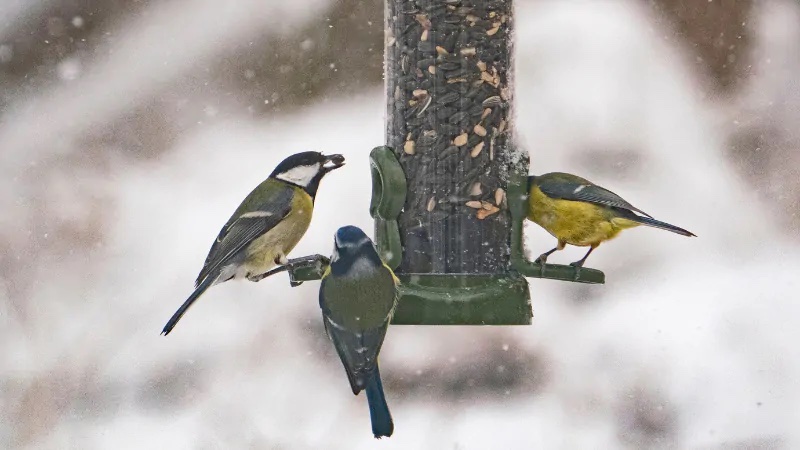
Feeding the Garden Birds
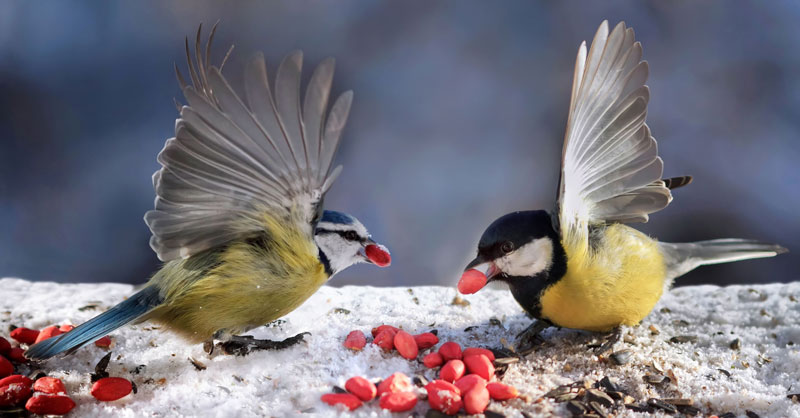
During winter, birds often struggle to find natural foods such as berries, insects, seeds, worms, and fruit.
You can help by putting out extra food. Offer a variety of seeds, fresh unsalted peanuts, and fruits like apples and pears. Dried or wax mealworms are also a favourite among garden birds and can be purchased from bird food suppliers.
As natural food sources dwindle in the cold season, resident British birds and winter visitors will increasingly rely on your food.
Check out Wildlife Matters guide to feeding garden birds in Winter, which includes recommendations on the best types of food for different species.
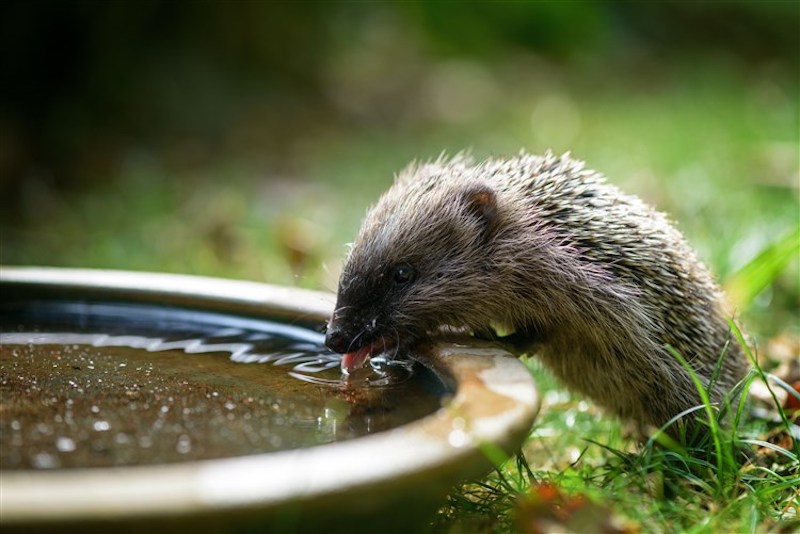
Provide Fresh Water
Wildlife struggle to find clean, fresh water when temperatures drop below freezing.
To help, leave some water out in a shallow bowl each night. Add a brick or stone to provide a perching place and prevent the bowl from freezing completely.
Attract Garden Visitors with Good Food
During winter, food can be scarce.
Offering appropriate treats will encourage various mammals to visit your garden. Consider the following suggestions:
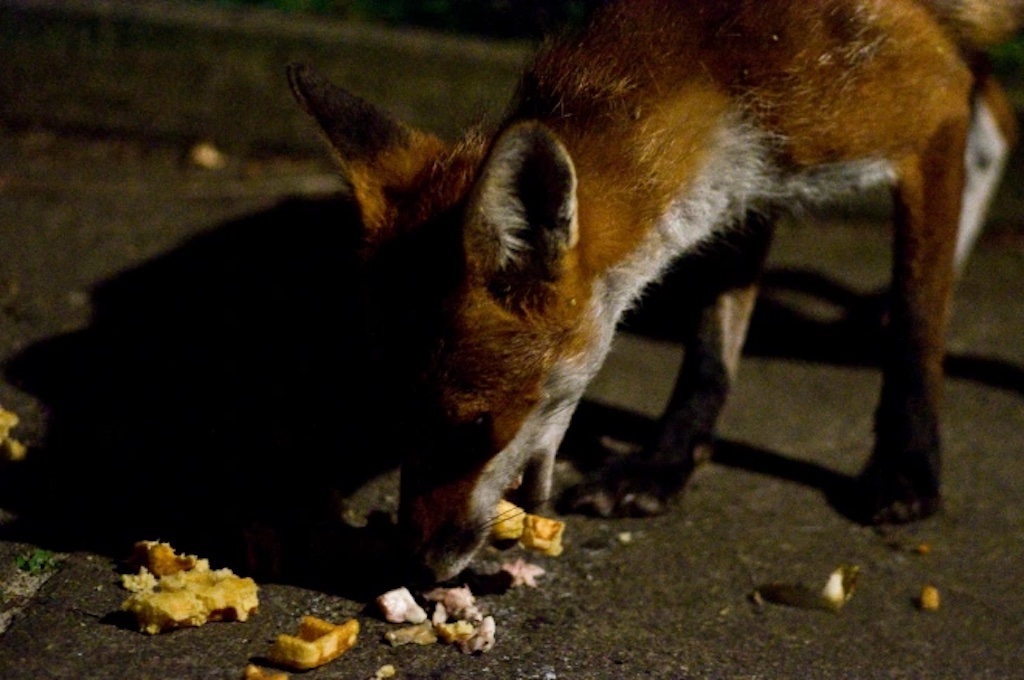
For foxes: Offer sausages, cheese, boiled potatoes, carrots, chicken pieces, jam, peanut butter sandwiches, and eggs.
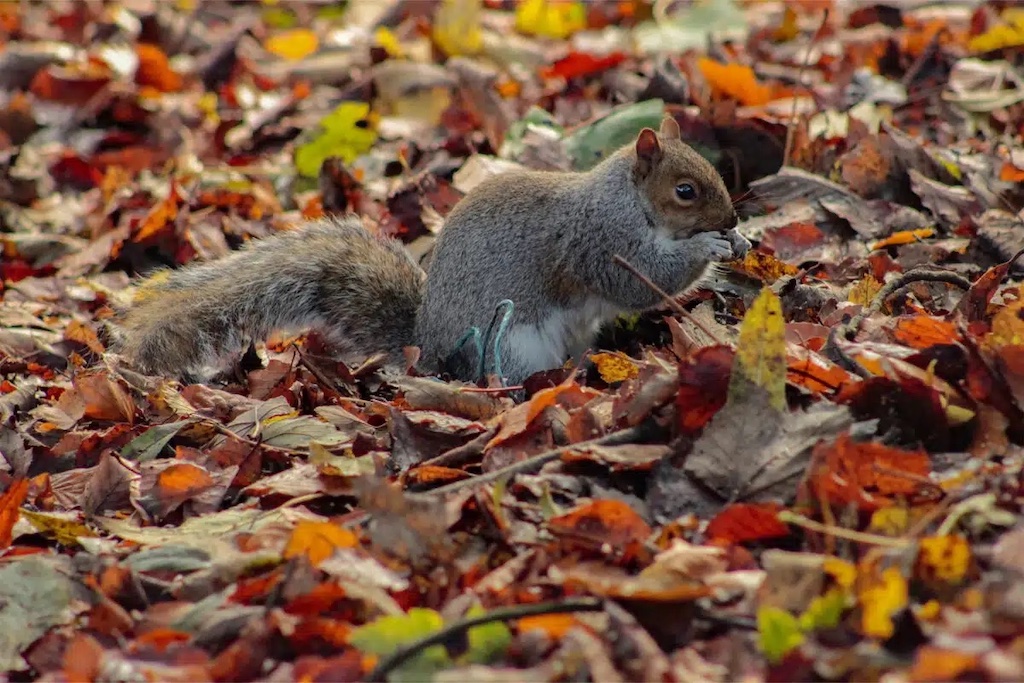
For squirrels: Squirrels do not hibernate but cache food in autumn. Provide nuts such as hazelnuts, walnuts, almonds, and chopped apples, beans, carrots, and spinach.
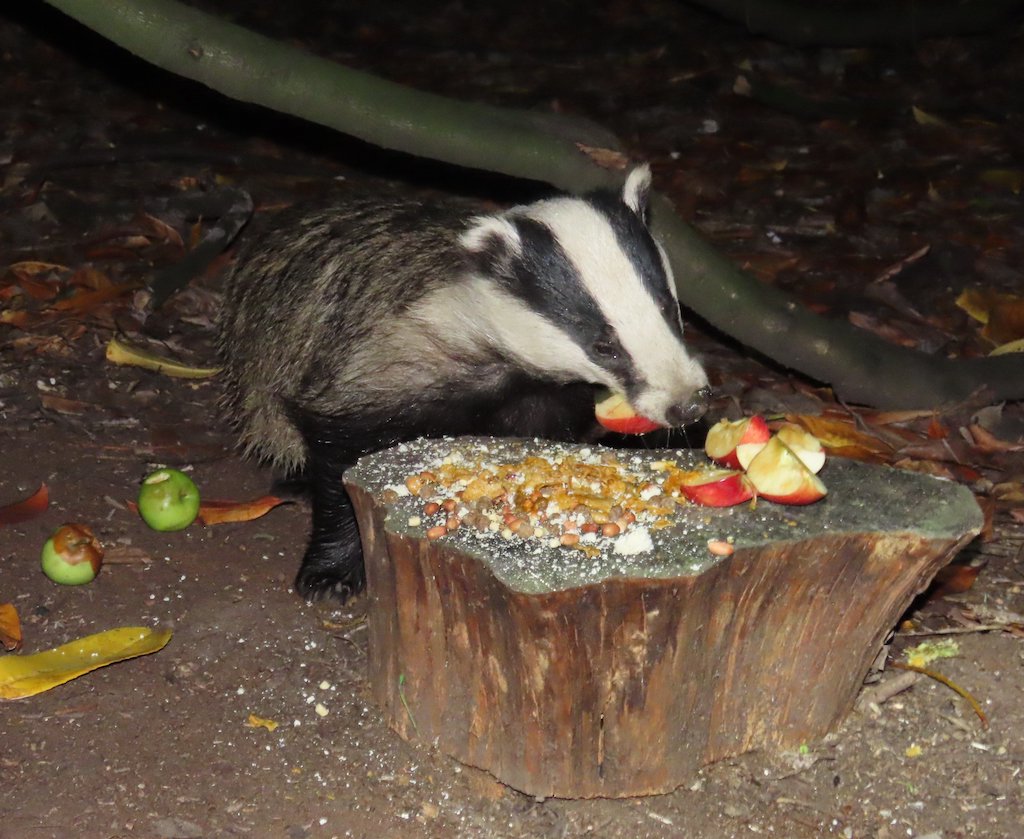
For Badgers: When the ground freezes, badgers struggle to find their favourite food, earthworms. Provide them with sausages, cheese, eggs, boiled potatoes, carrots, and fruits like apples, pears, and plums.
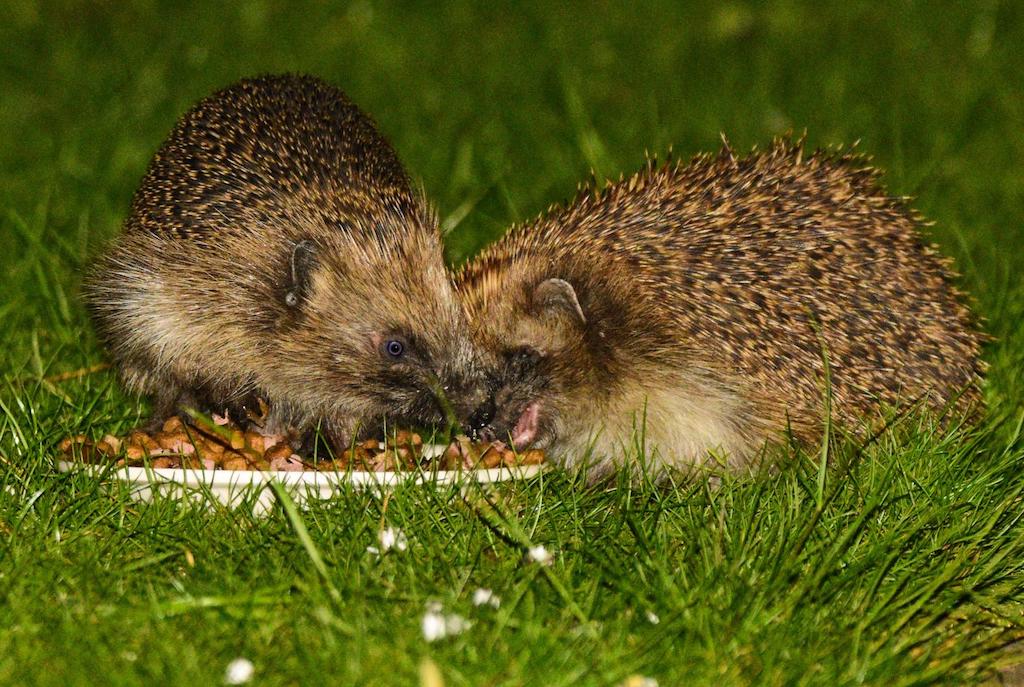
For hedgehogs, Offer dry or wet dog or cat food. Mixing wet sachets, including fish-based variants, will provide a range of nutrients, which is beneficial. Hedgehogs will also enjoy eggs.
Important Note: Do not give milk to wildlife! Most adult mammals are lactose intolerant, and consuming milk can lead to severe diarrhoea and possibly fatal conditions in colder months. Instead, always provide fresh water in a shallow bowl.
Feed wildlife at dusk and follow a regular feeding schedule. To avoid dependency on handouts, leave only enough food for one meal. This means providing a sufficient amount of food that the wildlife can consume in one sitting, ensuring they do not become reliant on human-provided food. Also, avoid placing large quantities out each evening to prevent overfeeding.
We hope the Wildlife Matters guide will inspire you to feed your garden wildlife this winter.