Welcome to Wildlife Matters The Clue is in the Poo – A guide to wildlife poo.
Ecologists can identify animals by their droppings, commonly referred to as scat.
They do this by analysing the characteristics of the scat, such as size, shape, colour, smell, and content. Sometimes they may use DNA analysis from the scat to determine species, individual relationships, population size, and breeding patterns.
And professional Ecologists will also rely on various signs left by animals better to understand their numbers, behaviours, and movements. These field signs include calls, burrows, tracks, leftover meals, territorial markings, fur, and droppings.
So, Animal poo is really very important if you want to know which wild animals are in the area. However, you don’t have to be a professional ecologist to recognise animal poo.
Some signs indicate animal activity in an area can serve as a starting point for discovering a wide range of species, from rare otters to more common rabbits.
So join me for a walk as we discover how to find and identify wild animal droppings in the Wildlife Matters guide. The clue is in the poo.
We hope this will help you identify the poo you have discovered by considering factors such as size, colour, texture, and smell, to determine the species that left them.
So, you’ve found some animal poo—what should you do next?
You might find wild animal droppings in your garden, at a local park, or while exploring the countryside. To help identify the droppings, start by noting the location where you found them, as the habitat can offer clues.
Typical habitats to consider include woodlands, riverbanks, meadows, and heathlands, all habitats that are found throughout most of the UK.
Next, pay attention to the size, shape, and colour of the droppings.
I recommend taking a picture and placing a coin or another familiar object next to them for scale. Additionally, jot down the GPS coordinates or use a three-word location reference to mark the spot.
When examining the droppings, break them apart carefully using a stick or a dedicated spatula. Remember to wear gloves and wash your hands thoroughly after handling any animal droppings.
If you plan to conduct more detailed studies, such as examining the droppings under a microscope, you may want to collect a sample in a Petri dish.
This approach could be especially appealing to aspiring wildlife enthusiasts seeking to follow in Chris Packham’s footsteps, he says, rubbing his hands vigorously on his thighs!
So, if you are ready, let’s head off for our first poo hunt and see what we can find.
Our walk today begins in a meadow habitat, so we have some idea of the wildlife that inhabits meadows.
This is where you will find one of the most common wild animal poo’s which come from the Rabbit.

Rabbits and Brown Hares
Rabbits and Brown hares have a specialised digestive system, known as hindgut fermentation, where bacteria in the caecum, a pouch at the junction of the small and large intestines, break down plant matter and produce caecotrophs.
This process is similar to that of ruminants, such as deer, chewing their cud, but occurs in a different part of the digestive tract.
Caecotrophs are crucial for their health, as they provide vital nutrients, particularly B vitamins and amino acids, which are essential for maintaining overall well-being.
The primary reason for coprophagy is to maximise nutrient absorption from their diet, which is primarily composed of grass and herbaceous plants, high in fibre but often low in protein and vitamins.
Rabbits and Brown hares re-ingest caecotrophs immediately, often in the early morning or late evening, and then digest them a second time.
We must be clear that these soft, mucus-covered droppings are not the hard, dry pellets that you will find. The pellets we will find are those that were produced after reingestion and are a waste product.
Eating caecotrophs is a natural and healthy behaviour for rabbits and Brown Hares as they contain valuable vitamins, minerals, and bacteria that they can’t fully absorb in the first pass through their digestive system.
Rabbit droppings are identifiable as small, round, hard balls, usually yellow-brown or green in colour, and are full of fibrous grass.
They are typically less than 1cm across and can be found in clusters, often near burrow entrances.
Breaking them open reveals primarily plant material.
Brown hare droppings are larger and more flattened than rabbit droppings, typically 1.5-2 cm in diameter.
They are usually greenish-brown and have a sweet scent, reminiscent of mown hay or a digestive biscuit. They are more fibrous and contain larger pieces of plant matter than rabbit droppings.
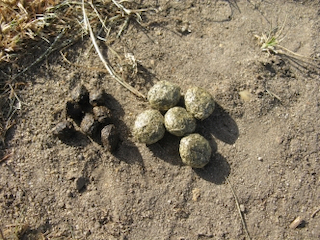
Rabbit Droppings on the left – brown Hare droppings on the left Picture Credit Darren Tansley
At the western end of the meadow is the River. A fast-flowing tributary that eventually leads to the River Arun.
Here it is around 6 metres wide and was straightened by the farmers around a hundred years ago, hence the speed of the flow here. It’s here in the clay banks of the river that we will find the home of our next wild mammal.
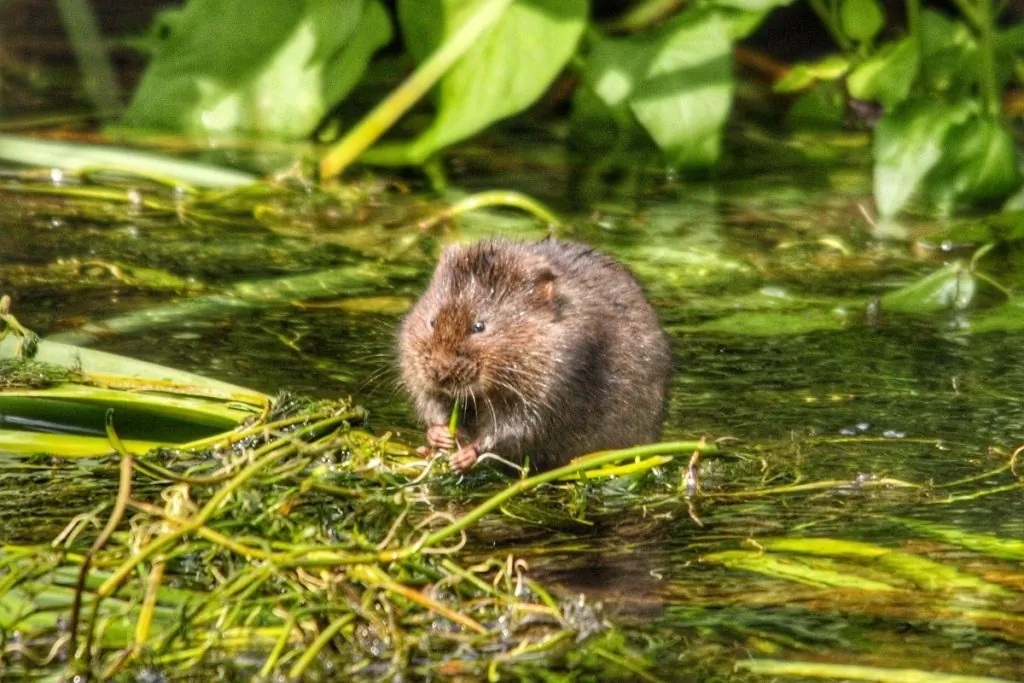
Water Voles
Water vole droppings are cylindrical, measuring around 8-10mm in length, and have blunted ends, often described as having a “tic-tac” shape.
They are green, brown, or sometimes purple and are typically found in latrines, which are piles of droppings used for scent marking.
Water Vole Latrines are often located near the water’s edge or on objects that protrude into the water.
They are a key indicator of water vole activity, especially during the breeding season when females are more likely to mark their territories. Latrines can be found individually or in piles, and the voles often trample them after they have added their scent.
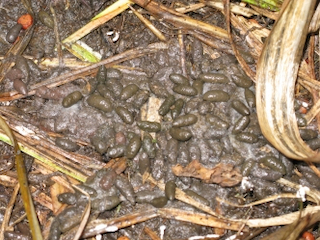
Water Vole Latrine Picture Credit Darren Tansley
Although Rats do live along river banks, their droppings are larger, with pointed ends, and are not “tic-tac” shaped. They also have a very distinct and unpleasant odour.

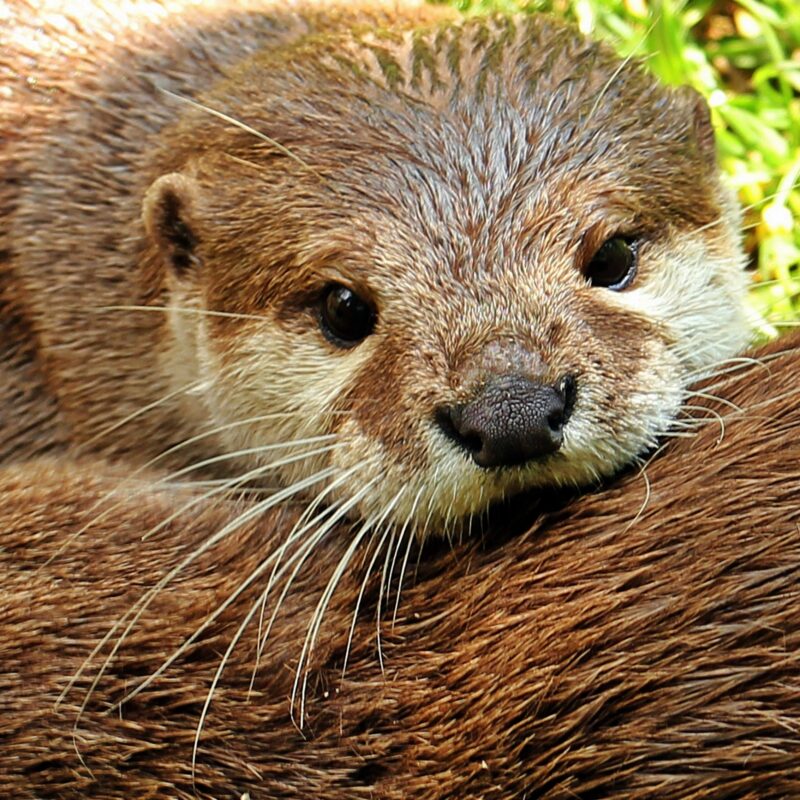
Otters
There is a larger mammal that calls this river home.
Otters are making a comeback in Sussex after experiencing a decline due to pollution.
The first sighting was reported in 2016, accompanied by a photograph. Then in 2018. A member of the public recorded a video of an otter swimming in the river.
Although otters are nocturnal, they are often most active at dawn and dusk. However, to date, I have not seen an otter in this river.
What I have discovered, along with others, are spraints, which are dark greenish and can be slimy, and are often irregular in shape.
Otter spraints are among the sweetest smelling wildlife poo you can find. I know people who enjoy inhaling the slightly fishy-sweet odour.
I will sniff the spraint, but I wouldn’t say I enjoy it. To me, there is a distinct scent reminiscent of sweet jasmine with a herbal tea-like aroma.
Once broken apart, you can see that the spraint contains a high number of fish bones, scales, and parts of crayfish.
These spraints are commonly found in prominent locations, such as riverbanks, rocks, or under bridges, where otters mark their territory.
If you do come across otter spraints, I recommend reporting your find to the Mammal Society or your local Wildlife Trust, which often houses the ecological record centres for your area.

Otter Spaint
We follow the river for another couple of kilometres before we enter the woodland for the first time today.
This area is primarily known as an Ancient woodland site, but has an incredible patchwork of habitats all interconnected with minimal human management, which is just how nature works best.
On the edge of the woodland, I can see an earth bank with coppiced trees running along the top. These would have denoted the end of the woodland and were sometimes used as parish boundaries at that time.
However, today, the multi-stem hazels are on a long cutting rotation and appear knarly and tangled as they intertwine with each other, creating a dense thicket of cover.
At the bottom of these twisted hazel trees are a series of earth holes that have been dug out to create a den. Some are shallow scrapes, while others are deeper.
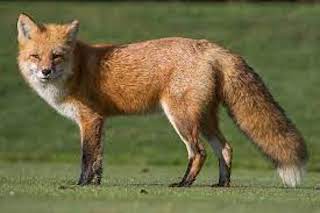
Foxes
As it’s still cub season, I keep a good distance and instead begin to scour the area for the scats I know will be here.
All your senses are utilised when in nature, and my sense of smell leads me to find what I was looking for. Fox Poo!
Fox scat, to use the correct terminology, is similar to dog faeces, but it is pointed at one end. Usually dark in colour, it varies by season and what the fox has found to eat.
In autumn, it will have a distinct purple hue, as the diet is rich in fruit and berries. Now, in early summer, it will include birds, rodents, and sometimes eggs, which are the source of a slightly sulphurous scent from this scat I have found.
It is common to find Fox poo strategically placed as a marker or territory indicator and is a clear sign to other foxes that this area is occupied.

Fox Scat Picture Credit Sue Crookes
Fox scat has a rich and strong ‘musky’ smell that is irresistible to dogs who like to roll in it as it mimics a natural scent which, before domestication, would have been the smell that bonded a wild pack of wolves together.
It is a remnant of their ancestors that lives on even as a domesticated animal.
Badger
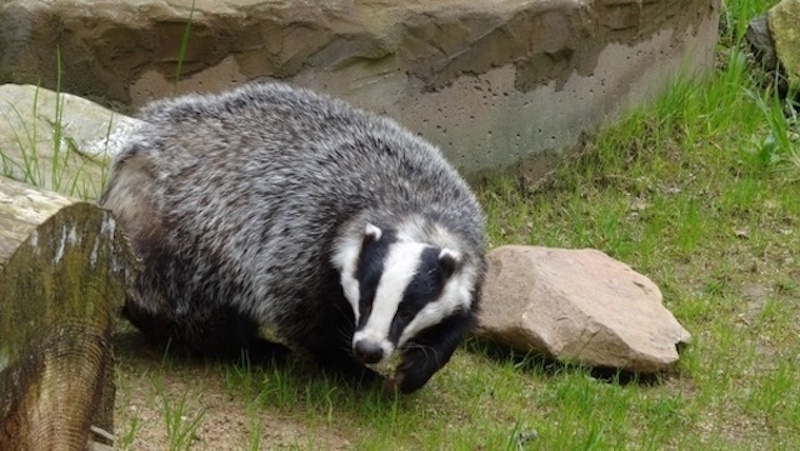
There is another ground-living mammal in these woodlands, and I head towards an area I know where we will find their latrines.
Latrines are shallow earth pits where the animal will poo and then cover in time. There will often be several latrines in an area, as the animal that makes them is a family or clan animal.
I head towards a small thicket of elder, currently in flower, and often an indicator that you are close to a sett entrance. And there in front of me is the distinctive D-shaped entrance to a badger sett.
As this is cub season, I keep a reasonable distance from the sett entrance, which is active as there is bedding, pathways and even some fur caught on the May blossom, or hawthorn bush that is beside one of the main paths from the sett.
The latrines are a short distance away from the sett. Badgers, like us, prefer a toilet and dig a small scrape around 10 to 15cm deep in the ground, which will be used by a number of the animals in the clan.
Badgers have a diverse diet and eat with the seasons, so their faeces will vary depending on what food is available; it will range from dark black to brown to purple in autumn.
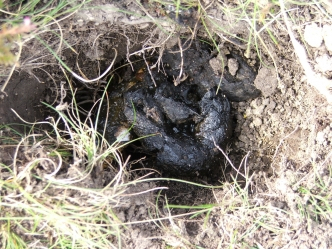
Badger Latrine
The poo is often firm and sausage-shaped, but can become wet and runny depending on what they have eaten and the smell can also differ.
I would describe badger poo as having a sweet, musky scent, but others describe it as having an oily smell.
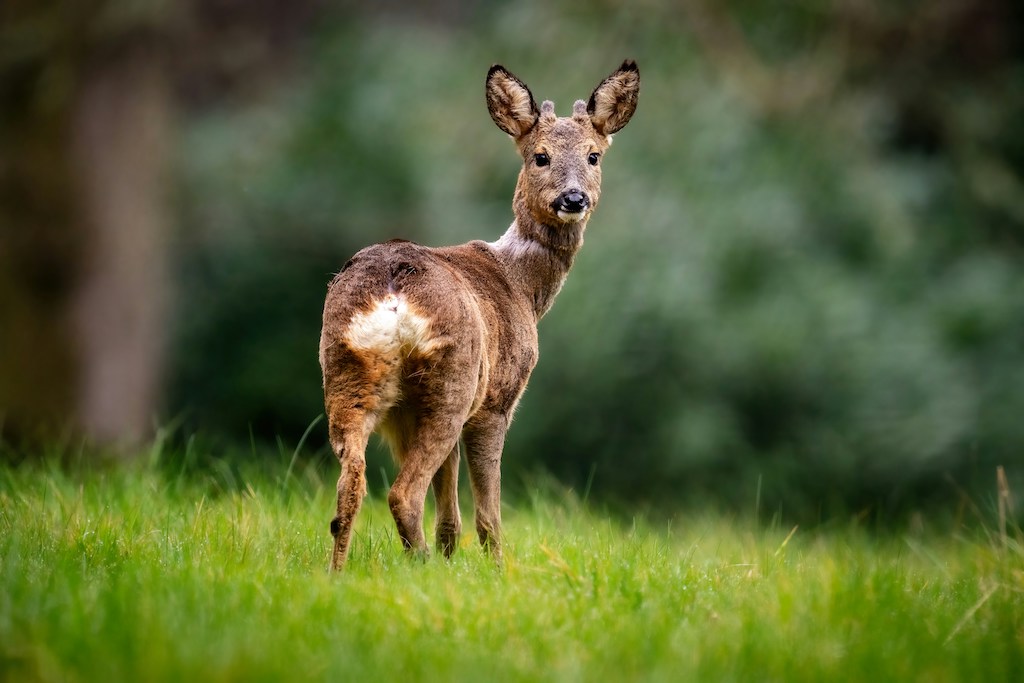
Roe Deer
The next wild animal we are looking for is native, but several species are now resident in the UK, and all their droppings are very similar.
Today, we are specifically looking for Roe deer, but there are also Muntjac deer in this woodland.
Deer are ruminants, which means they regurgitate and chew their food twice before digesting it. This means there is little, if anything, to identify in the droppings to inform what the animal has been eating.
As herbivores, there is also a lack of any distinctive smell from their droppings, meaning you identify them by sight alone.
All deer droppings appear fairly similar, and they are relatively small for a mammal of their size.
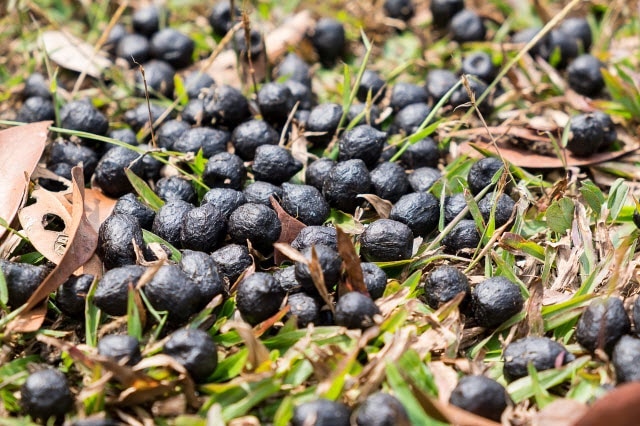
Roe deer droppings are generally smooth and around 2 cm in size, with oval-shaped pellets. They are black and glossy when fresh, turning brown and dry as they get older. The slightly cylindrical pellets are often pointed at one end and round at the other.
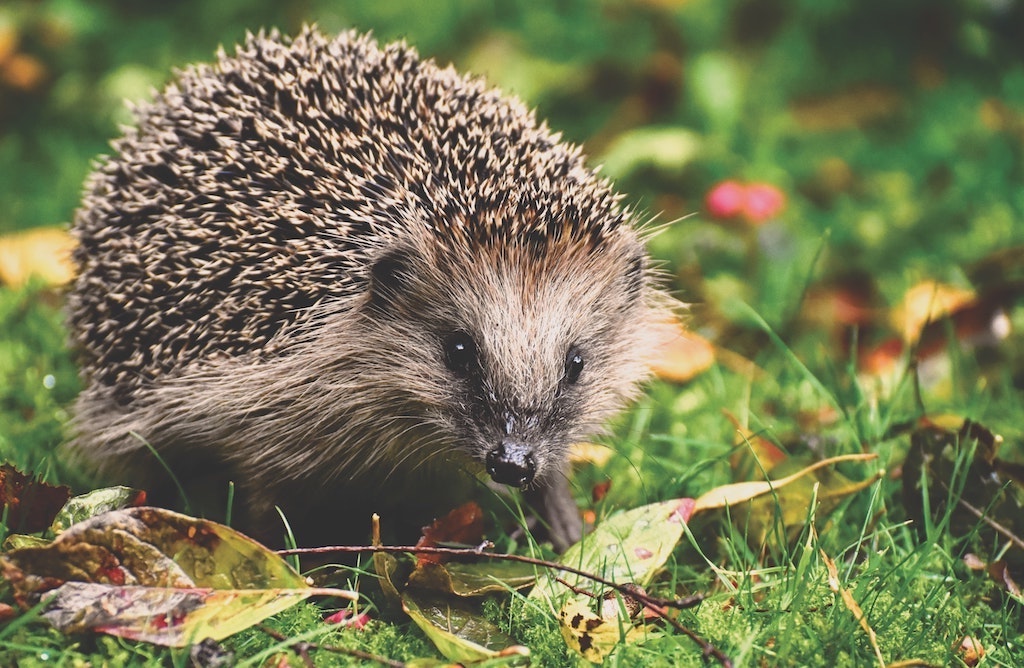
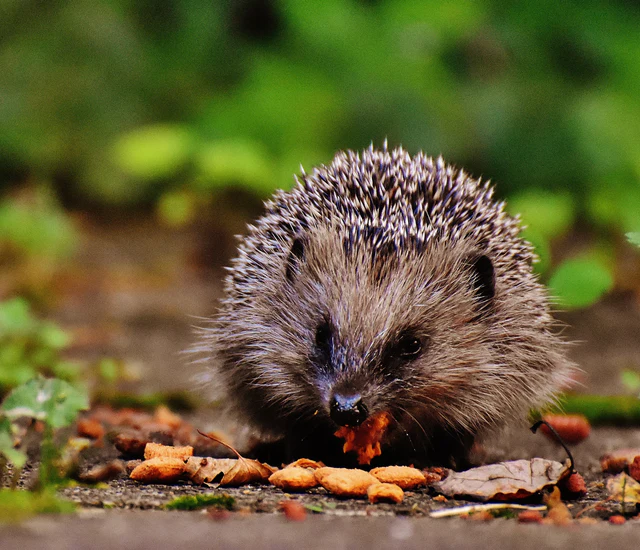
Hedgehog
Another native mammal which calls this woodland home but can also be found in our local parks and gardens.
Here, the wild population has remained steady for many years.
But in many rural areas, their population has declined significantly, with many calling for them to be listed as a red-listed species at risk of extinction.
That said, the urban population has grown significantly in recent years, and this species is now more widely known in our cities, towns, and villages than in the countryside.
There are many reasons for this, but changes in farming and agricultural practices in recent decades, such as the systematic use of pesticides, the removal of hedgerows to allow for growing to the margins, and the use of larger machinery, are all key factors contributing to the decline of rural hedgehogs.
Hedgehog droppings are cylindrical, approximately 5 cm long, and typically dark brown to black. The best way to identify them is to look for shiny bits within the droppings, which are remnants of beetles and other insects that the hedgehogs eat.

Hedgehog Dropping Picture Credit Darren Tansley
In gardens where they are fed, the colour and texture of their faeces can vary. Meanwhile, wet and dry dog and cat food appear to provide the best mix of nutrition for hedgehogs, as they require the crunch they need, similar to what they would eat when consuming beetles, snails, earthworms, and slugs.
Hedgehogs will also take eggs, fruit and nuts.
Always ensure they have access to clean, fresh water and never feed hedgehogs bread or milk, as they, like most wild animals that have weaned, are lactose and gluten intolerant.
Hedgehog poo doesn’t smell great, especially when fed on pet food and has a slight hint of linseed oil.
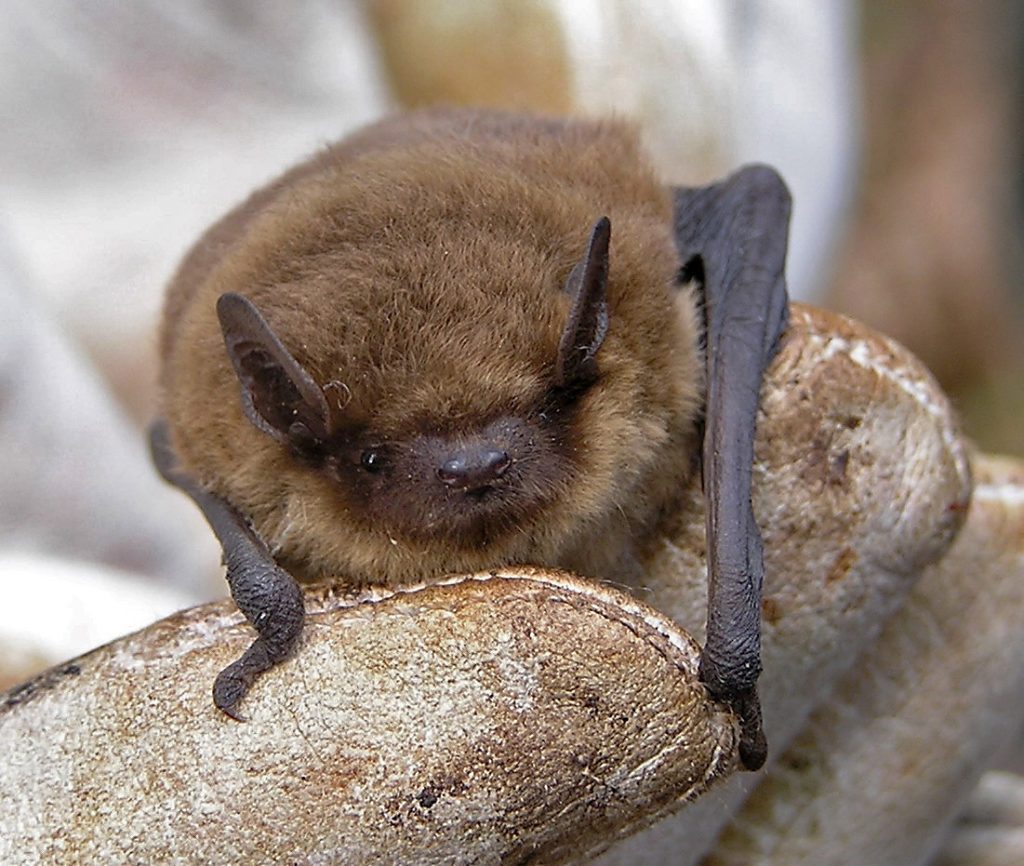
Bats – Common Pipestrelle
Before we leave the ancient woodland, I want to visit some other places to identify the inhabitants by examining their droppings.
This area has roosts for at least three species of bats. Since all British bats are insectivores, their droppings contain only the indigestible parts of their insect prey.
This composition creates a crumbly texture that allows us to differentiate bat droppings from mouse droppings, which may look similar but become very hard when dry.
The shape, size, and texture of the droppings can help us identify the bat species that produced them.
The first roost is for the Common Pipistrelle bat, which is the most common species found in the UK. Common pipistrelle droppings are fine in texture, measuring approximately 1.5-2 mm wide and 7-9 mm in length, and they typically taper at both ends.
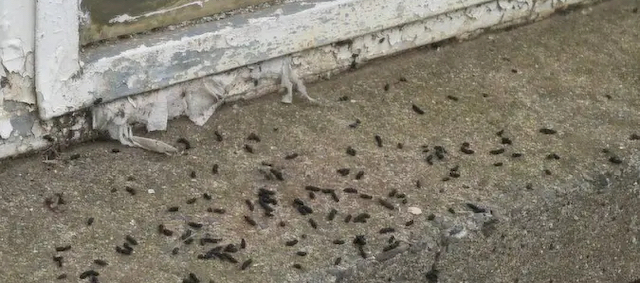
These droppings are thin and smooth, about the size of a grain of rice, and are often found below the entrance of a roost, just as they are here.

Noctule Bat
The second Bat species in this woodland is the Noctule bat. They roost in holes in broad-leaved trees in the ancient woodland.
There are plenty of knarly old trees with a range of nooks and crannies that are ideal habitat for a noctule bat.
From the ground, you are looking for signs of droppings down the tree, and sometimes, like here in an old woodpecker hole, you can see the staining of faeces and urine on the bark of the tree.
At the base of the tree, we find a small pile of droppings that are around 3mm across and 15mm long. These are black, an indication they are fresh, but below them, the older droppings have dried and become brown and crumbly.

Noctule Bat droppings Picture Credit Acer Ecology
Taking the older dry dropping and crumbling it between your thumb and forefinger reveals a distinct smell of ammonia, which is another sign you have found Noctule bats.
Daubenton’s Bat
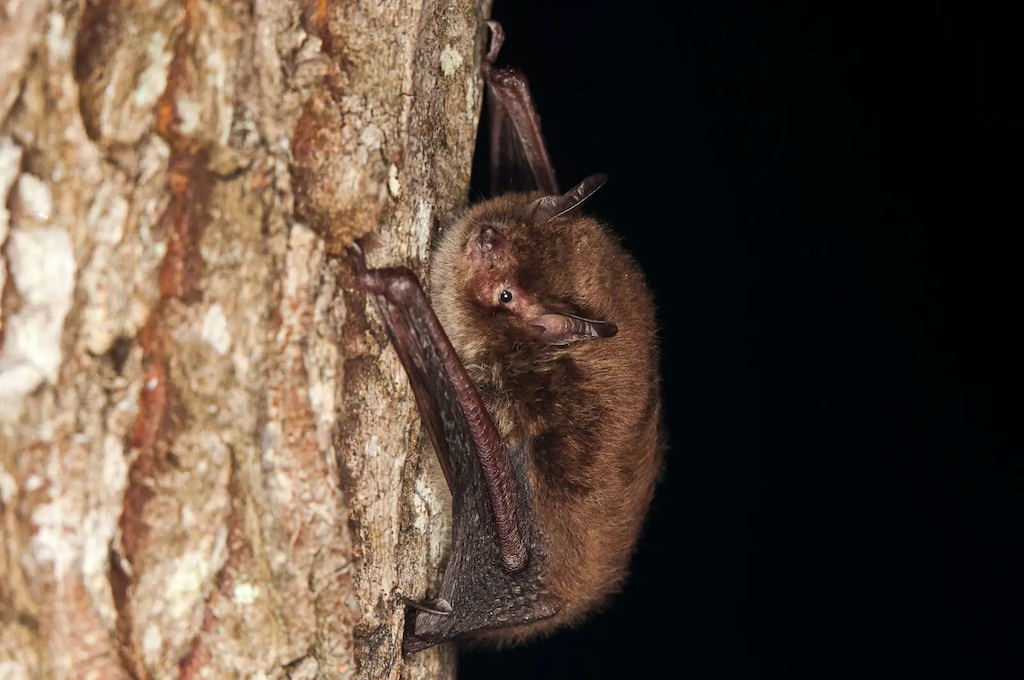
The third Bat species in this woodland lives near the millpond, where they also nest in tree hollows.
One of the best ways to spend a summer evening is to sit quietly by the millpond and watch the Daubenton’s bats, incredibly acrobatic as they skim the water surface to find insects to feed upon.
Daubenton bat poo appears to be mainly found in three segments and is unusual in shape, with an offset 45-degree angle between the segments.
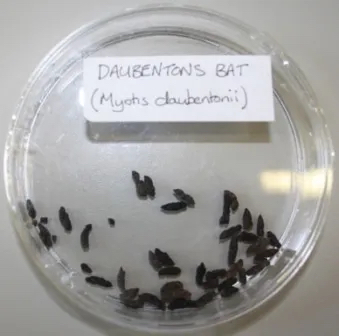
Daunbentons Bat Droppings Picture Credit Acer Ecology
The droppings are typically jet black, long and bulbous and smell of river plants when fresh.
During an evening with a specialist bat ecologist, I was fascinated to discover that if you put Daubenton bat droppings in water, they dissolve and turn the water green!

Tawny Owls
There is one more species that lives in the woodland, where we can find traces that some may think are faeces, but they are not, as they are regurgitated pellets.
Tawny owls live in this woodland and, like many species, they have some favourite places to roost during the day, and these are the best places to find owl pellets.
All owl species regurgitate pellets. This is because they swallow their food whole, as they don’t have teeth to chew it.
The gizzard, is a muscular chamber in the owl’s digestive system, which plays a crucial role in breaking the whole food they have swallowed down and seperateing the bits it can’t digest such as fur and bone within the gizzard where they produce a pellet that will be regugitated by the owl through its beak.
I will never forget finding my first owl pellet many years ago and breaking it apart to discover a dense, fibrous fur packed with several bones.
At that time, I couldn’t identify the bones, and as I am not a specialist, I still struggle to determine what the owl has been eating beyond the skulls.
I gather some pellets that I will leave with the local volunteer, who will analyse them under her microscope and always shares any exciting findings she has made when we see each other.

As the evening sun begins to dip beneath the horizon I walk back through the woodland after another adventure to discover why the clue is the poo!
If you want to support our work
Please click on the Wildlife Matters Patreon Community.
Please click to join the Wildlife Matters Substack Community.
You can donate here.
Further Reading
Poo Dunnit Wildlife Watch for Children