Wildlife Matters celebrates Christmas with some nature-based folklore storytelling. Join us tonight as we share two traditional folk tales with a modern twist.
Tonight, you join us in the south of Wales, where the valleys drop down to the sea in the area of Baglan, for our first story
The Tree with Three Fruits
Once upon a time, in the beautiful hills of Wales, there lived a boy named Baglan.
Baglan cared for an older man whose aching joints ached with every cold, misty morning. No matter how small the task, Baglan was always ready to help, bringing comfort and warmth.
On a frosty morning, the older man asked Baglan to fetch coals to chase the chill from their cottage. Stepping outside, Baglan realised he had forgotten the clay pot. Rather than return empty-handed, he boldly gathered the glowing coals in his wool cloak.
When the older man saw Baglan carrying the hot coals in his cloak, unburned, he realised Baglan was meant for something truly special. “Baglan,” he said, “I have an important task for you. Take my staff. It will lead you to a tree with three different kinds of fruit. That’s where you’ll build something wonderful.”
The man placed a long staff with a brass hook into Baglan’s hands. Although Baglan knew nothing about building, he could not disappoint the older man, so he accepted the task.
As soon as Baglan wrapped his fingers around the staff, it seemed to come alive, gently steering him toward the door.

The older man shuffled after him, pressing a bundle of bread and cheese, spare clothes, and a few useful things into Baglan’s hands and with a heartfelt hug and a wish for good fortune, he sent Baglan off on his journey.
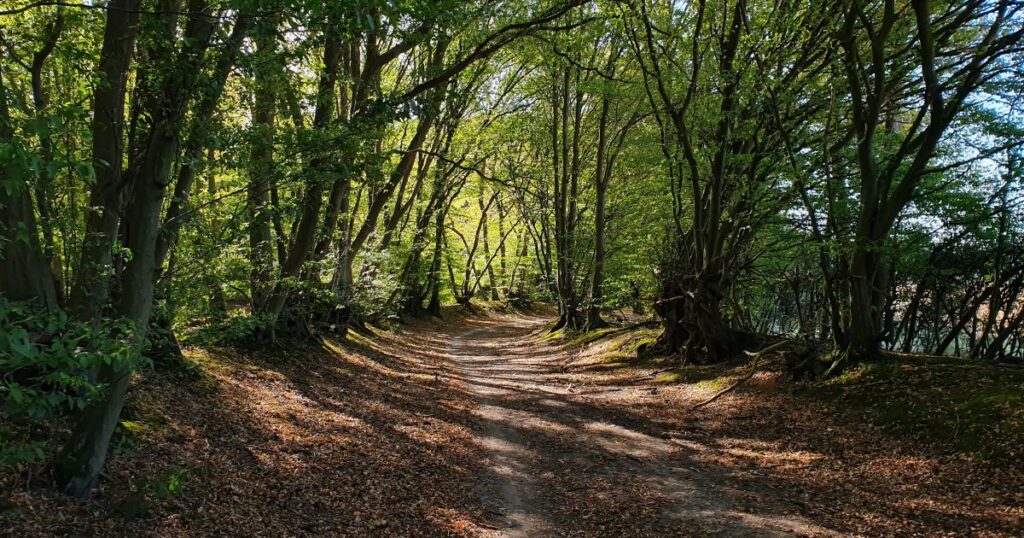
The staff guided Baglan along twisting roads, through emerald fields, over shimmering streams, and into the mysterious depths of the woods. Day and night, it led him onward, allowing little time for rest.
At last, one morning after hours of walking, the staff came to a halt. Baglan stood on a wooded hillside that seemed no different from the many forests he had already crossed.
The trees looked just like all the others, and not a single apple, pear, or cherry could be found among their branches. Maybe the staff had stopped working? Baglan shook it, but nothing happened. He tapped the staff on the ground and waited, but still, nothing stirred.
With a weary sigh, Baglan slumped beneath a tree and unwrapped the last scraps of his food. After so many days on the road, he was exhausted and hungry.
Only a crust of bread and a sliver of cheese remained. As he nibbled his meagre meal, disappointment settled over him, for he feared he had failed his quest.
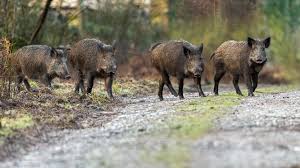
While he finished his meagre meal, Baglan watched a family of wild boar rooting for acorns beneath the trees. A crow cawed above his head, and several youngsters cawed back to her from their perches high in the canopy of the woodland.
A bee buzzed by, heading towards its hive, which was set deep in the trunk of the nearby tree.
Suddenly, Baglan sprang to his feet, crumbs scattering, as he realised the oak tree before him offered acorns, young crows, and honey. This was the magical tree of three fruits that the older man had spoken of.
At the foot of the hill, a flat clearing seemed to call out, promising the perfect spot to begin building the church. Baglan went down the hill to the level land, and that day he gathered tools and began digging a trench for the building’s foundation.
Once the trench was finished, Baglan fashioned a sturdy cart from woodland branches, ready to haul stones for the strong foundation he imagined.
Day after day, Baglan toiled with steady hands, lifting the church walls higher upon the foundation he had built. The work reminded him of helping his father stack stones for fences back home.
Each night, after a long day’s labour, Baglan returned to his favourite oak tree, cooked a humble meal, and curled up to sleep nestled among its roots.
Morning brought a dreadful surprise: the walls had tumbled down, and the foundation was swallowed by water. Baglan realised the flat clearing was not the right place after all.
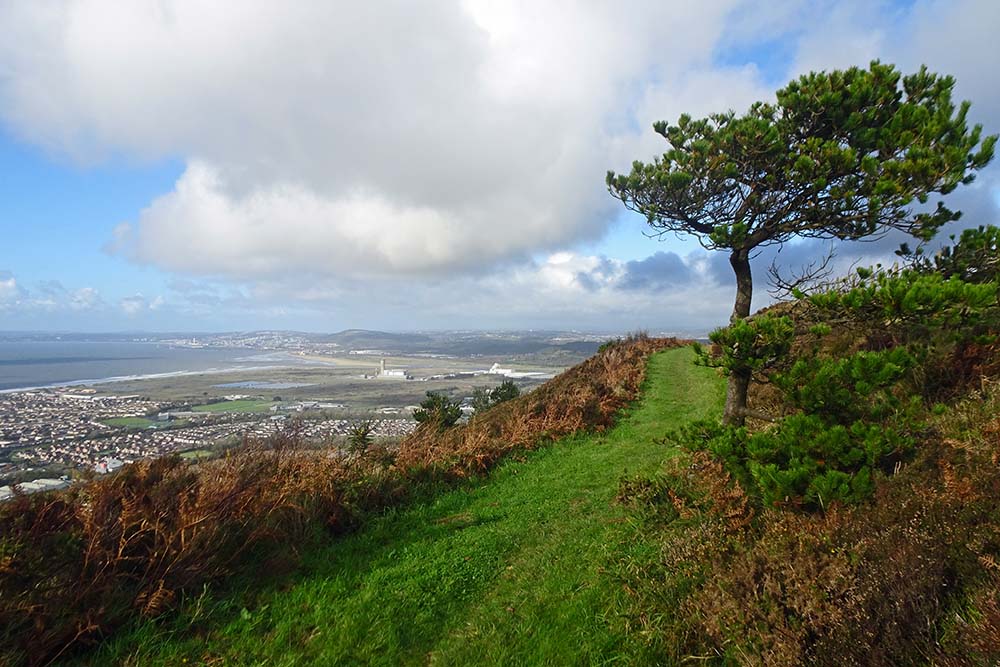
He climbed to the hilltop, where the trees grew sparse, and the world stretched wide in every direction. Maybe, he thought, this was the true place. He hurried down the hill for his tools and began digging a new trench at the summit.
Baglan dug from dawn until dusk, then spent the following day hauling stones up the hill to fill the new trench and lay a fresh foundation.
The next day, he began building the walls, stacking stone upon stone with determined hands. When night fell, Baglan returned to the oak tree and curled up to sleep, his stomach empty.
He woke before sunrise, his stomach aching with hunger, for he had not eaten in days. With nothing left, Baglan skipped breakfast and climbed the hill, his legs weak and his head light from hunger.
At the hilltop, Baglan’s heart sank. The wind had knocked down the walls, and the foundation’s edges had crumbled where the earth had blown away. With a heavy heart, he realised the hilltop was not the right place either. Where could he build now?
Returning to the oak tree, Baglan pondered the older man’s words: he was to find a tree with three fruits and build there. Yet there was no room to build beside the oak, for its neighbours crowded too close for walls to stand. Although uncertain, Baglan resolved to act. He climbed the hill for his tools and began digging a new trench beside the oak tree.
Soon, the wild boar of the woods joined him, using their snouts to help clear the earth. Together, they dug the trench swiftly, and before long, Baglan had gathered stones from the hilltop and begun filling it.
By late afternoon, as Baglan laid the first stones, something surprising struck his head. To his amazement, it was a piece of bread. Looking up, he saw the crow perched above. She cawed, and a cloud of bees swarmed from the tree, drizzling honey onto his bread.
With the pigs rolling rocks down the hill, Baglan focused on building. The crows and bees brought him treats, and each night he slept contentedly beneath the old oak tree.
At dawn, Baglan awoke to find the walls standing firm upon their solid foundation, and joy filled his heart.
In the weeks that followed, Baglan completed the walls, framed the roof, and gathered tiles beneath the protective oak. He left the windows open for the bees and built no doors, allowing the wild boar to wander in and out freely.
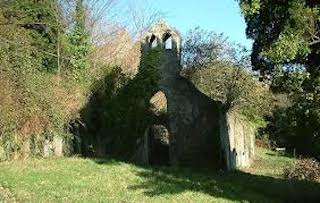
Nearly two centuries have passed, yet Baglan’s building still stands on the wooded hillside of Wales.
It remains a cosy haven for all of nature, open and welcoming to every creature, great or small. And so, our story softly draws to a close.
And that is the perfect place to end our first story
Our second story is another from Celtic folklore. It’s the tale of the local beekeeper who lived in a small cottage on the end of the village and his incredible adventure with a brown hare
So please join us for our main story this Christmas Eve, which is called the
The Beekeeper and the Hare
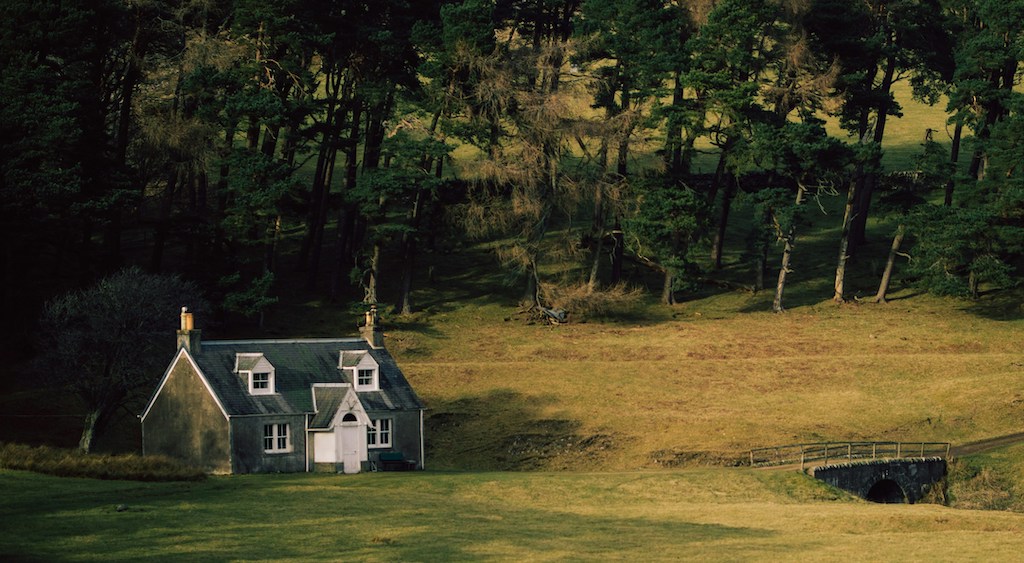
In a quiet village tucked between rolling green hills, a beekeeper made his home in a cottage which was always surrounded by wildflowers. Every spring and summer, the air shimmered with the colours of blooms and the gentle, golden music of bees.
Everyone liked him for he was kind and generous, his kind words brightening every neighbour’s day. Thanks to his bees, the villagers’ apple trees bent low with glossy fruit, berry bushes drooped with sweetness, and gardens overflowed with crisp vegetables all season.
Each morning, the villagers would stir golden honey into their coffee or drizzle it over porridge, savouring its sweetness. On long winter nights, the beekeeper’s beeswax candles cast a soft, comforting glow, banishing the darkness from every home.
Some young women in the village found themselves enchanted by the beekeeper, dreaming of laughter and lazy afternoons in his flower-wrapped cottage. Yet, though he was always gentle and kind, his heart belonged to his bees and the quiet peace of his home on the village’s edge.
He seemed content with his life, so the women let their hopes float away, as softly as petals carried by the breeze.
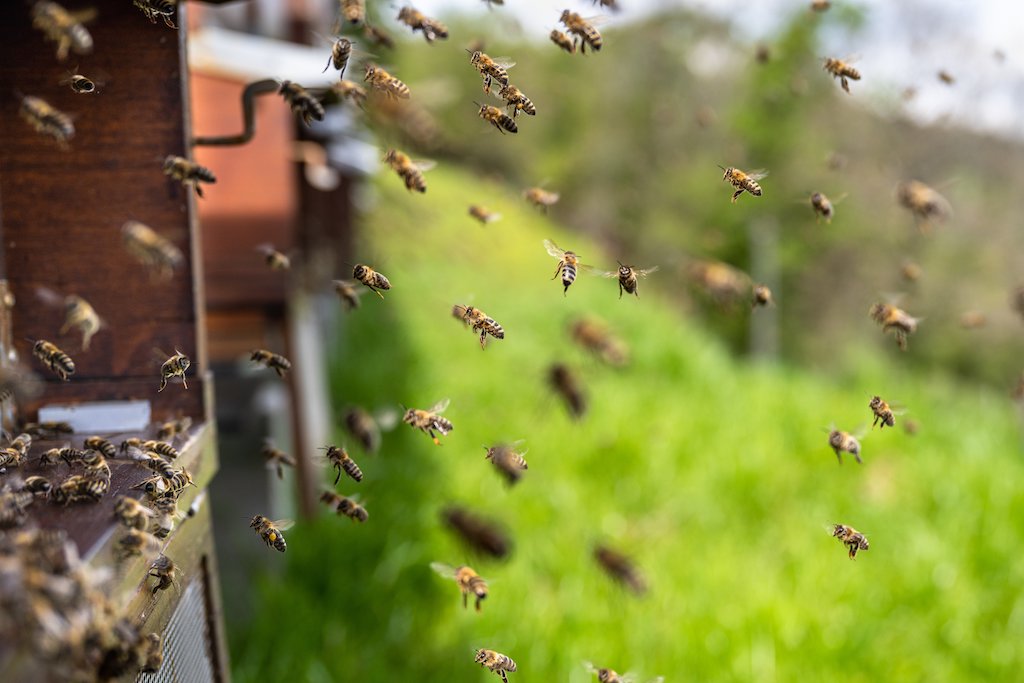
Each morning, the beekeeper talked to his bees about the weather or the latest market gossip. At the same time, the bees buzzed around as if they understood every word. When it was time for the apple trees, the bees would set off for the orchard, weaving among the blossoms until their magic touched every tree. When the beans needed pollinating, he asked, and the bees would drift to the allotment, ensuring every bean flower was visited.
When it came time to clean the hives or gather honey, he moved with slow, gentle care, murmuring to the bees as he lifted each frame. He always left them enough for the cold months, never taking more than he needed. He walked among them bare-handed and bare-faced, for his bees trusted him, and he had never felt their sting.
The beekeeper rose early the next morning to tend his hives. He paused, breathing in the sweet, earthy air, when a sudden commotion in the field across from his cottage caught his ear.
He looked up in surprise, just in time to catch a flash of brown. And a hare was racing across the field, her ears flattened in fear.
Two lean sight hounds thundered after her, eyes fixed, jaws parted, tongues lolling as they closed the gap. The beekeeper bolted to his garden gate and swung it wide open.
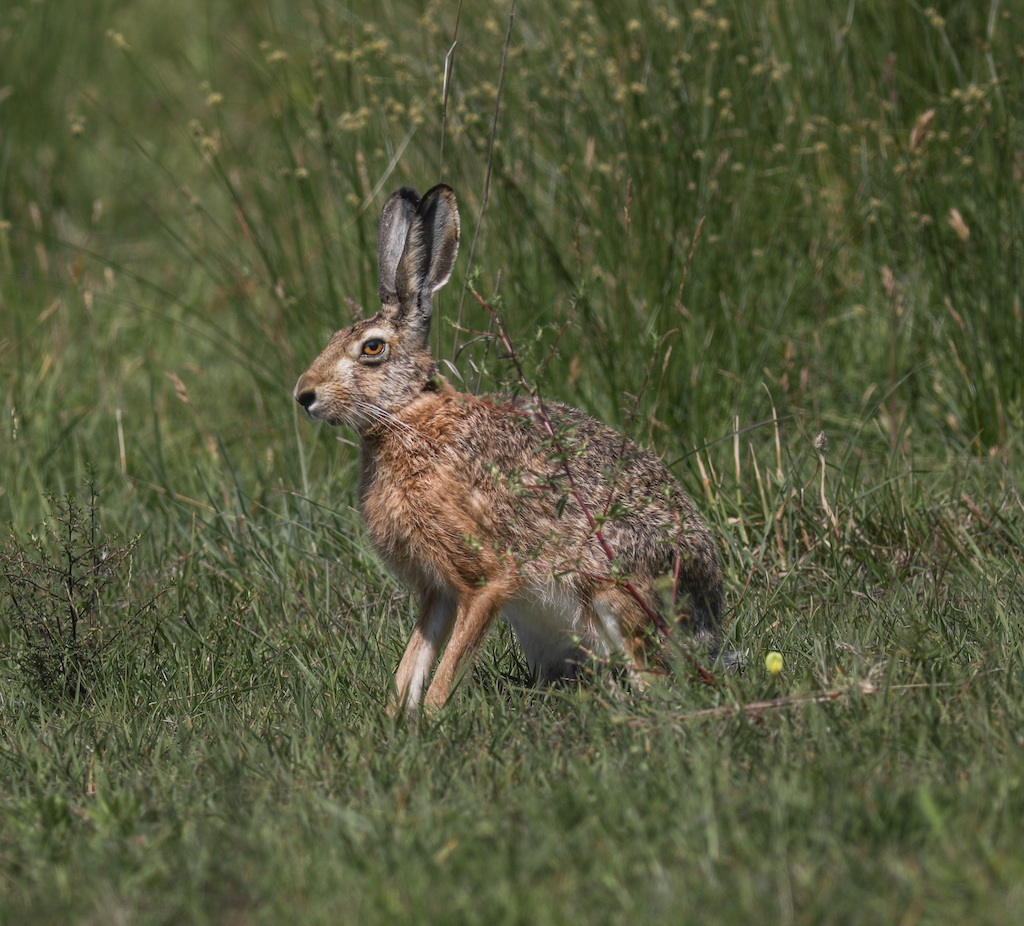
The desperate hare darted through, leaping into his arms, her whole body shaking. The hounds skidded to a halt, teeth bared, circling the beekeeper with hungry eyes. He hugged the trembling hare to his chest, feeling her wild heartbeat thumping in his palm, determined not to.
Thinking quickly, the beekeeper called for help. Instantly, a shimmering cloud of bees poured from the hives, swirling around the hounds in a golden, buzzing storm. The hounds snapped at the air, but the bees drove them back, wings flashing in the morning sun. morning light.
Terrified of the stings, the hounds tucked their tails and fled the garden, racing across the field away from the flower-clad cottage. The beekeeper watched until they vanished into the distance.
The hare trembled so hard she could barely stand. The beekeeper knelt and stroked her soft brown fur until she grew calm. Slowly, she looked up at him, and he caught his breath. Her eyes were blue as a summer sky, wide and shining with gratitude.
Blue eyes? He had never seen a hare with blue eyes before. Still holding her close, he walked to the hives and asked the bees if they had ever seen such a thing.
The hare stayed perfectly still as the bees danced around her. Even the oldest, wisest bees had never seen a blue-eyed hare. The beekeeper realised at once: this was no ordinary animal, but something rare and magical.
The hare began to wriggle in his arms, so he crouched down and gently set her down on the ground.
She bounded to the cottage door and sat, waiting patiently for an invitation. He opened the door, and she slipped inside, settling herself on a chair by the kitchen table.
Knowing she must be hungry, he went to the garden, gathered fresh herbs and grass for her, and made himself a salad of lettuce and tomatoes, sprinkled with the fragrant herbs he had picked for her.
The hare nibbled her meal with delicate bites, finishing long before the beekeeper. She waited quietly, watching him with those remarkable blue eyes until he finished eating. Only then did she hop down and curl up in the cosiest armchair by the window, where the last sunlight turned her coat to many radiant shades of black, brown and white.
That chair was placed just right, facing the crackling fire with a perfect view of the garden and the rolling hills beyond. Most evenings, the beekeeper would sit there and watch the sun dip below the horizon, painting the sky pink and orange.
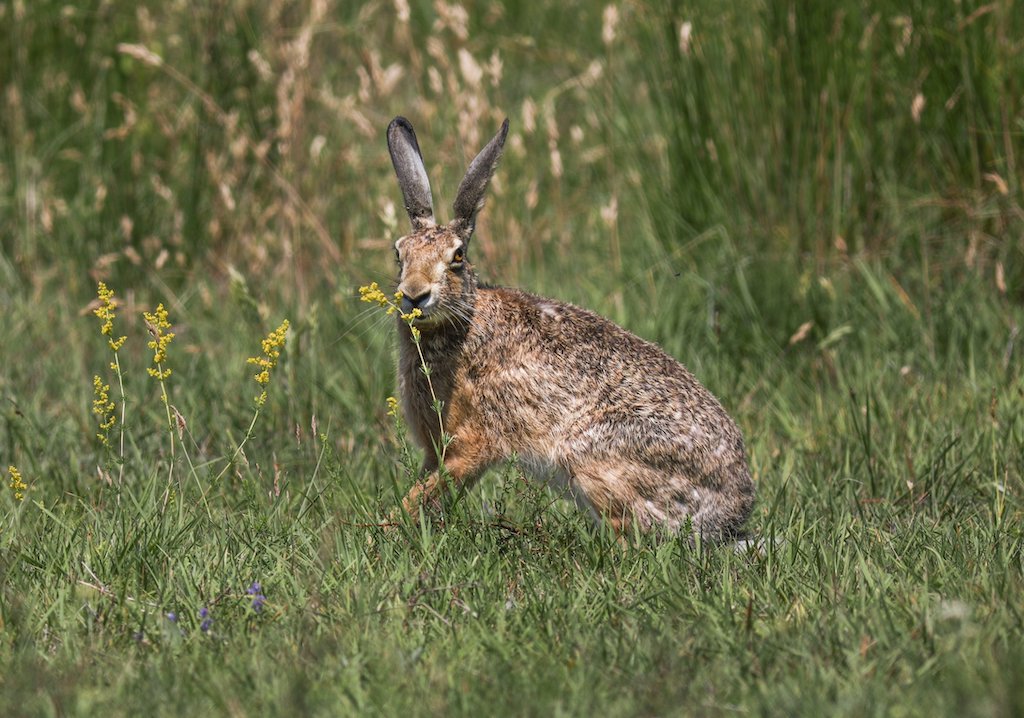
He gently lifted the hare from the chair, sat down, and placed her softly on his lap. She rested her head against his chest, her velvety ears brushing his cheek. He felt utterly at peace as the hare drifted off. When bedtime came, he stood, cradling her carefully. She didn’t stir, so he tucked her onto the warm seat and went to bed himself.
The next morning, the hare followed him through the garden as he did his chores. This became their gentle routine for several days, until one morning, an older woman called over the garden gate.
Hello, what can I do for you said the beekeeper. Thinking she would want some honey
“How much for that hare?” she asked. “Oh, the hare’s not for sale,” he replied with a smile.
“Nonsense,” said the older woman. “Everything has a price.” She pulled out a shiny gold coin.
“This is more money than you’ll see in a year,” she said with a crooked smile. “Just hand me the hare, and the coin is yours.”
I told you, the hare’s not for sale,” he said more firmly.
Sensing his annoyance, the bees swarmed from their hive, buzzing toward the older woman.
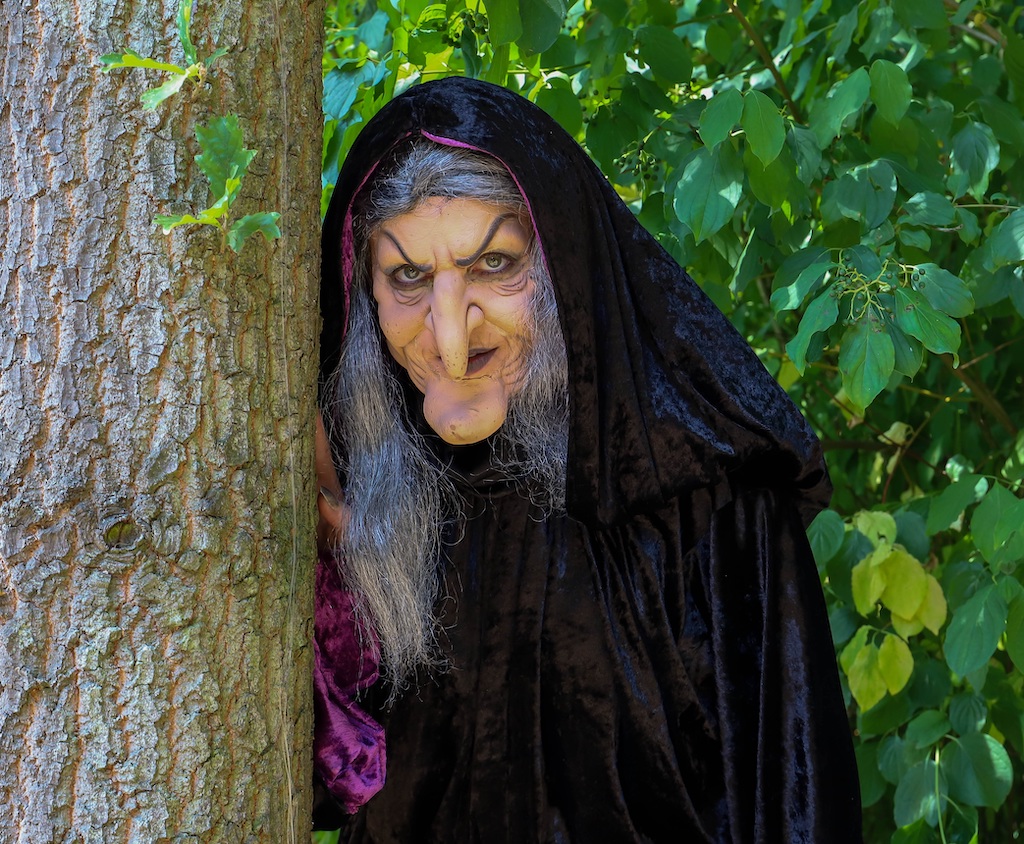
She backed away, shouting as she went. “That hare is mine, it is mine, do you hear me? Next time I come for her, I won’t be so nice. You’ll regret this!” she shouted before storming off with a cloud of angry bees buzzing after her.
At the market later that week, he asked his friends, the apple farmer and the vegetable farmer, if they had seen the angry older woman, but they both said they hadn’t, although they were worried that she may have been a witch from the beekeeper’s description.
So the farmers told their friend to be careful, especially around Halloween, when it was said that the witch’s powers were at their greatest
The beekeeper smiled and thanked his friends. Halloween was a long way off, and he was too busy to be worrying about the older woman and whether she could be a witch.
As summer’s warmth faded with the flowers, the bees retreated to their hives for the long, cold nights. The hare still followed him through the garden and slept in the chair, but his friends’ warning echoed in the beekeeper’s mind, and Halloween crept ever closer.
The next morning, at the market, he asked his farmer friends for advice again. He had grown fond of the hare, and though he knew she didn’t want to return to the older woman, he kept that secret to himself.
They said that if he wanted the hare to stay with him, he had to hold her in his arms and not let go, no matter what happened; if he did, she would be lost forever.
As dusk settled on Halloween, the beekeeper brought the hare inside and closed the front door, locking and bolting it tight.
He lit a beeswax candle and built a small fire to chase away the crisp autumn chill. The scent of woodsmoke and honey drifted through the cottage as he settled into his favourite chair.
The hare curled up on his lap, her breathing slow and steady, while outside the wind rustled the last leaves from the trees. The hare relaxed under his gentle touch and soon drifted into sleep, while he settled in for the evening.
Suddenly, the hare began to tremble in her sleep, her body tense and restless as if caught in a nightmare. The beekeeper wrapped his arms around her, whispering soothing words, but soon her paws twitched and kicked, as if she were fighting to escape an unseen danger. He held her tighter, determined to protect her at any cost.
Darkness pressed in, with no moon and not a sound. Still, the beekeeper sensed something was wrong. He clutched the hare tightly to his chest and refused to let go. A voice echoed through the room: “That hare is mine!”
The doors and windows of the cottage were all locked and bolted, but the beekeeper heard the words as clear as day. “Let her go, or I’ll take you both tonight,” the voice threatened.
The beekeeper stayed calm and held the hare close, not saying a word. The voice echoed again: “The hare is mine, and no one else can have her.”
The hare began to shake and toss her head. He held her close, but she kicked with her strong legs, the blows stinging his chest and stomach.
His arms were bleeding from her paws’ scratching, but he would not let her go. It’s time she returned to her old life.” The hare kicked and scratched, letting out a loud, piercing scream.
Then, as if called by his love and fear, wave after wave of bees poured from the chimney, filling the room with golden, humming life. They circled the beekeeper and the hare, forming a shimmering, buzzing barrier that kept out the darkness and the witch’s power.
The voice was louder this time – you and your bees cannot deter me, the hare is mine – release her.
At that moment, the cottage front door burst open, blown outward from within.
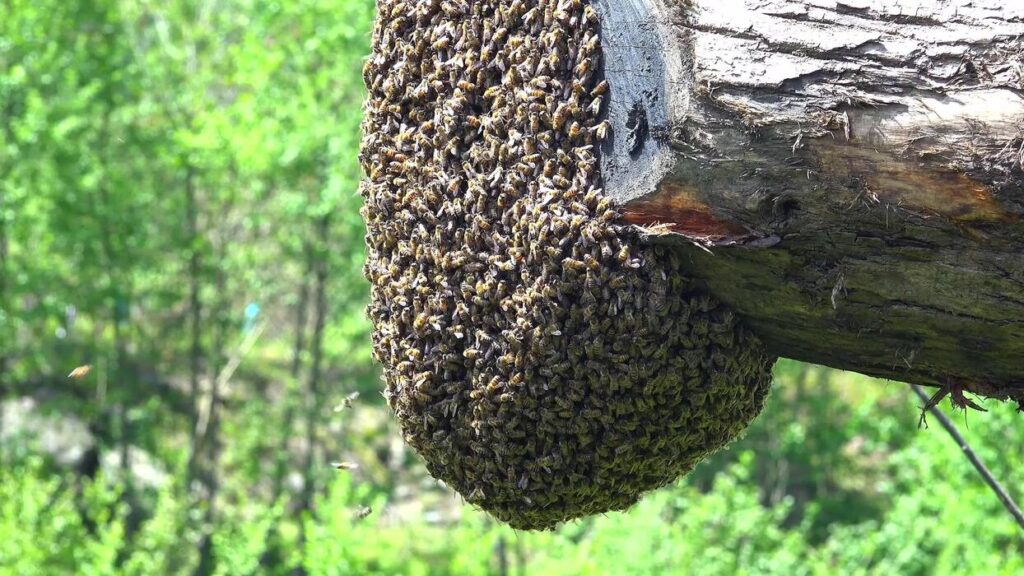
The beekeeper could see nothing, but bees swarmed to the door, following something unseen, their buzzing angry and fierce. The wind from the open door blew out the beekeeper’s candle; the room was pitch-black, and the hare, pressed close to his chest, began to twitch and shift beneath his hands.
He felt her shape changing, growing longer and taller, her soft fur turning to warm skin. Though the room was pitch black, he held on with all his strength, wonder and fear swirling inside him.
Then a gentle voice whispered, “It’s over now,” and kissed him on the cheek. “You can let go of me and relight the candle.”
With trembling hands, the beekeeper struck a match and relit the candle. Its golden light flickered across the room, and there, where the hare had been, stood a young woman. Her hair tumbled down her back like a chestnut waterfall, and her eyes were the same deep, magical blue as the hare’s.

She stepped closer and whispered that she longed to be in his arms again. They embraced, and she told him how the wicked witch had cast a spell, turning her into a hare and forcing her to serve her every day.
One day, she escaped, as the only way to break the spell was if someone loved her enough as a hare to hold and protect her from the wicked witch.
With the spell broken, the beekeeper and the hare-girl, herself once more, built a new life together.
Their cottage brimmed with laughter and the golden hum of bees, and their love became as much a part of the village as wildflowers and honey. Their story lived on in every whispered tale and with every jar of honey passed between friends.
Back to today, and the hare is linked to the moon, a symbol of transformation and gentle mystery. For the beekeeper and the hare girl, their first month together was said to be the sweetest time of their lives, filled with laughter and love.
The Villagers would tell the story for generations, saying the couple were on honeymoon. So the next time you hear the word ‘honeymoon,’ remember it is more than a tradition; it is a story of magical love that began with bees, a beekeeper, a blue-eyed hare, and a cottage overflowing with wildflowers.
We hope you have enjoyed our evening of storytelling, and we look forward to seeing you again in 2026
If you enjoyed this blog, please check out more of our wildlife blogs here, or you may prefer to listen to the Wildlife Matters Podcast here.
If you want to support our work
Please click on the Wildlife Matters Patreon Community.
Please click to join the Wildlife Matters Substack Community.
You can donate here.
Further Reading
Wild Oxfordshire Folklore and Nature Storytelling