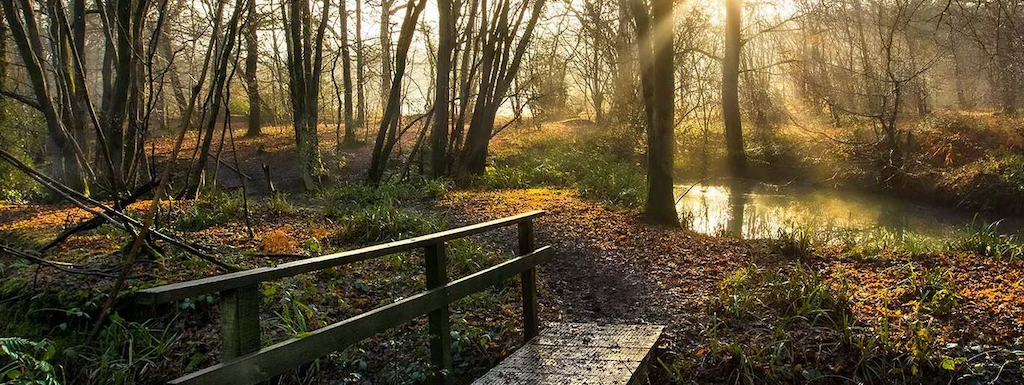
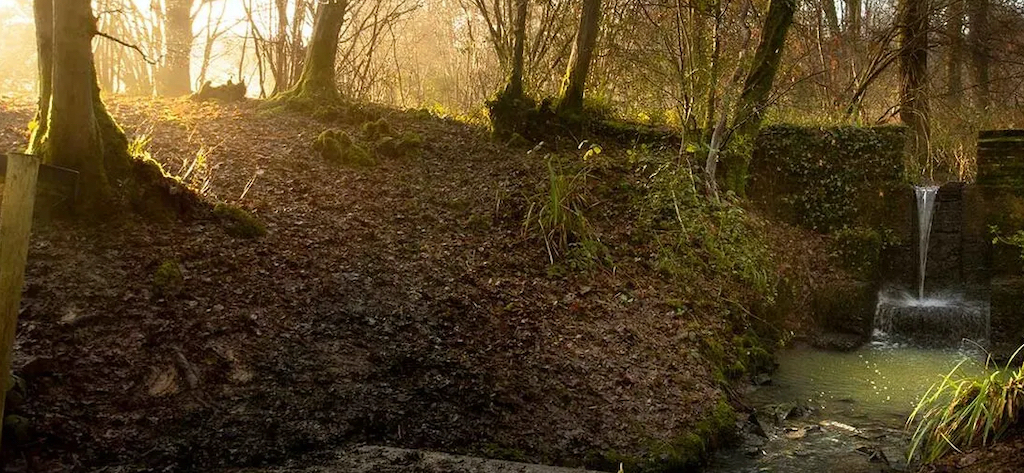
Hello and welcome to a wild winter forage walk at Wallis Wood with Wildlife Matters. As daylight fades, the Weald Clay paths become slippery, and the air fills with wet, restless winds. In winter, even a simple walk feels like an adventure shaped by the elements.
But this is also when the land shows its secrets: the bare bones of geology, clusters of mosses, lichens, and fungi, and birds that seem to glow against the pale branches. Flocks of fieldfares, redwings, and elusive waxwings weave through the hedgerows, searching for the last berries of winter.
Welcome to Wallis Wood, a hidden gem near the village of Ockley in East Surrey. Here, the spirit of the wild lingers beneath every twisting branch.
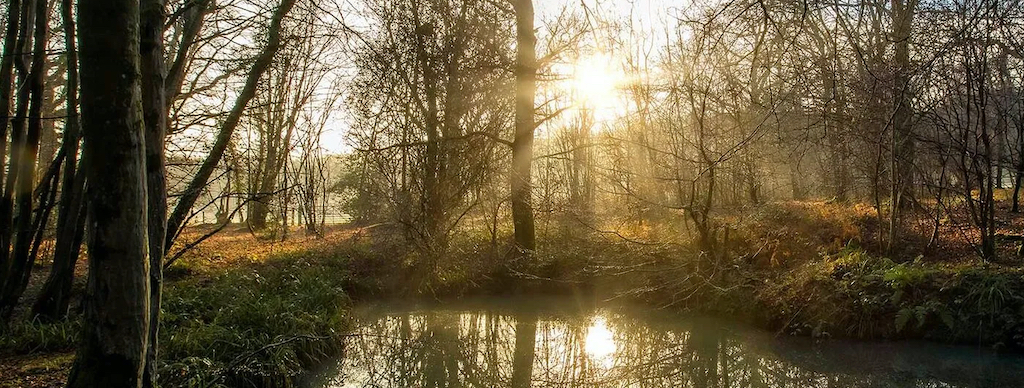
Wallis Wood is tucked away in the heart of the Surrey Hills Area of Outstanding Natural Beauty. The landscape is a mix of Weald Clay, tangled hazel coppices, and tall oaks. A gentle stream runs through, with one bank bordered by lush meadow pasture.
This quiet spot is a sanctuary for both wildlife and wanderers alike.
As the seasons change, Wallis Wood reveals many woodland wonders: carpets of bluebells, rare wild daffodils, elegant helleborine orchids, primroses, and wood anemones. Each flower adds its own touch to the beauty of the woods.
Here, British oaks anchor the woodland, growing alongside ash, hornbeam, Midlands hawthorn, wild apple, wild cherry, and the well-known wild service. Butterflies such as purple emperors, hairstreaks, silver-washed fritillaries, white admirals, and speckled woods drift through the sunlit glades.
Among these wonders is a rare resident: Hyptiotes paradoxus, a spider that spins its unusual webs in yew trees and is found at only one other site in Surrey.
Even sleepy dormice have found hidden shelters in the thick undergrowth, curled up in leafy nests while the rest of the woodland sleeps around them.
But today, January brings a deep cold that cuts through every layer, and the wind moves restlessly through the trees. Nature is at her toughest, testing anyone who goes outside, but she often gives the best sights to those willing to explore in winter.
Last night, the sky was clear and cold, making it possible to see stars and planets that are rarely visible these days.
I spent the evening on the North Downs, a great spot for stargazing, though it has its oddities. Between Heathrow and Gatwick airports, planes circle quietly above the hills as they wait to land.
I am not an expert on stars or planets, but I have become fascinated by clouds. They change all the time and give hints about the weather. The sky always offers clues for anyone who looks up and pays attention.
First, when there are many types of clouds in the sky, the weather is more likely to change. Tall, thick clouds are a clear sign that stormy weather is coming.
Yet rain from those same sky-high giants, but rain from these tall clouds usually does not last long. Hailstones, for example, are short but intense, striking the ground hard and often accompanied by strong winds that shake the branches.
A heavy grey blanket hangs low in the sky, hinting at hours of rain. If the cloud base droops in jagged, blurred tatters, get ready for a soaking. But if the underside is smooth and flat, you’ll probably stay dry under its steady cover.
If a sudden, sharp shower surprises you, take cover under a conifer tree, which acts as the forest’s natural umbrella.
From what I’ve seen, spruces make the best natural umbrellas. If you step under their green branches after it rains, you’ll often find the ground is still dry. It feels like a hidden shelter right in the middle of the storm.
Even during the coldest months, sunlight shining through spruce needles can warm up a hidden corner of the woods. It can feel surprisingly cosy, even when winter is all around you.
A walk in the winter woods lets you see how nature works behind the scenes. Without the leaves, you can notice many small and interesting details.
When the leaves have fallen and frost has thinned the undergrowth, the woods reveal many hidden details. These quiet wonders are easy to miss during the busy summer months.
Here in Wallis Wood, winter’s bare branches make birds easy to spot as they dart and dance between twigs, searching for morsels among the stark silhouettes.
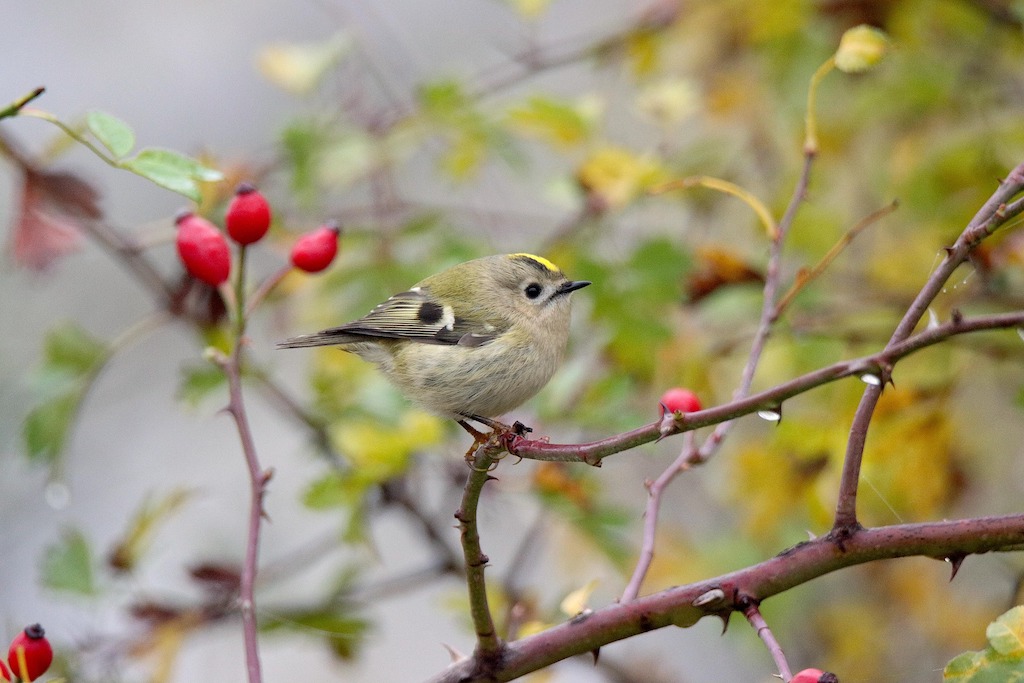
This winter, I’ve spotted bullfinches and goldcrests. It’s a rare sight because in summer they hide in the thick leaves, and you usually only hear their songs.
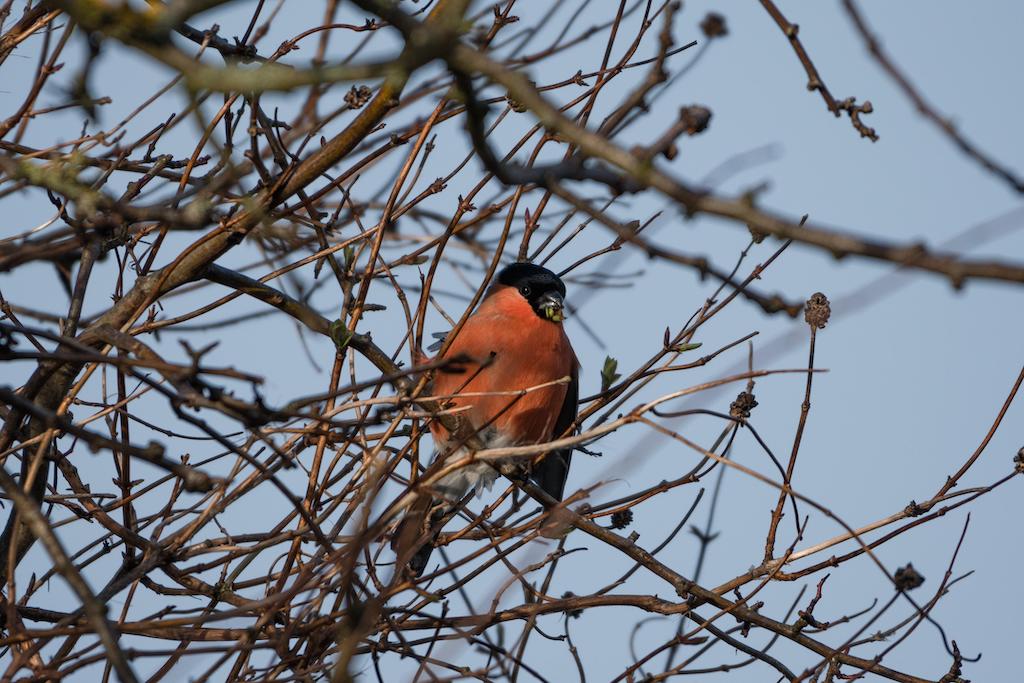
Bullfinches are shy birds that stay in their breeding areas all winter, even when it gets cold. When food is hard to find, they eat from ash, birch, and hawthorn trees. Their bright feathers stand out against the grey winter landscape.
Bullfinches like to stay hidden in thick hedges, but you can hear their soft, piping call. If you look closely, you might catch a quick glimpse of their white rump and black tail as they fly out from cover.
Goldcrests are the smallest birds in the UK, weighing only six grams. They work hard to survive the winter, expending a lot of energy to stay warm at night.
When the cold is at its worst, many goldcrests can’t survive. To make it through winter, these tiny birds leave their usual spots and search tangled bushes and hedgerows for food.
They often join flocks of tits, checking every twig and crevice for hidden spiders and insects. Their food search never seems to end.
Once you know how they survive in winter, finding these tiny birds is a real treat, even on the quietest, greyest days when the woods feel silent and empty.
But today, we’re looking down at the woodland floor, searching for the winter fungi that have made this place well-known to foragers and nature lovers.
The woodland floor, tree trunks, and bare branches turn into a display of nature’s hidden treasures. These eye-catching finds reward anyone who knows where to look.
A splash of winter colour
Although we don’t usually think of winter as a time for growth, one group does well in the cold and damp: fungi.
Unlike flowering plants, fungi don’t mind the lack of sunlight. Cold-loving species quietly grow and spread throughout the winter.
While most plants rest during winter, fungi keep working. They break down and recycle material, and with bright lichens, add colour to the otherwise dull forest floor.
Today’s first find was a classic winter mushroom. A fallen oak branch, softened by years on the ground, was covered with a bright group of vivid orange caps glowing on their velvet stems.
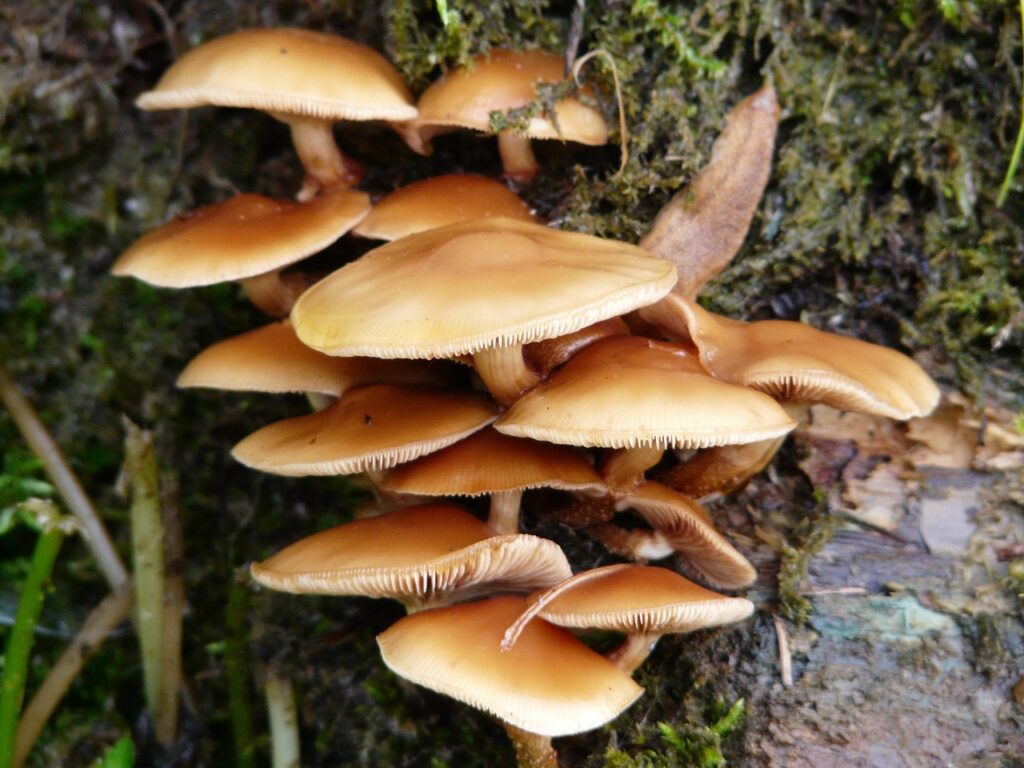
Velvet shank grows well on dead or dying hardwoods, especially oak, but it also thrives on elm or beech. Its orange caps cluster on golden, velvety stems that turn chestnut as winter goes on.
Velvet shank survives the frost, enduring cold nights and then thawing out to quietly keep growing.
During the middle of winter, when mycologists walk through the woods with empty baskets, velvet shank can bring excitement back to their search.
Velvet shank appears between November and March, standing out with its golden colour when most other mushrooms are gone.
Its unusual toughness could make it well known in the woods, even if its flavour is not as delicate as that of autumn mushrooms.
Still, velvet shank compares well to other mushrooms and is just as enjoyable as the season’s best varieties.
I don’t like to rank wild mushrooms. How can you compare the fragrant taste of an August chanterelle to the comforting flavour of a January velvet shank? It’s as hard as choosing between elderflower champagne and sloe gin.
Each mushroom has a unique flavour that matches its season and deserves to be enjoyed for what it is.
Of course, everyone has their own preferences. Velvet shank has a slippery but firm texture and a sweet, mealy flavour.
It tastes dry, a little powdery and grainy, with a soft, crumbly feel. It is not crisp or juicy, but more like gently chewing flour or starch, subtle, comforting, and clearly a winter mushroom.
Yet there’s magic. Still, a pot of velvet shank cooked slowly with herbs, spices, and plenty of winter vegetables makes a rich and comforting evening meal.
In mushroom foraging, autumn’s abundance can feel dizzying.
But in the hushed winter forest, velvet shank stands out, making it an inviting quarry for beginners and seasoned seekers alike.
There’s one golden rule every forager should remember: never eat anything unless you are completely sure what it is.
Winter brings fewer mushrooms than autumn, but some of the so-called “Little Brown Jobs” still hide under the leaves. These tricky lookalikes can sometimes be poisonous.
One of the most dangerous is the funeral bell. It is usually found in autumn, but in mild years it can linger into winter and appear alongside velvet shank as late as November.
If you see a ring on the stem or the spore print is not white, it’s not a velvet shank. It’s safest to leave it alone.
Don’t let this put you off. Velvet shanks are tasty, colourful mushrooms that are worth learning to identify and enjoy in winter.
Velvet shanks are saprophytes, which means they help break down dead and decaying material. Still, I often see them on trees that are not fully dead, as if they were gentle thieves.
They often grow in thick, overlapping clusters on elm, oak, ash, and willow. Their orange caps stand out against the mossy greens and deep browns, adding a splash of colour to the quiet winter woods.
After it rains, these mushrooms often have a slimy layer on top. Don’t worry, it comes off easily and reveals the good mushroom underneath.
The key to identifying them is their ringless, velvety stem. This feature is where their name comes from.
Their tough, curved stems hold pale yellow gills that point straight down. This helps each spore have the best chance of growing somewhere new.
It starts pale but soon matures to deep brown/black and develops a sumptuous velvet coat.
If you want one last bit of reassurance, cut through the stem. Inside the dark outer layer, you’ll see a pale core, nature’s own stamp of authenticity.
You might have eaten velvet shank without knowing it. The Japanese enoki mushroom, grown for its delicate flavour and thin stems, is its genetic twin. When grown on logs or sawdust in the dark, enoki mushrooms develop straight, tender stems and a pale colour. They look very different from their wild, golden relatives.
Another winter mushroom that stands out is the jelly ear fungus. It gets its name from its strange, almost eerie, resemblance to a human ear.
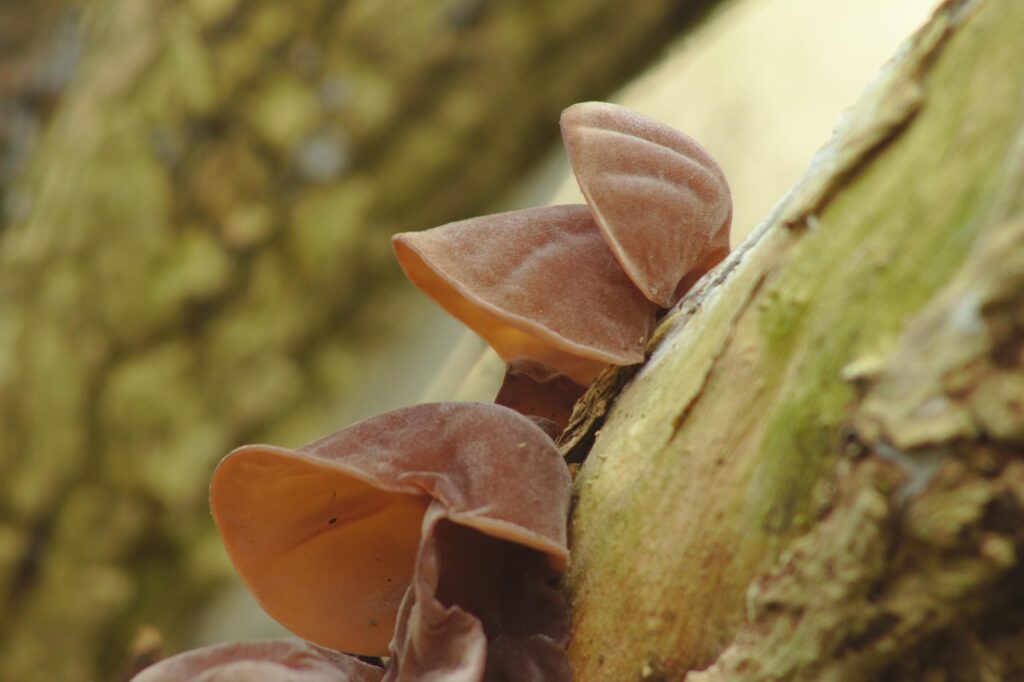
This rubbery mushroom usually grows on elder trees, but sometimes you’ll find it on ash or beech, clinging to the bark in groups.
Jelly ear prefers damp, shady spots and often grows in clusters that stand out against bare winter branches. After rain, they swell and shine like woodland jewels.
In the wild, jelly ear shrinks into hard, dark nubs during dry weather and is almost invisible against the bark. After rain, it plumps up again.
You can pick it when it’s dry and rehydrate it at home, watching it come back to life as if by magic. Try rehydrating jelly ear in creative liquids; it’s half the fun. Soak the dried fungi in miso stock for a burst of umami that transforms every bite.
For a unique dessert, soak the mushrooms in elderflower liqueur or sloe gin, let them dry a bit, then cover them in chocolate for a foraged version.
These ideas aren’t my own. They’re tasty tips I’ve learned from other foragers and from foraging books, shared from one woodland wanderer to another.
Another winter marvel is the scarlet elfcup. Its bright red cups are scattered like rubies across the damp woodland floor, especially where moss-covered branches rest in quiet decay.
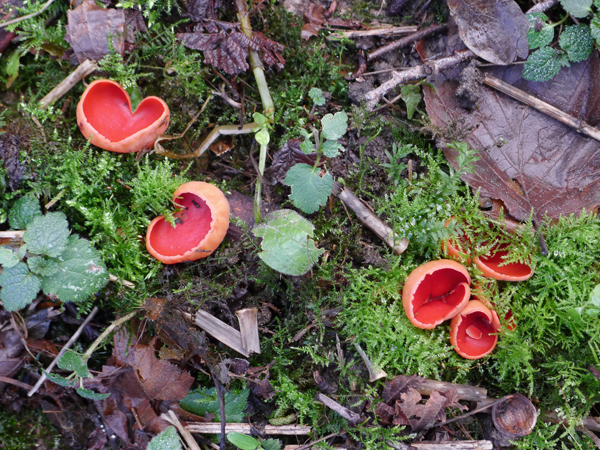
You’ll find them in late winter and early spring, nestled on fallen twigs and branches from sycamore, hazel, or willow trees, often half-buried beneath a soft layer of moss.
Scarlet elfcups are found in many places but are rarely abundant.
They are a secret delight for foragers rather than a woodland spectacle.
Foraging is full of unexpected treasures, and elf cups are among the most enchanting finds.
If you see a patch of snowdrops, you’re probably in elf cup territory. Early shoots of wild garlic, also called ransoms, can also mean scarlet elfcups are hiding nearby.
For years, I admired scarlet elfcups from a distance and was never tempted to taste their delicate red flesh.
Perhaps it was their wafer-thin, warning-red flesh, or their peculiar jelly-like texture that deterred me. Most fungi guides either dismissed them as tasteless and indigestible or ignored them altogether.
But when a wild food chef I admired started praising them, my curiosity took over. I did some research and finally decided to try them.
Since then, scarlet elfcups have shot from obscurity to stardom, becoming winter’s social media darlings among foragers and wild food enthusiasts.
Their flavour is subtle and clearly earthy, with a hint of beetroot that stays on the tongue.
Their texture is unusual for a mushroom, but they are delicious when cooked in a pan or simmered in a hearty stew.
Let go of your usual ideas about mushrooms and enjoy the scarlet elfcup for what it is.
Most people who try them find them surprisingly tasty.
In the right spots, elf cups can appear in impressive numbers when the conditions are perfect. Still, I encourage foragers to pick these bright red mushrooms carefully and leave plenty behind so they can keep doing their important job of turning fallen wood into new life.
While showy mushrooms often get the most attention, winter brings a variety of bracket and crust fungi. These subtle types quietly decorate the cold woodlands.
Take turkey tail, for example. This tough little bracket fungus spreads in neat, layered rows across dead wood, especially on beech or oak. Its striped, leathery shelves cover rotting stumps and branches all over the UK, bringing some colour to the winter gloom.
Fungi don’t just live in woodlands. They can appear anywhere trees grow or dead wood is left behind. Winter fungi show us why it’s a good idea to leave some logs and leaf litter alone. This gives nature’s recyclers a chance to do their work.
They also bring sudden bursts of colour and a bit of wonder to brighten even the darkest winter days.
When frost sets in and cold winds sweep through the woods, most fungi disappear, leaving foragers with less to collect. But a few tough species survive the cold and reveal their secrets to anyone who looks for them.
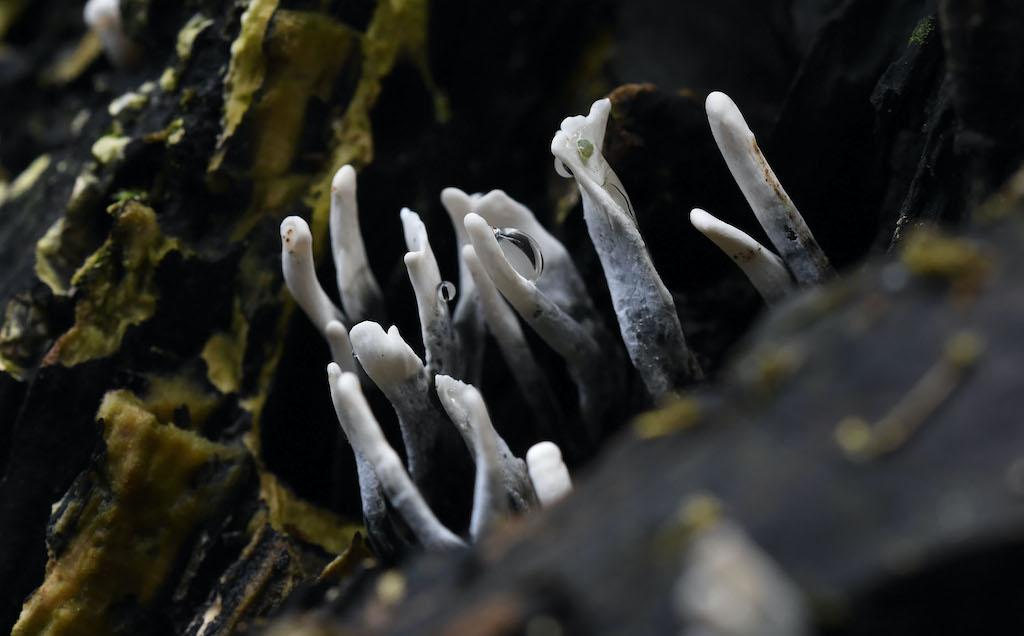
Candlesnuff fungus, known for its thin, dark shapes, is a common sight in Britain, Ireland, mainland Europe, and much of North America.
Its name, Candlesnuff Fungus, suggests a candle that has just gone out, but the real story is even more magical.
This simple fungus can glow in the dark.
In complete darkness, it emits a soft light as phosphorus in its mycelium reacts with oxygen, creating a hidden glow beneath the forest floor. Sadly, the glow of candlesnuff and most bioluminescent fungi is barely visible, showing up only in long-exposure photos or with special equipment in complete darkness.
But a few, like the famous Honey Fungus, can glow just enough for people to see if you are deep in the woods on a very dark, cloudy, moonless night, far from city lights. To see this woodland magic, try cutting into a log that bioluminescent fungi are breaking down.
The hidden mycelium inside glows even brighter than the mushrooms themselves, lighting up the wood from within.
The pale green glow of bioluminescent fungi likely inspired many of the strange myths and legends found in the mysterious world of fungi.
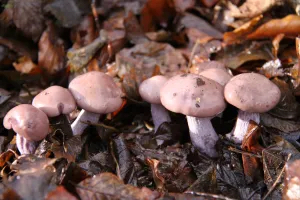
Wood Blewitts are a highlight of winter. These beautiful mushrooms have lilac gills and a light, pleasant scent, appearing like hidden treasures after most fungi have gone.
Foragers prize wood blewits, but caution is needed: their lookalikes can be dangerous.
Their lilac-blue colour can be mistaken for dangerous lookalikes like the toxic Bruising Webcap.
Differentiate them by the webcap’s sour smell, rusty-brown spore print, and orange-brown spores, which cling to the sticky cortina or dangle from the cap’s edge like miniature cobwebs.
Wood blewits start to appear from late autumn into early winter, often after the first frosts. Because they can handle the cold, they stay around when most other mushrooms are gone, making them a good find for winter foragers.
You can find them growing in leaf litter, grassy fields, or even in warm compost heaps. Their lilac colour brightens up the dull winter landscape.
These resourceful saprotrophs break down organic matter, weaving fairy rings or clustering in whimsical gatherings across the woodland floor.
Widespread across Europe, wood blewits make their grand entrance from late autumn into early winter, sometimes lingering through spells of mild, rain-soaked weather.
Their scent is easy to recognise. It’s a mix of earthy and sweet notes, sometimes compared to fresh laundry or a gentle hint of aniseed from the edge of the cap.
Wood blewits are both delicious and versatile, but a word of caution: always cook them, as eating them raw may invite a mild stomach upset.
Their subtle flavour pairs beautifully with garlic, making wood blewits a favourite addition to soups, risottos, and creamy sauces.
But winter’s bounty doesn’t end with fungi.
On milder days, a surprising array of plants continues to grow and even bloom, adding fresh colour and wild flavour to the forager’s plate.
Primroses may unfurl their sunny yellow petals as early as January, bringing cheer to winter salads or serving as a delicate decoration for desserts.
Edible leaves like hairy bittercress, chickweed, dandelion, and sorrel can be gathered from gardens and hedgerows all winter long, peppering dishes with a burst of green vitality when the world seems asleep.
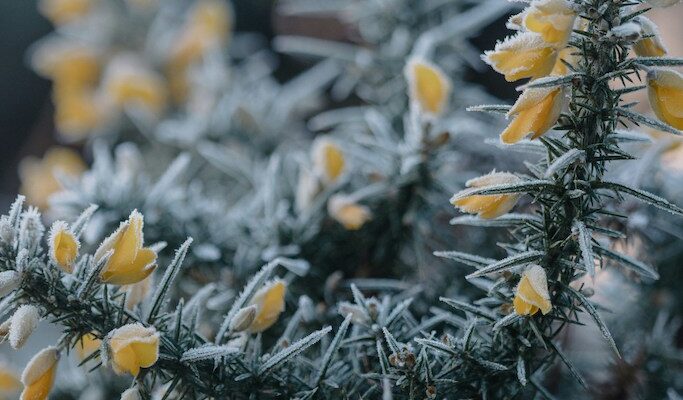
Gorse flowers brighten the hedgerows all year, with a delicate flavour that falls somewhere between fresh peas and juicy pineapple.
On sunny spring days, their scent fills the air with the smell of coconut sunscreen, a wild perfume that hints at warmth and adventure.
Winter wild foraged food recipe ideas
Chickweed is a survivor, growing in almost every garden and hedgerow. Rather than treating it as a weed, you can enjoy its tender shoots as a tasty, homegrown salad green.
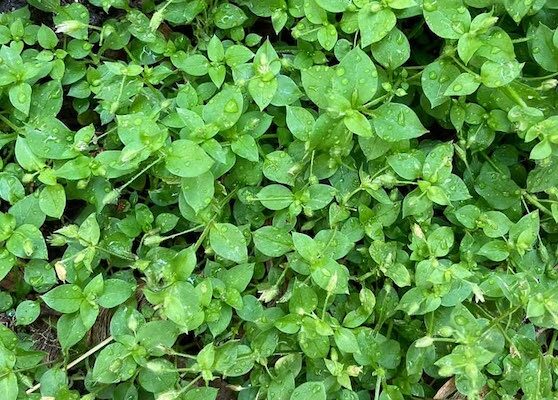
For years, I’ve made John Wright’s Chickweed Pakoras from his Hedgerow River Cottage Handbook. The recipe is simple and satisfying, and it quickly becomes a staple.
I usually add a little less salt, but otherwise, it always turns out well. Try it, and you might find yourself making it often.
Chickweed Pakoras
Makes 8
100g flour
1tbsp medium curry powder
1/2 tsp baking powder
1/2 tsp sea salt
About 120ml water
50g Chickweed, washed, dried and roughly chopped
1 small onion, finely chopped
1 garlic clove, crushed
Vegetable oil for shallow-frying
Method:
Mix the flour, curry powder, baking powder and salt in a bowl, then slowly stir in enough water to form a paste the consistency of mustard. Mix in the Chickweed, onion and garlic, stirring until they are well coated in the paste.
Heat a thin layer of oil in a heavy-based frying pan. When hot, spoon in heaped dessert spoonfuls of the pakora mix to form little cakes, spacing them well apart.
Cover with a lid and cook over medium heat for about 5 mins, until golden brown on one side. Turn the cakes over to brown the other side. Drain on kitchen paper and serve at once.
Hummus is simple to make and easy to adapt. You can create many different flavours to suit any mood or season.
One of my favourite wild-foraged hummus blends starts with a tin of chickpeas (or, for a twist, use butter beans or black beans).
Add a generous spoonful of tahini, a splash of good olive oil, a squeeze of fresh lemon juice, and a spoonful of miso paste for extra depth.
Depending on your taste, add one or two cloves of roasted garlic and a generous handful of herbs, either dried or fresh.
Alexanders leaves give a peppery kick in winter, wild garlic leaves add zing in spring, and mustard or sorrel brighten up summer and autumn.
The result is wild, seasonal, and absolutely delicious. Add spices you have; some of my favourites are hogweed seeds, smoked paprika, za’atar, fennel or cumin seeds, toasted sesame seeds, or lovage seeds. Each one layers in its own wild story.
Method:
Blend everything in a NutriBullet or with a stick blender until you reach your favourite texture. I like mine a little rustic.
Spoon it into a bowl and top with edible flowers from three-cornered leek, wild garlic, thyme, rosemary, or any wild and garden herbs you have. A sprinkle of dried nettle seeds adds a final touch. Have fun and let your creativity roam!
After a blustery winter walk, sharing a few wild recipes is a wonderful way to end the day.
There is a quiet joy in exploring the winter woods and coming home with foraged treasures, nourishing both body and spirit during the season’s long, dark evenings.
And that has been this week’s Wildlife Matters Main Feature.
If you enjoyed this blog, please check out more of our wildlife blogs here, or you may prefer to listen to the Wildlife Matters Podcast here.
If you want to support our work
Please click on the Wildlife Matters Patreon Community.
Please click to join the Wildlife Matters Substack Community.
You can donate here.
Further Reading
Woodland Trust – Woodlands in Winter: What to See?