
Simple ways to connect with nature
Join us at Wildlife Matters, where we step into the wild not for wildlife adventures but to connect with nature for wellbeing, to truly feel how the outdoors can refresh your mind and lift your spirit. It’s time to leave behind the hustle and bustle of modern life and rediscover the natural world outside, one sense at a time.
Spending long hours in the office or at home, staring at screens, and rushing through our days can leave us feeling out of touch. The natural world can feel distant in the middle of a busy week, especially in the colder months, so it is vital to make time to go outside and reconnect.
We hear that reconnecting with nature is good for us, but no one explains how to reconnect or what to do to reach a deeper level that can have a real impact on how we feel.
The truth is, nature welcomes us with fresh air and a sense of calm. No headphones- you don’t need them to notice dew on the grass, birds singing, and the quiet changes of the seasons.
The magic of nature reveals itself when we slow down and tune in with all our senses. Imagine the tickle of grass against your skin, the cool rush of a stream around your ankles, or the scent of rain drifting through the air.
Each small experience weaves us back into the wild tapestry we belong to. These moments help us feel alive and remind us we belong to something larger. Each small experience brings us closer to nature. The flutter of butterflies, the sound of birds, or the things that help us stay present and notice the beauty around us.
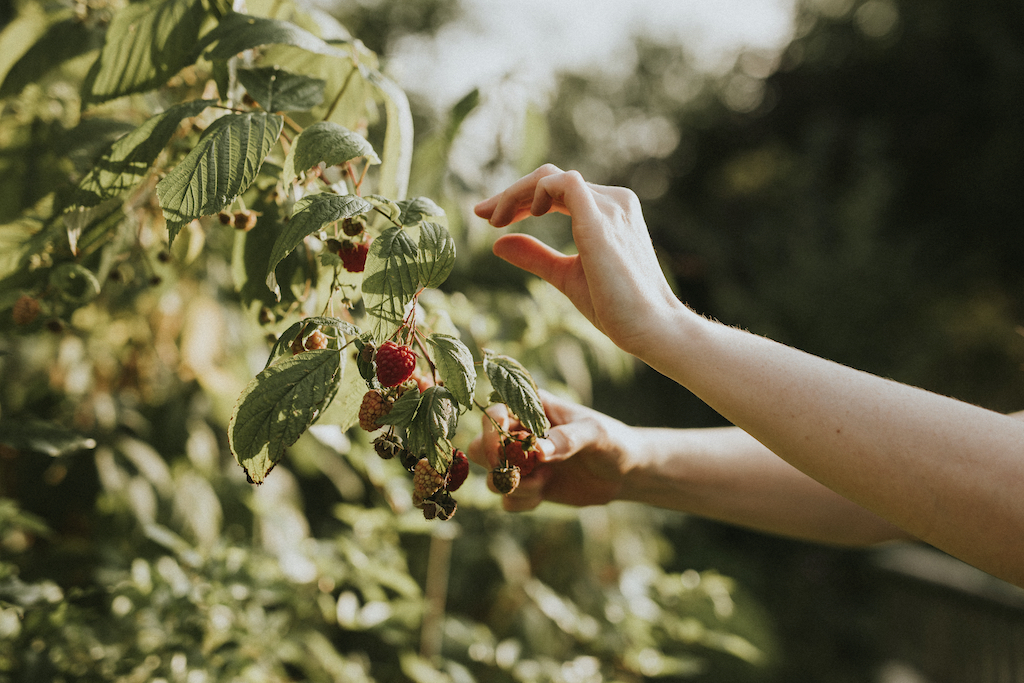
Foraging transforms an ordinary walk into a treasure hunt. With every berry picked or edible flower tasted, nature’s flavours spark wonder and joy.
Children are born with a natural sense of adventure, and they thrive when given the freedom to wander, discover, and learn at their own pace. By using every sense, they unlock nature’s secrets.
Remember to always identify plants carefully before tasting, and supervise children closely during foraging. This helps keep the adventure safe, enjoyable, and full of learning.
Have you noticed the vivid greens of the leaves in spring, the fragrance of wildflowers and grasses in summer, or the taste of blackberries in autumn?
Nature’s steady rhythm can comfort us, even when life feels chaotic.
If your mind feels crowded and you’re looking down, pause and look up. Feel your shoulders relax, your breath slow, and the world open up.
In that moment, you’re not just passing by; you’re part of something bigger and alive. The magic is not in how far you walk, but in what you discover along the way.
Pause for a moment and ask yourself what you hear.
Listen closely, and you’ll find a symphony waiting: birdsong, the whisper of wind in the leaves, and the gentle hush of rain.
These sounds invite us to slow down and ground us in the present.
Whether calming a restless mind or helping us sleep deeply, nature’s music gently blocks out city distractions, leaving us refreshed when we wake.

While you are out in nature, try some activities that may help you connect on a deeper level. You could sketch a sound map, paint with mud, or watch the moon move across the night sky.
These activities can wake up your senses and make the outdoors feel more alive. Choose what interests you, be creative, and have fun exploring. Nature awareness helps your senses notice and interact with the world around you.
A good way to start is by using your sense of touch.
We often pay attention to what we see in nature: bright greens, moving shadows, and wide views. Nature can help us connect more deeply by using all of our senses.
Imagine running your fingers over rough tree bark or sinking your toes into warm sand. Touch keeps us present, just as it does for children who learn by feeling everything around them.
Next time you’re outside, close your eyes and focus on what you feel. Notice the wind on your face, the sun on your skin, or cool raindrops on your arms.
Feel the grass and gravel under your feet, touch soft moss on a log, and let your fingers explore leaves, stones, and bark. Pay attention to every texture and change in temperature.
This is how nature speaks to you. Let’s explore taste and smell as well.
Inhale deeply. Scent is nature’s secret key: earthy pine, wildflowers, and the smell after rain. Each breath brings back memories and invites new wonder, turning an ordinary moment into a sensory adventure.
Even just thinking about wildflowers, fresh herbs, cut grass, or the smell after rain can make you smile. It’s amazing how a scent can quickly take us somewhere else.
When outside, trust your nose. Breathe in the wind and discover its scents: rain-soaked moss, a woodland stream, or a sea breeze. Enjoy the aroma of woodlands, meadows, and coastlines. Each breath is a new adventure.
Wander through the wild and feel rough bark under your fingers, soft moss beneath your feet, or sunlight warming your face. Touch keeps us present and reminds us that we’re part of something vast and alive.
You may also notice sounds from nature, like bird song, the rustle of squirrels, or the silence of quiet places, which together form a hum of natural activity and life as you tune in to the rhythms of the natural world.
Pay attention to every sound, loud or quiet. Notice where it comes from and what is making it.
The wind in the trees or waves on the shore can help you feel connected to nature. Listen to the birdsong. Are they sharing secrets or simply singing for joy?

Notice the hum of insects and the calls of animals. Each sound tells a story from the wild. Stay curious and let nature’s sounds surround you.
Now that you have engaged your sense of touch, smell, and hearing, let’s focus on what you see.
Nature encourages us to slow down and notice small details, quiet movements, and hidden wonders we often miss. When you pay attention, you discover a world that has always been there.
Begin with a deep, grounding breath. Let your shoulders drop, and a gentle smile spread across your face. Open your eyes wide, ready to notice every detail the world offers.
Let your gaze move up, down, and all around. Notice sunlight shining through leaves and colours that blend or stand out.
Take in the wide views and the smallest details, like clouds drifting overhead or the veins in a leaf. Every detail adds to nature’s living masterpiece.
What draws your eye? How do things move, and what stories do their movements tell?
Let your observations fill you with wonder. Pause to reflect on what you see, how it makes you feel, and the memories or messages it stirs.

Nature roots you in the here and now, drawing you away from spiralling worries and into a state of calm and clarity.
You might think that someone who listens to podcasts and the radio would naturally notice nature’s melodies. But I’m not talking about letting a stray sound catch your ear. I mean, letting yourself be fully immersed. Use all your senses and let the wild symphony wash over you, filling your mind and spirit.
What natural sounds do you hear right now?
Perhaps it’s the jubilant song of birds, or the gentle whisper of leaves as the wind threads its way through the trees.
The gentle rustle of leaves, the steady sound of waves, and the chorus of birds have been part of human life for thousands of years. This lasting connection between people and nature is ancient.
But today, with so much digital noise and constant activity, real peace feels rare and easy to lose. In the middle of our busy lives, nature’s sounds invite us to slow down.
They give our minds a break and quietly help our bodies and spirits recover. These natural sounds do more than calm us for a moment; they help us feel closer to the earth and improve our well-being.
Let’s explore nature’s symphony and see how these wild harmonies restore, refresh, and reconnect our bodies, minds, and souls.
The Melody of Tranquillity is one of the greatest gifts of nature’s music: relaxation.
The sound of running water from the stream, the whisper of wind in the trees, and the song of birds can take us to a calm place and soothe minds tired from stress.
Science supports what we already feel: listening to nature lowers anxiety, eases tension, and improves our mental health.
Studies show that these natural sounds can reduce our body’s stress responses, lower cortisol levels, calm heart rate, relax muscles, and even release feel-good endorphins.
When we listen to nature’s song, we don’t just find peace, we invite real, restorative healing. The sounds of wildlife and nature not only calm you but also help you think more clearly.
In 2017, researchers writing in Scientific Reports found that people who listened to nature sounds, such as birdsong and running water, showed better attention, stronger working memory, and improved moods. Nature’s melodies are more than relaxing; they give your mind both calm and clarity.
With so much noise in our daily lives, nature’s sounds offer a way to practice mindfulness and slow down. Listening to the sounds of the outdoors helps you focus on the present moment.
Try putting away your screens and paying attention to the wind in the trees, the sound of waves, or the mix of voices in a forest.
Whether you’re walking in a park or sitting by a stream, these sounds help you stay present and let go of worries.
That’s why paying attention to nature’s sounds is so important when practising mindfulness outdoors.
Listening closely to birdsong, the wind, and water can ease stress, help you focus, and steady your emotions. The more you listen, the more present, calm, and connected you’ll feel.
Studies show that listening to natural sounds at night, like birdsong, a babbling brook, or ocean waves, can help you fall asleep, block out city noise, and create a peaceful setting.

These soothing sounds help clear distractions, leaving you feeling refreshed and energised.
Listening regularly can help you build resilience, something scientists call “environmental stress inoculation.”
If you make nature’s music part of your daily routine, you’ll be better prepared for life’s challenges.
Nature’s sounds do more than calm your mind; they also comfort your heart. For generations, people have found peace and happiness in birdsong and flowing water, which can lift your mood, ease anxiety, and bring a sense of calm.
One of the best things about nature is how its sounds remind us where we belong. In a world where it’s easy to feel disconnected, these natural melodies bring us back to what’s important: our connection to the earth.
Hearing birdsong and rustling leaves can fill us with awe, spark curiosity, and make us want to care for the planet. This emotional connection inspires us and encourages us to make better choices for the environment.
As environmental problems grow, this bond matters even more, motivating us to protect the earth for future generations. Nature’s sounds aren’t just relaxing background noise. They can help your body, mind, and spirit.
Listening to nature’s sounds can lower your stress, help you sleep better, sharpen your mind, and build resilience. With so many distractions around us, these sounds remind us of our roots and the healing power just outside.
Next time you need a break, step outside and let nature’s music help you relax. You might even notice bees heading for flowers or squirrels climbing trees.
Many scientific studies have found that spending time in nature is associated with a lower risk of mental health problems, improved mood, and reduced stress.
Wherever you live, nature is always close by. Parks, gardens, canals, or beaches are all good places to explore.

If there aren’t any green spaces nearby, bring nature indoors.
Plant herbs or flowers on your balcony or windowsill, or add houseplants to brighten your home.
You can also listen to recordings of birdsong, rainfall, or ocean waves to create a calming atmosphere inside.
Try setting up a small spot at your window to watch the clouds or stars.
Just by adding a few natural touches to your home, like arranging stones, pinecones, or driftwood, you can remind yourself of the outdoors and feel closer to nature.
Being in nature can boost your mental health and well-being. In Japan, this practice is called shinrin-yoku, or forest bathing.
Forest bathing means spending time in the woods, focusing on your senses, and letting the forest help you relax and feel good.
If mindfulness is new to you, begin by taking a moment to notice how you feel and what’s around you.
Here’s a simple outdoor mindfulness exercise to try:
- Find a comfortable spot outside, whether it’s a park bench, a patch of grass, or somewhere you feel at ease.
2. Sit or stand quietly. Let your hands rest loosely in your lap or by your sides.
3. Take a slow, deep breath in through your nose, and let it out gently through your mouth. Do this two or three times to soften your focus and settle into the moment.
4. Now, look around you. What do you see? Notice colours, light, and movement.
5. Close your eyes for a moment. What can you hear?
Try to pick out three different sounds, near or far.
6. What can you feel? Notice the air on your skin, the ground beneath you, or the warmth of the sun.
7. Take one more slow breath. When you’re ready, open your eyes and smile, knowing you have just practised mindfulness in nature.
Pay attention to the sounds, smells, textures, and sights around you.
Try to focus on the present moment and let other thoughts fade away. Spending time with animals and wildlife can also help your well-being.
Even at home, you can look out your window to spot birds in the sky. If you don’t see any, try listening for their calls.
The more you look, the more you’ll notice.
Pause to notice the scents around you.
You might smell blooming flowers, earthy soil, sun-warmed pine, or wildflowers. These scents can lift your mood and help you feel refreshed.
Phytoncides are natural compounds released by trees and plants.
These invisible helpers support both your mind and body. They can reduce inflammation, clear mental fatigue, improve your mood, and strengthen your immune system.
They also help you relax deeply, in memory and perception. In study after study, people describe how the fragrance of pine or earth can summon childhood memories, clear mental fog, heighten awareness, and spark feelings of relaxation and renewal.
Phytoncides can also increase natural killer cells and other anti-cancer proteins, and these benefits can last up to a month.
The different scents in a woodland, like moss, bark, and leaves, can calm your nerves, boost your immunity, and bring back memories and emotions.
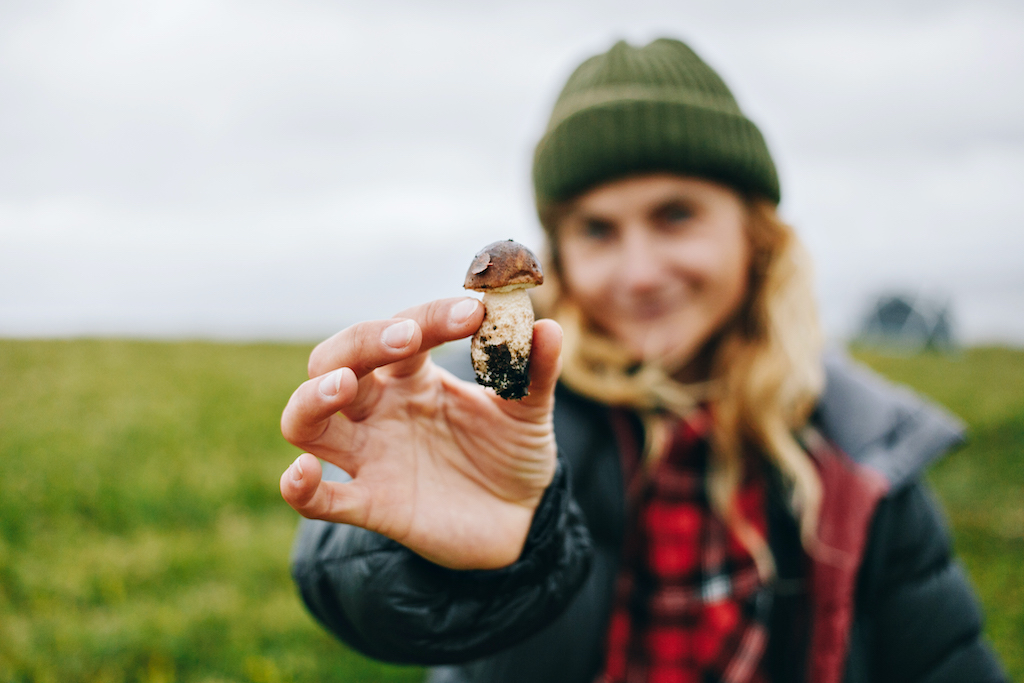
Your sense of smell can become stronger with practice and patience. Try walking slowly, closing your eyes, and focusing on the scents of bark, leaves, and earth to connect more deeply with nature.
We don’t always think about taste during outdoor adventures, and parents often work hard to keep children safe.
But with care, tasting nature can be a fun and interesting part of exploring.
As we wander through nature, our senses awaken. We breathe in floral scents, feel rough bark, listen for birdsong, spot ant trails, and even taste nature’s gifts.
Children are natural explorers. When given time and freedom, they use every sense to learn, discover, and enjoy nature’s secrets.
Even young children can, with adult supervision, learn what is safe to taste. Helping them discover where their food comes from and encouraging their curiosity builds confidence and helps them understand that we are nature, and that this deep connection leads to a lifelong love of nature.
Have you picked a sun-ripened blackberry and savoured its sweetness, or cradled a warm mug of tea as raindrops paint the window with gentle trails?
Let’s look at some fun ways to slow down and enjoy what nature has to offer.
Foraging can turn a simple walk into an adventure. Kids can learn to find edible plants, notice how the seasons change, and collect wild treats with curiosity and care.
Foraging for wild edibles gives helpful tips for safe, hands-on discovery and makes every trip outdoors feel like a treasure hunt.
You can also look for local field guides specific to your area to help you safely identify edible plants.
You can find local foragers offering guided nature walks led by experts who can teach you to forage responsibly. Learning from these resources not only keeps your adventure safe but also helps you connect more deeply with the natural world.
Maybe you can try cooking with edible flowers like dandelions, violets, and nasturtiums. These flowers are not only pretty, but they also taste great. You can add them to cookies, syrups, or salads and see your recipes come alive with colour and flavour.

Cooking with flowers is a fun and safe way to enjoy nature.
Nature’s gifts go beyond our senses. Science shows that spending time outdoors lifts our mood, eases anxiety, and sharpens our minds. Even a short break in a green space can restore creativity and renew focus.
Nature’s benefits reach deep into our hearts, reminding us where we belong and inspiring us to care for the earth that cares for us. So wherever you are, city, countryside, garden, or wild wood, step outside and let the natural world welcome you.
Pause, breathe, listen, taste, touch, and see and smell. Let nature’s endless source of calm, inspiration, and well-being fill you up. The wild is waiting for you to come home to it and rediscover yourself.
And that has been this week’s Wildlife Matters Main feature.
If you enjoyed this blog, please check out more of our wildlife blogs here, or you may prefer to listen to the Wildlife Matters Podcast here.
If you want to support our work
Please click on the Wildlife Matters Patreon Community.
Please click to join the Wildlife Matters Substack Community.
You can donate here.
Further Reading
Nature Wellbeing – Connecting with Nature