Wildlife Matters Investigates: The Shadow of the Grouse Moors. Wildlife Matters set out to investigate a year of incidents on Britain’s Grouse Moors, aiming to uncover the truth about raptor persecution, or the persecution of birds of prey.
Even though raptors are legally protected, they keep disappearing. Evidence like destroyed satellite trackers often leads back to grouse moors in Northern England and Scotland.
When we visited these uplands to search for clues like broken feathers, we noticed that raptors were missing.
Local conservationists, gamekeepers, and residents told us about raptors being targeted, poisoned, trapped, and shot. Each story has helped me understand this complex issue more clearly.
Evidence and expert analysis show that illegal raptor killing in Britain is as serious as in some of the world’s worst wildlife crime hotspots.
This investigation focuses on the profitable business of intensive driven grouse shooting. Independent reports have directly linked this industry to ongoing raptor losses.
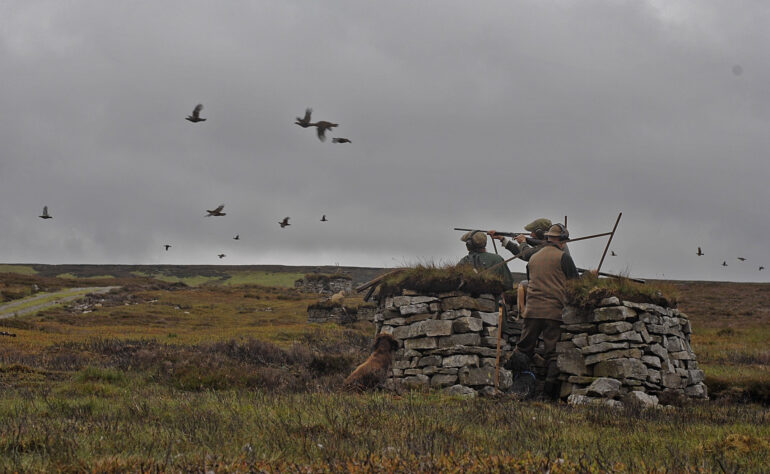
Driven grouse moors depend on keeping red grouse numbers artificially high, which is different from traditional walked-up shooting.
Land management records and insider accounts confirm that this practice is key to the industry’s profits.
To keep grouse numbers high, moorland managers enforce a strict zero-tolerance policy against natural predators.
Conservation and law enforcement sources say this policy is the main reason for raptor persecution. On the remote northern moors, legal predator control focuses on species like foxes, but protected birds of prey such as Hen Harriers, Red Kites, Golden Eagles, and Peregrine Falcons are targeted illegally.
Our investigation shows a clear link between these disappearances and red grouse moor management.
A Trail of Vanishing Birds
For years, the remoteness of these uplands shielded offenders, but satellite-tagging technology now allows real-time tracking and evidence gathering.
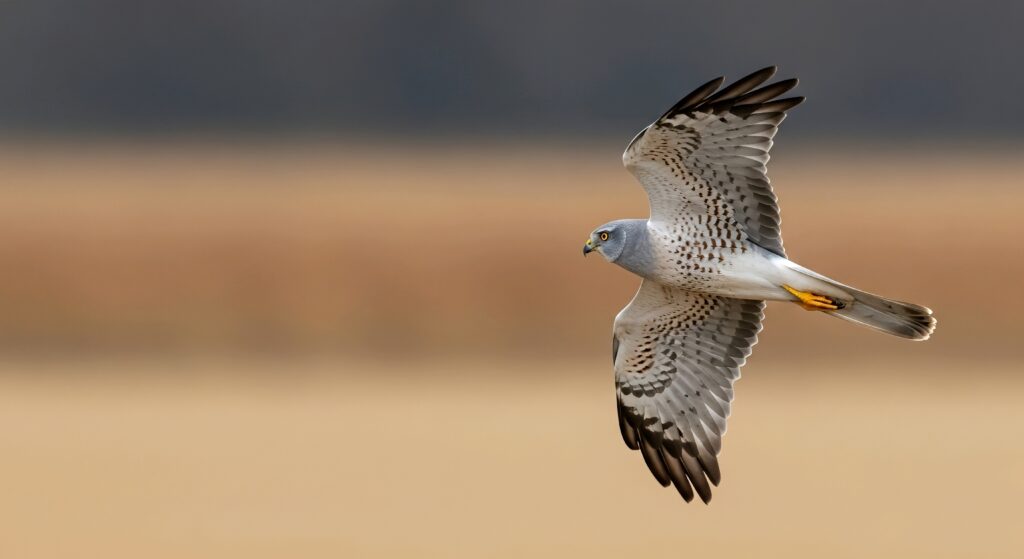
The Hen Harrier is central to our investigation and acts as a ‘canary in the coal mine’ for wildlife crime in the uplands. Its steep decline is not just a conservation issue but also a warning sign of wider illegal activity on these moors.
In most cases, their signals suddenly stopped over or near grouse moors, which strongly suggests foul play. Three tagged Hen Harriers sent their last signals within 13 days of each other in September, shortly after fledging. This raised immediate concerns among investigators.
Other protected species, like Red Kites, are also routinely targeted.
Between August 2025 and September 2026, several red kite persecution cases led to legal action. Many of these were directly linked to grouse moors in Scotland.
Each case added to the growing evidence, such as Dinnet Moor, Aberdeenshire, in June 2026, when a dead red kite was found on Morven Hill, which is managed for driven grouse shooting. This discovery led to a police investigation and a public request for information about possible poisoning.
Forensic toxicology confirmed a red kite found near Braco was illegally killed with aldicarb, a banned pesticide, deepening suspicions of organised wildlife crime.
In the Cairngorms, legal proceedings are underway against Glenbuchat Estate’s head gamekeeper and assistant, accused of shooting red kites at Knockie Wood.
The case relies on trail-camera footage and detailed police work, and is being closely watched as a potential turning point in the fight against raptor persecution.
In May 2026, following a report, we went to Bransdale in the North York Moors National Park after a buzzard was found with shotgun wounds and a broken leg. Forensic tests showed shotgun pellets in the wing, and the injuries were fatal. This further links raptor persecution to local grouse moors.
After police found the injured buzzard, they appealed for public information, and local investigators noted Bransdale’s history of illegal bird of prey killings.
Forensic and witness reports show a clear pattern of wildlife crime linked to moorland management in Bransdale.
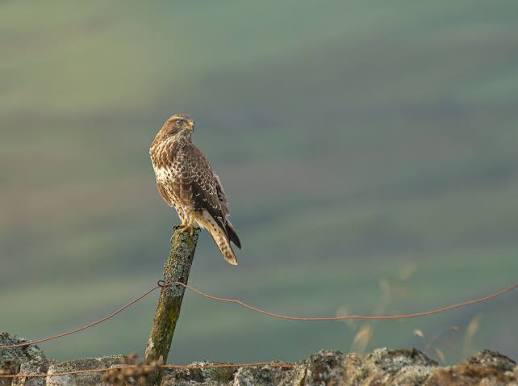
Buzzards have been targeted for years, with hundreds of cases on record. People started paying more attention to these crimes in 2025 and early 2026.
Experts say the increase in suspicious deaths and disappearances of satellite-tagged raptors, especially Hen Harriers, near driven grouse moors in northern England and Wales has become too frequent to ignore.
During this time, investigators recorded several suspicious disappearances and shootings of satellite-tagged golden eagles.
All of these incidents happened on or near grouse moors and gamebird estates monitored by Raptor Persecution UK.
In August 2025, golden eagles named Tarras and Wren disappeared suddenly near a shooting estate in Langholm. Early findings showed this estate was close to places where raptor crimes had already happened.
In November 2025, we followed up on the disappearance of a satellite-tagged white-tailed eagle in the Moorfoot Hills.
The eagle’s tag signal stopped suddenly in an area already under investigation for wildlife crime, which made investigators immediately suspicious.
In February 2026, in the Tweed Valley, one of the most troubling cases involved a Golden Eagle called Hamlet, found next to a grouse moor with severe shotgun injuries.
Investigators listed this as a major case in the Scottish Borders, based on forensic evidence.
In March 2026, we also investigated the death of a Golden Eagle called Percy in South Scotland. At first, the case was flagged for review, but after working with local gamekeepers, we found that natural causes were responsible. Like other experts, we believe being open about these findings is important for the credibility of raptor crime investigations.
In the Angus Glens, Freedom of Information requests gave us access to reports from Invermark Estate, where a peregrine was found with shotgun wounds.
These disclosures are now key to finding patterns of raptor persecution near managed game.
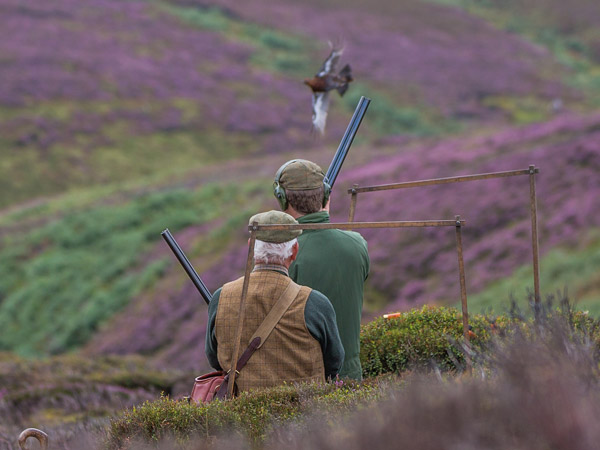
A research study published in late 2025 gave us new evidence. It showed that the decline of breeding peregrines in the Cairngorms National Park is linked to the pressures from intensive management on driven grouse moors. Grouse moors.
An RSPB report highlighted a worrying trend: ten peregrine falcons, along with golden eagles, goshawks, and hen harriers, have been confirmed as victims of persecution across the UK.
Most of these cases are connected to land managed for shooting.
In our year-long investigation, we followed two major incidents: a Northern Goshawk was shot in Aberdeenshire, and in Perthshire, a gamekeeper was convicted for killing another goshawk.
These are not isolated events. They point to a wider, ongoing problem of raptor persecution.
On 8 November, an injured Goshawk was found in the Whiterashes area. Forensic tests confirmed it died from gunshot wounds, showing the ongoing danger to protected birds on shooting estates.
In Perthshire, between March and April 2026, Gamekeeper Russell Mason admitted to illegally killing a goshawk on a Blairgowrie shooting estate. His prosecution is one of the few successful legal actions against offenders.
The court’s sentence and estate restrictions show how difficult it is to hold people accountable, and how rare these successes are.
In North Yorkshire, which RSPB reports have long called a raptor persecution hotspot, was the site of another shocking discovery.
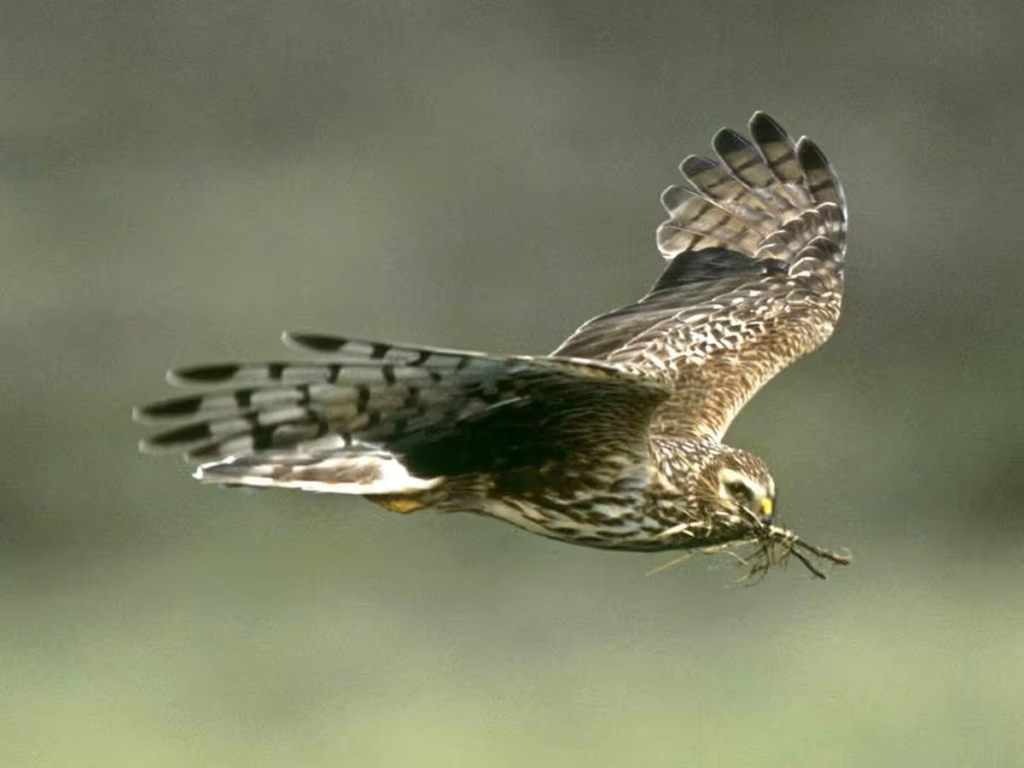
Investigators found the satellite-tagged Hen Harrier Ataksak dead, poisoned by a deadly mix of banned farm chemicals, now known as the ‘Nidderdale Cocktail.’
Investigators have revealed that the ‘Nidderdale Cocktail’ is a deadly mix of bendiocarb, alphachloralose, and the banned pesticides carbofuran and isofenphos. Some of these chemicals have limited legal uses, but none are allowed where wildlife or domestic animals could be harmed.
Their presence shows that raptors were deliberately targeted.
Field investigations show that gamekeepers deliberately put the ‘cocktail’ on carrion baits to kill protected raptors.
This shows a clear disregard for wildlife laws.
This does not surprise anyone who has worked to expose and stop the illegal killing of birds of prey.
Multiple grouse moors remain at the heart of the UK’s raptor persecution crisis. The evidence trail is long and well established.
Investigators point out that eveInvestigators point out that even with legal protections, raptors are often shot or poisoned, and their bodies usually disappear without a trace.ng proposals are unlikely to improve enforcement or provide more resources to fight these hidden crimes. If a licensing model were to be put in place, as far as grouse moors are concerned, it would be ‘business as usual’.
Investigative findings increasingly point to one solution: end the shooting industry on grouse moors, which cover an area as large as Greater London, and use these lands for biodiversity and public benefit.
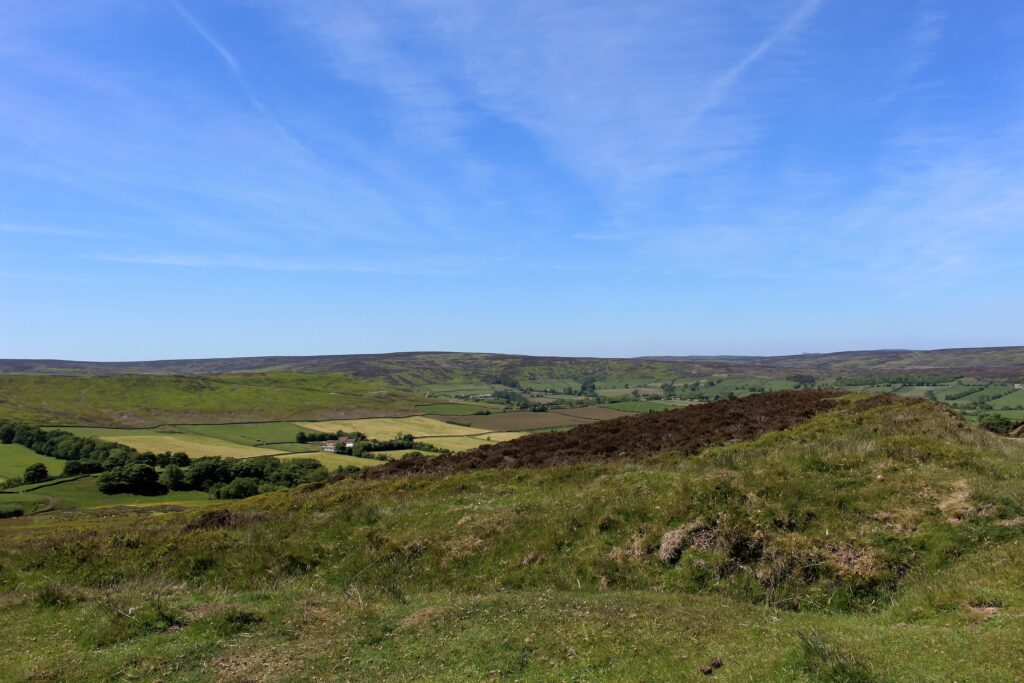
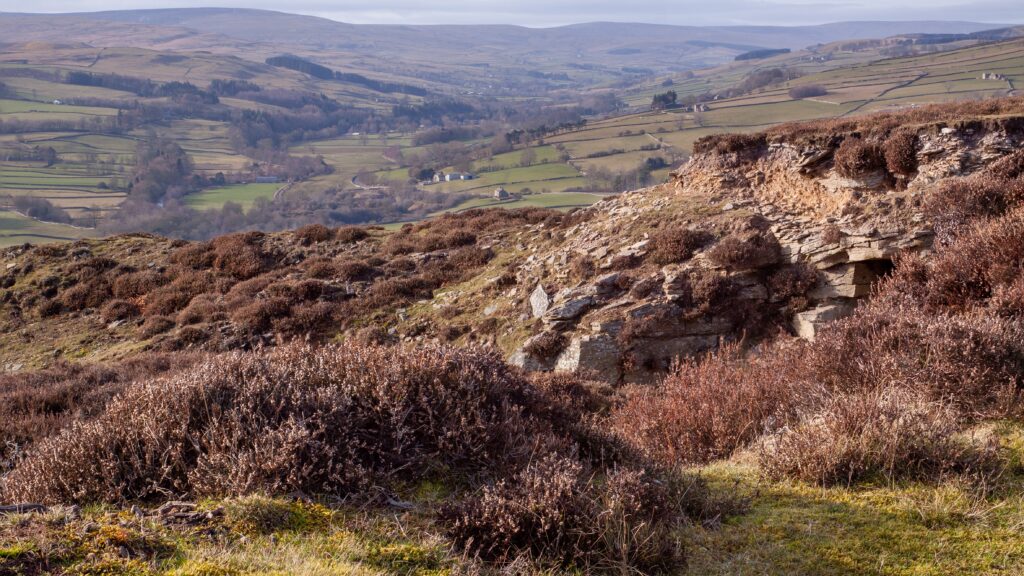
Until that happens, the evidence suggests raptor persecution will likely continue. At first, it looks untouched, with rolling hills and peaceful valleys that attract many visitors.
But recent investigations tell a different story. Evidence shows a persistent pattern of wildlife crime happening out of sight.

In recent years, investigators have started calling Nidderdale the ‘bird of prey poisoning capital of Britain.’ This reputation comes from a growing collection of field evidence gathered by RSPB and independent investigators working locally.
Because the problem is so widespread, investigators have identified a specific toxic mix now called the ‘Nidderdale cocktail.’ Raptors often eat carrion, which puts them at higher risk from these poisoned baits.
RSPB bird crime investigator Howard Jones says this mix of toxins is like a signature, unique to Nidderdale and recognised by those tracking the evidence.
Since 2011, the RSPB has confirmed 15 cases of raptors being deliberately poisoned in Nidderdale AONB. Investigators warn that this is just the ‘tip of the iceberg ‘.
Last year, 80 cases were recorded across England. Howard and his team believe many more go unnoticed because these crimes happen in remote and secretive places. retive.
Case files show a clear increase in raptor poisonings in Nidderdale since 2020, especially among red kites and common buzzards.
Field reports confirm four incidents in 2020 and five in 2021, with hotspots at Pateley Bridge, Roundhill Reservoir, near Masham, and Ramsgill. Howard says there is a coordinated effort to poison birds of prey in Nidderdale.
Investigators now have to uncover both the people responsible and the system that allows these crimes to continue, leaving a lasting shadow over this well-known landscape. Landscape.
Nidderdale, which has many legal grouse shooting estates, is now at the centre of the investigation. National data from 2021 shows that 71% of confirmed raptor persecution cases happened on land managed for gamebird shooting.
Crime reports show that Nidderdale and North Yorkshire as a whole regularly have the highest rates of raptor persecution in the country. Investigators say this region represents the wider wildlife crime problem in the UK.
Investigators believe the motive is clear: raptors hunt grouse, and gamekeepers, under pressure to keep gamebird numbers high for profitable shooting parties, may turn to illegal poisoning.
Prosecuting these crimes is still very difficult. The area is large and remote, and the low chance of finding poisoned animals, along with silence from those involved, makes investigations harder.
When someone is prosecuted, it is usually a low-level gamekeeper. Investigators and conservationists say the industry needs more scrutiny and stronger laws to stop this cycle.
Estate managers where gamebird shooting takes place need to be held accountable. accountable.
With more evidence coming in, the Scottish Government has announced new laws to regulate grouse shooting.
The RSPB wants similar licensing in England and suggests that estates involved in raptor persecution should lose their shooting rights. Investigative findings are pushing for these.
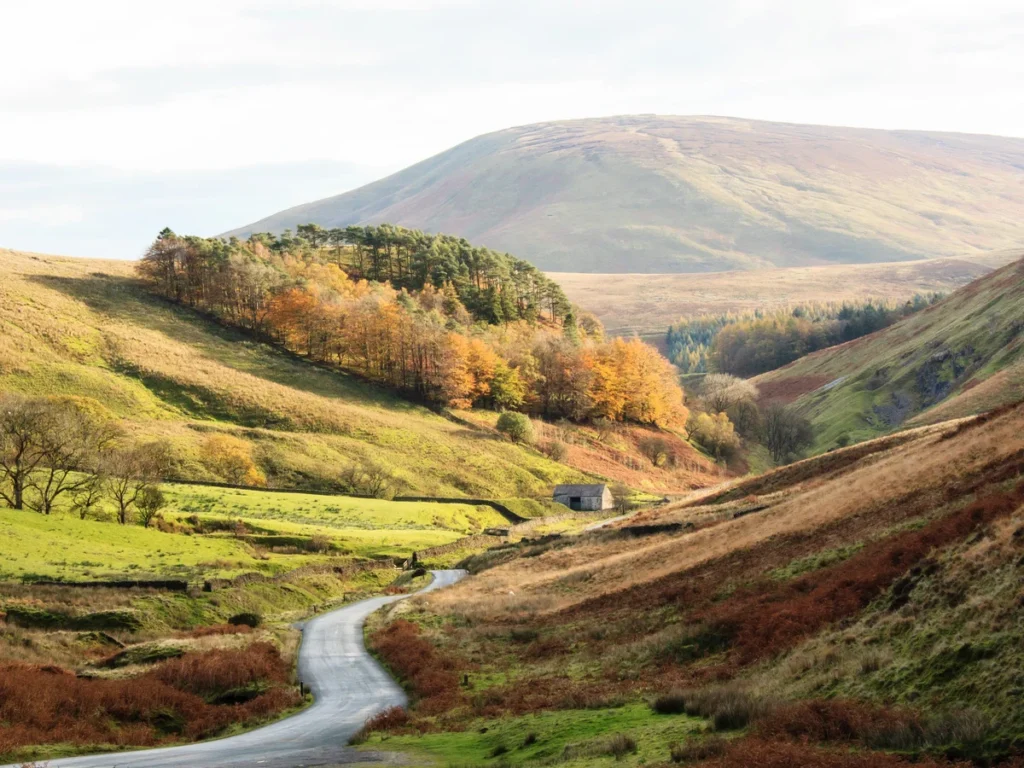
In May 2025, a troubling event took place in northern England. Northern England. Four breeding male Hen Harriers, including one called Dynamo from the Forest of Bowland, disappeared within eight days while out searching for food.
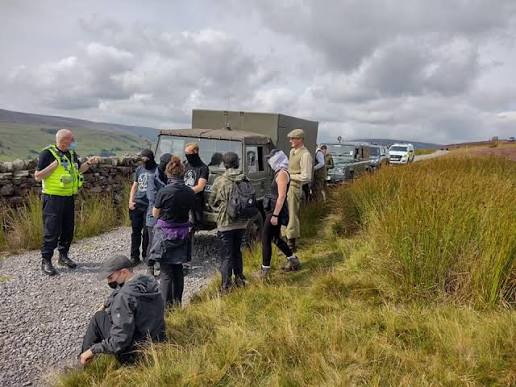
Their sudden loss caused several nests to fail, which was a big blow to the local population. Concerned about the situation, we joined field teams to retrace the birds’ last known paths and look for clues, such as discarded feathers, broken tags, or disturbed ground, that might reveal what happened.
Forensic analysis confirmed one case of poisoning, while six other birds disappeared under suspicious circumstances. Circumstances.
In every case, the birds’ satellite tags sent their last signals from places on or next to grouse moors, which investigators now see as a clear pattern.
All incidents were quickly reported to the police and the National Wildlife Crime Unit’s Hen Harrier Taskforce. Even with fast action, investigators face major challenges.
It is very hard to get solid evidence and secure prosecutions because the crime scenes are remote and evidence is often destroyed on purpose. Still, law enforcement continues to investigate.
Investigative records show that Hen Harriers, which are a Red-listed species of high conservation concern, face their biggest threat from illegal killing.
Both law enforcement and scientific experts widely recognise this fact. For more than 15 years, the RSPB and Natural England have used satellite tags to track Hen Harrier movements and survival.
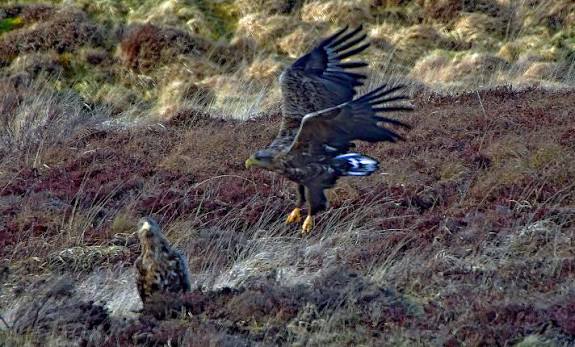
These devices are very reliable and can even send signals after a bird’s natural death.
Investigators have found many cases where tags suddenly stop working on or near grouse moors, ruling out equipment failure and suggesting someone may have tampered with them.
Evidence from peer-reviewed studies, intelligence briefings, and forensic analysis suggests that in most cases, satellite tags are destroyed on purpose after illegal killings.
Investigators often have strong circumstantial evidence but not enough to prosecute, which shows how difficult it is to bring those responsible to justice.
Investigative statistics show that between 2016 and 2025, 72 satellite-tagged Hen Harriers monitored by the RSPB and Natural England disappeared suddenly and under suspicious circumstances. Of these, 85% vanished on or near grouse shooting estates.
Since only a small part of the population is tagged, experts believe the real scale of illegal killing is much higher than the data shows.
Mapping the cases shows that all six satellite-tagged Hen Harriers that disappeared in 2025 sent their last signals from known hotspots.
These are areas in northern England with a history of raptor crime, mostly on grouse moorland. Intelligence reports say these crimes happen because people want to remove what they see as threats to gamebird numbers.
Harriers are seen as a threat to gamebirds because people want to maximise the number of Red Grouse available for commercial shooting during the grouse season.
We decided to look deeper at the case of a Hen Harrier called Ataksak, who was found dead in January 2025 near a North Yorkshire grouse moor.
Forensic tests showed the cause was the ‘Nidderdale Cocktail’, a banned pesticide mix well known to investigators.
Since 2011, records show this poison has been linked to at least 15 raptor deaths and one dog fatality in the area, revealing a persistent and troubling pattern of wildlife crime.
When we reviewed case files from 2016 to 2025, we found that 93% of 85 confirmed and suspected persecution cases involving satellite-tagged Hen Harriers in England happened in Northern England.
Mapping these incidents showed that most cases cluster around well-known grouse moor hotspots.
The evidence covers 35 RSPB-tagged and 44 Natural England-tagged Hen Harriers. Each disappearance or death is now recorded as an important part of the ongoing investigation into raptor persecution.
In every case, the birds were either confirmed to have been killed illegally or disappeared in ways that investigators and field teams find very suspicious.
Each mapped hotspot shows the impact of confirmed and suspected persecution incidents involving both RSPB- and Natural England-tagged birds.
These maps now help us understand where raptor crime is most common and how widespread it is.
Reporting bird crime
Law enforcement and conservation experts say the public needs to stay alert. Anyone with information about raptor persecution should report it to the police or use the RSPB’s confidential Raptor Crime Hotline. In several recent cases, anonymous tips have helped investigators move forward.
During recent fieldwork in Wiltshire, teams found disturbing evidence. A hidden camera caught a gamekeeper disposing of raptor carcasses, which led investigators to a hidden well containing the remains of 11 Buzzards and four red kites. This discovery suggests a planned cover-up and the mass burial of protected birds. birds.
Shooting Estates: An Industry Underpinned by Crime
Even though the public is outraged, conviction rates remain low. Investigators and field sources say the large, remote moorlands make it easy for offenders to destroy carcasses and break satellite tags.
This loss of evidence continues to make prosecutions difficult.
When convictions occur, low-ranking gamekeepers are usually fined or receive suspended sentences.
The wealthy estates that benefit from these crimes often avoid real punishment. Investigators and legal experts say this gap in enforcement allows the cycle of abuse to continue.
Investigators and scientists agree that voluntary codes, self-regulation, and joint action plans have not stopped wildlife crime.
Peer-reviewed research now shows a direct link between intensive moorland management for shooting and the ongoing persecution of raptors.
The Case for Banning Driven Grouse Estates
The evidence shows that restoring Britain’s ecosystems and enforcing wildlife law will require more than small policy changes.
Driven grouse shooting depends on keeping prey numbers high, which works against the survival of natural predators.
To protect Britain’s wild heritage, investigators and conservationists are asking lawmakers to introduce direct legal reforms that tackle the root causes of raptor persecution.
From May 2025 to May 2026, we tracked six satellite-tagged Hen Harriers that disappeared under suspicious circumstances in northern England. Each bird’s last tag signal led investigators to known grouse moor crime hotspots.
Three of these birds vanished in September, just after fledging. Forensic researchers later confirmed that a seventh tagged harrier was poisoned, adding to the growing evidence of the ongoing threat to these birds.
Looking for answers, we followed the case of Racster Dingwall, a gamekeeper who, in January 2026, became the first person in England convicted of persecuting Hen Harriers.
The RSPB Investigations team spent months gathering audio and video evidence, showing both the planning and the possession of a shotgun meant to kill a Hen Harrier.
Despite the strong evidence and the seriousness of the crime, Dingwall was fined only £400. This outcome makes many people, including me, question whether current sentencing really matches the seriousness of the problem.
Recent RSPB data to be released in May 2026 shows that nearly 1000 protected raptors have been illegally killed in the UK over the last ten years. A closer look shows that about two-thirds of these cases happened on or near land used for gamebird shooting. The evidence clearly shows these estates are still hotspots for wildlife crime.
After talking with conservationists and intelligence sources, the motive becomes clear: estates view raptors such as Hen Harriers, Peregrines, and Golden Eagles as threats to their profits.
These birds eat red grouse chicks, so removing them helps estates increase grouse numbers.
Evidence shows that this profit focus seriously harms protected wildlife. This profit focus seriously harms protected wildlife.
Industry and Regulatory Response
Conservation groups, using recent tracking data and Raptor Persecution UK reports, are pushing harder for strict licensing of all gamebird shooting in England and Wales.
Supporters highlight Scotland’s new Wildlife Management and Muirburn Act as a good example of how regulation can help. The evidence makes the case for banning driven grouse shooting even stronger.
Shifting upland moorlands away from heavy game management and toward ecological restoration, rewilding, and responsible public access would remove the causes of raptor persecution. vers of raptor persecution.
The evidence also shows a need for financial reform. Removing tax subsidies and public funding from estates that do not meet biodiversity goals or focus only on gamebird production would address the economic drivers of wildlife crime.
Holding landowners and estate managers directly responsible, with criminal and financial penalties when raptor persecution is proven on their land, is crucial.
Without this accountability, the cycle of abuse will likely continue. I hope for a future where Hen Harriers and Golden Eagles once again fill Britain’s upland skies, with their survival protected by real reform and strong enforcement.
Without these changes, the evidence suggests that iconic predators will keep disappearing, victims of a profitable and rarely punished wave of wildlife crime.
Conclusion and Way Forward.
The evidence is clear: raptor persecution is not just a few isolated cases, but a widespread problem linked to old land use practices and strong commercial interests. Investigators, conservationists, and policymakers now face an important decision.
Without strong action and a change in priorities, wildlife crime will continue, and the upland skies will remain empty.
The evidence shows what needs to happen next. Enforcement agencies need enough resources and authority to find and stop even the most hidden crimes.
Lawmakers should close loopholes and create penalties that apply not just to individuals, but also to estates that benefit from illegal killings. Public money should support land management that values biodiversity and restoration, not secrecy and single-crop farming.
Bringing back Britain’s raptors will require action from government, industry, and the public. We can only hope to see Hen Harriers, Golden Eagles, and other birds of prey return if we remove the financial reasons for persecution and demand open, science-based policies.
The evidence is clear: half-measures are no longer enough. These species’ survival depends on what we do next.
If you enjoyed this blog, please check out more of our wildlife blogs here, or you may prefer to listen to the Wildlife Matters Podcast here.
If you want to support our work
Please click on the Wildlife Matters Patreon Community.
Please click to join the Wildlife Matters Substack Community.
You can donate here.
Further Reading
Raptor Persecution – Latest News
RSPB – Birds of Prey and Wildlife Crime
Protect the Wild – What is Raptor Persecution?
Key Takeaways
- Raptor Persecution is a severe issue linked to the driven grouse shooting industry, leading to illegal killings of protected birds like Hen Harriers and Golden Eagles.
- Evidence shows that the management practices on grouse moors foster a culture of wildlife crime, with many raptors disappearing under suspicious circumstances.
- Recent investigations reveal a toxic mix known as the ‘Nidderdale Cocktail,’ which has been used to target birds of prey, showcasing the lengths offenders go to evade justice.
- Calls for legal reforms and stronger regulations are intensifying, as current penalties remain insufficient to deter raptor persecution.
- Ending driven grouse shooting could restore biodiversity and protect raptors, but requires significant changes in policy and enforcement.