
Today, Wildlife Matters is exploring something a bit different: an autumn walk at Winkworth Arboretum, a managed wild space. An arboretum is a type of botanical garden where many kinds… Continue Reading... "131 Autumn Walk at Winkworth Arboretum"
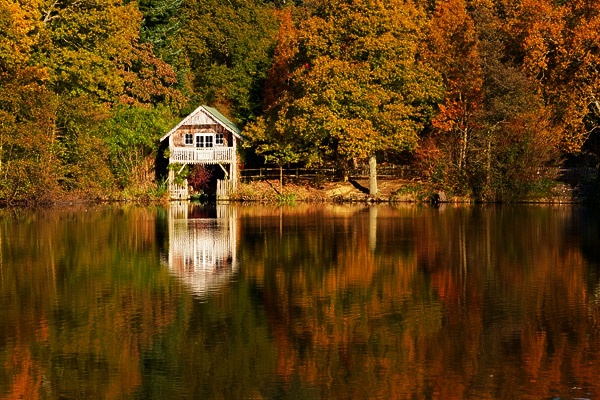
Today, Wildlife Matters is exploring something a bit different: an autumn walk at Winkworth Arboretum, a managed wild space. An arboretum is a type of botanical garden where many kinds… Continue Reading... "131 Autumn Walk at Winkworth Arboretum"
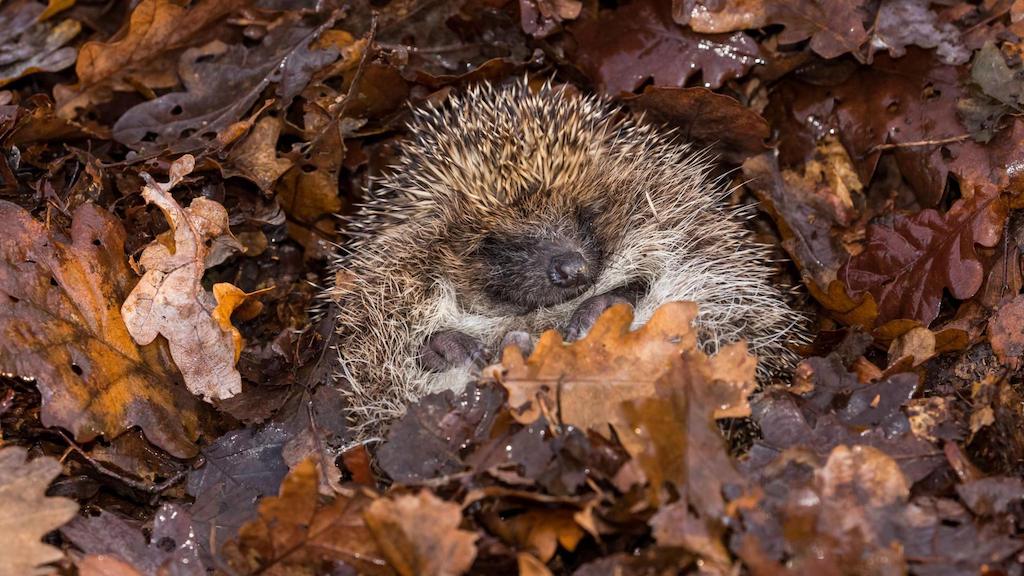
Welcome to the Wildlife Matters guide to hibernation. As winter’s chill deepens and daylight fades, we bundle up in cosy layers. Meanwhile, animals must transform their routines to outwit the… Continue Reading... "130 Wildlife Matters Guide to Hibernation"
Join Wildlife Matters as we explore the native Broadleaved woodland of the UK in this week’s adventure. Based on over twenty years of woodland management for wildlife and habitat conservation,… Continue Reading... "Habitats of Britain – Broadleaved Woodlands"
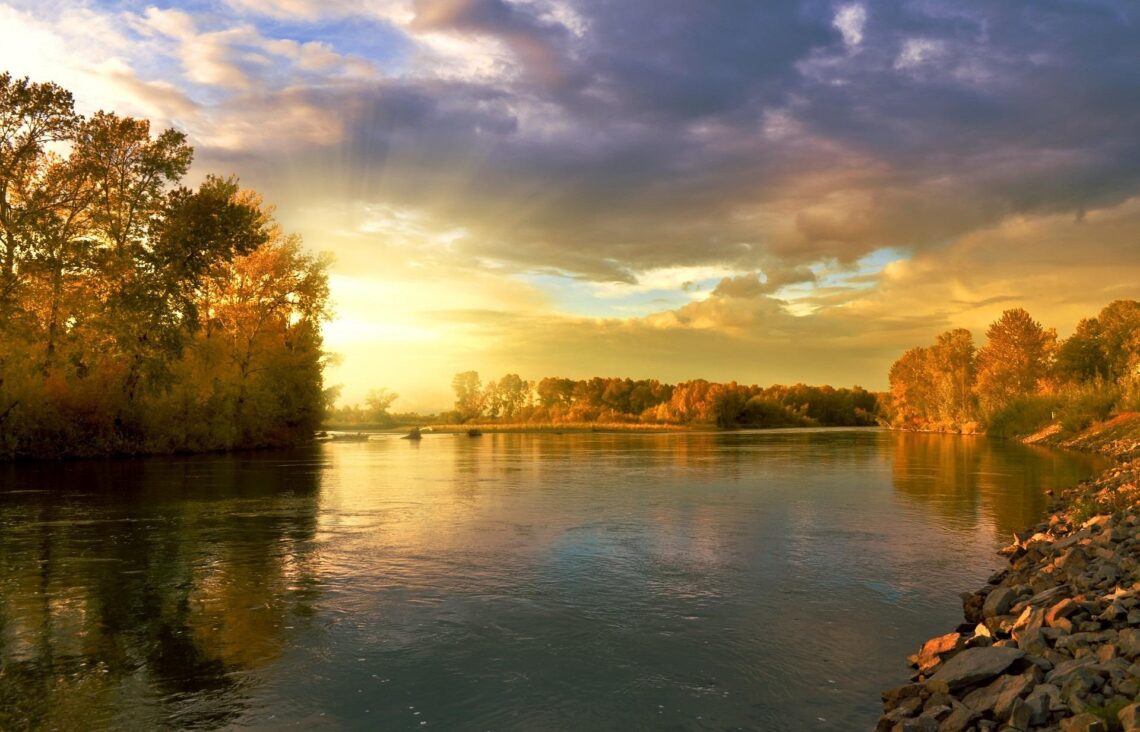
To celebrate the Autumn Equinox, we held a storytelling special deep in the heart of the dark wood, joined by a live audience who took their places around the bonfire… Continue Reading... "128 Autumn Equinox Special 2025"

Welcome to Part Two of the Wildlife Matters article about wildlife species protected by law in the UK. Alongside issues such as wildlife crime and persecution, there is now a… Continue Reading... "127 Britain’s Protected Wildlife Species Part Two"
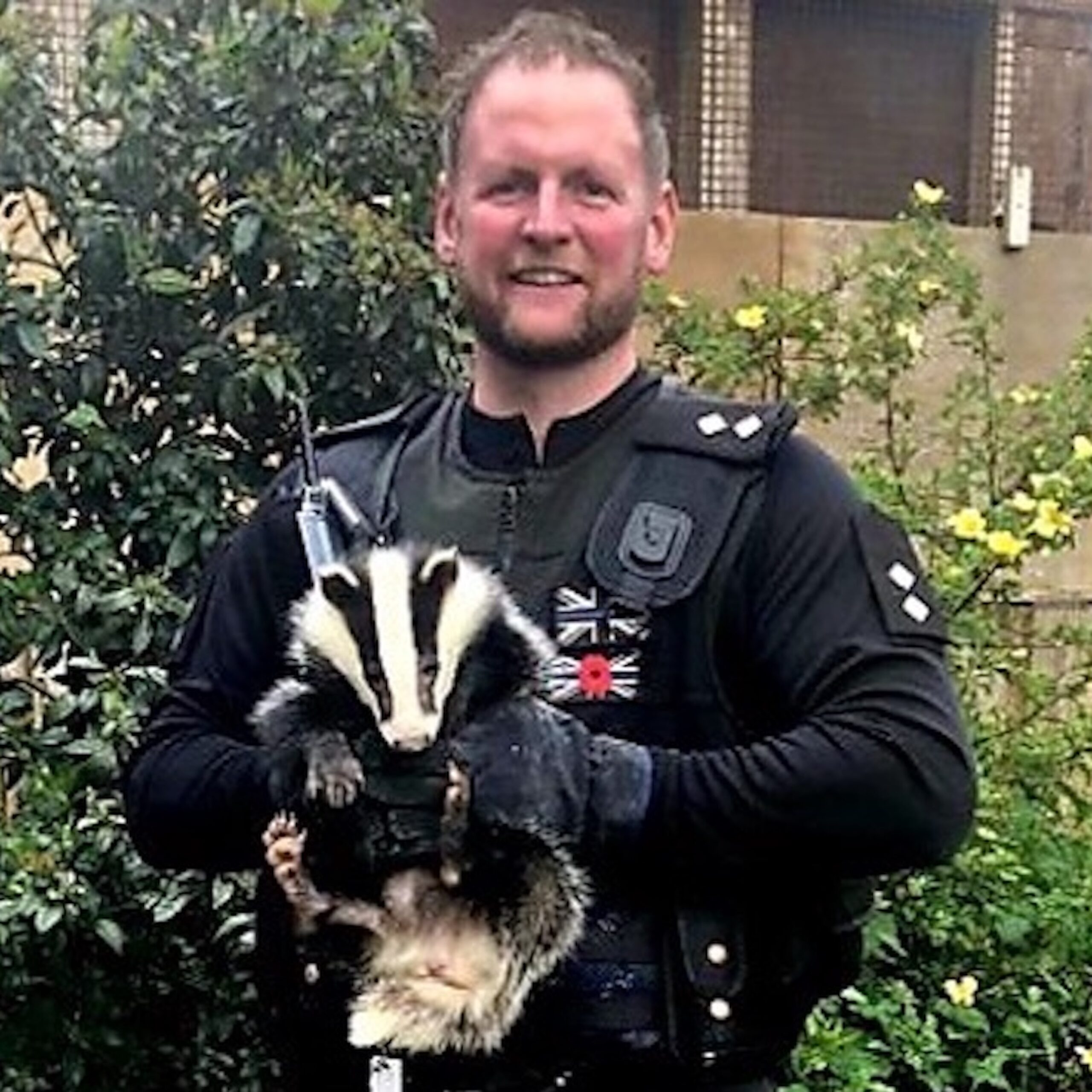
Wildlife Matters campaigns for better protection for our native wildlife. Still, Wildlife protection can be a contentious issue, which is why we want to explain what wildlife protection is and… Continue Reading... "Britain’s Protected Wildlife Species Part One Mammals"
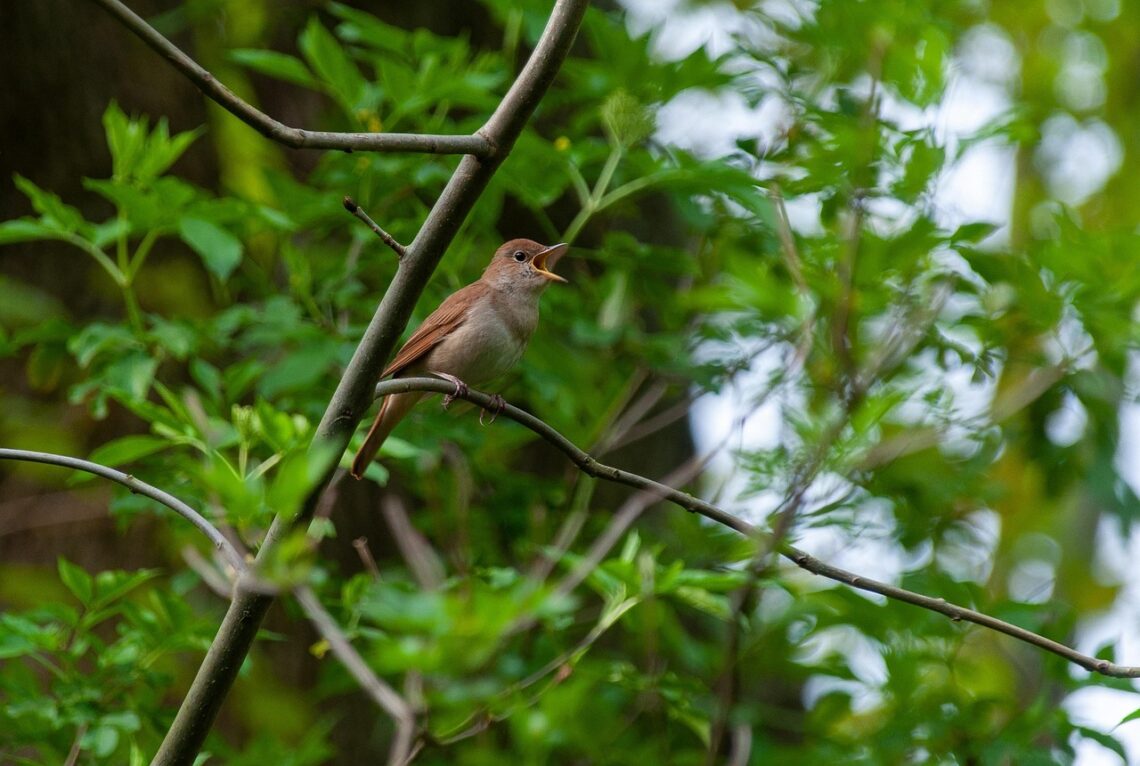
Join Wildlife Matters to discover Night birds, who is that singing at night? A summer evening walk offers the gentle sounds of birds settling into their roosts. Linger a bit… Continue Reading... "125 Night Birds – Who’s that singing at night?"
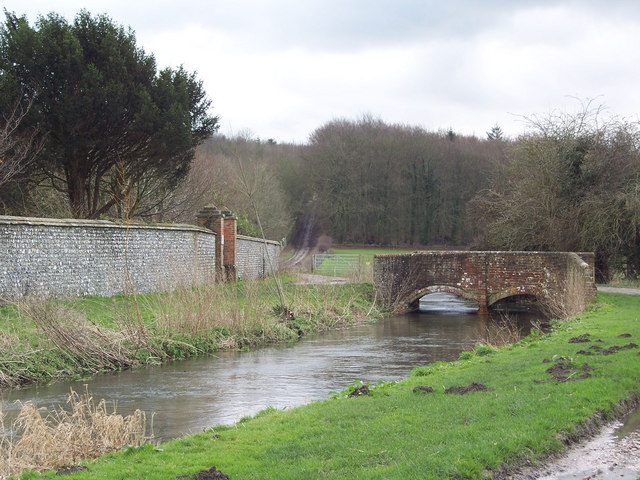
Today, we are walking along one of the local chalk streams, the River Lavant, but for those of you not in the south of England, let me tell you about… Continue Reading... "124 Chalk Streams River Lavant"
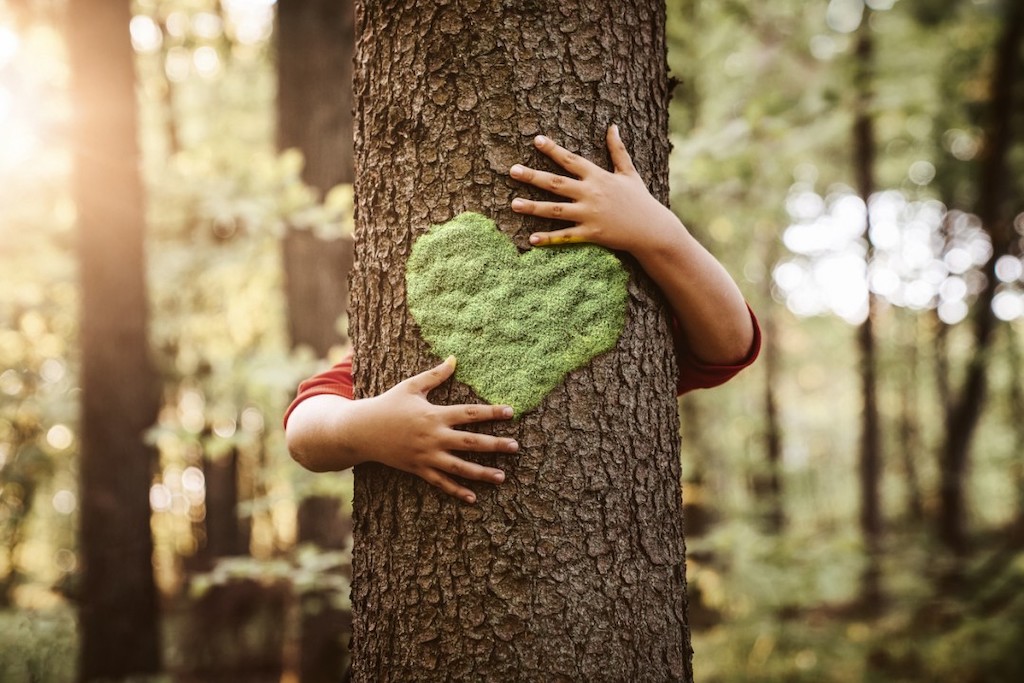
Wildlife Matters Investigates looks at how nature connections can help with your mental health and wellbeing. Continue Reading... "123 Nature Connections – Mental Health and Wellbeing"
In today’s chaotic world, many of us are increasingly aware of our health and well-being. A key aspect of this awareness is the importance of spending more time in nature. Continue Reading... "123 Nature Connections – Mental Health and Wellbeing"
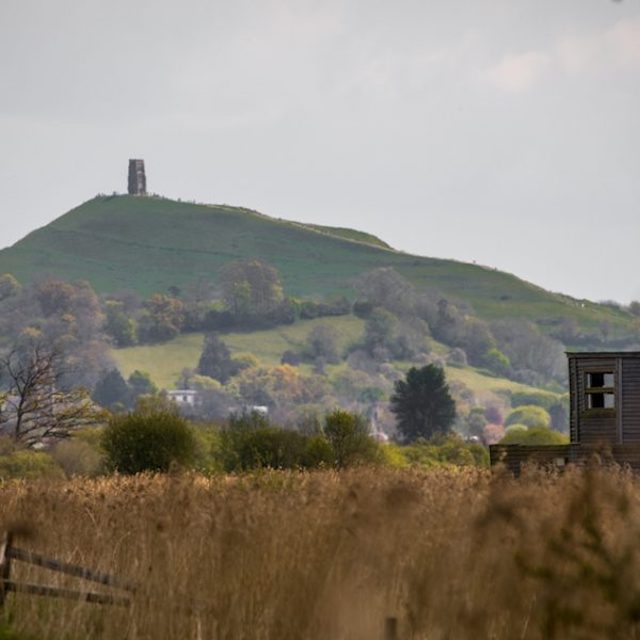
In recent years, we have celebrated the summer solstice at some of the most iconic solstice sites, such as Stonehenge and Glastonbury Tor and this year we take a Solstice… Continue Reading... "122 A solstice walk to Avalon Marshes"
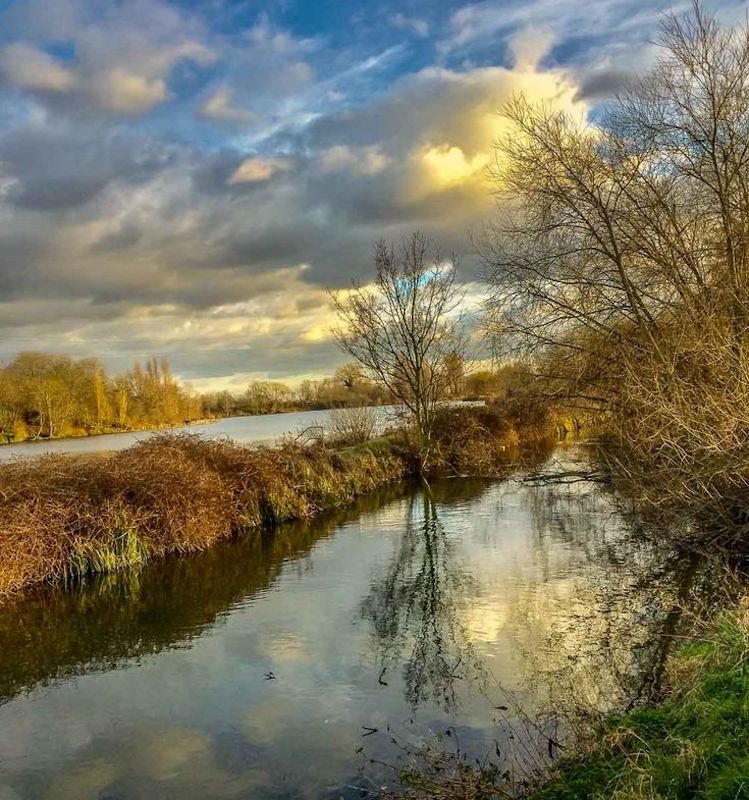
Wildlife Matters returns to East London for Part Two of London’s Wildest Places – Walthamstow Wetlands, the iconic Walthamstow reservoirs, a series of lakes and reservoirs that provide drinking water to much of London on a vast 211-hectare site protected as an SSSI. Continue Reading... "121 London’s Wildest Places – Walthamstow Wetlands Part Two"
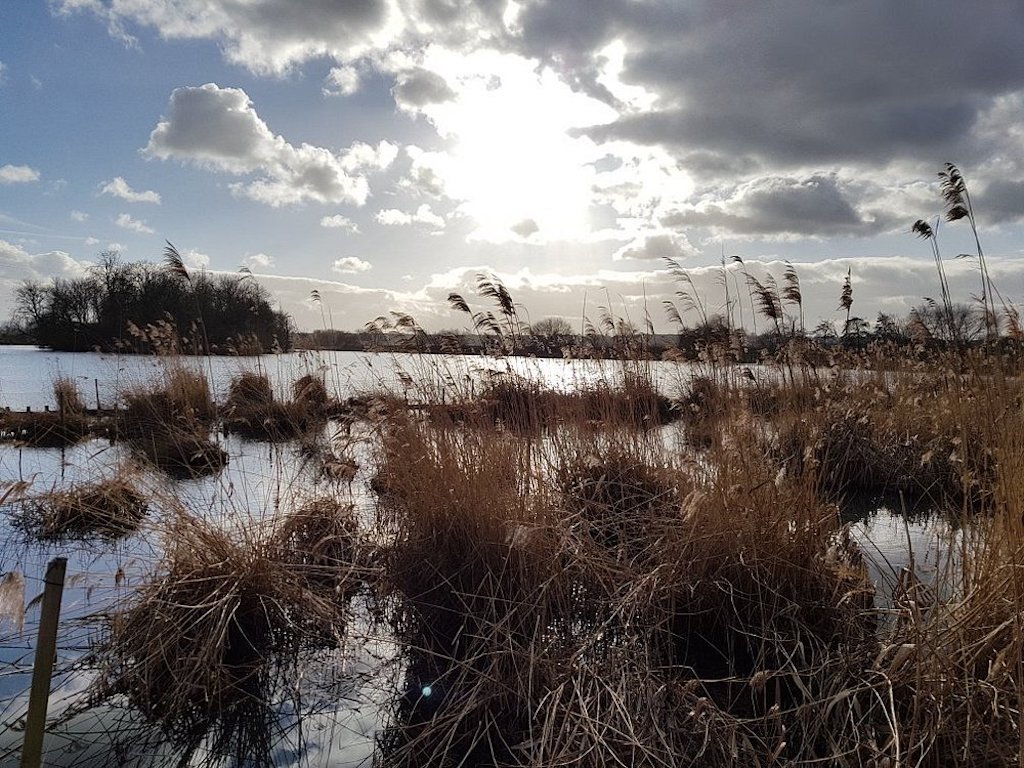
Wildlife Matters continues our quest to discover some of London’s wild places with a first visit to the wonderful Walthamstow Wetlands, a 211-hectare or 520-acre SSSI-protected nature space in East London. Continue Reading... "120 London’s Wild Places Walthamstow Wetlands Part One"
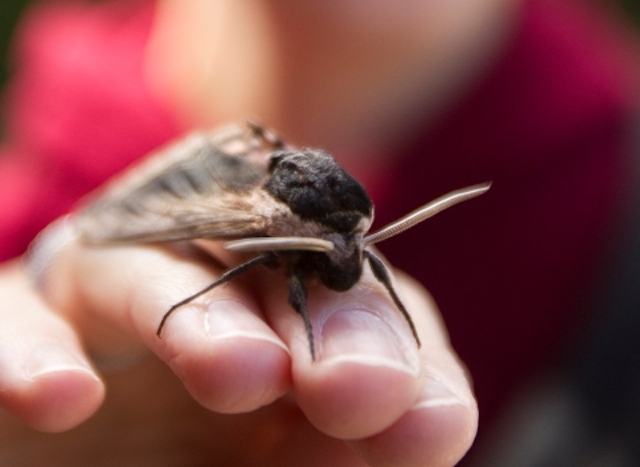
This week, join Wildlife Matters for a Midsummer Moth Walk. June is heading towards the peak of moth activity and a great month to find some fabulous moths. June’s specialities include the Hawkmoths, which are colourful, big, impressive creatures. Continue Reading... "119 Midsummer Moth Walk "
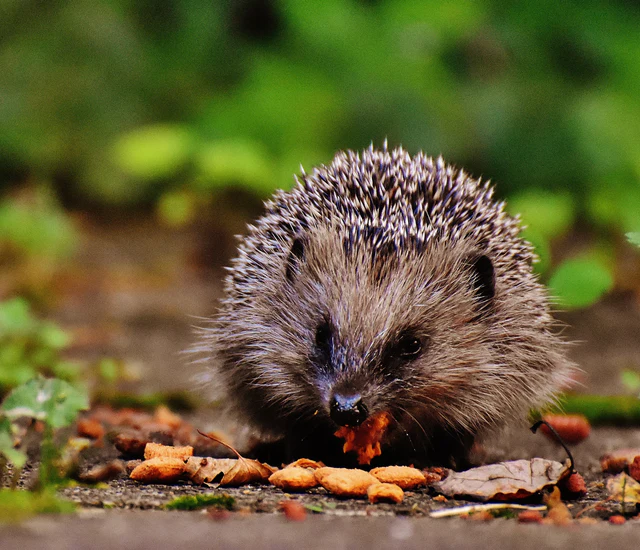
Welcome to Wildlife Matters The Clue is in the Poo – A guide to wildlife poo. Continue Reading... "118 The Clue is in the Poo – A guide to wildlife poo! "
Ecologists can identify animals by their droppings, commonly referred to as scat. Continue Reading... "118 The Clue is in the Poo – A guide to wildlife poo! "
They do this by analysing the characteristics of the scat, such as size, shape, colour, smell, and content. Sometimes they may use DNA analysis from the scat to determine species, individual relationships, population size, and breeding patterns. Continue Reading... "118 The Clue is in the Poo – A guide to wildlife poo! "
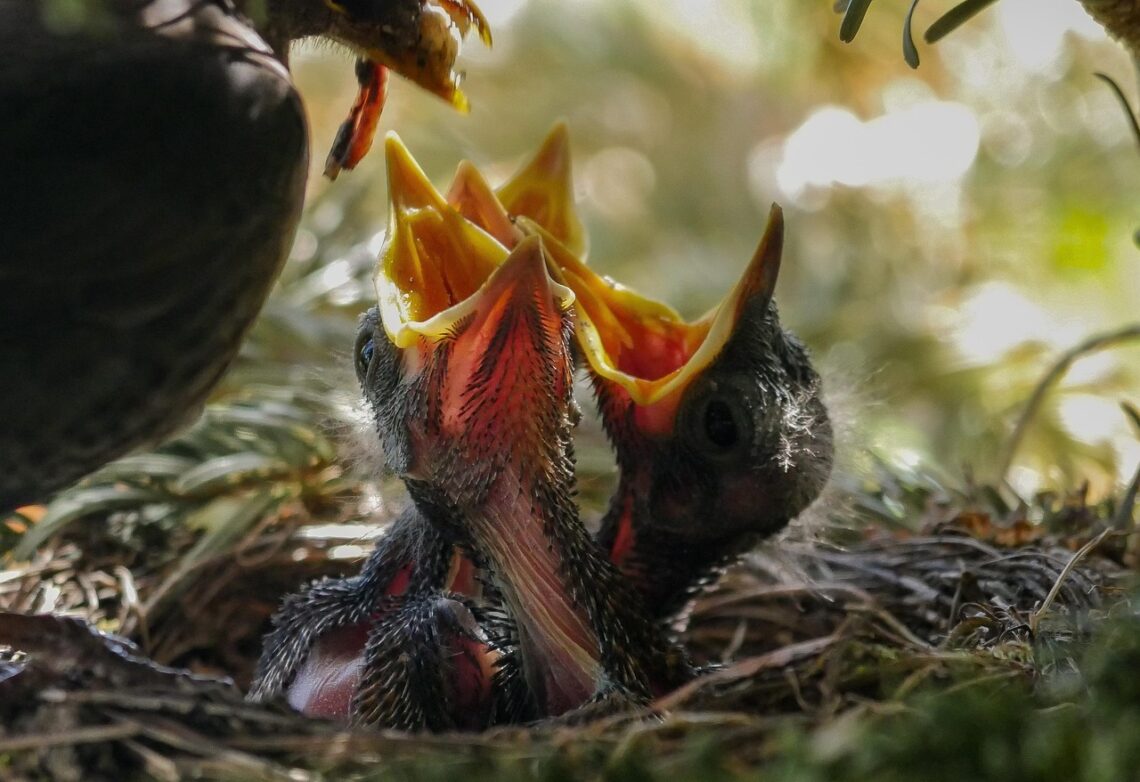
Early Birds – Why are some birds nesting earlier in Britain? Continue Reading... "117 Early Birds – Why some Birds are nesting earlier in Britain"
Spring in the UK marks the start of the nesting season for wild birds, a vibrant chapter in the natural cycle of the seasons. Interestingly, many species embark on their nesting journeys even before Spring officially arrives, and some, like the wood pigeons, choose to nest throughout the entire year, adapting remarkably to their environment. Continue Reading... "117 Early Birds – Why some Birds are nesting earlier in Britain"
This week, join Wildlife Matters for a Midsummer Moth Walk. June is heading towards the peak of moth activity and a great month to find some fabulous moths. June’s specialities include the Hawkmoths, which are colourful, big, impressive creatures. Continue Reading... "116 Exploring Winnie the Pooh’s 100 Acre Wood"
Today, you join us for a Spring Equinox walk to discover the waterfalls of the Ashdown Forest Continue Reading... "115 Waterfall Walk for Spring Equinox"
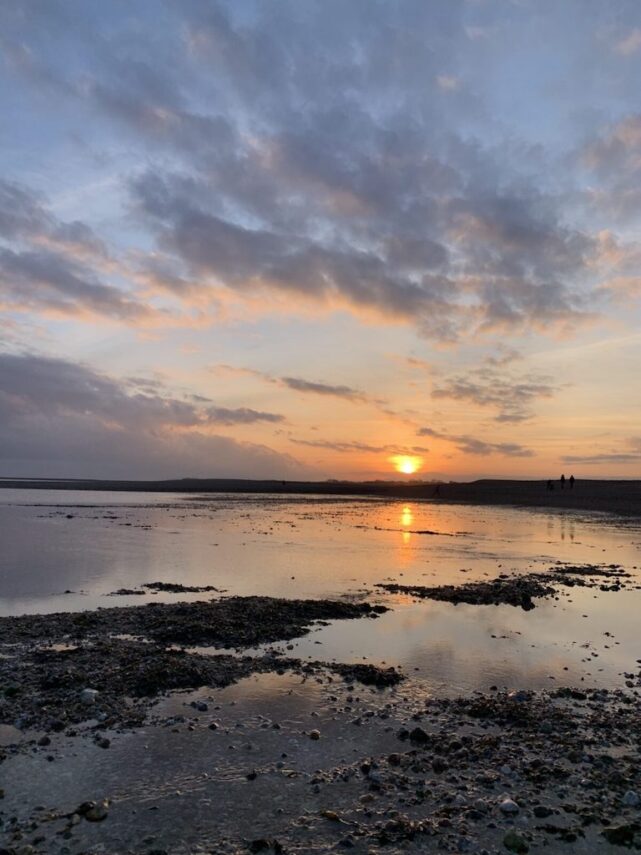
It’s a crisp November morning when I arrive for a winter walk around Pagham Harbour Continue Reading... "114 A Winter Wildlife Walk around Pagham Harbour"
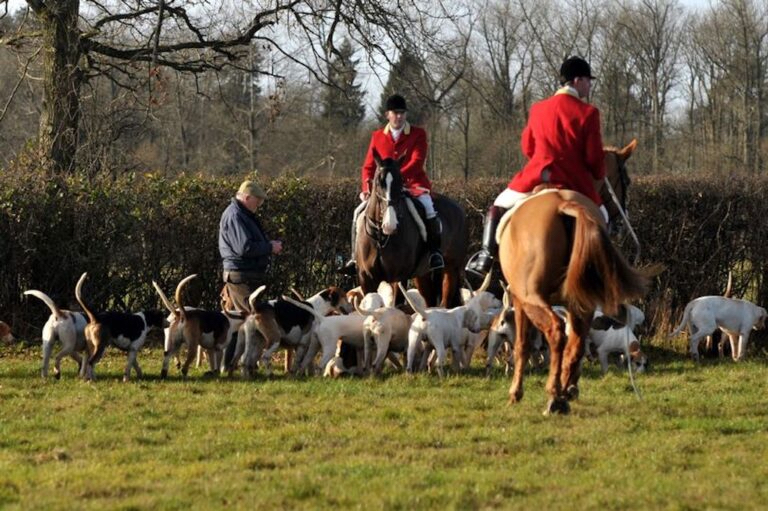
The Hunting Act turns twenty this week, but what does hunting mean to you? This is Wildlife Matters look at the Hunting Act -Twenty Years On. Continue Reading... "113 The Hunting Act Twenty Years On"
If you are one of the 85-90% of people, a consistent outcome in public opinion polls, who want hunting to be entirely stopped in England and Wales, I stand with you. Continue Reading... "113 The Hunting Act Twenty Years On"
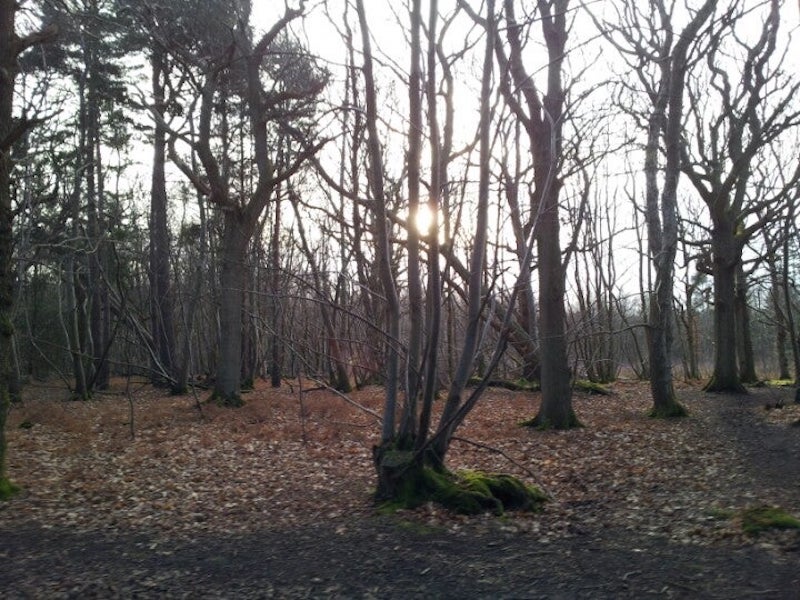
Welcome back to Flatropers Wood in the South Weald. Today, join Wildlife Matters for the second part of our adventure, exploring some of the fascinating wild plants you can find in winter. Continue Reading... "112 Fascinating Wild Plants You Can Find This Winter Part Two"
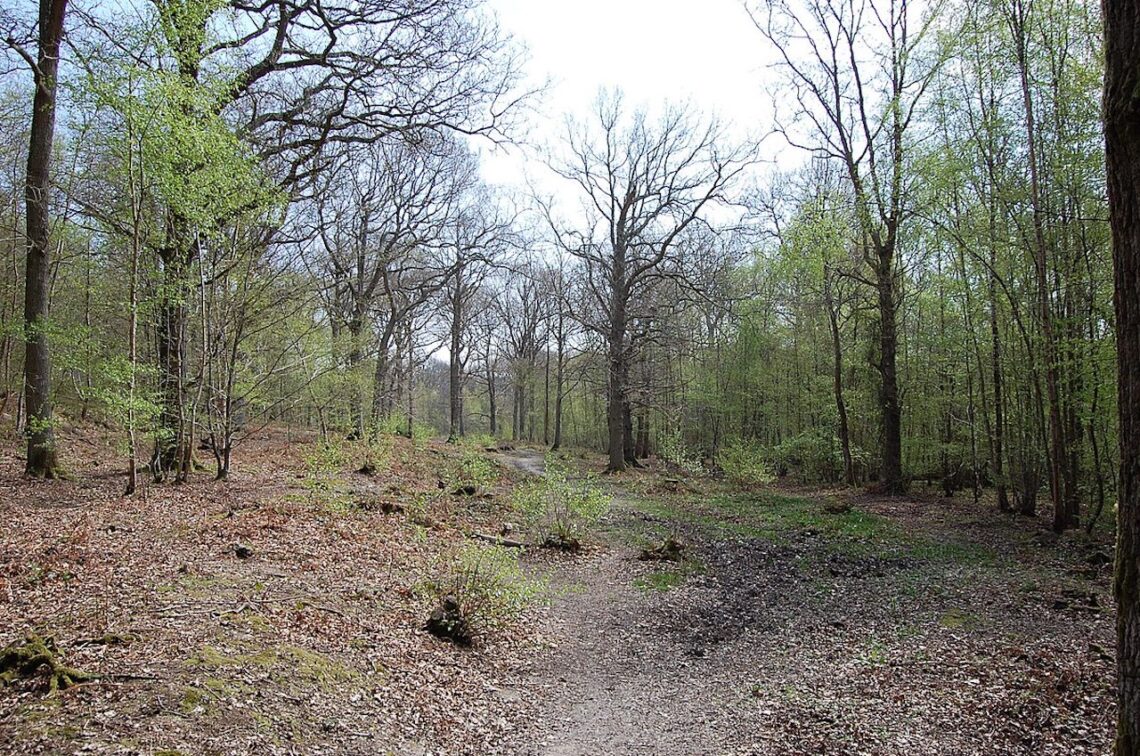
Today, Wildlife Matters has come to explore the High Weald in Flatropers Wood, a beautiful 38-hectare woodland, to search for some of the fascinating wild plants that you can find in the winter Continue Reading... "111 Fascinating Wild Plants You Can Find in Winter Part One"
For our New Year special, Wildlife Matters is embracing nature through storytelling by delving into the folklore of nature and wildlife in a Special Storytelling Event. So join us around the campfire at the heart of the Dark Wood for the second of our stories. Continue Reading... "110 Embracing Nature through Storytelling – New Year Special"

This week, Wildlife Matters delves into the folklore of nature and wildlife in its Christmas Storytelling Special, ‘Embracing Nature through Storytelling.’ So join us around the campfire at the heart… Continue Reading... "109 Embracing Nature through Storytelling – Christmas Special"
Join Wildlife Matters as we head out into the snowy winter woodland to identify wildlife tracks in the snow The snow was still falling when I arrived at the woodland… Continue Reading... "108 Identifying Wildlife Tracks in the Snow"
Sunset at West Pier, Brighton The Magic of Murmuration – A Night with the Starlings is Wildlife Matters’ exploration of the spectacle that is the Starling Murmuration. It is one… Continue Reading... "107 The Magic of Murmatration – A Night with the Starlings"
As I awoke, I was greeted by winter’s transformative touch. Overnight, a pristine layer of snow had gracefully draped the earth, casting a spell of ethereal beauty. Join me for… Continue Reading... "106 A Winter Wildlife Walk"
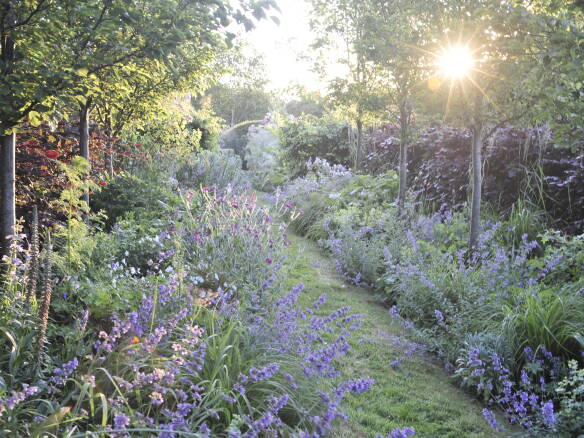
Winter can be harsh for wildlife, with plummeting temperatures and limited food supplies. Here are Wildlife Matters’ Top Tips for Caring for Wildlife in Your Garden During Winter, offering practical… Continue Reading... "105 Wildlife Matters Top Tips for Caring for Wildlife in Your Garden During Winter"
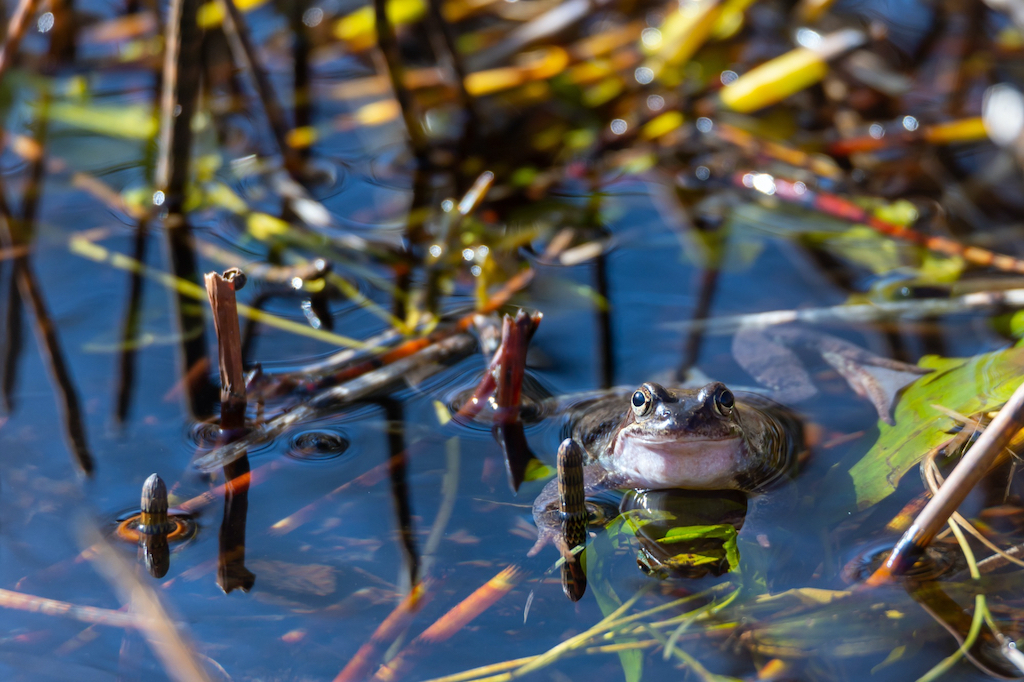
Even in winter, when the water appears calm and your pond may seem lifeless, supporting garden wildlife is crucial. The Wildlife Matters Guide to Looking After a Wildlife Pond in Winter… Continue Reading... "104 Wildlife Matters Guide to Looking after a wildlife pond in winter"
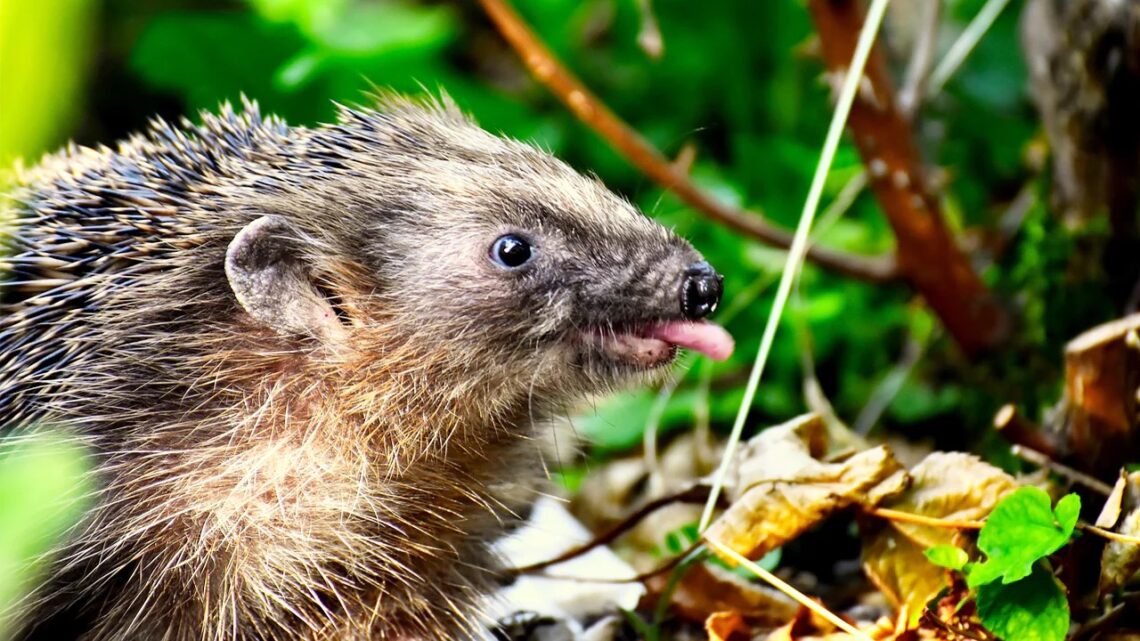
Wildlife Matters guide to helping Hedgehogs this winter. Hedgehogs are delightful creatures that can bring joy to our gardens and benefit from our care and attention. We can encourage these… Continue Reading... "103 Wildlife Matters Guide to Help for Hedgehogs this Winter"
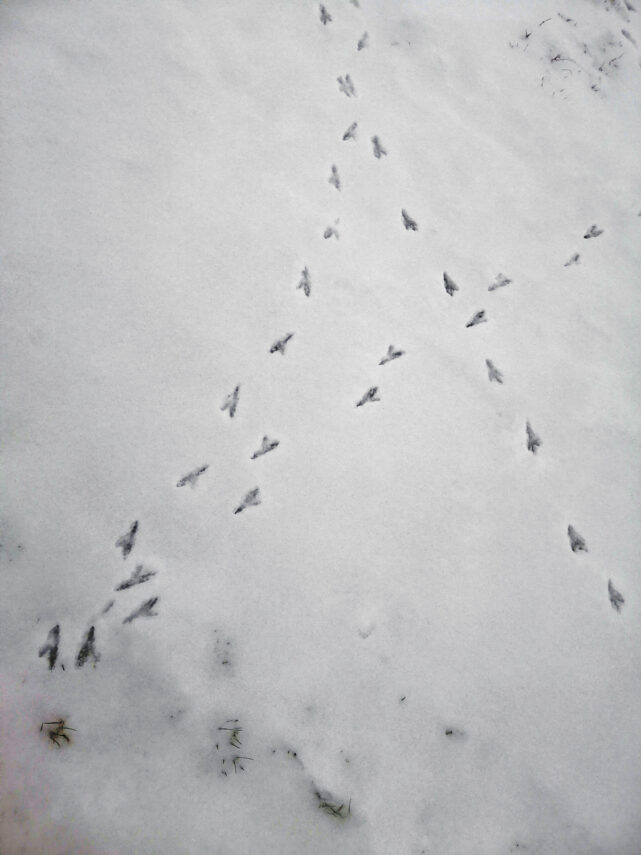
As winter blankets our gardens, outdoor spaces, and countryside in glistening frost and snow, the survival of our feathered friends becomes a crucial consideration. Wildlife Matters Guide: How to Care… Continue Reading... "102 Wildlife Matters Guide – How to look after your Garden Birds this Winter"
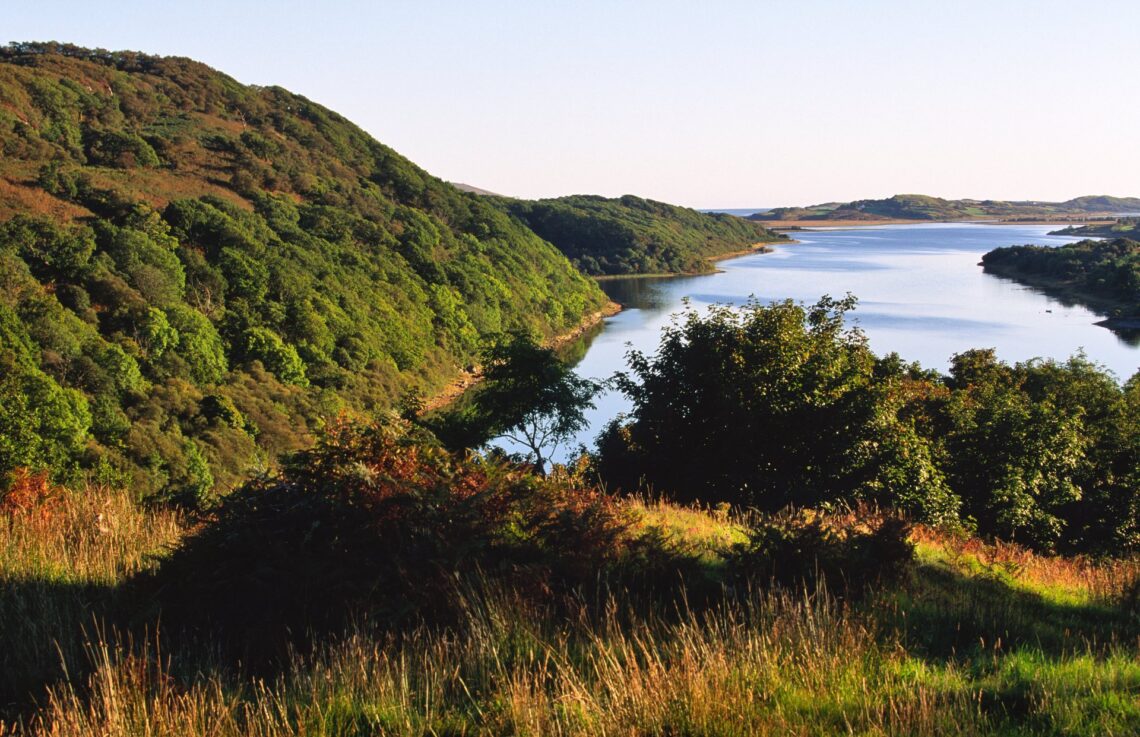
This is the start of a very special and pretty unique adventure exploring Scotland’s ancient rainforest. We are in Argyll, in the west of Scotland, in October. There are many… Continue Reading... "101 Exploring Scotland’s Ancient Rainforest"
Wildlife Matters at 50 – A Celebration Can you believe it? Reaching 50 episodes is a huge milestone! Welcome to our review of over 50 episodes of the Wildlife Matters podcast. This also answers most of the questions you sent me for the Q&A you asked for. I thought it would be good to combine them into our 50th celebrations. Continue Reading... "100 Wildlife Matters Podcast at 50 – A Celebration!"
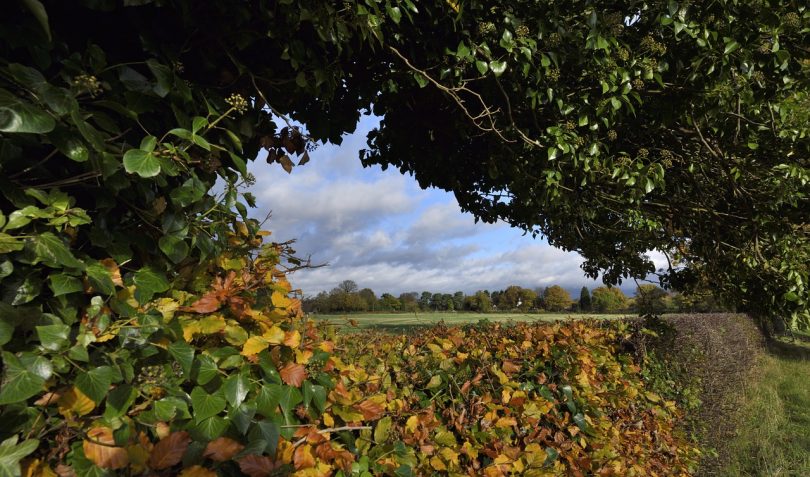
The Rise and Fall of Hedgerows. Hedgerows have been an essential part of the British countryside since Roman times. In fact, Britain’s Hedgerows can be traced back to the Bronze Age and possibly even the Neolithic period. Continue Reading... "099 The Rise and Fall of Hedgerows"
The first farmers in Britain cleared small areas of woodland for cultivation, leaving strips of trees as boundaries. These are considered the earliest forms of hedgerows in Britain. Continue Reading... "099 The Rise and Fall of Hedgerows"
Planting new hedgerows started around Roman times and continued on and off until the mid-18th century, when the Enclosures Act prompted a tremendous surge in hedge planting, mainly around the Midlands. Continue Reading... "099 The Rise and Fall of Hedgerows"
Hedge removal is not a new phenomenon. Many were lost during the Napoleonic Wars when a besieged Britain was threatened with starvation. Continue Reading... "099 The Rise and Fall of Hedgerows"
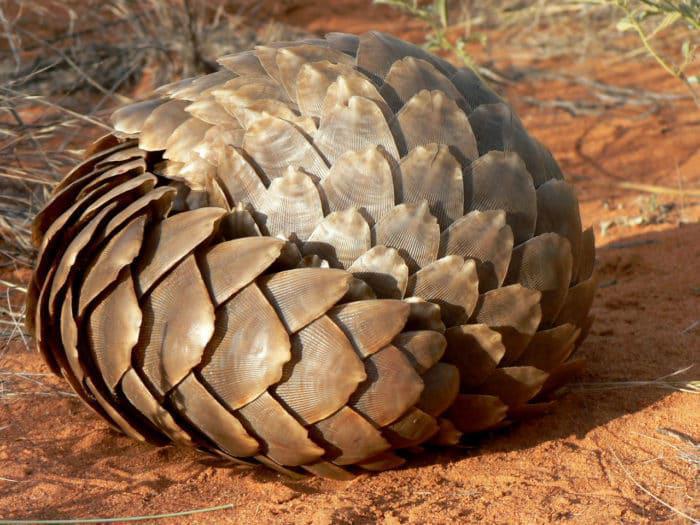
The story of the Pangolin has become tragic in recent years. From their humble origins, these scaly ant-eaters roam through Africa and Asia. The pangolin stands out as the most poached mammal in the wild. It is a unique and fascinating creature. Continue Reading... "098 – Pangolins – The World’s Most Poached Mammal"
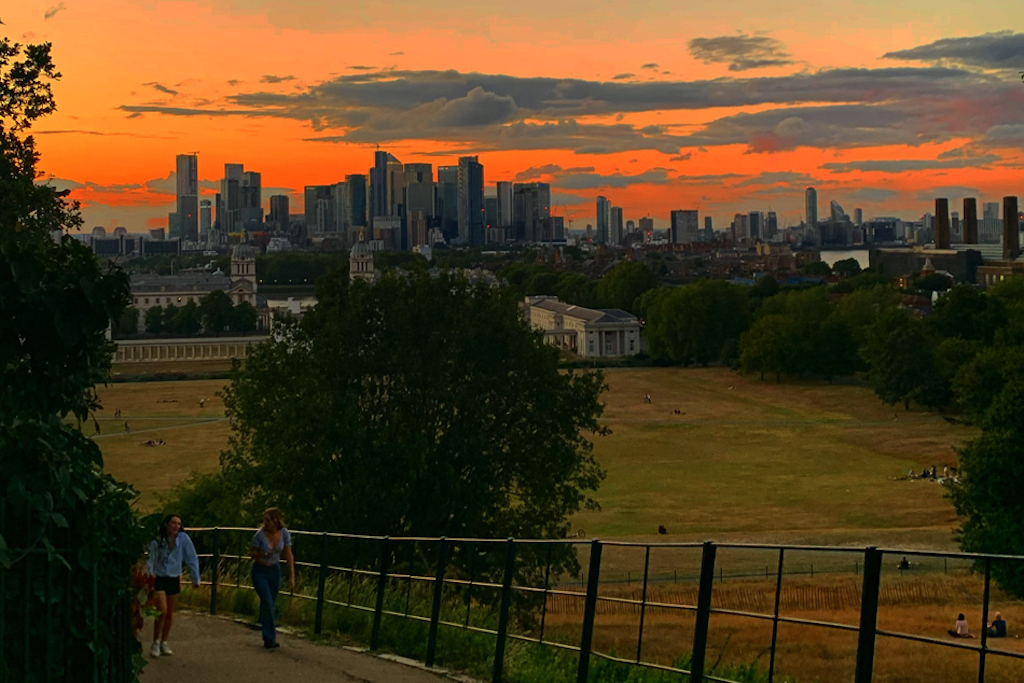
London’s Wildest Places is a new series exploring the wildest places in the capital to see wildlife and nature. London is one of the greenest cities in the world, with some famous parks and green spaces, but there are also some wild places where you can escape the hustle and bustle of the city and immerse yourself in less well-known nature. Today we visit Greenwich Park. Continue Reading... "097 London’s Wildest Places – Greenwich Park"
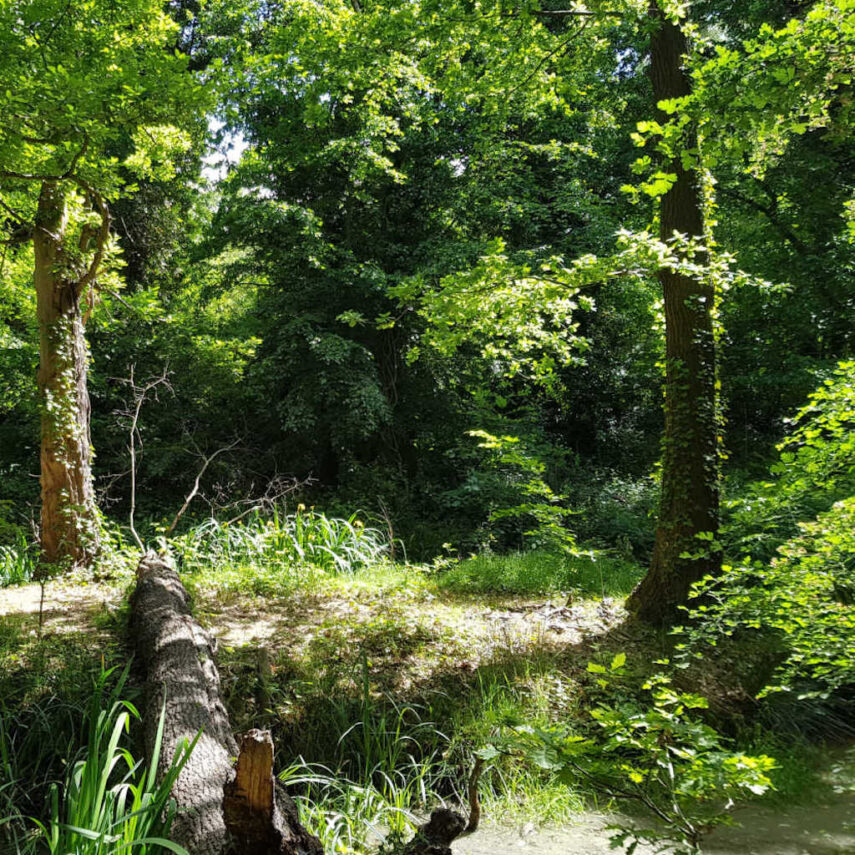
London’s Wildest Places is a new series exploring the wildest places in the capital to see wildlife and nature. London is one of the greenest cities in the world, with some famous parks and green spaces, but there are also some wild places where you can escape the hustle and bustle of the city and immerse yourself in less well-known nature. Continue Reading... "096 – London’s Wildest Places – Sydenham Hill Wood"

Glastonbury town is alive with ancient history and medieval mystique. There is a story waiting to be heard at every street corner, on every pavement, shop or in the magical and mystical marshes that surround the town, in fact magic is alive just about anywhere else you might care to look. To be here for the sunrise on Summer Solstice is going to be an incredible experience. Continue Reading... "095 Glastonbury Summer Solstice Walk"
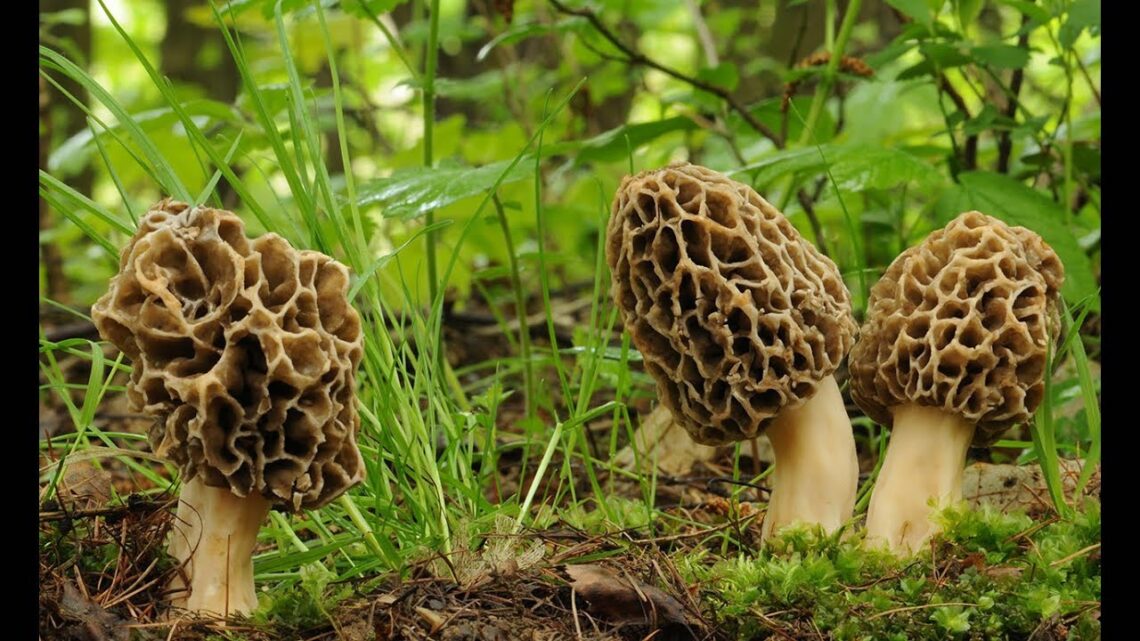
Spring is an excellent time to find fabulous fungi when walking in nature or, if lucky, in your garden. Continue Reading... "094 Fungi Forage in Spring"
So today, we are at a favourite spot where I will find some fabulous spring Funghi. Some are edible, and some are not, but all are worth looking out for from late April through early June. Continue Reading... "094 Fungi Forage in Spring"
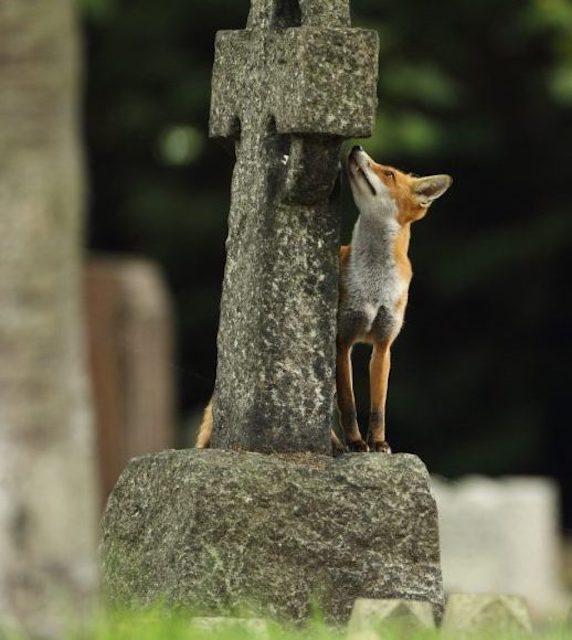
Wildlife Matters explores Britain’s wildest cities, where urban wildlife survives and flourishes. To begin, we’ll explore some of the fascinating wildlife in London, their habitats, and the challenges they face in an urban environment. Continue Reading... "093 London’s Wildest Places – West Norwood Cemetery"
While London is most commonly associated with bustling streets, iconic landmarks, and vibrant city culture, another side of the capital is worth exploring: its diverse wildlife. Continue Reading... "093 London’s Wildest Places – West Norwood Cemetery"
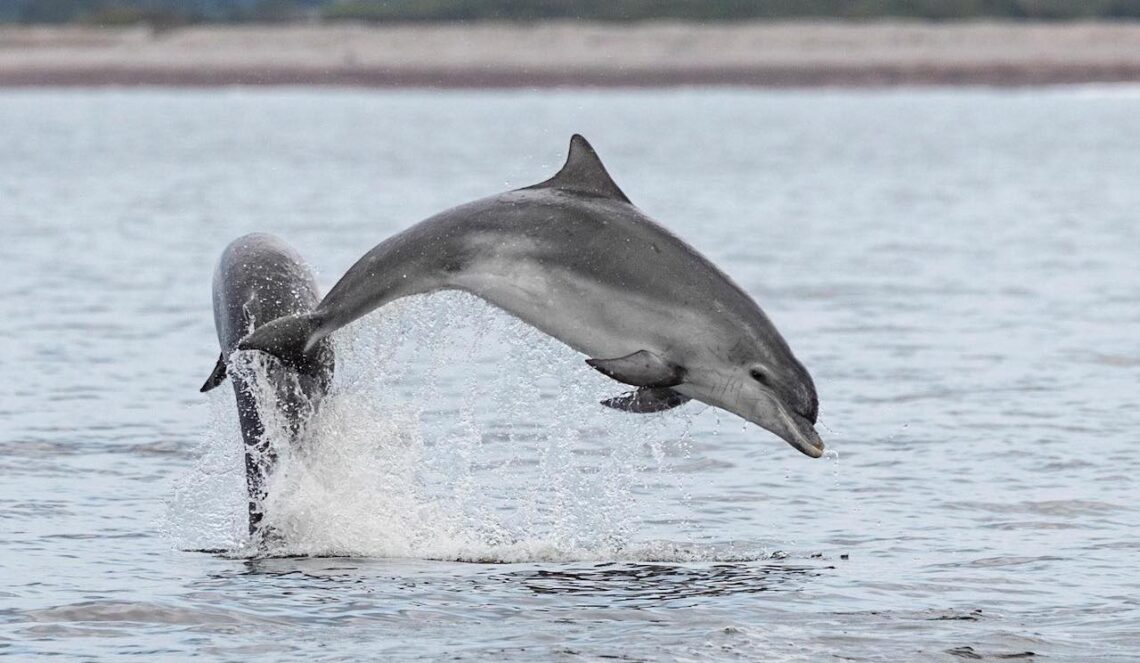
This week, Wildlife Matters sets off in search of some beautiful wild mammals that are rarely seen by most of us. They are not all rare, although more about that later, and they are not nocturnal. So, what are these elusive wild mammals, and where do they live? We began searching for the dolphins and Porpoises you can find in Britain’s seas. Continue Reading... "092 An introduction to British Dolphins and Porpoises"
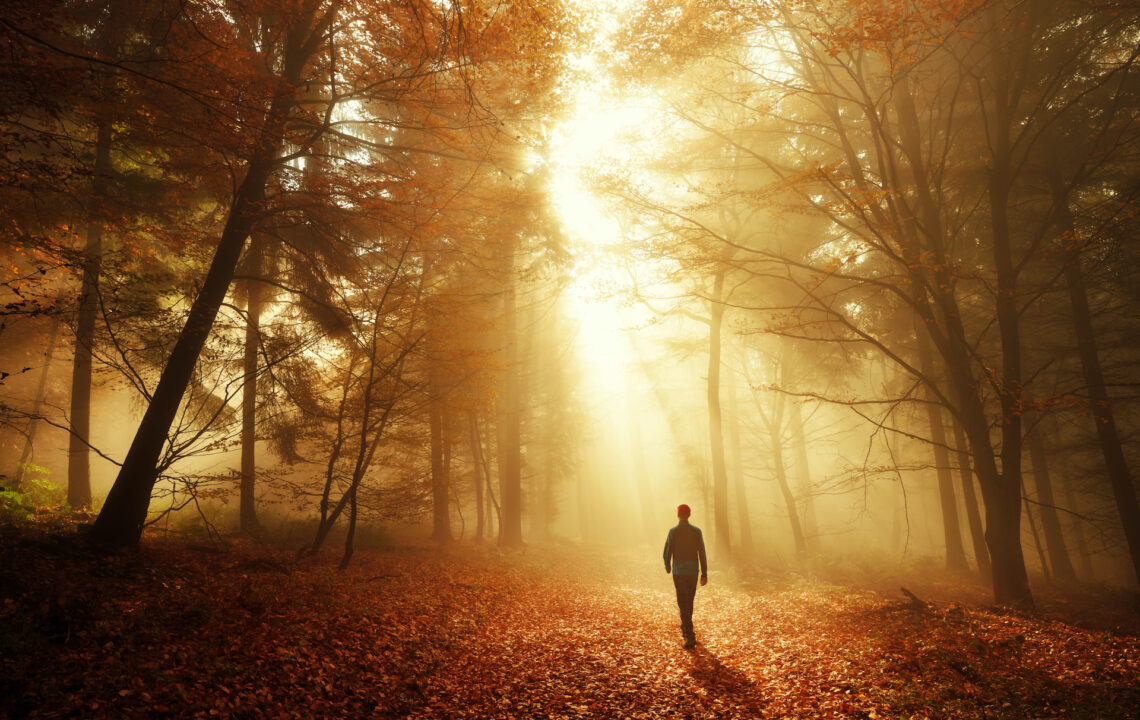
Modern life often keeps people indoors and in urban areas, disconnecting them from nature. We should view nature as an integral part of our lives, not just something to visit or manage for resources and profit. Continue Reading... "091 Can being in Nature improve your physical health"
More specifically, the Avian Influenza virus changed – or, to be factual, it mutated. Something we are more aware of following that other virus that shut down the world and confined us all to our own homes for months, also back in 2020. The H5N1 Avian Influenza virus has spread further than ever among wild bird populations but has also developed the ability to jump species, specifically into mammal species. Continue Reading... "090 AI spreading around the world – Bad News It’s Avian Influenza!"
Are you ready to welcome spring with open arms? It’s time to put away those winter coats and enjoy the outdoors! And what better way to do that than by exploring the wonderful nature in your local area? Continue Reading... "089 Spring Equinox Special"
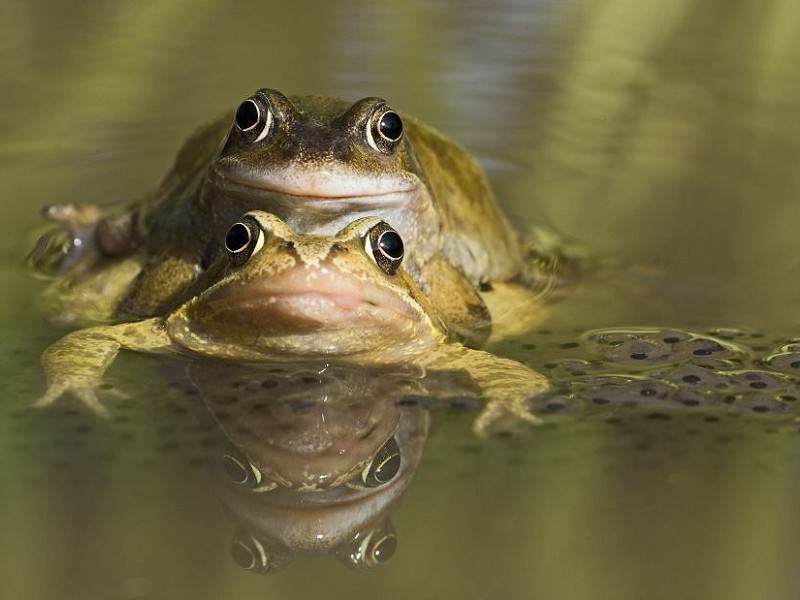
Common frogs have smooth, moist skin, a slightly longer back leg and a more angular head and body shape than common toads. Continue Reading... "088 Common Frog"
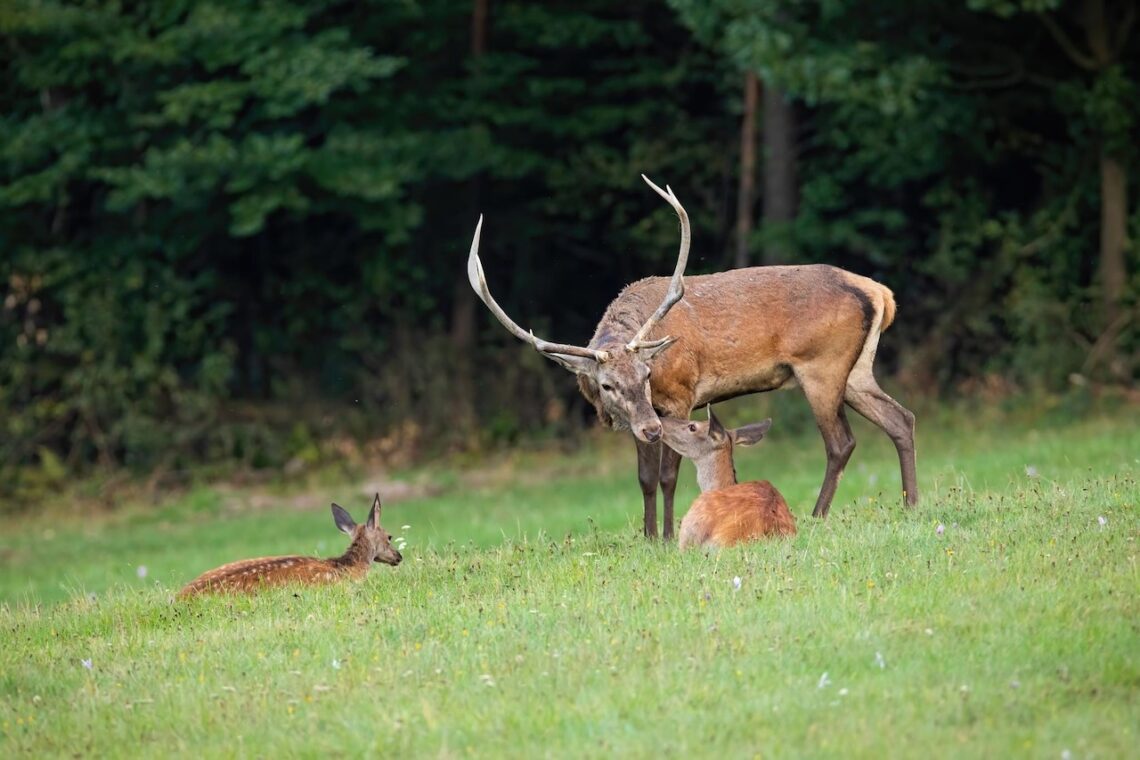
Male honeybees sacrifice their lives for the chance of becoming a dad. They can mate with the queen bee an average of seven to ten times — mid-flight! — before their endo phallus (penis) is finally ripped off of their body! Continue Reading... "087 Some of the Unbelievable Way’s Wildlife Finds a Mate"

As we sat silently, enjoying the beautiful night, two Beavers had left their den below the dam and ventured out into the pond. The night was still, but there wasn’t a lot of light from the moon. There was enough to see the beavers shimmering in the silvery reflections from the water Continue Reading... "086 – Beaver Watching in Devon"

I recently joined a small group of dedicated individuals. Who were assembled in a remote car park. The day was changeable or, as my Scottish friends would say, ‘Mizzle’ –… Continue Reading... "085 The Return of the Golden Eagle"

The Common Hazel tree is a remarkable and essential part of British wildlife. Not only does it provide food and shelter for wildlife, but it also has significant medicinal and historical value. From being used in herbal medicine to serving as a source of protein-packed food, hazel trees play a vital role. Additionally, its folklore and cultural significance make it a truly magical and underrated tree in today’s world. Continue Reading... "084 Britain’s Trees – The Hazel tree"

In part two of our introduction to the Corvids of Britain, we meet three captivating species: the distinctive Chough, the intelligent and bold Magpie, and the colorful and shy Eurasian Jay. From the Chough’s acrobatic flights and Welsh legend to the Magpie’s vocal range and caching behavior, and the Jays’ woodland habitat and role in oak tree regeneration, these birds enchant and intrigue with their unique characteristics and behaviors. For in-depth reads, visit the RSPB and Woodland Trust websites. If you love wildlife, check out the Wildlife Matters Podcast for more fascinating content! Continue Reading... "Blog 083 An Introduction to British Corvids Part Two"
Suddenly, it lunged at me, but then the dark presence retreated, and I saw a Snow Bunny before me. Continue Reading... "Blog 082 2023 Christmas Special The Snow Bunny"
I was confused because the Snow Bunny and the Dark Smoke were fictional characters from a fairy tale, but there it was, in front of me. Continue Reading... "Blog 082 2023 Christmas Special The Snow Bunny"

Hedgehogs have captured hearts worldwide, inspiring folklore, culture, and adoration. From ancient legends to modern tales, these spiky creatures symbolise wisdom, luck, and intelligence. Throughout history, they’ve been revered for their cunning and resilience, with diverse myths attributing their magical powers. These enduring creatures remind us of their importance in our world. Continue Reading... "Blog 081 Christmas 2023 Hedgehogs in Folklore"

This captivating article delves into the fascinating world of British corvids, highlighting their intelligence, behavior, and unique characteristics. From the majestic Raven to the sociable Rook, and the adaptable Carrion Crow and Hooded Crow, to the charming Jackdaw, each species offers a glimpse into the diverse and intriguing world of corvids. Stay tuned for part two, where we explore the remaining native British corvids – the magpie, the Jay, and the chough. Continue Reading... "Blog 080 An Introduction to British Corvids Part One"
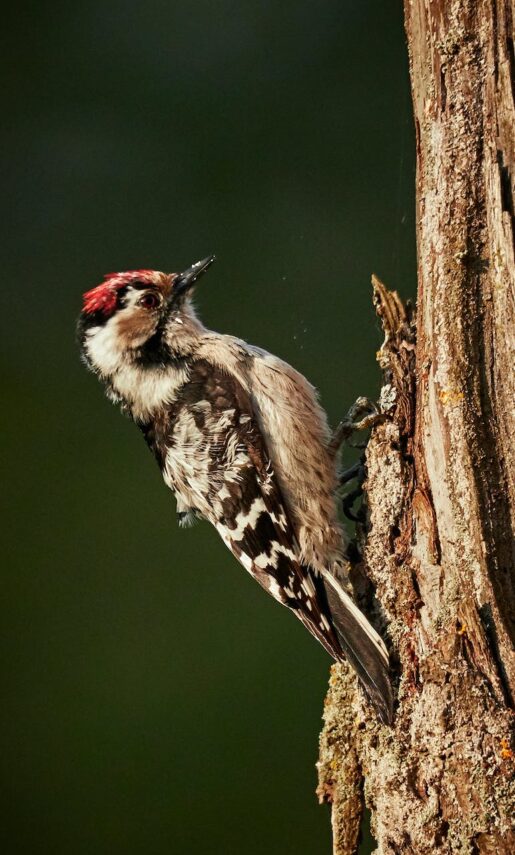
Discover the captivating world of UK woodpeckers – from the distinctive great spotted woodpecker with its striking red patch to the diminutive lesser spotted woodpecker, and the unmistakable green woodpecker with its vibrant green plumage. These majestic birds exhibit remarkable behavior, from drilling into trees with their powerful beaks to nurturing their young. Delve into their enchanting world as they thrive in woodlands and gardens across the country. Continue Reading... "Blog 079 Britain’s Native Woodpeckers"
The Red Grouse shooting season, known as the Glorious 12th, is a cruel spectacle concealed by its grand title. Wildlife Matters shines a light on the disturbing truth behind driven grouse shooting. This barbaric practice not only inflicts senseless suffering on birds but also damages the environment. Our courageous team embarks on a mission to disrupt and thwart the grouse shoots, standing as fierce protectors of wildlife. Engage with our cause and help us put an end to this needless cruelty. Continue Reading... "078 The Grouse shoot is over for today"
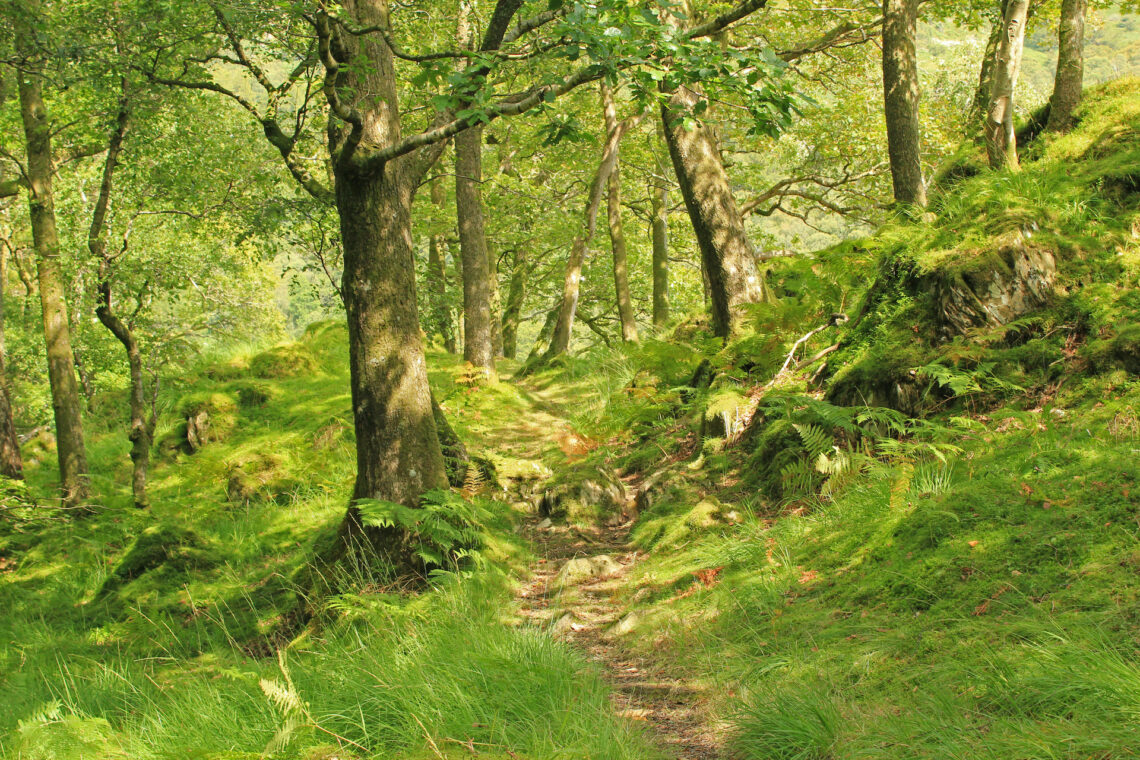
The English oak holds a significant place in British history and culture. From providing wood for prestigious buildings and furniture to supporting diverse wildlife, these trees are crucial to the ecosystem. Oak trees are deeply intertwined with folklore, indicating weather patterns and serving as symbols of strength. Place names across the British Isles reflect the close relationship between oak trees and the people, highlighting their enduring impact on the landscape. Continue Reading... "077 Trees of Britain – The Mighty Oak"

The world of foxes is captivating, and witnessing a fox family grow and thrive is truly remarkable. As the season changes from winter to spring, we follow the Vixen and the Dog Fox as they welcome and nurture their cubs. From the early days in the den to the cubs’ playful antics and development, the bond within the fox family is heartwarming. Continue Reading... "076 – Foxy Facts – Foxes in Springtime"
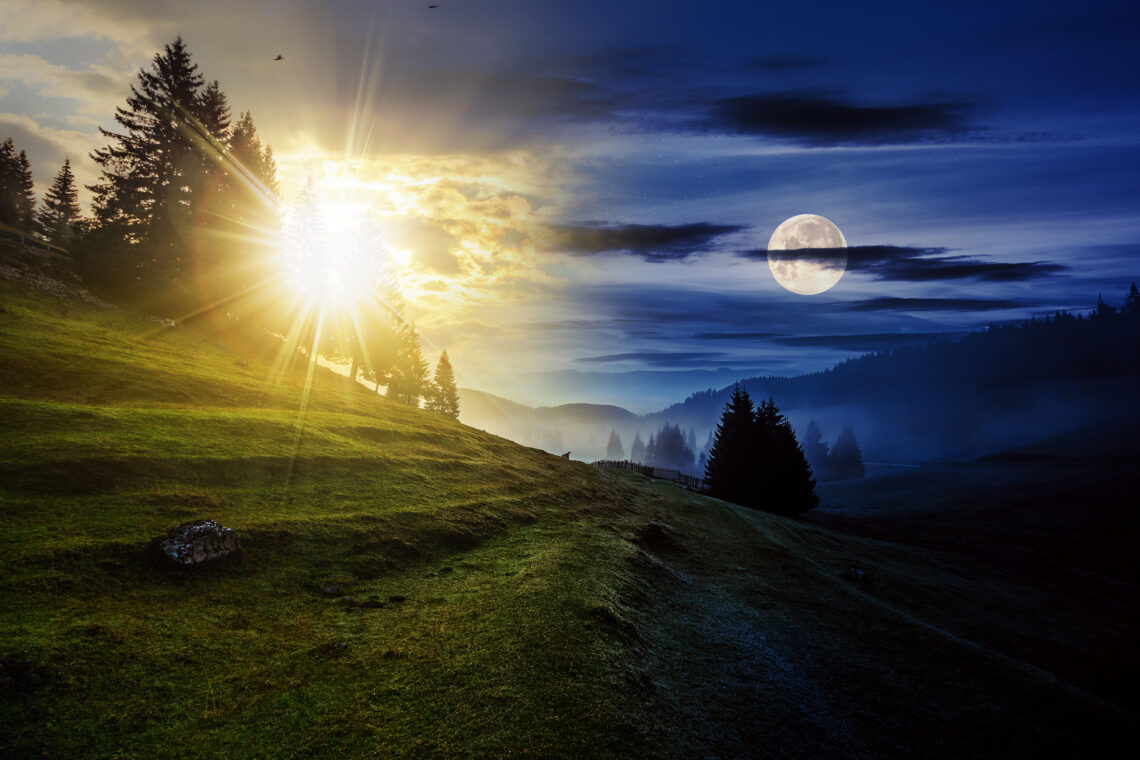
Finding a quiet place to sit and reflect on the seasons passing by is one of the best ways to reconnect with nature. You can use this time to meditate or just be in silence and let yourself become one with nature again. Continue Reading... "075 Autumn Folklore Special – Story Two Why The Leaves Turn Red"
Mabon is also a time for reflection, on the year that has passed and planning for the year to come. It’s a good time to let go of things holding you back. Continue Reading... "075 Autumn Folklore Special – Story Two Why The Leaves Turn Red"
A seasonal feast with family and friends and burning dried wild herb bundles is a wonderful way to celebrate the autumn equinox. Continue Reading... "075 Autumn Folklore Special – Story Two Why The Leaves Turn Red"
To celebrate autumn, I am bringing you two autumn folklore stories. Continue Reading... "075 Autumn Folklore Special – Story Two Why The Leaves Turn Red"

Today we are trying something different. As the seasons change, nature responds; in autumn, nature provides us with bountiful harvests and time to reflect and look forwards as we plan… Continue Reading... "074 Autumn Folklore Special The Story of Modron"

Badgers are fastidious creatures and constantly change their bedding. Already this year, one of my trail cameras filmed a sow badger bundling grass and other vegetation under her chest, which was held in place with her forepaws before she jerkily moved backwards to carry the material underground into her sett. Continue Reading... "073- Badgers in Springtime"
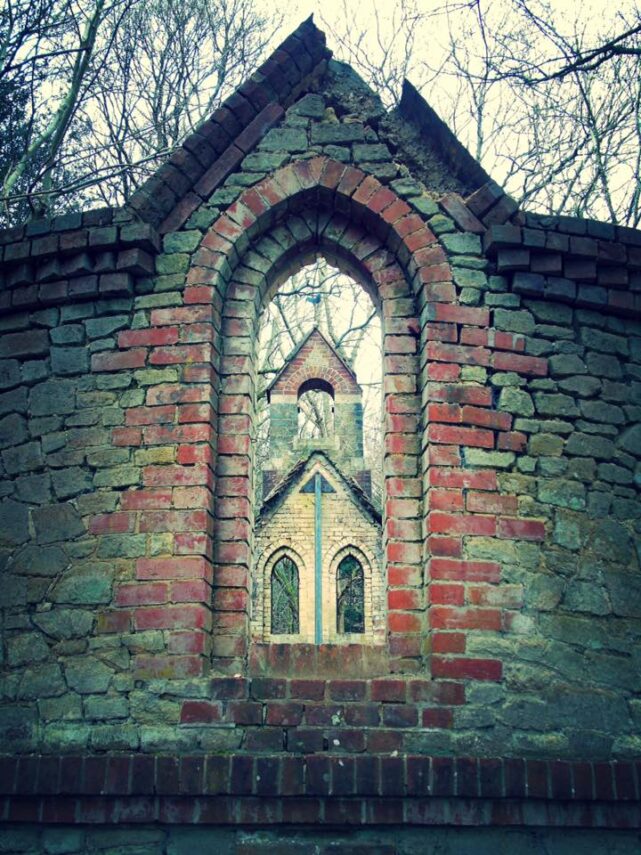
The journey through ancient woodland and historic landmarks reveals a fascinating past. From remnants of charcoal kilns to towering yew trees, each element tells a story of bygone eras. Descending into the Ghyll Valley, the landscape unravels further secrets, from traditional woodland management techniques to the diverse fungi population. Finally, the exploration leads to the semi-derelict Church of Saint Michael and All Angels, encapsulating the rich history of Bedham village. Continue Reading... "072 A meander around the Mens Nature Reserve Part Two"
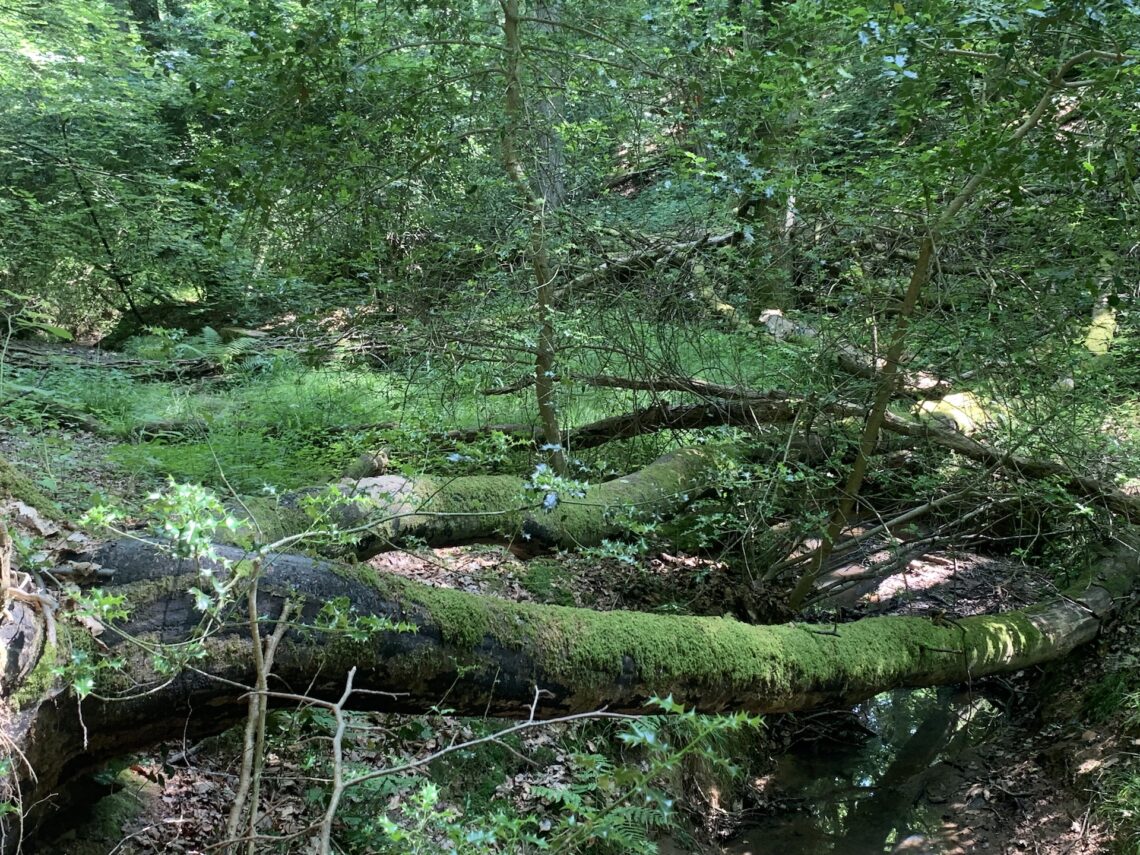
The Mens Nature Reserve, an ancient woodland in Sussex with a rich history, showcases Anglo-Saxon remnants. Grassy tracks lead to an old saw pit and a remarkable wild service tree, thought to be centuries old. The woodland boasts diverse flora and fauna, including rare fungi and numerous bat species. The exploration continues beyond the woodland into Badlands Meadow, where vibrant wildflowers and herbs thrive. Join us for part two, exploring more natural wonders. Continue Reading... "071 A meander around the Mens Nature Reserve"
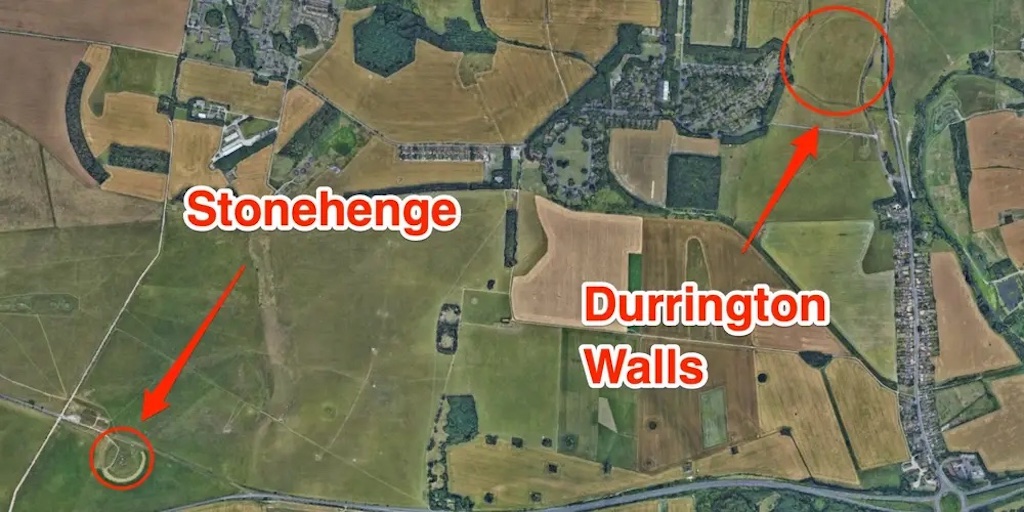
On the Summer Solstice of 2023, a journey through ancient landscapes near Stonehenge unfolded at daybreak. Starting at Durrington Walls, a walk through Woodhenge and Cursus Barrows revealed glimpses of Neolithic timber monuments and burial mounds. The path led to Stonehenge just as the sun rose, marking the end of a mystical pilgrimage. The Monarch of the Plain, a significant bell barrow, provided a fitting conclusion to the adventure. Continue Reading... "070 A Solstice walk to Stonehenge A Bronze Age Adventure"

Bats are misunderstood on so many levels. This might be because they are nocturnal, or maybe because they like to roost hidden away, that they avoid artificially lit areas. The truth is bats are all around us, whether you live in the city’s centre, in a town or rural village. Continue Reading... "069 – An introduction to British Bats"
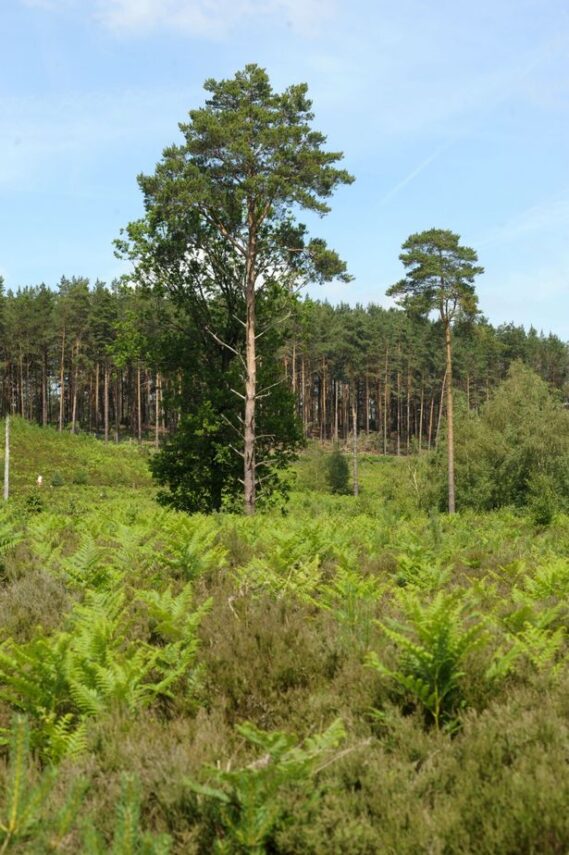
Clearly, by its very nature, finding Britain’s Rarest Woodland plants is a challenge – so settle down with a drink and some biscuits and get ready for Part two. Continue Reading... "068 Britains Rarest Woodland Wildflowers Part Two"
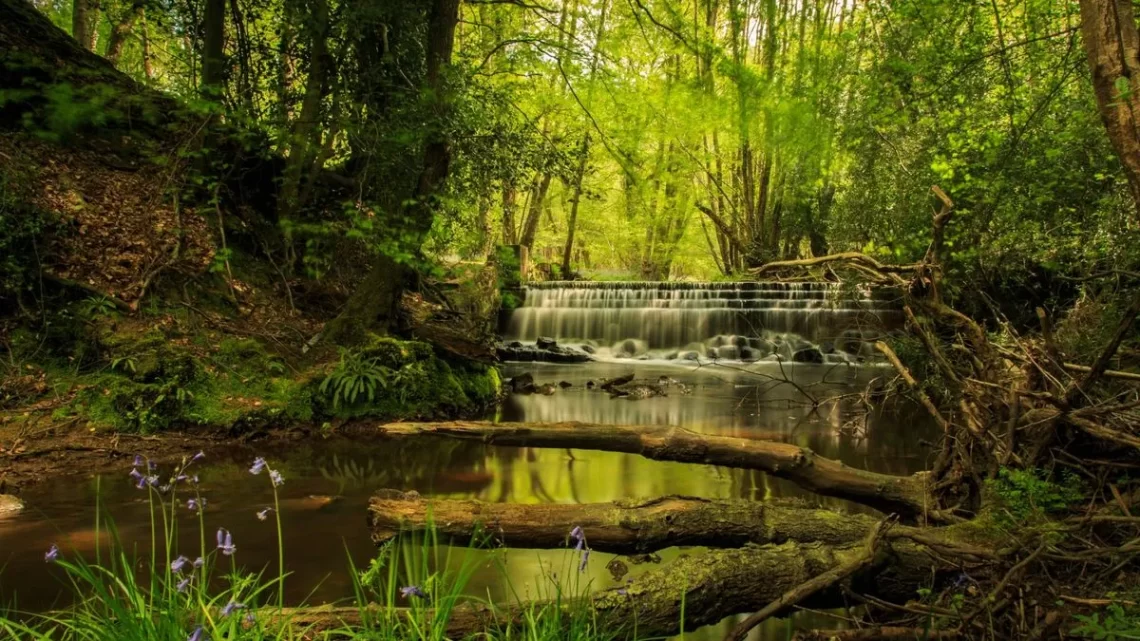
After visiting a local nature reserve and discovering I had found and pictured a rare wildflower in the UK, I thought looking at some of the rarest wildflowers in Britain’s… Continue Reading... "067 Britain’s Rarest Woodland Plants Part One"
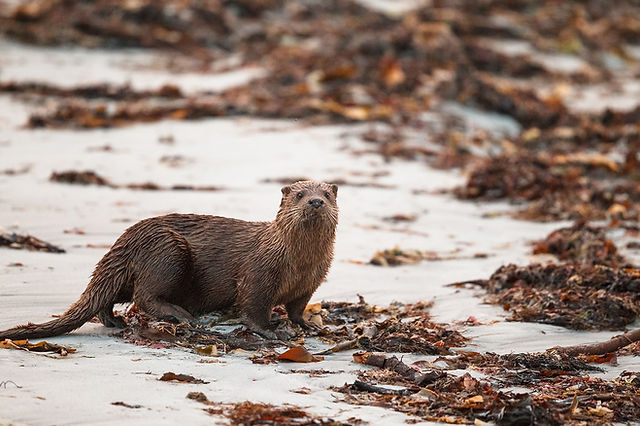
As the sun started to rise, I noticed some ripples forming on the surface of the sea near me. I took a deep breath and readied my camera, setting the lens and placing my finger on the button. Suddenly, a male otter emerged from the water, first with just its head and front claws holding a clamshell, before it flipped onto its back and began devouring the shellfish. After a few moments, it disappeared back into the ocean. Continue Reading... "066 A day watching Otters"
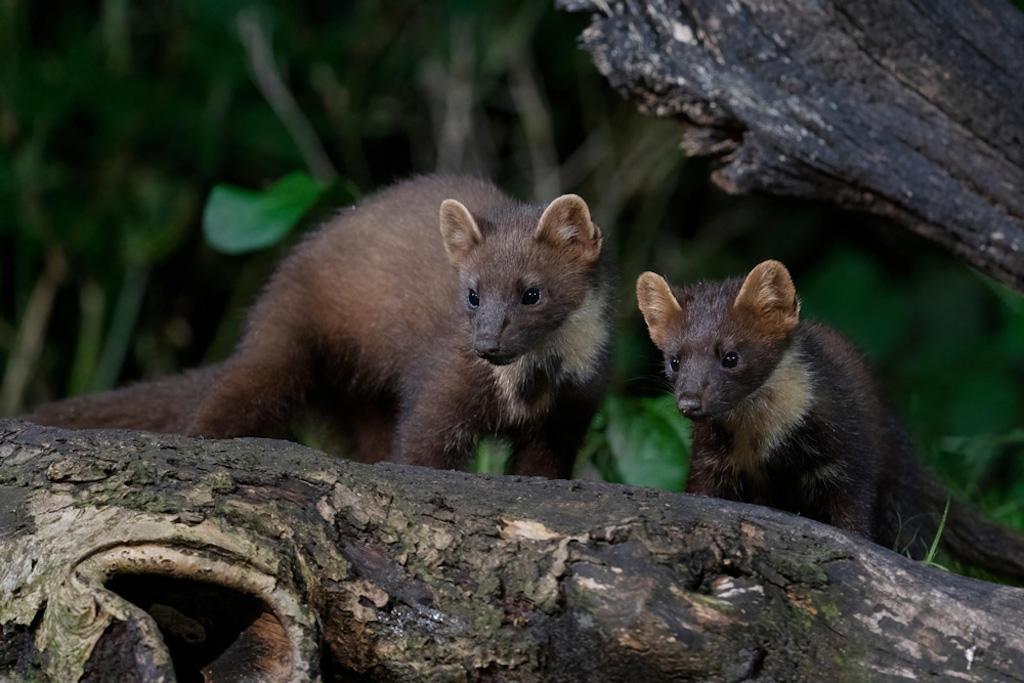
After about an hour, I heard a rustling noise in the trees. As I turned to my companions, they both simultaneously held a single finger to their lips—shoosh. My heart was beating faster as we waited in silence. It was then that I saw a large male Pine Marten moving towards one of the feeding stations. Continue Reading... "065 – A Night with Pine Martens"
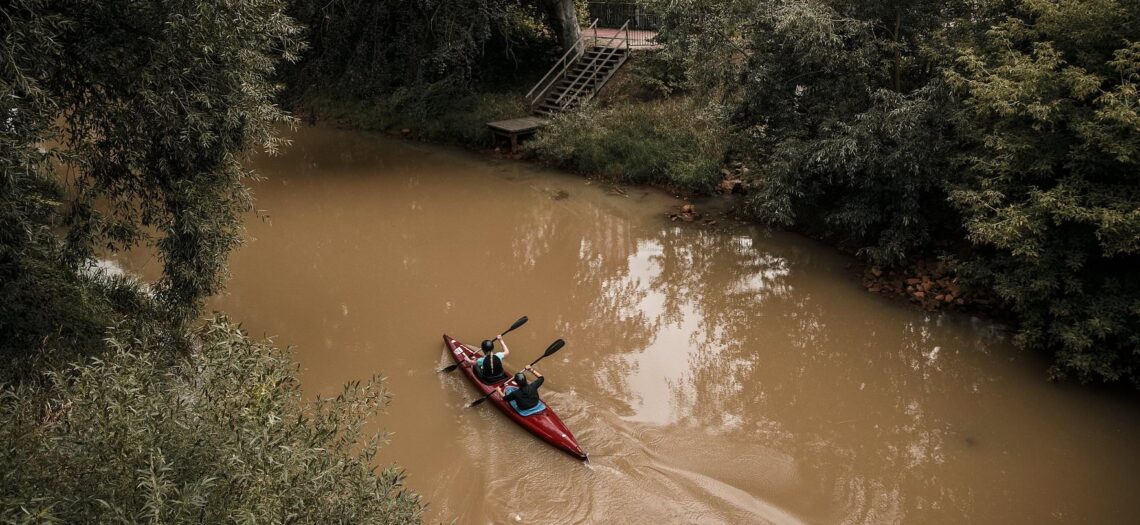
We must act now to save the UK’s rivers for future generations by cleaning up inherited problems, tackling nutrients from multiple sources, and taking decisive preemptive action to stop emerging pollutants like pharmaceutical waste and microplastics. Clean, fresh water is necessary for ALL LIFE on our planet, and every living being should have access to it. We can’t leave it to our children to clean up our shit! Continue Reading... "064 UK River Pollution – Why are our Rivers dying?"
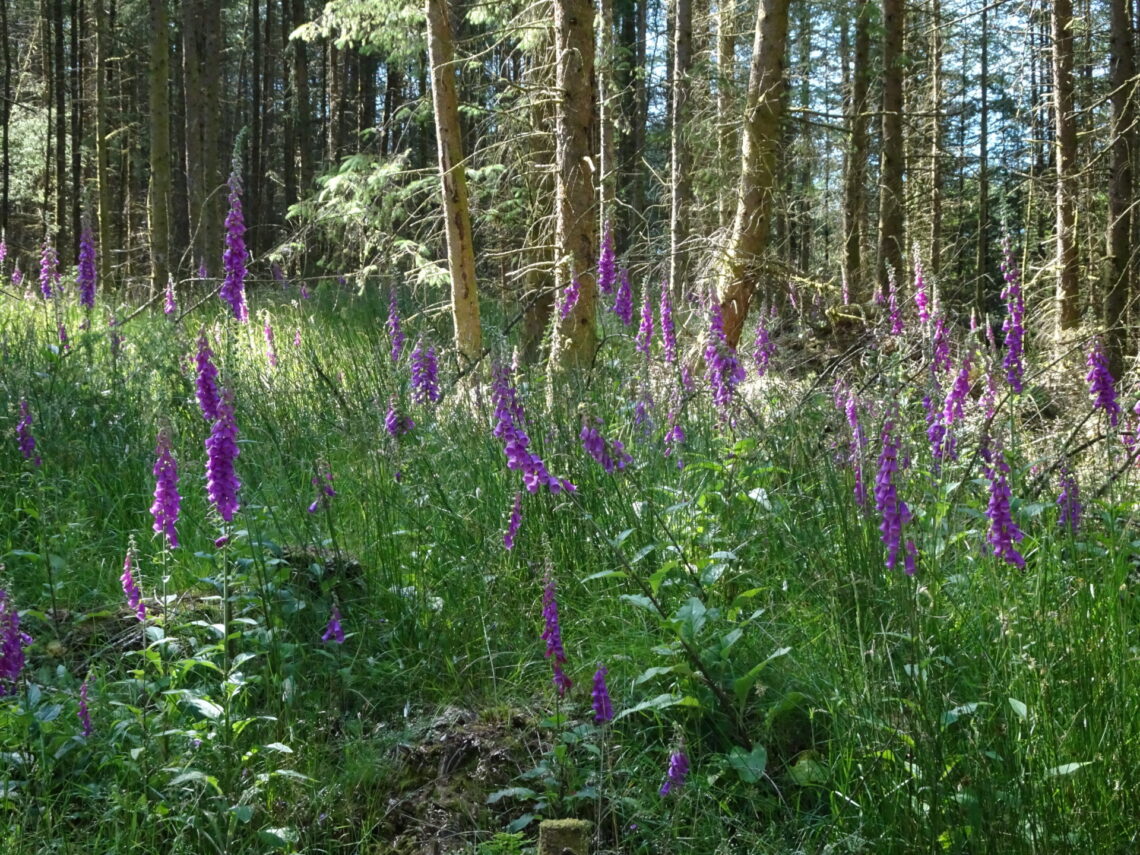
The day has been hot and humid, but the early evening in the woods is cooler and more pleasant. Although the sun is still shining bright, the light is filtered through the leaves, creating a dappled shade. While some plants may struggle with the reduced light, others have adapted well to the summer woodland environment. Continue Reading... "063 Summer Wildlflower Woodland walk"
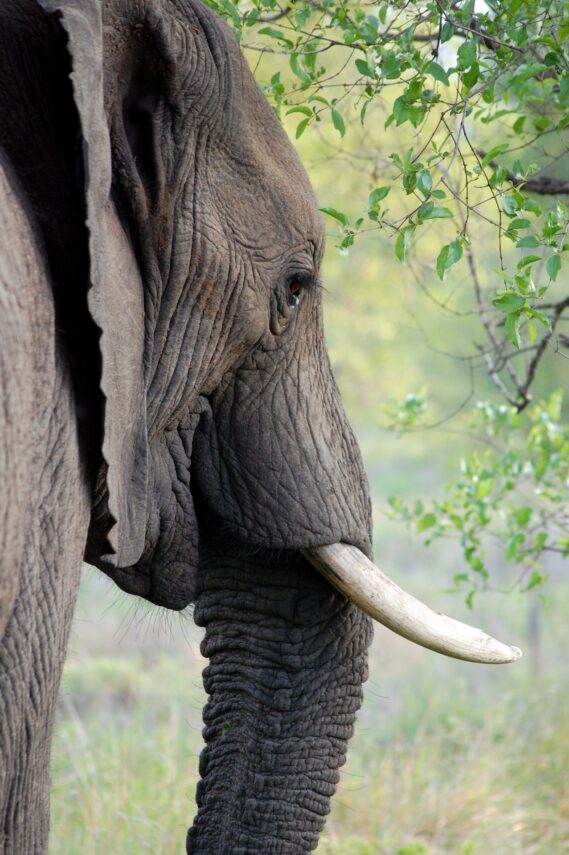
Ivory should only ever be seen on a wild animal. But the bloody ivory trade had endured for centuries; ivory was prized for its beauty and strength. Ivory has been used to create tools, sacred objects, art, musical instruments, carved ornaments, and decorative items regarded as luxury items. Continue Reading... "062 The Bloody Ivory Trade"
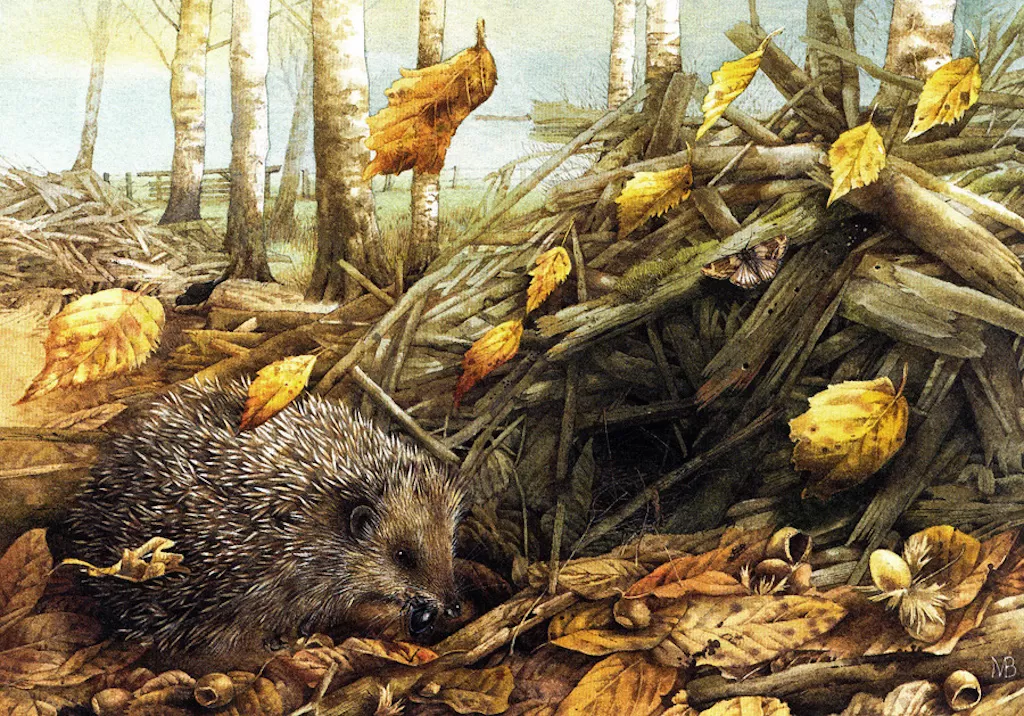
The Humble Hedgehog is one of our favourite wild animals today, but hedgehogs play an important role in our culture through stories and local folklore. From video games such as Sega’s ‘Sonic the Hedgehog,’ to characters in Disney/Pixar’s ‘Toy Story 3’ and Sesame Street, hedgehogs have a definite place in popular culture Continue Reading... "061 Hedgehogs in folklore"
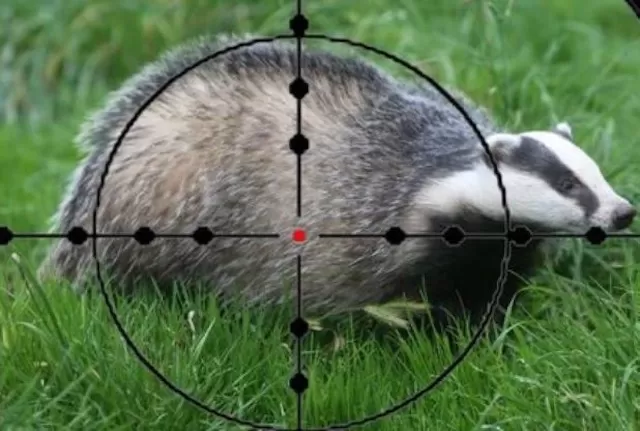
For the past decade, the British government has been authorising the killing of badgers as part of an alleged Bovine Tuberculosis Eradication Programme. Despite warnings from their own scientific advisors, professors, and conservationists that culling badgers will have no impact on the spread of tuberculosis, the government has continued and even accelerated the culling of badgers/ Wildlife Matters asks WHY? Continue Reading... "060 – Why is the British Government Killing Badgers?"
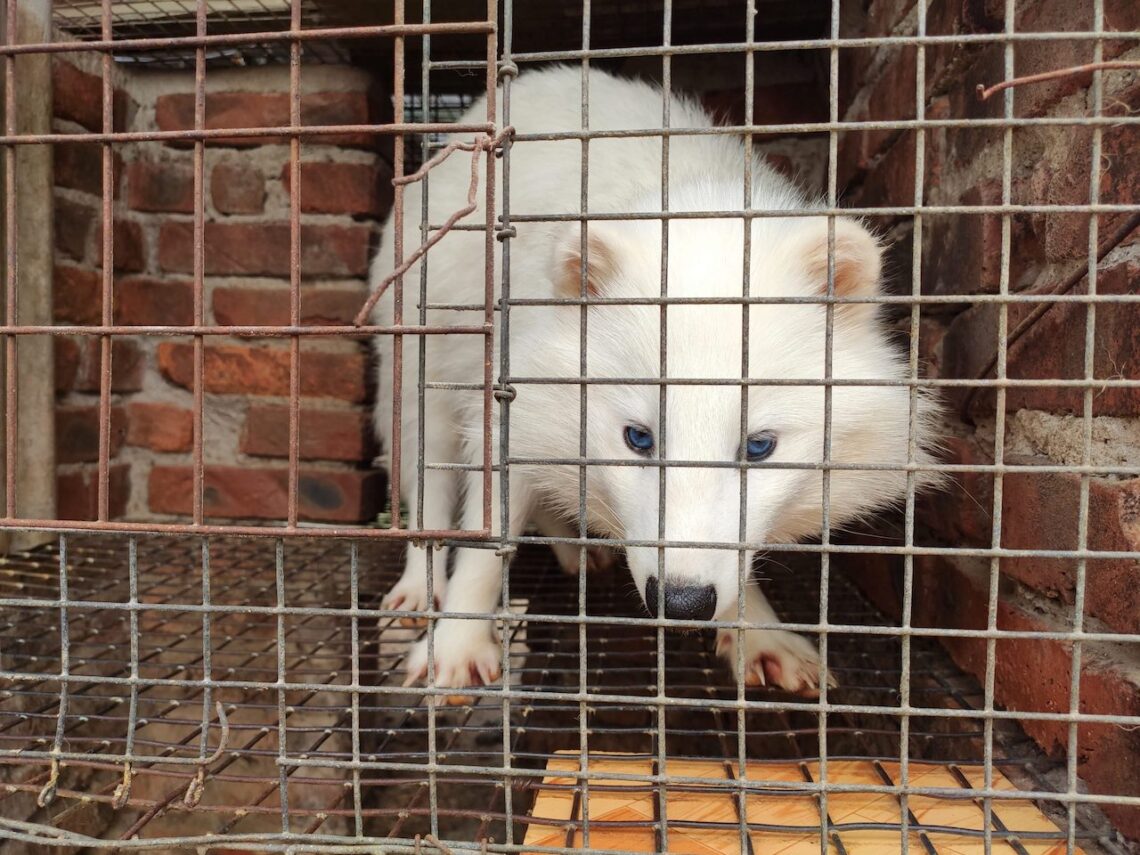
The devastating cost of fur is the millions of innocent animals senselessly slaughtered each year for their fur. The process of obtaining said fur is often downright barbaric, with creatures kept in cramped cages, suffering through unimaginable pain and torture. Continue Reading... "059 The Tragic Truth About Fur Farms"

Trophy hunting is the hunting of wild animals for sport, not food. Usually, the animal is stuffed, or a body part is kept for display. Most trophy hunters come from wealthier countries and pay high fees for their hunts and trophies. Trophy Hunting is the illusion of conservation. Continue Reading... "058- Trophy Hunting – The Illusion of Conservation"

Hoglets are baby hedgehogs. In this article, part of the Wildlife Matters All About Hedgehogs series, we look at Hoglets, which are Baby Hedgehogs. Continue Reading... "057 – Hoglets – All about baby hedgehogs"
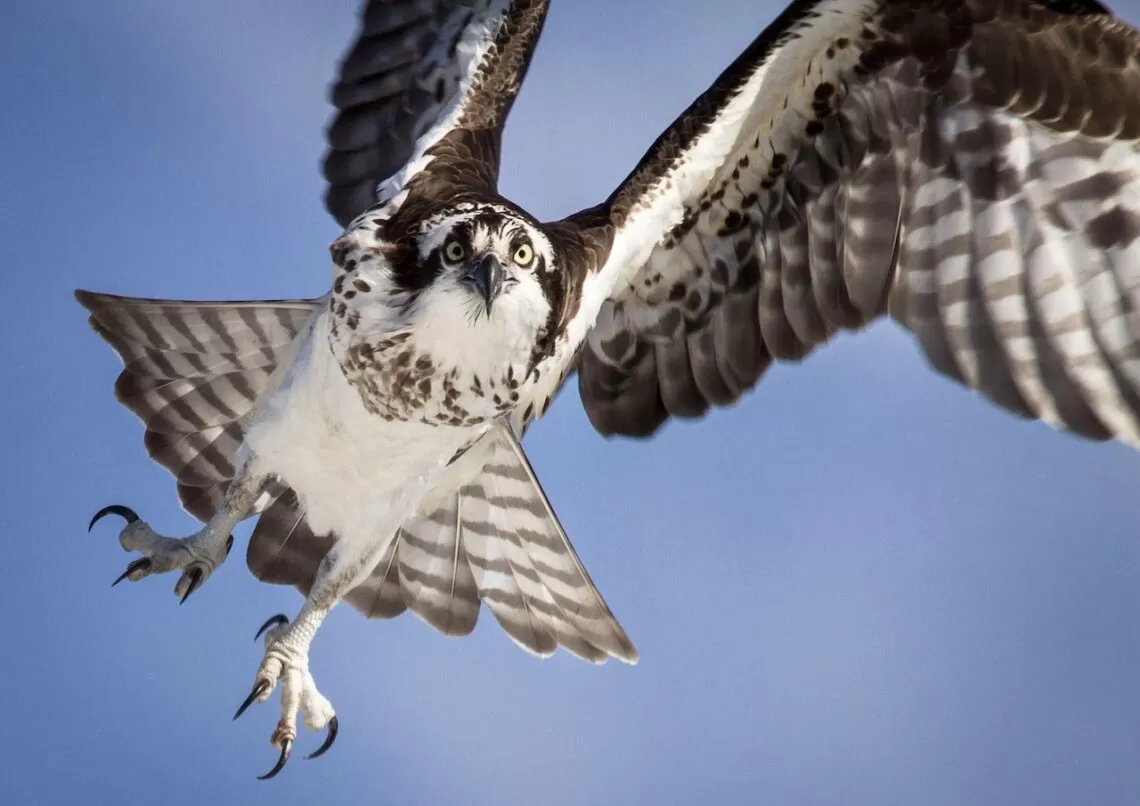
Raptors are now present throughout much of the UK but are remarkably scarce around the upland moors – often called grouse moors. Continue Reading... "056 – Where have all the Raptor’s Gone?"
It is no coincidence that 68% of those convicted for raptor offences in Britain are gamekeepers. But they are caught ‘red-handed’ and, indeed, just a tiny part of a much bigger picture. Continue Reading... "056 – Where have all the Raptor’s Gone?"
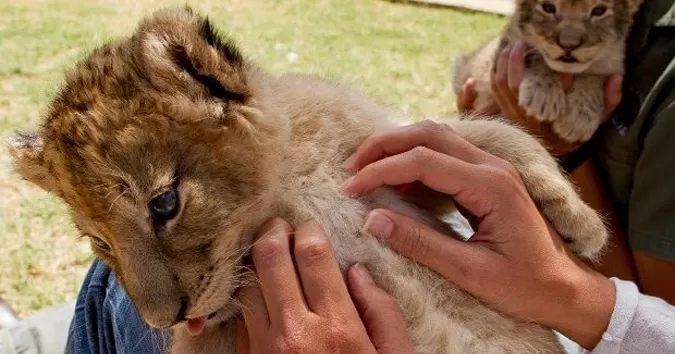
So, you want to ‘pet’ a lion cub and post your picture on social media? Lion Cub petting is popular on Social Media, so Wildlife Matters looks at Lion Petting and why it is wrong. Continue Reading... "055 Lion Cub ‘Petting’ and why it’s wrong"
You’ve probably seen the Tik-Tok and Instagram pictures of people petting lion cubs. Many people have this on their bucket lists but a little bit of research reveals that cub petting is wrong and a big mistake for animal lovers. Continue Reading... "055 Lion Cub ‘Petting’ and why it’s wrong"

Now, Let’s be clear Trail Hunting is a cover for the blood hunters to continue their blood lust with the conscious intent to mislead the Police and make it difficult for them to be prosecuted under the Hunting Act, and that isn’t only my opinion – its what they explained themselves on the Hunting Office webinar leaks released by the Hunt Sabs last year. Continue Reading... "054 Fox Hunting – Backing the Ban"

The days become shorter in autumn, and deciduous trees lose their leaves. Spiders move indoors, and insects seem to disappear. Most people notice the shorter days, longer nights, and the drop in temperature. Overnight frosts and snowfall will soon be with us once again. Continue Reading... "053 – Incredible ways our wildlife adapts to winter in Britain"
At this time, humans often go outdoors less, preferring to stay indoors and turn the heating on instead. Continue Reading... "053 – Incredible ways our wildlife adapts to winter in Britain"
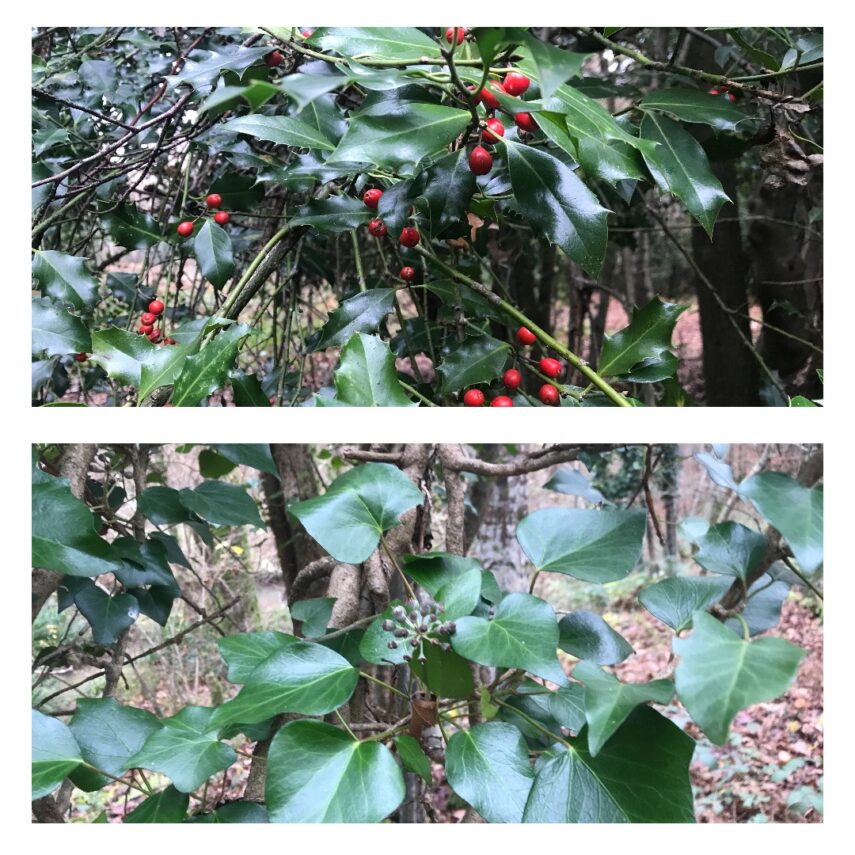
Christmas is a celebration with Christian roots but also draws from the Roman festival of Saturnalia and Pagan solstice traditions. Christmas is a celebration with Christian roots but also draws from the Roman festival of Saturnalia and Pagan solstice traditions. Continue Reading... "052 Christmas Folklore The Holly and the Ivy"

Specifically for England, woodlands save £141 million in costs associated with mental health illnesses, including GP visits, drug prescriptions, inpatient care, social services, and lost days due to mental health issues. These figures are based on evidence of reduced incidence of depression and anxiety resulting from regular visits to woodlands. Continue Reading... "051 – Why are Woodlands so good for our health and wellbeing"

I tried to locate the source of the sound, a buzzy and slightly wheezy call, and then they came into view. Initially, around 20, maybe 30 of them, they called loudly to each other as they searched the woodland for the beech nuts. I had just spotted my first flock of Brambling for the year. Continue Reading... "050 – Britain’s Winter Visitors – Brambling, Fieldfare and Redwings"
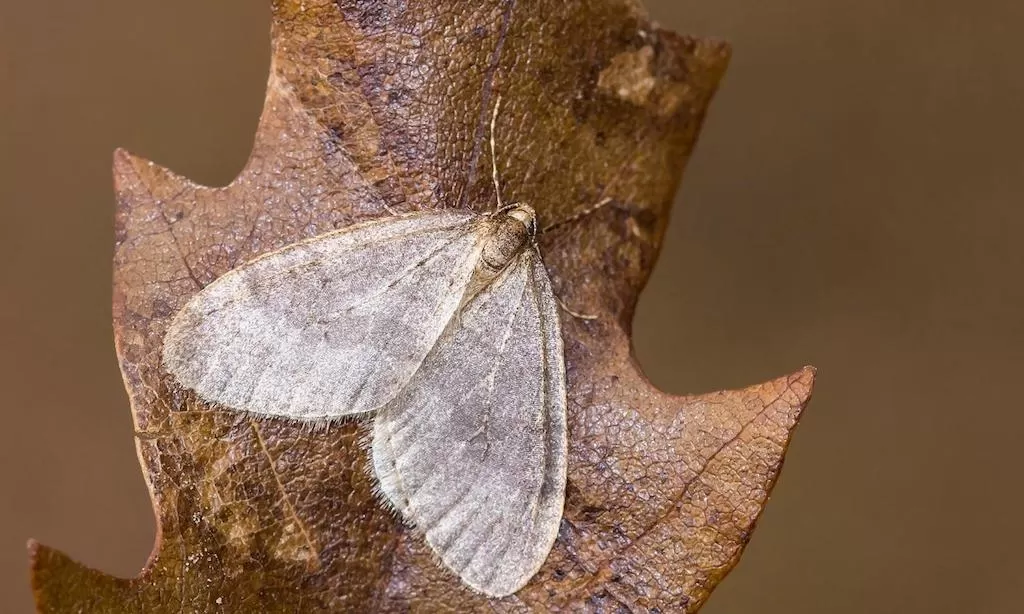
In this article, Wildlife Matters discovers the fascinating life of the Winter Moth. In early December and throughout the Winter, you may come across a little brown moth under the light of your porch or on the window of a well-lit room. If it looks like the one in the picture, you have found whose vernacular name is the winter moth. Continue Reading... "049 – The fascinating life of the Winter Moth"

In this article, Wildlife Matters asks what hedgehogs eat. Hedgehogs are omnivores with a diverse diet, including invertebrates like Beetles, caterpillars, earthworms, millipedes, snails, and slugs are all favourites. Still, hedgehogs are flexible when it comes to their diet. Continue Reading... "048 What do Hedgehogs eat?"
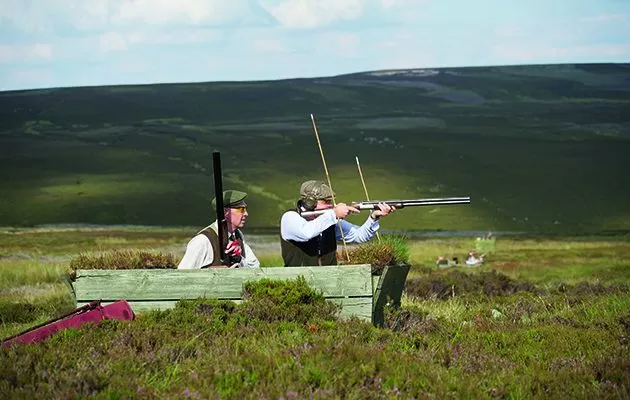
Driven grouse shooting is pretty much unique to the United Kingdom. Red grouse are cosseted on the upland moors – now known as grouse moors – where their habitat, primarily heather, is managed to suit this one species that is ‘protected’ from the local wildlife and any potential predators by the gamekeepers. You may think this sounds like a conservation project, but no, the end game is the Grouse are shot for pleasure! Continue Reading... "047 – Grouse Moor Shooting – What’s it all about?"

From the start of September until the end of February every year, a large-scale hunt of dolphins takes place. During this period, fishermen, or more appropriately, dolphin hunters, utilise drive hunt techniques to herd large numbers of dolphins to shore, resulting in their capture or death. Continue Reading... "046 – Taiji Cove – Japan The Shameless Slaughter of Dolphins"
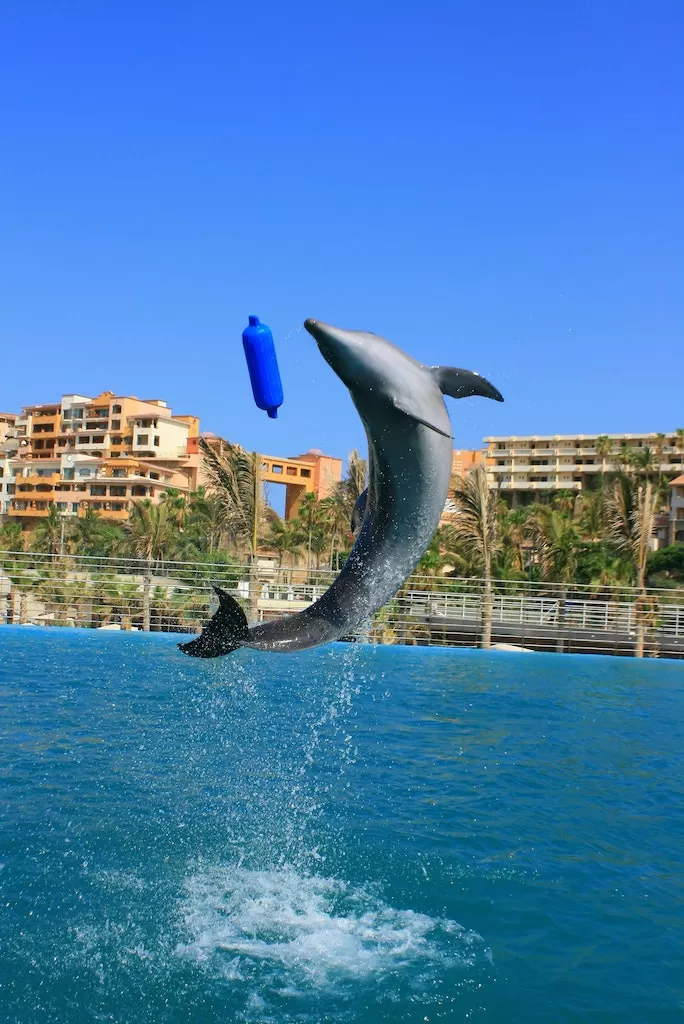
Although marine parks claim to conserve marine mammals through breeding programs, these programs are ineffective. Many marine mammals commonly bred in captivity are not considered threatened or endangered. Continue Reading... "045 – Captive Cetaceans – Dolphins sold into a life of Captivity"
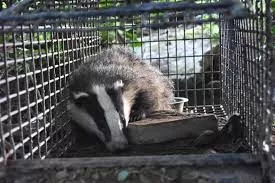
Our primary focus is on M. Bovis, a highly contagious form of bovine tuberculosis that threatens cattle and other animals. This infectious disease is caused by Mycobacterium bovis (M. bovis) and can even affect humans, deer, goats, pigs, cats, dogs, and badgers. Continue Reading... "044 Badger Vaccination – The Facts"
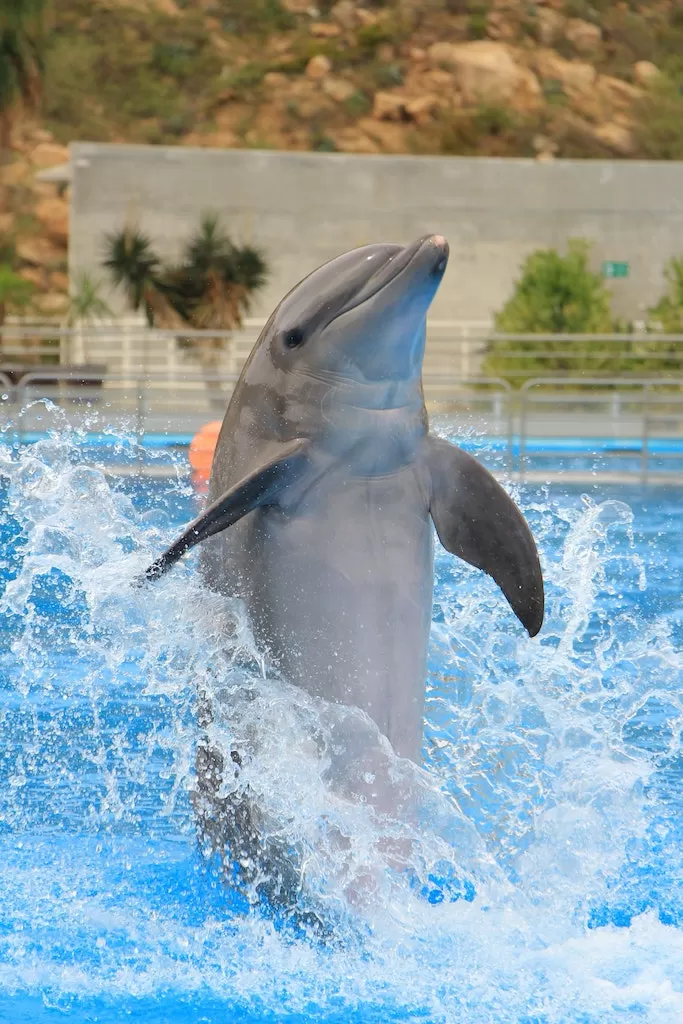
What happens when the show is over, and the audience is gone? Answer – NOTHING. Most dolphins are left to languish in their caged tanks forced to wait for food until the next showtime. Continue Reading... "043 – Prison Grove – The reality for captive cetaceans"
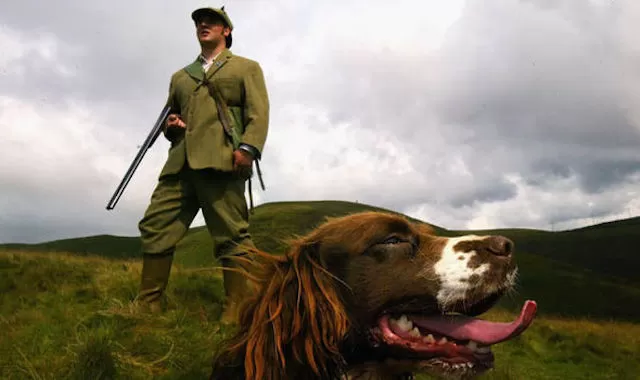
The UK taxpayer subsidises estate owners to maintain these vitally important habitats and ecosystems. Critically, these Moors provide 70% of drinking water in Britain Continue Reading... "042 Grouse Moor Conservation – Is it for Real?"

Wildlife Matters adores the red Fox. They are beautiful, intelligent, and family-orientated wild animals that are generally misunderstood. That’s why we wanted to share some fascinating Foxy Facts that show what incredible animals red foxes are. Continue Reading... "041 – Fascinating Foxy Facts"

This week, Wildlife Matters Investigates Trail Hunting Myths. But let’s start with a fact: There is no tradition in Trail Hunting. In fact, trail hunting did not exist before the Hunting Act of 2004. Continue Reading... "040 – Trail Hunting Myths"
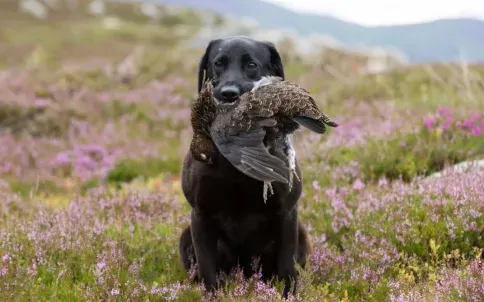
Every year, around 50 million non-native, factory-farmed pheasants and red-legged partridges are released into the British countryside—purely to be killed by shooters. This massive influx of non-native birds devastates our native wildlife Continue Reading... "039- Game shooting or ‘shame’ shooting"
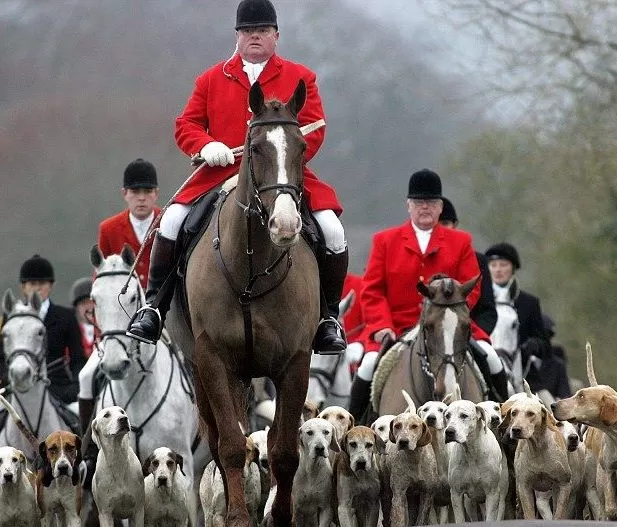
This is my attempt to explain the process of Fox hunting based on decades of doing everything I could in the field to stop it. I have also spent many years working to bring those who hunt illegally to justice. This blog is not in any way meant to justify or, indeed, glorify the cruelty of fox hunting. Continue Reading... "038 – Fox Hunting and why it is banned"

Autumn Hunting, also called ‘Hound exercise’ as the Hunts now refer to it, was previously known, perhaps more honestly, as ‘cubbing’. Hunting takes place ‘when the harvest allows’. It generally runs throughout September and October and will start from ‘first light’ at around 6 am. Continue Reading... "037 – Cub Hunting, Autumn Hunting or Hound Exercise – They are all the same cruel thing"

Although wildflowers are often admired for their beauty and poetic nature, they also play a crucial role in our ecosystem. More than 1400 species of insects depend on wildflowers for their survival, using them as a source of food and shelter. Continue Reading... "036 – Summer Wildflower Walk"

Summer is a great time to see wildlife in the UK, including large mammals in the waters and colourful insects. Some bird species are quieter now as they have finished breeding season and chicks have fledged. Continue Reading... "035 – Britain’s Wild Visitors – Summer"

Stag hunters rely on these exemptions and often claim that they’re trail hunting, a practice where hounds follow an artificial scent rather than a genuine stag. This is a common cover used by hunters to continue their activities under the guise of a legal sport. Continue Reading... "034 – Stag Hunting in Britain"

On the so-called ‘Glorious Twelfth,‘ Wildlife Matters ventured to the Upland moors, only to witness a scene that painted a starkly different picture—a scene of Blood on the Moors—the ‘Inglorious Twelfth ‘. This experience underscored the reasons why we vehemently oppose the Grouse Shooting. Continue Reading... "033 Blood on the Moors – The inglorious 12th"

Animals are kept in enclosures where they can’t escape and are killed with a bow and arrow or a rifle. Sometimes they are even sedated with medicine. No licence or hunting experience is required to hunt lions in South Africa. Continue Reading... "032 – What is Canned Hunting"
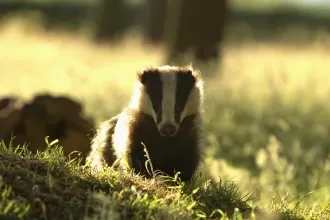
The goal of the RBCT was to quantify the effects of badger culling on bovine tuberculosis in cattle herds and determine how such strategies could reduce the chance of a herd breakdown due to TB. An independent Scientific Group (ISG) monitored the RBCT trials. Continue Reading... "031 – The Badger Culls Part Two – The Randomised Badger Cull Trials"

The captive industry is driving the dolphin slaughter so that people can ‘see’ captive dolphins performing tricks in theme parks, holiday resorts and hotels. Of course, the Dolphinariums that purchase dolphins from the hunters quickly play the Con-Servation card, claiming they are “saving” the dolphins from slaughter—the hypocrisy of the cruellest kind. Continue Reading... "030 – This Masquerade – Wild dolphins sold into captivity"

The Hedgehog is one of our favourite mammals in the UK and is a member of the Erinaceinae subfamily of the Erinaceidae family. There are five genera of hedgehogs and sixteen distinct species that can be found globally – except in the Americas and Australia. From African deserts to frigid Russian winters, these small mammals have done wonderfully well to survive for thousands of years. Continue Reading... "029 – Hedgehogs Around the World"

With over three decades of experience with badgers, I am delighted to be able to share my insights into their ecology and behaviour in the wild. Continue Reading... "028 All about Badgers – Badger Ecology and Biology"