These days, people use the term ‘urban wildlife’ to describe wild animals that have adapted to life in cities and towns. In short, it refers to animals that now live alongside us in these places.
Our Wildlife Matters guide to urban wildlife looks at how wildlife can thrive even in the busiest cities. Parks, community gardens, churchyards, and allotments all offer homes for many species.
At Wildlife Matters, we believe that connecting with nature is important for our wellbeing. We are part of nature, not above it, though many people think otherwise.
We created this guide to share new research and what we’ve learned from over twenty years of working in UK cities and towns. We also highlight urban wildlife species that have adapted well and what makes the UK’s biggest cities special.
What is Urban Wildlife?
Urban wildlife refers to animals that have learned to live in human-built environments, such as cities and towns. They find homes and food in parks, gardens, cemeteries, and even along railway lines. Not all urban wildlife use cities the same way, but they all end up crossing paths with people.
Imagine a fox moving through city streets at dawn, a hedgehog under the streetlights, and birds singing from a tree surrounded by tall buildings. Urban wildlife isn’t just unusual—it shows how well nature can adapt in the middle of our busy towns and cities.
It might once have seemed unlikely that wild animals would share our urban spaces. But now, ‘urban wildlife’ is a common term, describing the remarkable creatures that have learned to live and often thrive alongside us.
Parks, community gardens, churchyards, and even railway embankments have become surprising sanctuaries, full of life that we often overlook. For years, our team has studied urban wildlife in cities and towns across the UK.
We’ve seen how some species do more than just survive; they adapt very well to city life.
This guide shares the latest research, expert advice, and stories about these urban survivors.
What makes an animal a successful city dweller?
Urban wildlife is resourceful and resilient. These animals find food in unexpected places, like bird feeders, bins, or garden leftovers. They learn quickly and adapt fast, thriving in noisy, bright, and busy environments.
Key characteristics of urban wildlife include:
- May utilise human food sources, such as bird feeders, pet food or discarded human food.
- They are typically omnivorous generalists, flexible in both food and habitat preferences.
- They are often strong competitors and can exclude native species.
- May have a higher tolerance of human disturbance
- Can quickly adapt their behaviour to environmental disturbances
Urban wildUrban wildlife is all around us. We may not always notice it, but it’s always there. time we see these animals, even for a moment, it reminds us how strong nature is and that we are part of it.
When we learn to value and protect these creatures, we realise our cities are more than concrete and glass they are full of life, right up to our doorsteps.
Understanding Urban Wildlife
Studying urban wildlife helps us learn how to live with animals, protect nature, and prevent issues like property damage. We need to understand the challenges animals face, how they interact, and where conflicts with people might happen. Scientists are now looking at how people and city animals affect each other’s behaviour.
Urban Ecosystems
Even though natural habitats have changed a lot, many animals still do well in cities. Scientists look at which animals adapt best and how city life changes their behaviour and survival.
As cities grow, green spaces become fragmented, making it harder for wildlife to move. Parks and green areas provide animals with safe places, but if these spots are not connected, animals lose safe routes to move between them.
Wildlife corridors help keep animal populations healthy by allowing them to mix. If animals are isolated, it can put their survival at risk.
Beneath the city’s noise and lights lies a hidden world. Foxes move through alleys, sparrows gather in small parks, and hedgehogs travel between gardens. Many people miss these moments and miss out on connecting with nature’s beauty. Urban wildlife is more than just seeing a badger or a pigeon perched on a traffic light. It is a lively ecosystem that is part of city life.
Wildlife survives even in the busiest city centres. Learning about these animals helps us protect nature and live together peacefully. Still, city life brings real challenges: traffic, noise, bright lights, and broken-up habitats force animals to change their habits and diets. Scientists study how people and wildlife affect each other.
Despite many challenges, some animals do well in cities and find new ways to survive.
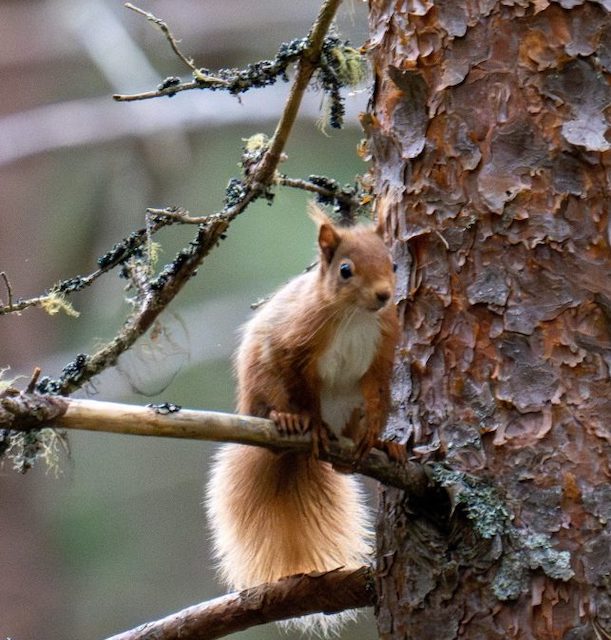
As cities grow, green spaces get more separated, making it harder for animals to move. Keeping these areas connected is important for the health of both animals and people, and it helps prevent problems caused by isolation.
Sometimes, pets or farm animals have problems with local wildlife. By learning how wild animals live with us, we can protect both our homes and theirs, and help make our cities better for all living things.
Most people live in or near cities, far from wild places. But city parks and green spaces offer safe spots for both animals and people.
When we learn about nature in our cities, we become more curious and caring. People are more likely to look after wildlife when they understand and value their wild
A city wouldn’t be complete without its wild animals. Every fox’s path and every bird’s song remind us that the city is full of life and deserves our respect and care. When wildlife disappears, we feel the loss
Wildlife Conflict
As citieAs cities grow, pets, farm animals, and local wildlife come into conflict more often. Learning how wild animals live in our cities helps us protect both our homes and theirs.
People live in or near cities, making wild nature feel distant. Parks and green spaces bring the outdoors closer, providing habitats for wildlife and places for us to enjoy. Teaching about urban nature helps everyone appreciate local wildlife; people care only when they understand and value the animals around them.
Urban Wildlife: Adapters, Exploiters, and Avoiders
If you walk through a city at dawn, you’ll notice it’s alive with more than just people heading to work.
Foxes slip between bins, pigeons walk along paths, and sometimes a deer stops at the edge of a park to eat the morning dew.
Urban wildlife is as diverse and adaptable as animals in the countryside, finding ways to live among skyscrapers and city streets.
Urban Wildlife: Masters of Adaptation
Urban animals show many different ways to survive in the city. Some are bold and take advantage of the chances that human life brings.
Omnivores and generalists like gulls, foxes, and rats make the most of leftover food, garden scraps, and full bins.
Because food is easy to find, there are often more of these animals in cities than in wild areas. These creatures fit into our daily lives and can be both liked and disliked.
There are also adapters. These animals do not depend on people, but they use the city when it helps them. Deer near suburbs, hedgehogs in gardens, or crows on lampposts may not get much from humans, but their ability to adjust lets them live in cities.
Adapters usually avoid trouble and are often found on the green edges of cities, moving easily between the countryside and the city.
Not all animals can live in cities. Avoiders, such as badgers or rare woodland birds, need large habitats and specialised conditions that cities usually lack. They might enter towns to look for food or to move to new areas, but they do not stay long.
For these sensitive animals, the city is a hard and sometimes dangerous place. There are few safe places to find food, and constant human activity makes it difficult for them to survive and raise young.
Some animals thrive in the busy city, others find quiet lives on the edges, and a few struggle as their world gets smaller.
Recognising the roles of exploiters, adapters, and avoiders in our cities, we gain a deeper appreciation for nature’s resilience. Wildlife is as much a part of the city’s story as its people.
Urban Wildlife Under Pressure: Disturbances and Threats
Urban ecosystems face a unique set of challenges, including:
Loss of green spaces and habitats. Excessive light and noise pollution. Invasive species outcompeting natives. Chemical pollution and toxic runoff. Roads and buildings fragment habitats, making movement difficult for wildlife. These disturbances can cause biotic homogenisation. This means that only a few adaptable species thrive in human-dominated landscapes, while others disappear from urban environments (McKinney 2006).
This process puts local diversity at risk. It favours the same generalist species everywhere and pushes out unique specialists, especially those that are easily outcompeted by generalists and invaders (Shochat et al. 2010).
The composition of urban wildlife depends on how different species respond to urban challenges and how effectively they use human resources to survive.
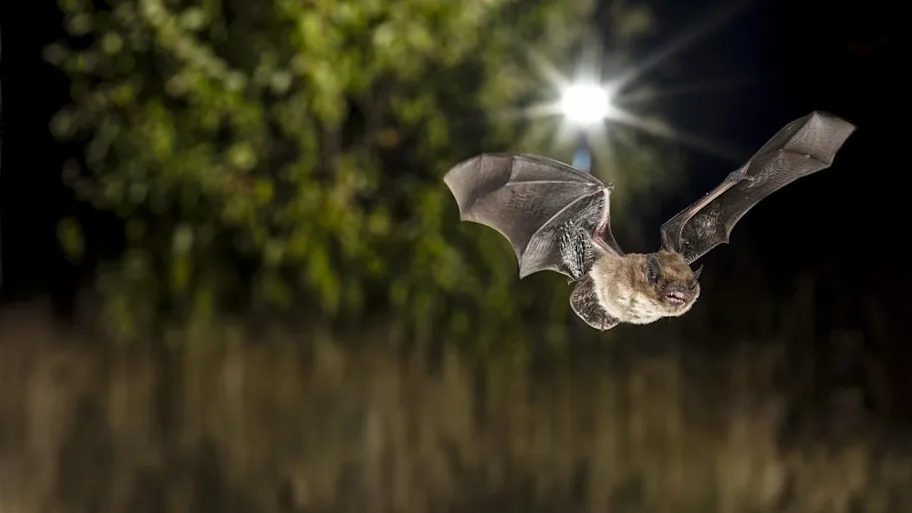
For example, some bats are thrown off course by city lights (Stone et al. 2009), amphibians struggle as wetlands disappear or waterways are polluted (Brand et al. 2010), and carnivores can suffer poisoning from rodenticides accumulating in the food chain (Riley et al. 2007).
Other species face higher disease risks in crowded urban habitats, especially when they come into contact with pets or livestock (Daszak et al. 2000).
Predators, Prey, and People: The effects of urban living on wildlife
Urban areas are more than just tall buildings and busy roads. They are ever-changing ecosystems where people and wildlife constantly influence each other’s lives.
Large predators, for example, have a tough time. As cities grow, their habitats become smaller and more fragmented, leaving less space to move and fewer opportunities to find mates. This isolation puts their populations at risk by lowering their numbers and genetic diversity (Bateman and Fleming 2012).
But that’s not the whole story. Even animals that survive in cities have to change how they live. New buildings and roads can disrupt their routines, making it harder to find food, shelter, or mates (Habib et al. 2006). City lights, noise, and constant changes force animals to find new ways to survive.
Sometimes, the changes are less obvious but still important. Urban growth changes how different species interact, and these effects can spread beyond the city. For example, when top predators disappear, medium-sized hunters called mesopredators can become much more common.
This increase in mesopredators places greater pressure on smaller animals such as songbirds and rodents (Crooks and Soule 2010). At the same time, human food waste and garbage, known as ‘anthropogenic subsidies,’ can upset the natural balance between predators and prey. This lets some species do well while others struggle (Rodewald et al. 2011).
All these pressures build up over time.
The cumulative effect. All these challenges add up. Roads, housing, and climate change together create places where animals struggle to move, adapt, and survive. Fragmented habitats make it harder for animals to adapt to changing climates, and urban growth can alter entire wildlife communities (Sala et al. 2000).
It’s always a pleasure to see blue tits and robins at your bird feeder, but leftover seed can also attract unwanted visitors, such as rats looking for a new home in your garden.
By keeping your feeders clean and tidy, you’ll help ensure you attract only the birds you want to see.
Making a few small changes to our routines can improve city life for both people and wildlife. If you enjoy watching birds, remember to clean and disinfect feeders regularly to help prevent disease from spreading among your feathered visitors.
If you’re caring for hedgehogs and want to avoid attracting foxes, rats, or wandering cats, offer food just before dusk and bring any leftovers in within the hour.
This way, you help hedgehogs stay healthy without attracting other unexpected animals.
Even with good intentions, we can upset nature’s balance. If we feed wildlife too much, animals might start to rely on us and struggle if the food stops.
Wild creatures are healthiest when they find most of their food themselves, not just from us.
Let’s meet twelve remarkable wild species that have mastered the art of city living, sharing our towns and cities in surprising ways.
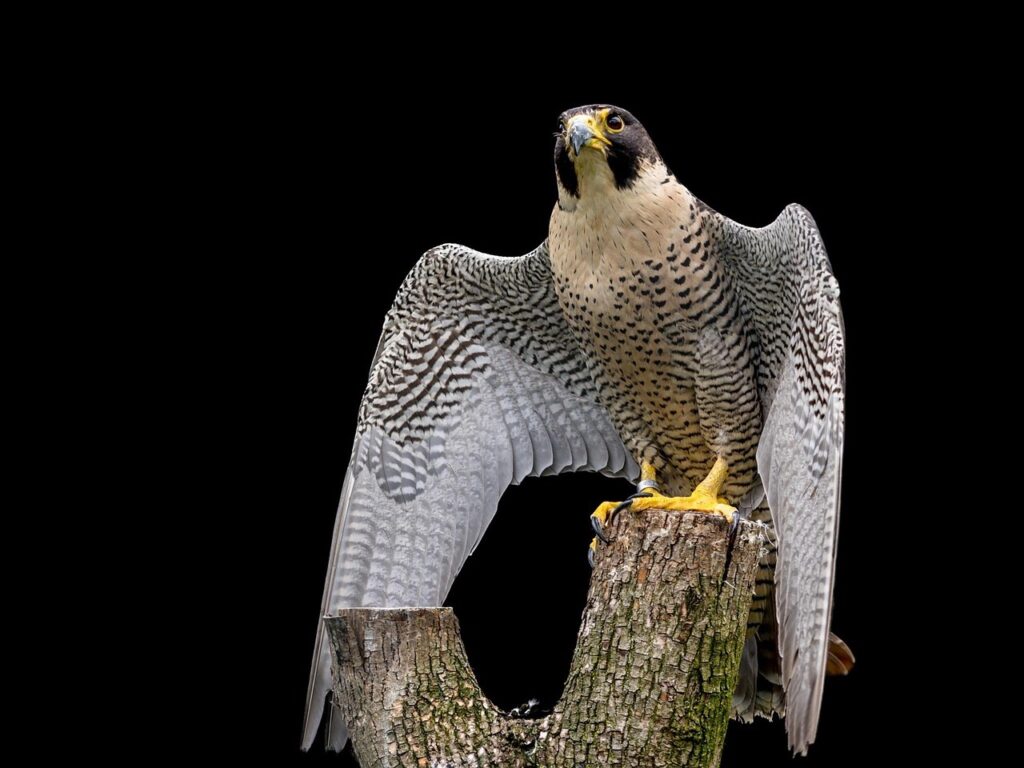
Peregrine falcon
The peregrine falcon is the fastest animal in the world. When it dives, it can reach speeds of up to 200 mph, catching its prey with incredible accuracy.
The peregrine is slate-grey with a white, barred underside and is our largest falcon. It is so agile that it can catch pigeons, gulls, or doves in mid-air, striking from above at remarkable speed.
This powerful raptor has swapped cliff faces for cathedrals and high-rise office blocks, nesting in the heart of the city.
Watch for them in summer when parents are busiest feeding hungry chicks high above the urban bustle.
Fox: The Shadow in the City
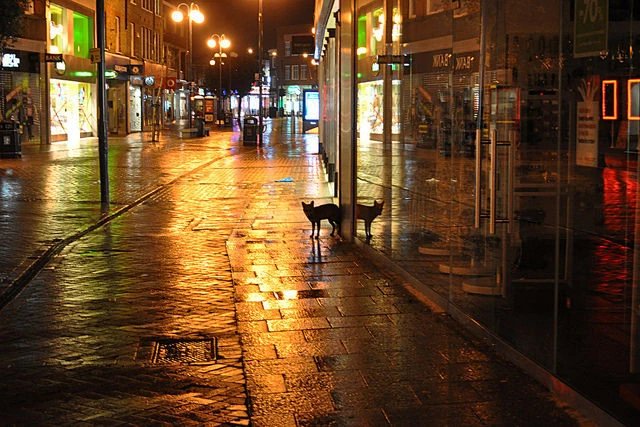
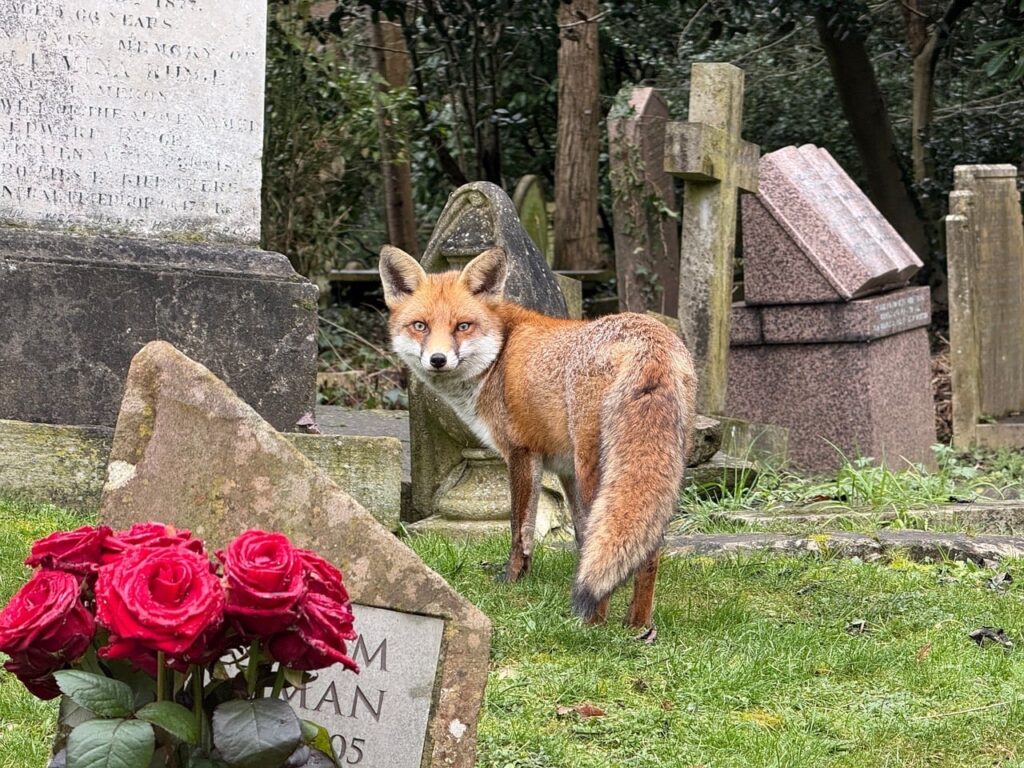
In the silence of the early morning, you might spot a bushy tail flickering under a streetlight or catch a quick movement between parked cars. The urban fox is a true master of adaptation and is one of the city’s most successful wild residents.
Foxes are true omnivores, eating everything from berries and fallen fruit to pigeons and sometimes even rabbits.
They make the most of whatever the city provides. At home, they are just as resourceful, digging shallow dens under brambles, thickets, or even under a neighbour’s shed, and setting up several hideouts throughout their territory.
Urban foxes often seem fearless, walking confidently through gardens and alleys. This is very different from the cautious behaviour of their country cousins. Despite their thick fur, these foxes are about the size of a large cat, and they can fit through gaps as small as 12cm, slipping into almost any space the city offers.
Grey Heron: The Urban Fisher
The grey heron, both graceful and ancient in appearance, is now a common sight along city canals and rivers, and in parks with lakes. These birds have learned to live alongside us, building busy heronries right in the middle of the city.
Herons stand like statues along the city’s waterways, always silent, still, and watchful. Their slate-grey wings, white head with bold black eyebrows, and ragged black tassels make them easy to spot. With long legs and a sharp beak, they are skilled hunters, ready to strike at any moment. They eat fish, amphibians, small rodents, and sometimes even unwary nestlings.
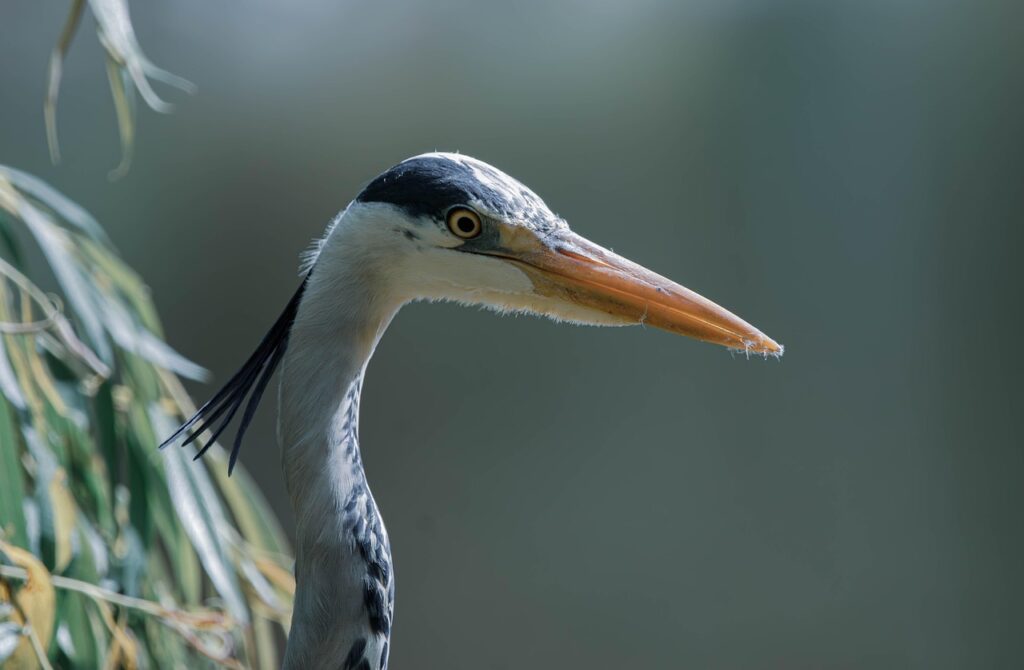
A heron’s slow takeoff feels almost prehistoric, but once in the air, they move with pure elegance. Their loud, unmistakable “fraannk” call often lets you know they are nearby before you see them. It’s a reminder that wildness still exists along the city’s waterways.
Rose Chafer Beetle: The Emerald Visitor
With its metallic emerald shine, the rose chafer beetle stands out as one of the city’s insect success stories.
This large beetle has green wing cases that catch the sunlight and a V-shaped scutellum, a small badge between its wings, often marked with delicate white lines.
Starting in May, adult rose chafers appear to feed on flower nectar. Their presence shows that city parks and large gardens are recreating the woodland edges where these beetles once lived.
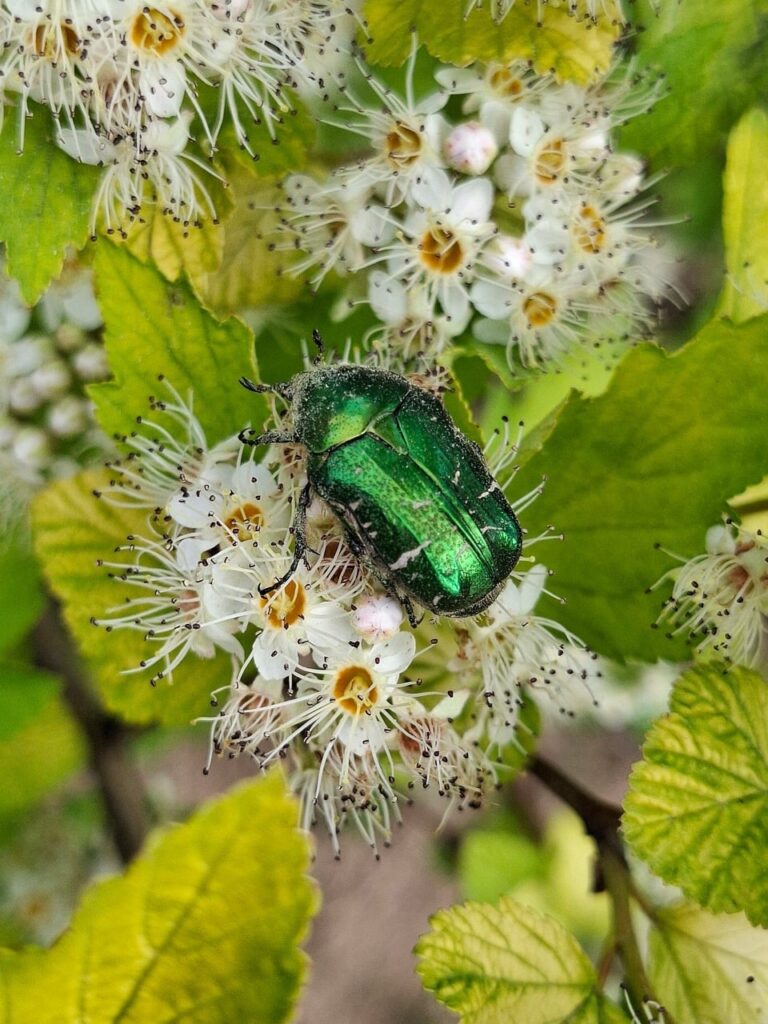
Unlike most beetles, the rose chafer flies with its wing cases closed, using a special notch that lets its flight wings open underneath. You can see them on flowers in late spring and summer, shining like jewels among the city’s blooms.
Bees: The City’s Busy Gardeners
If you are in a city garden, you’ll notice it is full of life, much of it because of bees. The UK has 24 bee species, and bumblebees, in particular, do well in the borders, allotments, and flowerbeds found in city neighbourhoods.
Bees in the city come in many types. Some visit any flowers they find, while others are specialists with their own colours and habits.
Here are some of the most common bees you might see in urban areas:
Buff-tailed bumblebee (Bombus terrestris): One of spring’s earliest arrivals, this large bee wears two golden-yellow bands and an off-white tail, often nesting underground or beneath sheds.
White-tailed bumblebee (Bombus lucorum): Nearly identical to its buff-tailed cousin, but with a dazzling white tail and brighter yellow stripes.
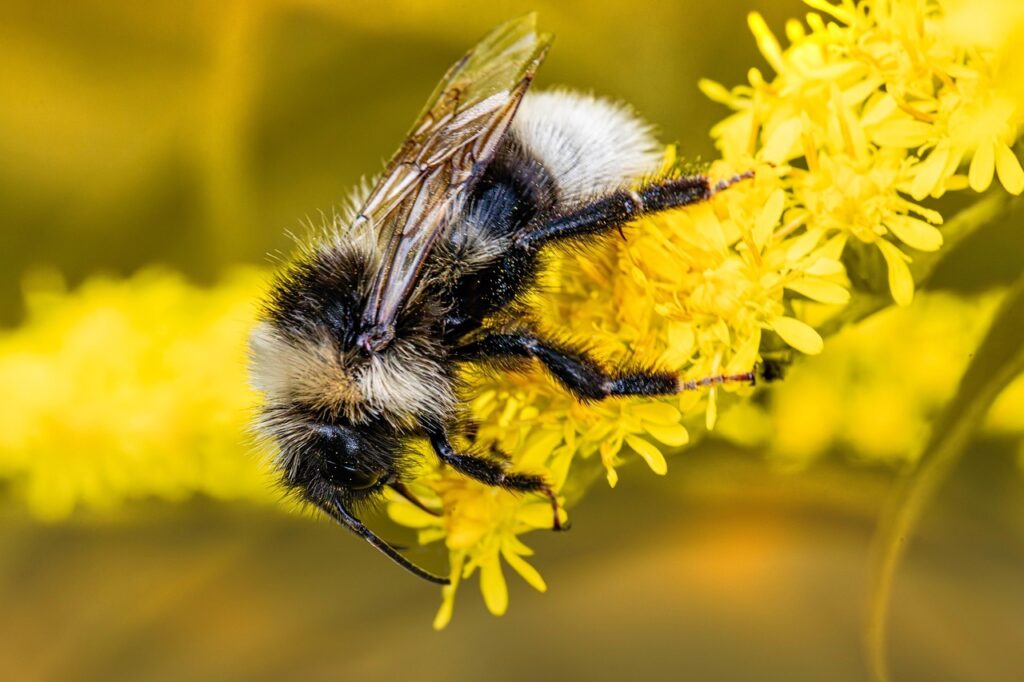
Common carder bee (Bombus pascuorum): With ginger-brown fuzz, this bee builds surface nests in long grass or compost heaps and seeks out long-tubed flowers in city allotments.
Tree bumblebee (Bombus hypnorum): This species arrived in the UK in 2001 and is easy to spot with its ginger thorax, black body, and white tail. It likes to nest in tree holes and empty bird boxes.
Red-tailed bumblebee (Bombus lapidarius): This bee is black with a bright red tail and often digs deep under patio slabs or into rockeries.
What makes urban bees so diverse? Each species has a tongue shaped for certain flowers, matching the depth needed to reach the pollen inside. This close relationship helps city gardens become important places for pollinators and keeps the city full of life.
Grey Squirrel: The Acrobatic Urban Survivor
If you’ve ever strolled through a city park, you’ve likely spotted the agile grey squirrel darting up trees, leaping from branch to branch, or boldly raiding a bird feeder. These adaptable omnivores have become icons of urban wildlife, thriving in the very heart of our busiest environments.
Why are grey squirrels so successful in cities?
It comes down to their amazing flexibility and cleverness. City life gives them plenty of food all year, from bird feeders full of seeds to ornamental plants and leftovers from picnics or café lunches.
Unlike squirrels in the countryside, city squirrels are skilled at getting around human obstacles, figuring out tricky feeders or bins, and getting used to people passing by every day.
Since city parks lack natural predators such as birds of prey or pine martens, they are much safer for grey squirrels.
This lets them live longer and have more young. History also plays a part in their story. In the 1800s, people brought grey squirrels to many city parks as living symbols of nature.
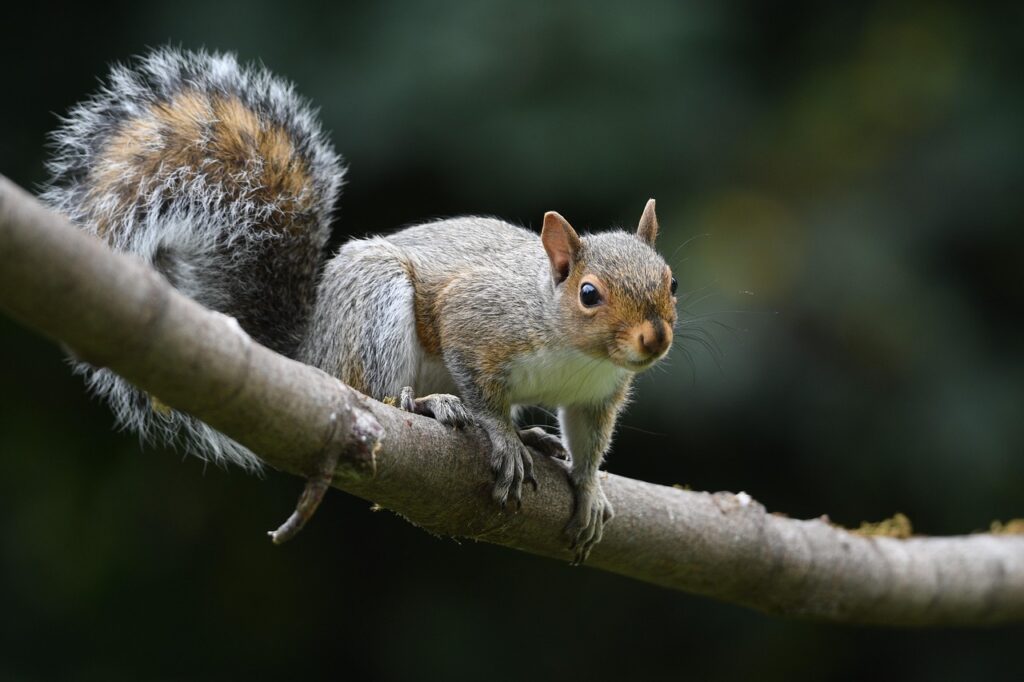
City residents fed and protected them, wanting to bring a bit of the wild into their lives.
Yet the grey squirrel’s urban triumph isn’t without controversy. These crafty climbers often outmuscle native red squirrels for food and territory, and they unwittingly spread squirrelpox, a disease harmless to themselves but deadly to reds.
Their enthusiasm for gnawing sometimes leaves a trail of chewed trees and nibbled rooftops across city parks.
Still, for many city dwellers, the grey squirrel is their first encounter with the wild a lively, bushy-tailed animal leaping through the city. They fascinate children, delight dog walkers, and inspire affection despite their cheeky behaviour.
Look for a plump, confident figure with silvery-grey fur, often tinged with rusty patches and a luxurious tail edged in white. You’ll find them bounding across lawns, pausing to size up a leap with twitching whiskers, or boldly digging for a hidden snack.
Love them or not, grey squirrels are here to stay, and they are living proof that nature, with a little ingenuity, can claim a home in even the most unexpected corners of the city.
Slow Worm: Your Garden’s Hidden Helper
Don’t let the name deceive you. Slow worms aren’t slow, and they aren’t worms either.
These shy, legless lizards are experts at hiding and do well in the quiet corners of our cities. You might spot them in suburban gardens, unused bits of industrial land, or allotments.
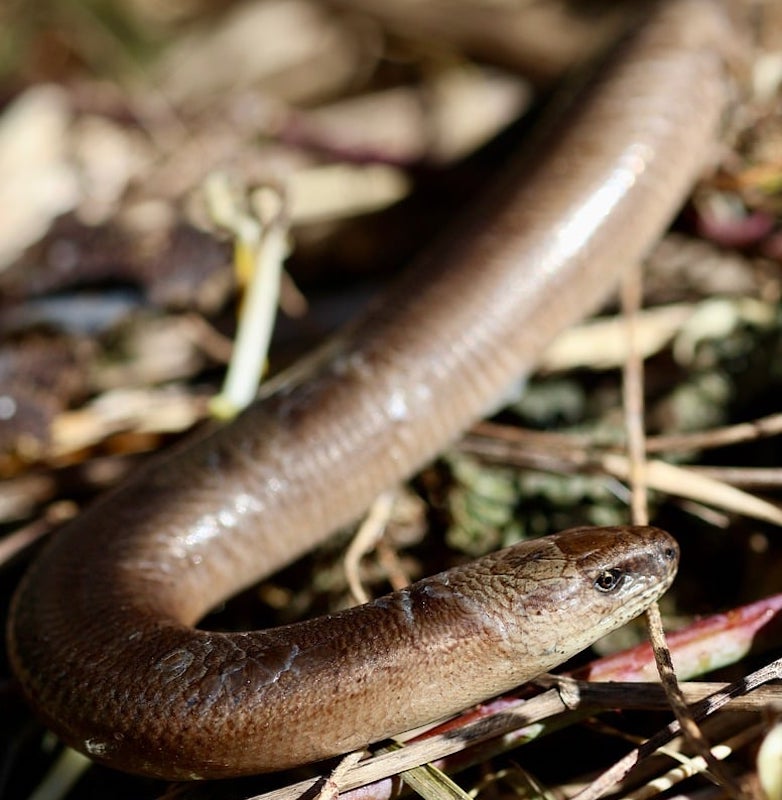
They spend their days in compost heaps, log piles, or soaking up warmth beneath metal sheets left in the sun.
Urban gardeners value slow worms because they eat slugs and snails. These lizards are natural pest controllers and help keep the city’s most troublesome gastropods in check.
It might be surprising, but cities can be great places for slow worms. In places like Worcester, sometimes called “Slow-worm City,” large, messy allotments give these lizards a safe home and help their numbers grow in the middle of town.
Still, slow worms face special challenges in cities. Although they are legally protected, they need our help to do well.
To make your garden a haven for slow worms, place sheets of corrugated metal or roofing felt in sunny, quiet corners. These hidden nooks provide the gentle warmth they crave for basking.
Always check carefully before mowing, strimming, or turning compost, as slow worms often hide just out of sight. And remember, if you have cats, you may see fewer of these secretive lizards, as cats are their biggest urban predators.
Tufted duck
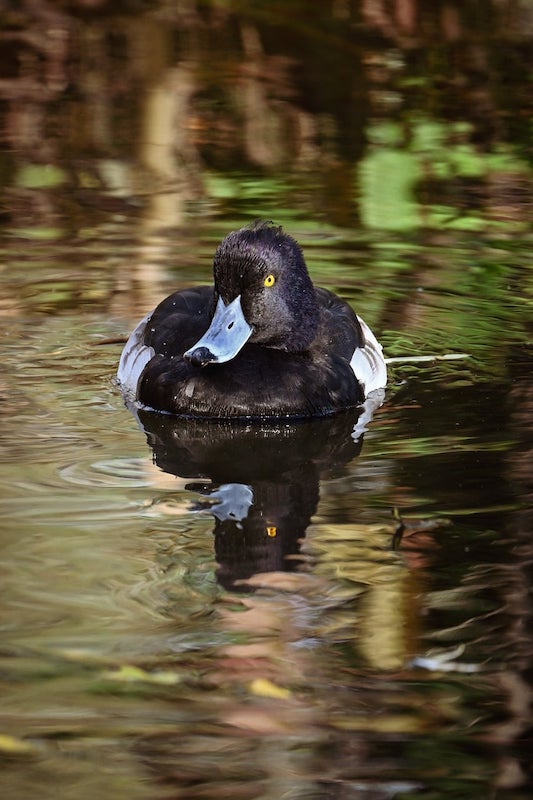
Most people know the mallard and its cheerful quack. But there are plenty of other colourful ducks to see in Britain’s towns and cities.
The tufted duck is the most common diving duck you’ll find.
This duck looks smart with its small crest.
Males are black and white, while females are chocolate brown. You can often spot them on city ponds, diving for their favourite foods, such as aquatic snails and insects.
Gulls
Lesser Black-backed Gulls and Herring Gulls are the two types that have adapted best to living in UK cities. Other gulls have also found success in some areas.
To a gull, cities and towns look like a group of rooftop islands surrounded by cliffs. Nesting there has its benefits.
Fewer predators are around human buildings, and there is usually plenty of food on the streets below. As a result, urban gull colonies are growing in Europe and elsewhere.
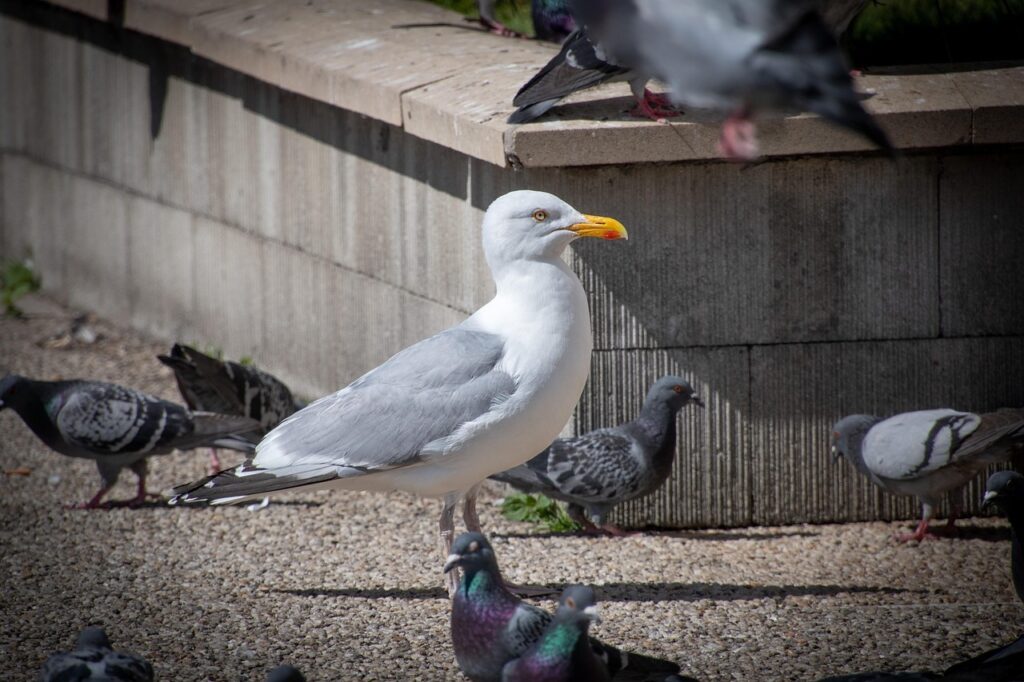
UK tabloids have called gulls public enemies after stories of birds swooping at people, either to protect their chicks or to steal food from tourists. Their rawkass noise and the messy nature can also upset their human neighbours.
They have been residents of cities and towns for decades. The birds were first recorded nesting in Bristol, for example, in 1972, but records of gull species nesting in our towns and cities date back to the early 20th century.
Hedgehog
Hedgehogs are among Britain’s favourite animals. Sadly, their numbers have dropped over time, and in 2020, they were added to the IUCN Red List as vulnerable to extinction in Great Britain.
Hedgehogs mainly struggle because they don’t have enough suitable habitats or safe ways to move, but there is some good news for our much-loved, spiky friends.
The latest State of Britain’s Hedgehogs Report from People’s Trust for Endangered Species (PTES) and The British Hedgehog Preservation Society (BHPS) shows that hedgehog numbers in urban areas are staying steady, unlike in rural areas.
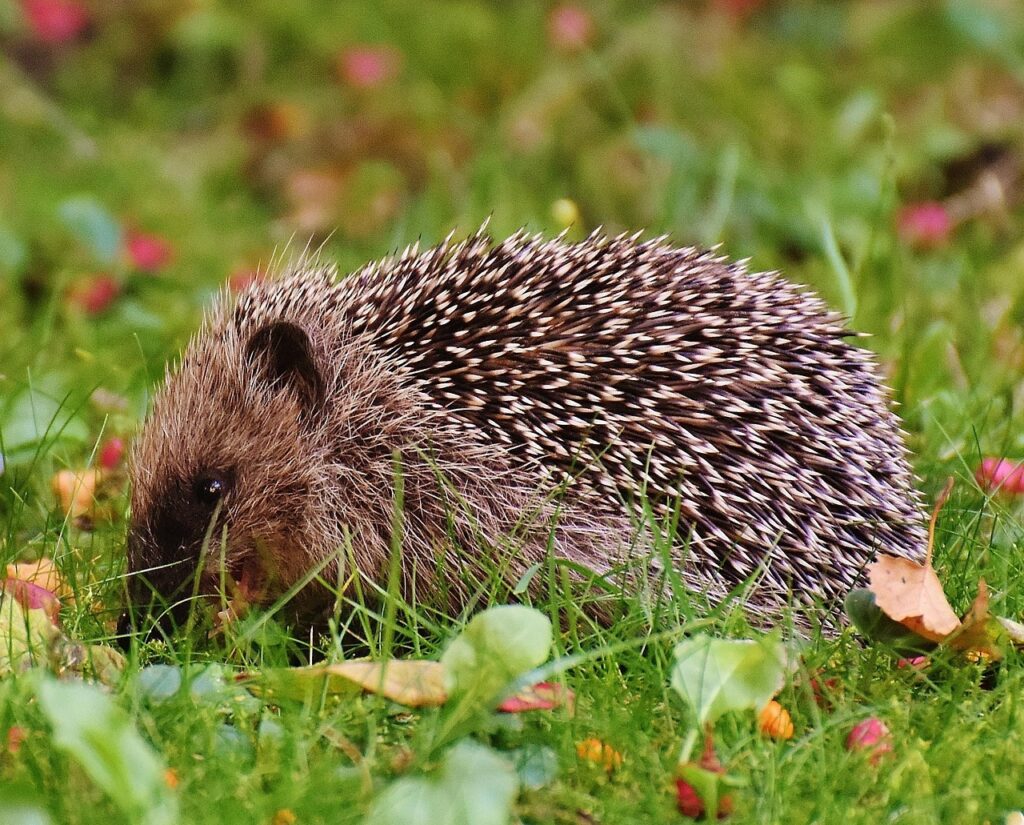
Even though more hedgehogs are hit by cars near cities, gardens with ‘hedgehog highways’ and green spaces like parks have become safe places for them.
However, there is still much work ahead. As we look at urban rewilding, we need to see cities as important habitats if we want to keep helping hedgehogs and other wildlife.
Pigeons
Most of us have seen pigeons searching for food in busy places. They move easily through crowds and city streets, so we often ignore them.
But their behaviour shows how animals can adjust to city life.
Pigeons once nested in woodland trees and cliffs, but now thrive in cities because of the environments we create.
Tall buildings and bridges work like modern cliffs, giving them places to nest. As cities expand, we end up making spaces that attract and support these birds, making it easier for them to live here.
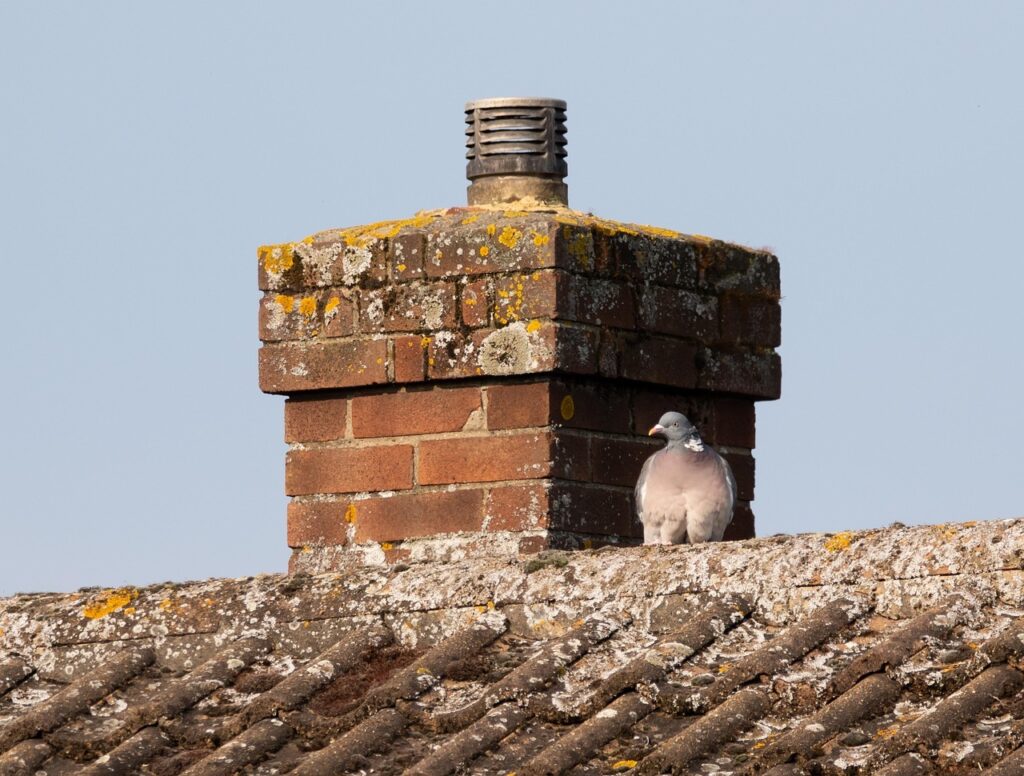
Not all animals can live easily in cities. Those that cannot adapt quickly often struggle or do not survive.
Pigeons do well in urban areas because they can adapt and eat a wide variety of foods. They eat food waste and processed foods, so they always find something to eat. This allows them to breed year-round, unlike rural pigeons, which have to search harder for food.
Pigeons also have good memories, which help them remember people and places where they get food.
These skills help them succeed in busy cities. Since they live close to people, pigeons benefit from our presence.
Our list of urban wildlife is not complete. Instead, we have highlighted a variety of species that now share towns and cities with us across the UK.
If you have stories or photos of other species you have seen in your town or city, we would love to hear from you. Your contributions could help us create a second part to this urban wildlife guide.
Please email your stories and pictures to hello@wildlife-matters.org.
If you enjoyed this blog, please check out more of our wildlife blogs here, or you may prefer to listen to the Wildlife Matters Podcast here.
If you want to support our work
Please click on the Wildlife Matters Patreon Community.
Please click to join the Wildlife Matters Substack Community.
You can donate here.
Further Reading
Wildlife Trusts – Urban Wildlife
London Wildlife Trust – What makes Urban Wildlife Extraordinary?
Wildlife Matters – London’s Wildest Places Sydenham Hill Wood